How to Start a Poultry Feed Mill Plant
Poultry Feed Mill Overview
Differences from a Poultry Farm
Running a poultry feed mill isn’t the same as running a poultry farm—there’s a clear line between the two. You won’t be raising any birds yourself with a feed mill; your main job is to make the feed that those birds eat. In short, it’s the backbone of the poultry farming industry, keeping farms running smoothly.
Its importance speaks for itself. It directly affects whether poultry farms can survive, how well the birds grow, and how much money farmers make. Without a reliable feed mill, the entire poultry farming chain would struggle to hold together.
Core Influencing Factors
Compared to poultry farms, feed mills don’t need as much space. But as you scale up—making more feed each day—you’ll naturally need more room to house equipment and store materials.
A few key things will make or break your feed mill. First, you need a good site; second, a steady supply of raw materials; third, reliable processing equipment; and fourth, enough skilled workers. All of these work together—slack in one area can hurt your mill’s efficiency and the quality of your feed.
Core Values of the Guide
This guide is made for anyone looking to invest in poultry feed production. It covers everything you need to start up and run your mill smoothly, no matter your experience level. Whether you’re new to the industry or looking to upgrade your existing mill, you’ll find practical tips here that you can put to use right away.
We’ll walk you through everything from picking the right equipment to tweaking your production process to work better. Our goal is to help you make more feed, improve its quality, and get your feed business off the ground and growing steadily.
Poultry Feed Processing Plant Costing and Profitability Analysis
Core Cost Influencing Factors
Cost is one of the biggest things to think about when starting a feed mill. How much you’ll spend depends on a few key factors: how much feed you plan to make (your production scale), the equipment you buy, and the type of feed you’ll produce (like pellets, powder, or premix).
In most cases, a full pellet feed mill will cost more than a premix or powder mill. That’s because pellet mills need more complex equipment and a longer production process to turn raw materials into finished pellets.
Three Operational Cost Optimization Tips
There are three main areas where you can cut costs without sacrificing quality—these will help you boost your profits in the long run.
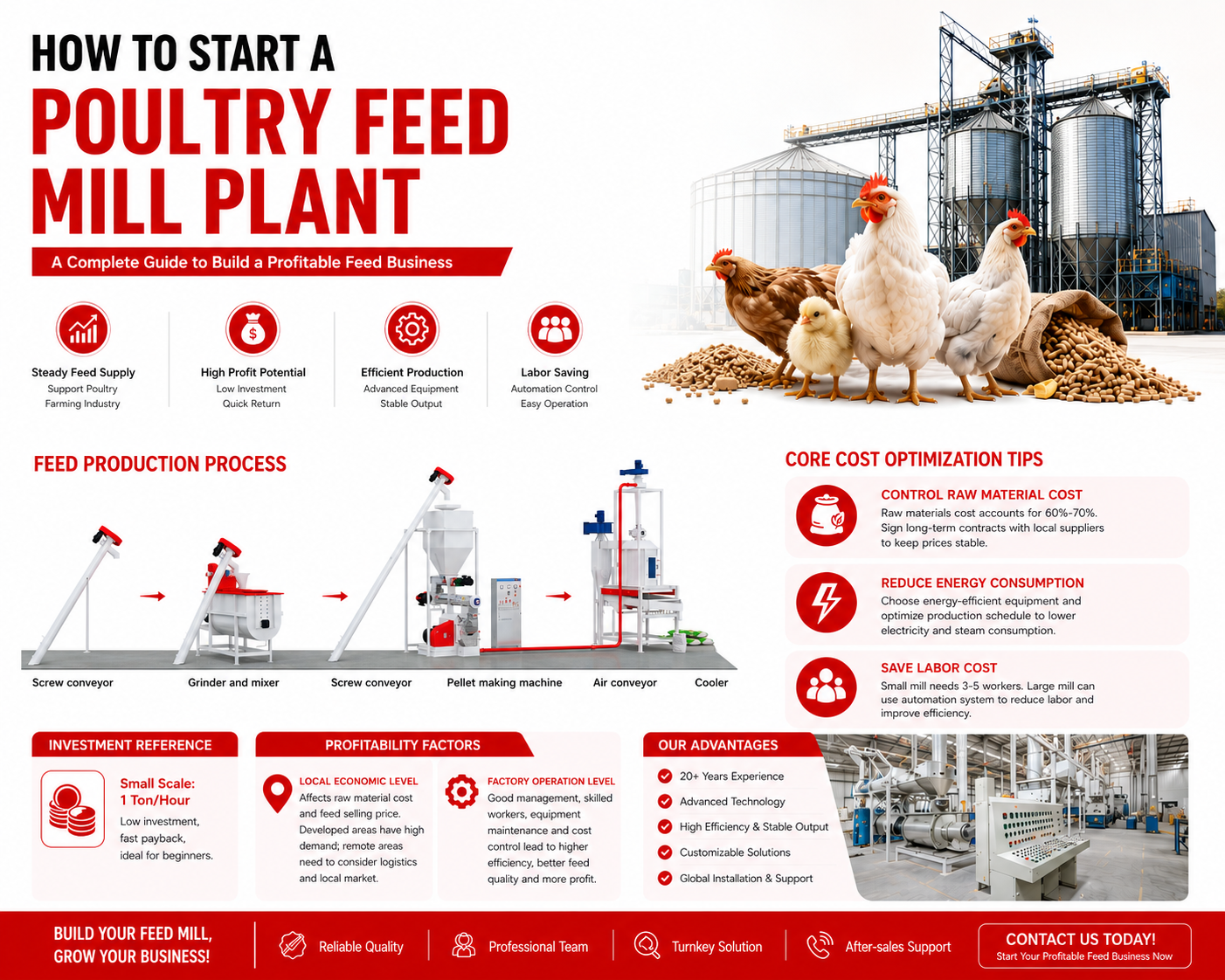
Raw materials are your biggest expense, making up 60% to 70% of your total costs. The best way to keep this cost stable is to sign long-term contracts with local grain suppliers. This way, you won’t be hit hard by sudden price jumps in corn, soy, or other key ingredients.
Energy use is another big cost. Choosing energy-efficient equipment and planning your production schedule wisely can cut down on electricity and steam waste. This means lower bills and more money in your pocket for each ton of feed you make.
Labor costs can also be adjusted based on how automated your mill is. A small mill can get by with just 3 to 5 workers. For larger, industrial mills, investing in automation will cut down on the number of workers you need and make your operation run faster.
Small-Scale Processing Plant Investment Reference
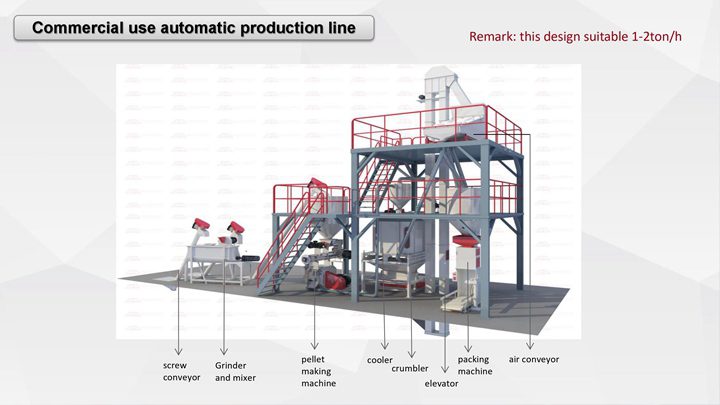
If you’re just starting out, a small mill that makes 1 ton of feed per hour is a great option. It doesn’t require a huge initial investment, and you can recoup your money relatively quickly. It’s perfect for first-time investors who want to test the waters in the feed industry.
Profitability Core Influencing Factors
Influence of Local Economic Level
Where you set up your mill matters for profits. Local economic conditions determine how much you’ll pay for raw materials and how much you can sell your finished feed for. In more developed areas, raw materials are easy to find but might cost more, and there’s usually strong demand for feed (so you can charge a bit more). In remote areas, you’ll need to factor in the cost of shipping raw materials and make sure there’s enough local demand to keep your mill busy.
Influence of Factory Operation Level
How well you run your mill day-to-day is what really drives profits. Things like water and electricity bills, replacing worn-out parts on equipment, how skilled your workers are, and how well you manage the whole operation—all of these affect how much money you’ll make.
Running your mill efficiently doesn’t just cut down on waste; it also makes your feed better. Better feed means happier customers (farmers) and more repeat business, which boosts your bottom line.
Poultry Feed Production Process
Overview of the Whole Production Process
Making poultry feed is a step-by-step process—each step matters for the final quality and safety of the feed. From the moment raw materials arrive at your mill to when finished feed is stored in the warehouse, you need to follow strict rules to make sure every batch is good for the birds.
Each step is connected to the next. Cut corners in one step, and it will show in the final product. Sticking to the process ensures that every bag of feed you sell meets the needs of the poultry it’s made for.
Specific Operation of Each Link
Raw Material Collection and Storage
First, you’ll need to gather all the raw materials you need. Most of these come in bags, which are delivered straight to your mill. When they arrive, you’ll check each bag—sort through them, make sure they’re not spoiled or contaminated, and get rid of any that don’t meet your standards.
Once sorted, store the raw materials in a dry, well-ventilated area. You’ll also need to keep them safe from rodents and insects—if they get into the materials, it can ruin entire batches of feed.
Raw Material Sorting and Quality Inspection
After collecting the materials, you’ll sort them again to remove any small impurities (like stones or debris). Then you’ll run quality checks to make sure the nutrients in the materials match your feed formula. This is crucial—if the raw materials are low quality, the final feed will be too.
Batch Weighing According to Formula
Different types of poultry need different feed—chicks need starter feed, layers need layer mix, broilers need finisher feed, and so on. For each type, you’ll weigh out the raw materials according to your preset formula. Getting the weights right ensures the feed has the right balance of nutrients for the birds.
Crushing
First, send the coarse raw materials through a cleaning machine to get rid of any hidden impurities. Then put them through a hammer mill to crush them into smaller particles. Crushed materials mix more evenly, and they’re easier for the birds to digest—so they get more nutrition from the feed.
Pre-Mixing
Pre-mixing is all about the small, important nutrients—things like vitamins and trace metals. You’ll put these into a batch mixer and mix them for a set amount of time (as recommended by the mixer manufacturer). This makes sure these tiny nutrients are spread evenly, so no part of the feed has too much or too little of anything.
Comprehensive Mixing
Next, add all the main raw materials and the pre-mixed nutrients into a mixer and blend them together. During mixing, you’ll check periodically to make sure everything is mixed evenly. If some parts are more concentrated than others, the feed won’t be consistent—and that can hurt the birds’ growth.
Pelleting
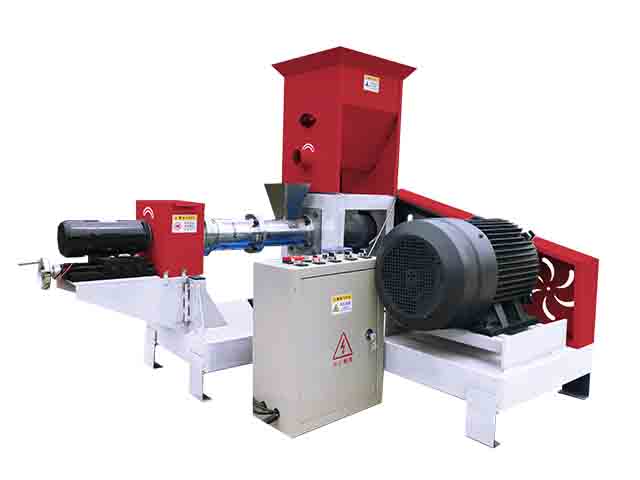
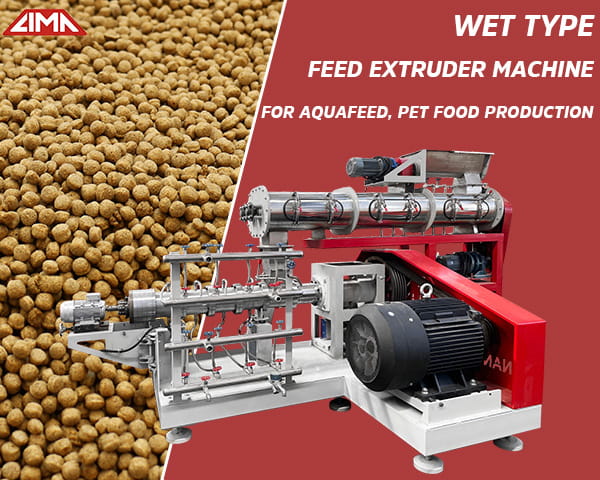
Pelleting turns the mixed feed into the small pellets you see in stores. First, use a steam conditioner (part of the pellet mill) to moisten and heat the feed mixture. Then send it through a mold, which挤压s it into solid pellets.
Cooling
Right after pelleting, the pellets are hot and damp. If you store them like this, they’ll mold quickly. So you’ll send them through a counter-flow cooler to lower their temperature and remove excess moisture. This keeps the pellets fresh and ready for storage.
Packaging
Once the pellets are cool, it’s time to package them. Weigh out the right amount for each bag, seal the bags, add a label (with details like the feed type and production date), and sew them shut. Clear labeling makes it easy for farmers to know what they’re buying, and proper packaging keeps the feed fresh during transport and storage.
Finished Product Storage
Store the packaged feed in a warehouse that’s at a good temperature—dry and well-ventilated. Again, keep it away from rodents and insects, and make sure it doesn’t get damp. Proper storage ensures the feed stays high-quality until it’s sold to farmers.
Poultry Feed Processing Plant Equipment Configuration
Core Equipment List
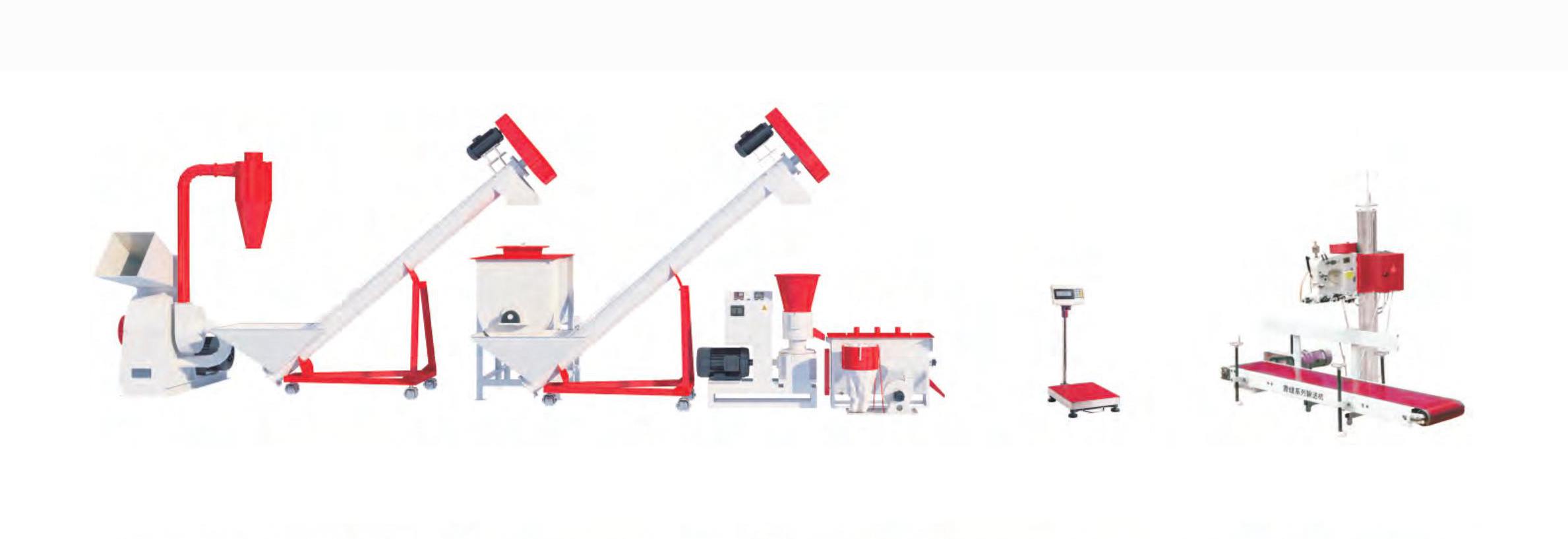
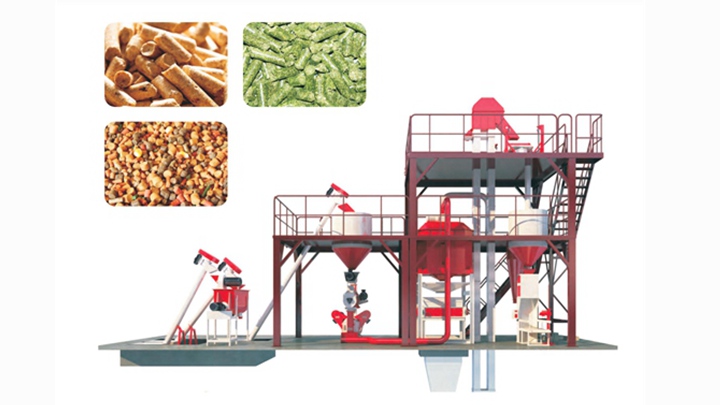
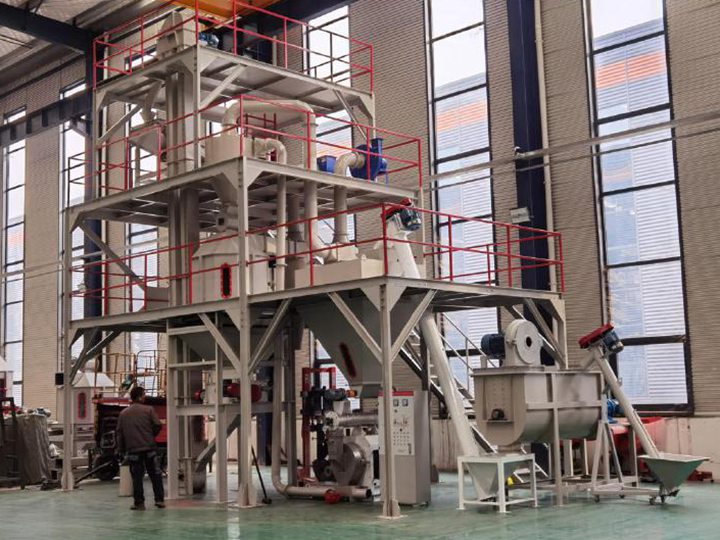
A fully automated poultry feed production line needs several types of specialized equipment. Each piece plays a role in the process—from crushing raw materials to packaging the finished feed. The quality of your equipment will directly affect how much feed you can make and how good it is.
Various Types of Equipment
Crushing Equipment
The type of crusher you need depends on how much feed you plan to make. Common options are water drop crushers, grinding head crushers, and toothed disk crushers. If you’re making more than 1 ton of feed per hour, a water drop crusher is your best bet—it’s fast and efficient.
Mixing Equipment
Like crushers, mixers are chosen based on your production scale. Single-shaft ribbon mixers and double-shaft ribbon mixers are the most common. Double-shaft mixers usually mix more evenly, but single-shaft ones work well for smaller mills. Choose the one that fits your needs and budget.
Granulation Equipment
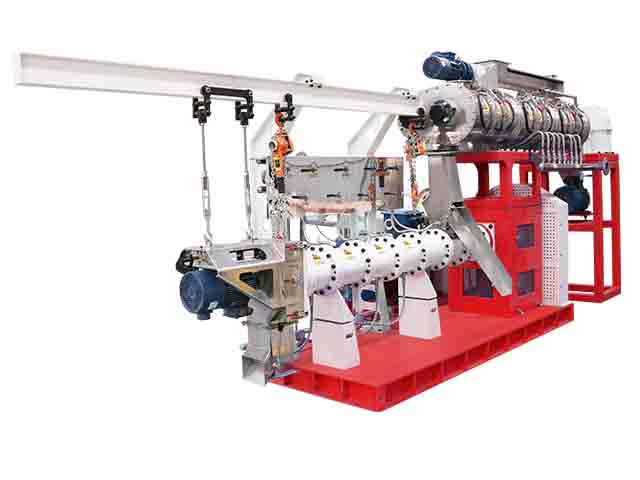
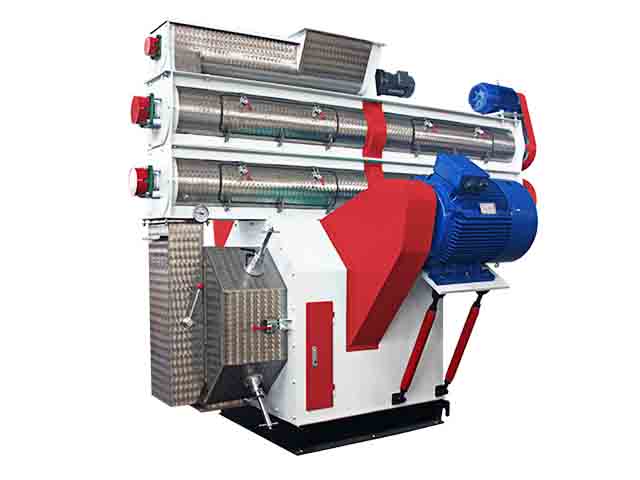
Ring die pellet mills are the most popular choice for feed mills today. They come in different sizes to match your production needs: SZLH250 (1-2 tons per hour), SZLH320 (3-4 tons per hour), SZLH350 (5-7 tons per hour), SZLH420 (8-12 tons per hour), and SZLH508 (10-18 tons per hour). Pick the model that lines up with how much feed you want to make.
Cooling Equipment
Your cooling equipment needs to match the output of your pellet mill. It usually includes a cooler, a fan, a cyclone separator, and an air shutter. All of these work together to cool the pellets quickly and evenly—so they’re ready for packaging.
Packaging Equipment
An automatic packaging scale is a must for packaging. You can also add an automatic sewing machine to seal the bags faster. This automation cuts down on labor and makes sure each bag weighs the same—no underfilled or overfilled bags.
Feed Production Line Capacity Selection Skills
The Core Significance of Capacity Selection
Choosing the right capacity for your feed line and equipment is key. If you pick a capacity that’s too small, you won’t be able to meet demand. If it’s too big, you’ll waste money on equipment that sits idle. The right capacity keeps your mill efficient, saves energy, and makes high-quality feed—all while keeping costs down.
Comparison and Selection of Equipment Types
Ring Die vs. Flat Die Pellet Mill
There are two main types of pellet mills: ring die and flat die. They’re built for different purposes, so you’ll need to pick the one that fits your mill’s size and goals. Understanding the difference will help you make the right choice.
Advantages and Application Scenarios of Ring Die Pellet Mill
Ring die pellet mills are made for large, commercial feed mills. They can make 10 to 20 tons of feed per hour—perfect for big operations. They make uniform pellets, which are more durable (so they don’t break apart easily), and they use less energy than smaller mills.
Industry data shows that ring die mills save up to 15% more energy per ton of feed compared to smaller systems. If you’re planning a large, industrial mill, this is the equipment for you.
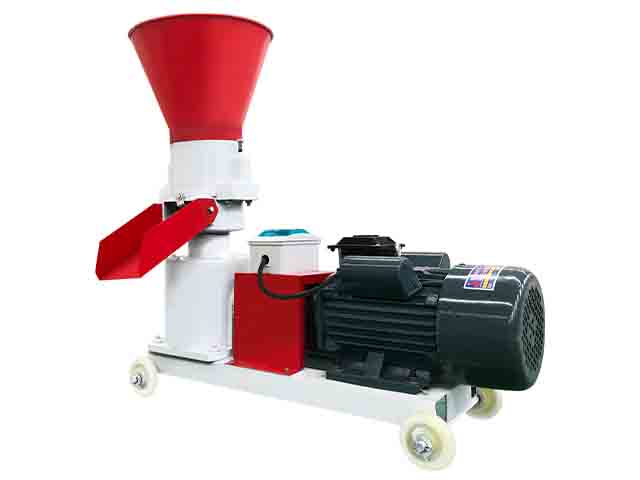
Advantages and Applicable Scenarios of Flat Die Pellet Mill
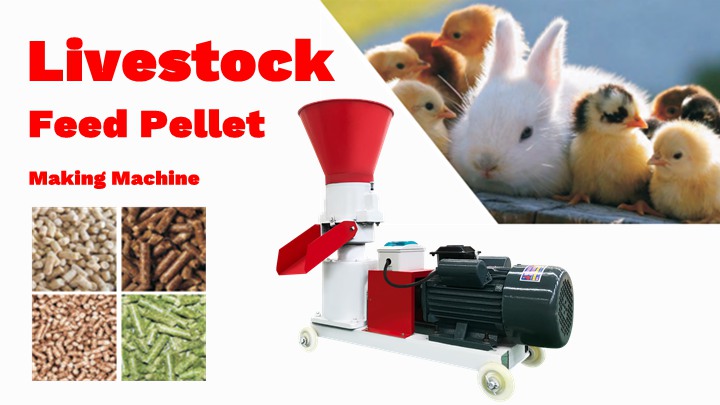
Flat die pellet mills are better for small to medium farms or people who make feed on a contract basis. They’re small, don’t cost as much upfront, and are easy to maintain. They’re great for farms that make their own feed or for mobile feed units in rural areas.
Compared to industrial ring die mills, flat die mills cost 30% to 50% less to start up. This makes them a great option for first-time investors or anyone with a small budget.
Poultry Feed Processing Plant Layout Design and Turnkey Program
Core Principles of Layout Design
Designing your mill’s layout is all about making the most of your space and keeping operations smooth. You’ll need to plan out different areas for each step of the process—storage, crushing, mixing, pelleting, etc. The goal is to make feed as efficiently as possible, keep costs low, and avoid cross-contamination between raw materials and finished feed.
Layout Examples of Different Scale Plants
Small Poultry Feed Processing Plant Layout
For small mills (making less than 10 tons per hour), space is at a premium. You’ll use compact, modular equipment that fits in a small area. The key is to place storage, crushing, and pelleting equipment close to each other—this cuts down on the time and effort needed to move materials around.
A tight layout means less waste and faster production. You don’t need a huge space, but you do need to arrange equipment wisely to keep things moving smoothly.
Large Poultry Feed Processing Plant Layout
Large mills (making 50 to 100 tons per hour) need a more complex layout. They usually have multiple production lines, with separate areas for each step. For example, raw materials are processed in one area, and finished pellets are stored in another.
Separating these areas reduces the risk of cross-contamination and makes the mill easier to manage. It also optimizes the flow of materials and workers, so the whole operation runs more efficiently.
Description of Turnkey Project Service
If you’re new to the industry and don’t have much experience, a turnkey solution is a great option. A professional team will handle everything for you—from designing the layout and buying equipment to installing it and training your workers. It’s a one-stop shop that takes the stress out of starting a mill.
If you need a custom layout design, you can also contact a professional organization. They’ll create a plan tailored to your mill’s size and goals, helping you make the most of your space and boost efficiency.