How To Setup A Cattle Feed Processing Plant
With the upgrading of global livestock farming scale and standardisation, cattle and sheep farming has completely left the traditional crude self-mixing mode. Problems such as unbalanced nutrition, serious feed wastage and uneven growth of livestock have seriously restricted the profitability of farms. In this context, the standardised beef cattle feed processing plant (cattle feed processing plant) has become the core supporting projects for the upgrading of the livestock industry.
For entrepreneurs and breeding enterprises who want to enter the feed processing industry and build their own small and medium-sized cattle feed production line, how to build a compliant plant, scientific selection, control the production process, control investment costs, and achieve long-term stable profitability is the core pain point. This paper combines the latest standards of the industry in 2026, to explain the whole process of beef cattle feed processing plant construction, covering project positioning, market prospects, site layout, equipment configuration, production process, installation and commissioning, operation and maintenance management, compliance and profitability and other core content, is a novice to build the plant practical dry guide.
Basic Overview of Beef Cattle Feed Processing Plant
Definition of Beef Cattle Feed Processing Plant
Beef cattle feed processing plant, also known as cattle feed milling and pelleting plant, cattle and sheep feed processing plant, is dedicated to corn, soybean meal, bran, pasture, minerals, vitamins and other agricultural by-products raw materials, through the standardised process of processing into powdered feed, granular, crushed and nutritional premixes of the industrial production site, the product can be accurately adapted to the nutritional needs of calves, breeding cows, lactating cattle, fattening cows, and so on, at different stages of growth.
Differing from the self-mixing of small family workshops, the feed produced by the regular feed processing plant has the advantages of accurate nutritional ratios, good palatability, high digestibility and absorption rate, no impurities and pollution, convenient storage and transport, etc., which is also the immediate need of modern large-scale farming.
Core Value and Necessity of Building a Factory
Many large-scale breeding bases, feed dealers, agricultural entrepreneurs choose to build their own cattle feed processing plant, the core value is reflected in four dimensions:
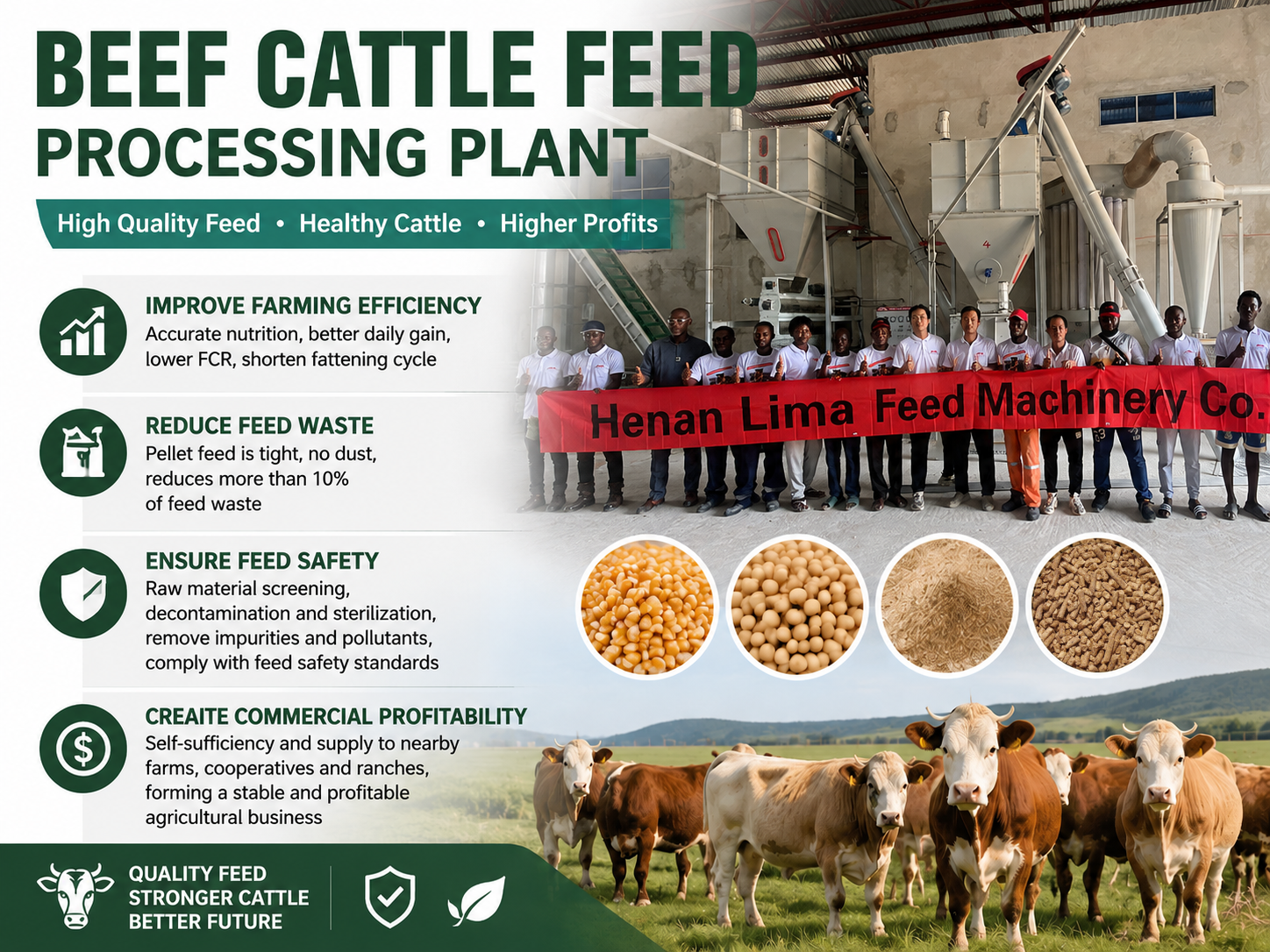
First, improve farming efficiency. Standardised formula feed can accurately control the ratio of protein, energy and minerals, effectively improve the daily weight gain of beef cattle, feed conversion ratio (FCR), shorten the fattening cycle and significantly reduce farming costs.
Second, reduce feed waste. Homemade powder is prone to livestock picking, dust loss, while the pellet feed compressed tight, no dust, palatability and uniformity, can reduce more than 10% of the feed waste, suitable for large-scale feeding scenarios.
Third, ensure feed safety. The formal processing process includes raw material screening, decontamination and sterilisation, which can effectively remove mouldy particles, metal impurities, gravel dust in raw materials, eliminate aflatoxin and other pollutants, comply with the national feed safety standards, and avoid the risk of breeding diseases.
Fourth, create commercial profitability. Small and medium-sized feed processing plant can not only self-sufficiency, reduce the cost of farming, but also can be supplied to the neighbouring retail households, farming cooperatives, ranches, the formation of a stable profitability of agricultural products processing projects, anti-risk ability is much higher than a single farming industry.
Mainstream Cattle Feed Product Types
According to the market demand, we can flexibly produce four types of mainstream products to meet the needs of different customers:
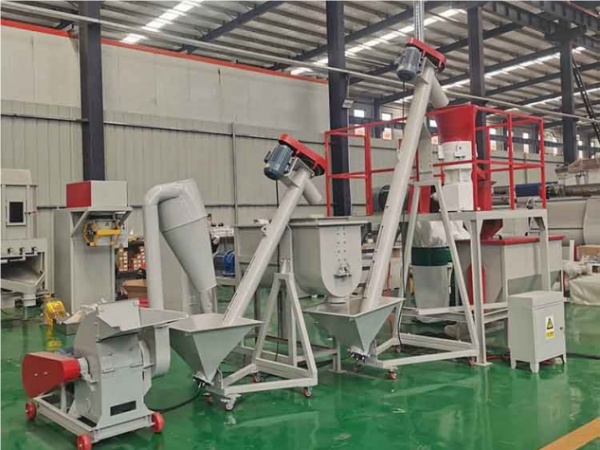
1. Powdered compound (meal): simple process, low production cost, suitable for small farms and retail households, is the basic product line of small and medium-sized factories.
2. Pellet feed: a mainstream product in the market, after high temperature tempering, high pressure granulation, high digestibility, storage resistance, easy to transport, suitable for large-scale fattening cattle farms, dairy farms, the largest market demand.
3. Crushing material: made from finished particles of secondary crushing, fine particles, specially adapted to calves, young cattle feeding, to avoid choking young animals, belongs to the high value-added segmentation of the product.
4. Concentrate/premix: high nutritional ratio of raw materials, farmers can match their own corn, bran, suitable for small retail households, a wide range of audience, fast turnover.
2026 Market Outlook and Return on Investment Analysis
Feed processing belongs to the agricultural entity industry, the market stability is very strong. According to the latest industry data, the global cattle and sheep feed market size continues to grow steadily, the market valuation of $ 79.41 billion in 2026, is expected to grow to $ 98.23 billion in 2031, the compound annual growth rate to maintain at about 4.35%. The scale rate of domestic animal husbandry continues to increase, retail households are gradually withdrawing from the market, and the demand for standardised commercial feeds from large-scale ranches and farming cooperatives continues to climb, providing a broad space for small and medium-sized feed processing plants to survive.
Core Market Opportunities
1. Industry upgrading needs: traditional self-mixed nutritional imbalance, high risk of disease, the trend of standardised feed replacement is irreversible;
2. Market segmentation gap: large feed companies focus on large brand mass production, regional small and medium-sized factories can rely on geographic advantages, do localised customised feed, cost-effective feed, seize the regional market;
3. Favourable policy support: agro-processing projects and rural industry projects can enjoy local agricultural subsidies, tax incentives, site support and other policies to reduce the cost of plant construction;
4. Diversified profit model: it can take into account a variety of modes, such as self-use, wholesale, distributor supply, custom formulated OEM, etc., with stable cash flow.
Investment Scale and Profit Level
Cattle feed processing plant investment threshold is flexible, according to their own funds, market size to choose the appropriate capacity, the core is divided into two mainstream gear:
1. Small production line (1-5 tonnes/hour): total investment of $50,000 – $200,000, suitable for small-scale breeding enterprises, start-up entrepreneurs, semi-automated operation, mainly powder, ordinary pellets, payback cycle of 2-3 years;
2. Small and medium-sized fully automatic production line (5-20 tonnes/hour): total investment of 300,000-1 million U.S. dollars, fully automated batching, granulation, packaging, stable production capacity, low labour costs, is the mainstream preferred mode of the current market.
Industry general profitability data: feed processing industry gross margin is stable at 15% -25%, net profit margin of 5% -12%, capacity utilisation rate of 60% can achieve break-even, is a low-risk, stable income entity agricultural projects.
Plant Site Selection and Layout Design
Site selection and plant layout directly determine the late logistics costs, production efficiency, compliance rate, unreasonable site layout will directly increase the operating costs of 15% -30%, is the most critical part of the pre-plant.
Core Criteria for Scientific Site Selection
Raw material location advantage: Priority site selection in the main grain producing areas, grain and oil processing hubs around the 50-80 kilometres, close to the source of supply of corn, soybean meal, gluten, to minimise the cost of raw material transport (raw material costs account for 60% -75% of the total operating costs);
Advantageous market location: within 150km from large-scale beef cattle breeding bases and farming cooperatives, guaranteeing rapid distribution of products and seizing local sources of customers;
Perfect infrastructure: ensure stable industrial electricity, sufficient water source, perfect drainage system, equipped with standby power equipment to avoid production stoppage and loss; spacious roads with access to heavy trucks to meet the needs of raw material entry and finished product shipment;
Compliance with environmental requirements: away from residential areas, chemical plants, livestock and poultry infected areas, to avoid dust, noise nuisance problems, reduce the risk of pollution; terrain level, good drainage, avoid flooding, geological disaster areas;
Reserve space for development: 20%-30% of open space is reserved in the factory area to facilitate late capacity upgrade and equipment expansion.
Factory Functional Layout Specification
High-quality factory layout follows the principle of unidirectional material flow: raw materials into the field → storage → processing → finished products out of the warehouse, eliminating material reflux, cross-pollution, and improving production efficiency by more than 20%. The factory should be divided into seven independent functional areas:
1. Raw material receiving and storage area: at the entrance position of the plant, set up weighbridge, unloading pit, raw material silo, storage warehouse, separate storage of various types of raw materials, so that the first in first out;
2. Pre-treatment processing area: centrally placed cleaning, crushing equipment, dust containment;
3. Dosing and mixing area: the core area of the production line, to ensure that the ground level, load-bearing standards;
4. Granulation cooling area: high energy consumption, high-temperature operation area, separate partition, strengthen ventilation and heat dissipation;
5. Finished product screening and packing area: finished product screening and packing operations, near the shipping port;
6. Finished product storage area: completely isolated from the raw material area, to eliminate cross-pollution;
7. Auxiliary office area: including office, quality inspection laboratory, equipment room, boiler room, maintenance workshop and other supporting areas.
Complete Equipment Configuration of Cattle Feed Processing Plant
Equipment is the core of production, equipment selection needs to match the production capacity, product categories, to avoid the use of large materials or insufficient capacity. A full set of production line equipment according to the production process is divided into six modules, suitable for powder, pellets, dual-line production.
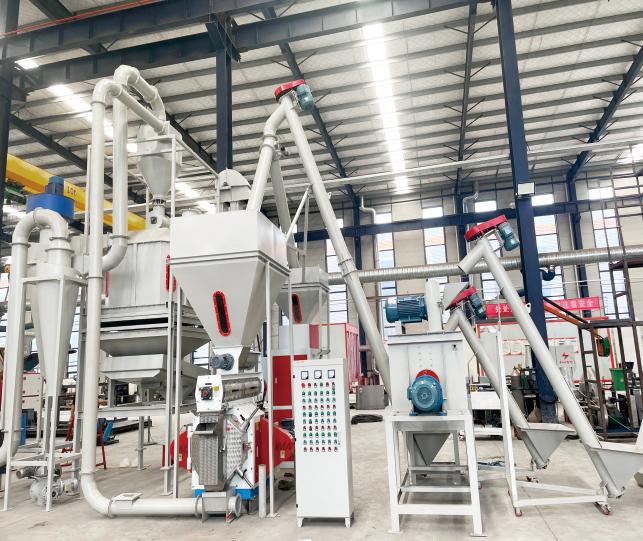
Raw Material Receiving and Cleaning Equipment
Core function: to remove sand, dust, metal impurities, mould particles in raw materials, to protect the back-end equipment and ensure the safety of feed. It mainly includes weighbridge, unloading hopper, drum cleaning sieve, permanent magnetic iron remover, raw material storage silo, which is the basic equipment for compliant production.
Crushing Equipment
The core equipment is hammer mill, which is the core equipment for feed processing, and can crush the raw materials such as corn, soybean meal and forage to 1-3mm standard particle size, which guarantees the uniformity of mixing and the digestive and absorption rate of livestock. Small production line is suitable for small and medium-sized crusher, large production line can be combined with more than one crusher parallel operation.
Batching and Mixing Equipment
Includes fully automated dosage system, double shaft paddle mixer / screw belt mixer. The automatic batching system can accurately proportion the raw materials according to the nutritionist’s formula, with very low error; the mixer is responsible for the uniform mixing of dry and wet raw materials, oil and grease, additives, to ensure the nutritional consistency of the feed, and the coefficient of variation of the mixing uniformity is controlled within 7%.
Pelleting and Moulding Equipment
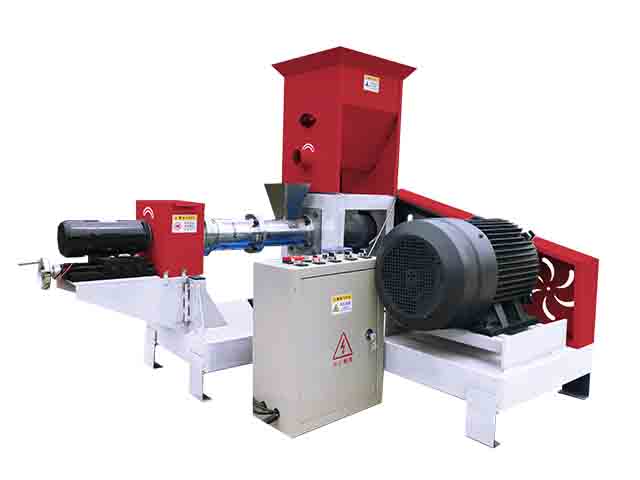
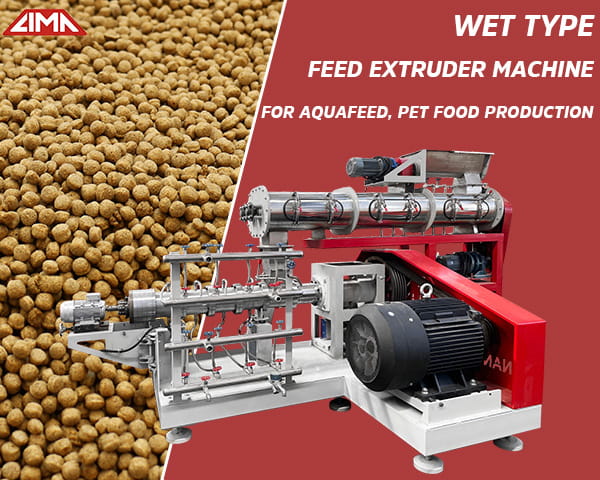
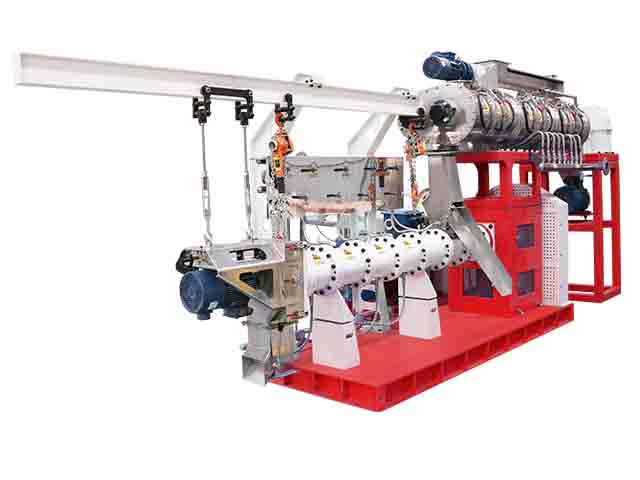
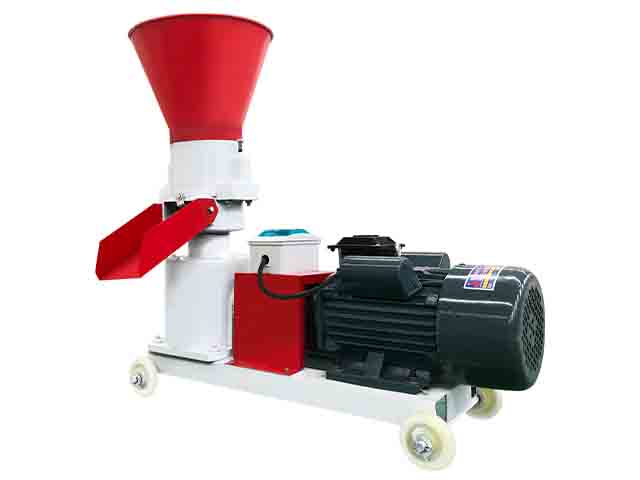
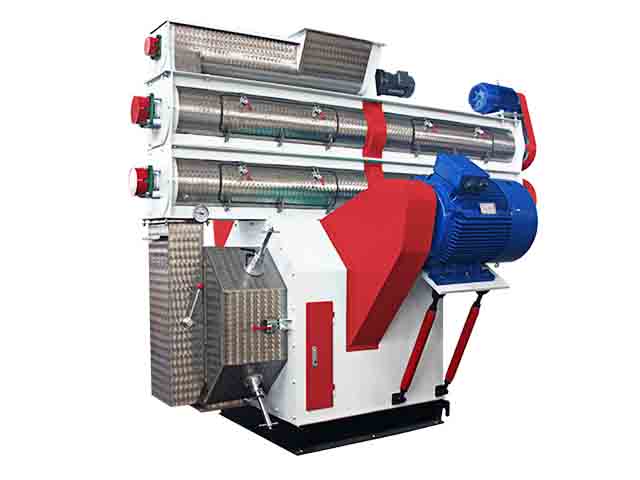
It consists of steam conditioner and ring mould pelleting machine. Conditioner through high temperature steam to soften raw materials, paste starch, enhance the palatability of feed and sterilization effect; ring die pelleting machine will be mixed powder high pressure extrusion into 4-8mm standard cattle feed particles, is the core equipment of the quality of granular material, small workshops can choose flat die pelleting machine, large-scale chemical plants preferred ring die equipment.
Cooling and Sieving Equipment
The high temperature and high humidity pellets can’t be stored directly, it needs to be cooled down and dehumidified by counter-current cooler to control the moisture within 12%, to prevent mould; and then sieve the broken materials and dust by vibrating screen to ensure the finished products are uniform, and the crusher can be equipped with crushing machine to produce calf-specific crushed materials.
Packaging and Auxiliary Equipment
Including automatic quantitative packaging machine, sewing machine, finished product storage equipment; ancillary equipment include pulse dust removal system, steam boiler, PLC intelligent control system, conveying and lifting equipment, quality inspection and laboratory equipment. Among them, the dust removal system is necessary for environmental protection compliance, which can effectively control the workshop dust and eliminate safety hazards.
Standardised Cattle Feed Production Process
Regular cattle feed production process is closed-loop standardisation, one-way operation, 12 standard steps from raw materials into the factory to the finished product shipment, which can be adapted to the production of powder and granules at the same time. The detailed standard production process is shown in the table below:
| Process Step | Process Name | Detailed Operation Content & Core Function |
| 1 | Raw materials acceptance | Weigh raw materials into the plant after weighing, while sampling raw materials moisture, mould, aflatoxin and other safety indicators, strict screening of raw materials, direct rejection of all unqualified raw materials, feed quality control from the source. |
| 2 | Classification and storage | All kinds of raw materials accepted, according to the category of zoning deposited into the silo or special storage of raw materials, the strict implementation of the first-in-first-out (FIFO) management system, to effectively avoid raw materials moisture, caking, mould, to protect the freshness of raw materials. |
| 3 | Remove impurities and clean | Raw materials through the drum cleaning sieve, permanent magnet remover and other equipment, thoroughly remove the raw material mixed sand, dust, metal impurities, lumps of waste, etc., not only to protect the back-end production equipment from damage, but also to eliminate the risk of feed contamination. |
| 4 | Crushing refinement | Use hammer crusher to crush corn, soybean meal, pasture and other raw materials to 1-3mm standard particle size, unified raw material particle size, to enhance the uniformity of the subsequent batching and mixing, and at the same time to improve the digestive absorption rate of beef cattle on the feed. |
| 5 | Accurate dosage | Relying on automated dosage system, in strict accordance with the livestock nutritionist preset formula, accurate proportioning of the main ingredients, auxiliary ingredients, minerals, vitamins and various types of feed additives, dosage error is extremely low, to ensure the standardisation of nutritional ratios of feed. |
| 6 | Uniform mixing | Send all the dry raw materials, with grease, nutrient solution and other liquid raw materials to the mixer to fully mix and integrate, to ensure that the whole batch of feed nutrient distribution is uniform, mixing coefficient of variation is controlled at 7% or less, there is no local nutrient imbalance problem. |
| 7 | Steam tempering (special for pellets) | Through high temperature steam tempering of mixed powder, soften the texture of raw materials, paste starch, and at the same time to achieve low-temperature sterilization, inhibition of harmful flora, and significantly improve the palatability of feed and pellet forming quality. |
| 8 | High-pressure pelleting | Send tempered mixture into the ring die pelleting machine, through high-pressure extrusion moulding, to produce 4-8mm uniform size, firm texture of the special pellet feed for beef cattle, suitable for different stages of beef cattle feeding needs. |
| 9 | Cooling and dehumidification | The high temperature and high humidity pellet feed just formed is sent to the counter-current cooler for rapid cooling and dehydration, which controls the moisture of the feed within 12%, effectively prevents the finished feed from mould and caking, and extends the storage cycle significantly. |
| 10 | Screening and finishing | Screen through the vibrating sieve to remove the broken material, dust, residual particles in the finished product, to ensure the uniformity of the finished product; can be activated on demand crushing equipment, crushing large particles into fine particles, making special feed for calves. |
| 11 | Automatic packaging | Adopt automatic quantitative packaging machine to complete the accurate packing, sealing and sewing of feed, and at the same time, standardised labelling, clear labelling of ingredients, production batch, shelf life, implementation standards and other information to meet the requirements of compliant sales. |
| 12 | Finished product warehousing and shipping | Finished packaged feed is stored in a cool, dry, ventilated finished product warehouse, which strictly distinguishes between different types of feed, and is distributed to major farms, farming cooperatives and dealers in bulk according to the order requirements. |
Equipment Installation, Commissioning, Acceptance and Personnel Training
The equipment needs to be installed, debugging, trial production, personnel training, four major links, the cycle of 4-12 weeks, which directly determines the stability of later production.
Equipment Installation
Completion of the plant infrastructure, water and electricity, foundation construction, professional and technical personnel in accordance with the drawings to locate the installation of equipment, complete the pipeline connection, circuit debugging, equipment levelling and calibration, focusing on the protection of granulators, crushers and other heavy equipment solid, to avoid vibration and failure of the operation.
Sectional Commissioning
The commissioning is divided into four stages: no-load test run, no-load debugging with water, small batch trial production, and full-load performance testing. The whole process of calibration of batching accuracy, mixing uniformity, particle forming rate, moisture content and other core indicators, rectification of equipment defects, until the production capacity, quality standards.
Specialised Personnel Training
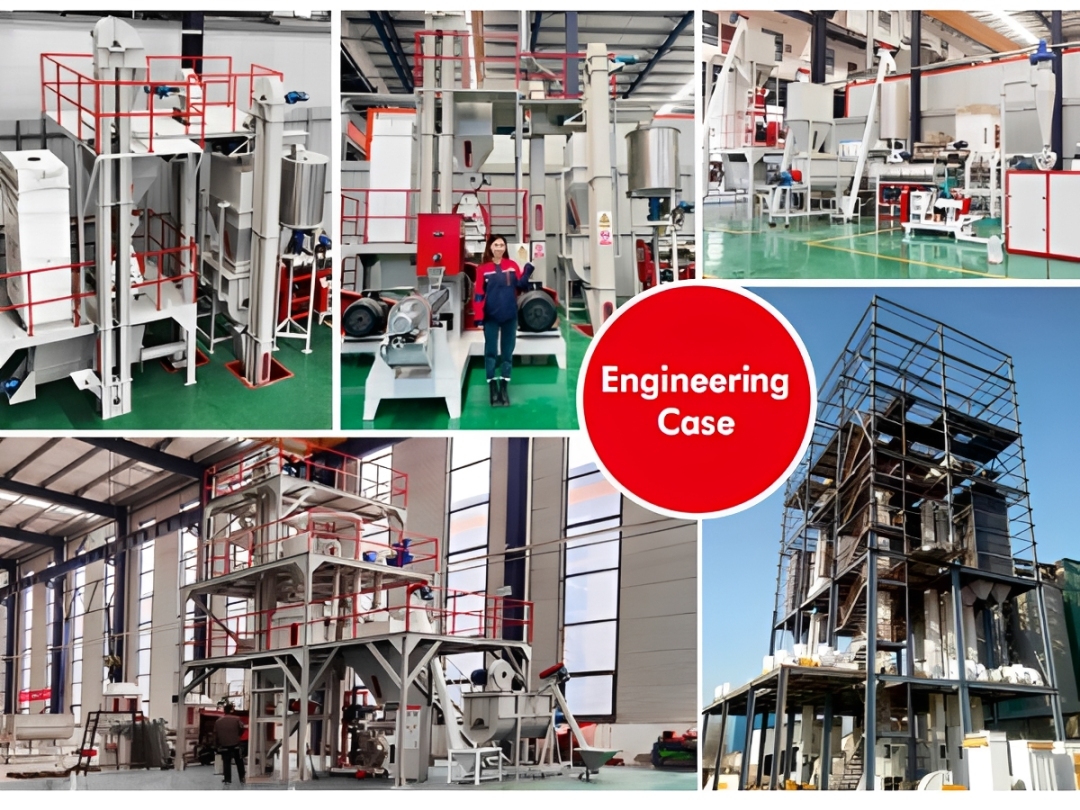
Full training is required before official start-up, covering equipment operation, routine maintenance, production process, quality inspection, safety regulations, compliance records, etc. After training, operators can independently complete the start-up, production, shutdown, cleaning, simple maintenance and other work to ensure the stable operation of the production line.
Plant Operation, Maintenance and Efficiency Optimisation
The core of long-term profitability of a feed processing plant lies in refined operation and maintenance management. Through standardised operation, regular maintenance and efficiency optimisation, the production cost can be reduced by 10%-20%, and the attendance rate of the equipment can be increased to more than 90%.
Standardised Daily Operation Management
A full set of SOP operation procedures is formulated, and the system of pre-startup inspection, quality control during production and cleaning after shutdown is strictly implemented. Real-time testing of feed moisture, particle size, and particle durability during production, and production records for each batch to achieve full product traceability and meet industry compliance requirements.
Graded Equipment Maintenance System
Establish a graded maintenance system of daily inspection, weekly maintenance, monthly overhaul and annual overhaul: daily cleaning of equipment and inspection of wearing parts; weekly lubrication of transmission parts; monthly replacement of aging sieves, hammers, and seals; and regular calibration of the dosing system to eliminate measurement errors and significantly reduce the equipment failure rate. At the same time, the core wearing parts are always available to avoid production downtime.
Production Efficiency Optimisation Techniques
1. Energy saving optimisation: Equipped with frequency conversion control system to reduce energy consumption in crushing and granulation, optimise steam parameters to reduce energy waste;
2. Process optimisation: according to the characteristics of the raw material fine-tuning grinding size, tempering temperature, granulation pressure, reduce the rate of waste;
3. Raw material control: optimize procurement channels, sign long-term supply agreements, hedge against the risk of raw material price fluctuations; standardize warehouse management, reduce raw material mould loss;
4. Data control: tracking capacity, energy consumption, yield rate, loss rate and other core KPIs, and continuously optimise the production plan.
Compliance, Marketing and Risk Avoidance
Feed processing belongs to special agricultural production industry, compliance is the bottom line of survival, marketing is the core of profitability. After the construction of the factory needs to complete the relevant record, environmental acceptance, quality system certification, follow HACCP, ISO and other industry standards, standardise product labels, production records, quality inspection reports, to eliminate production violations.
The sales side can adopt a diversified channel layout: directly docking large-scale ranches, farming cooperatives, agricultural dealers, while relying on local resources to do word-of-mouth promotion, highlighting the advantages of feed longevity through breeding trials, product comparison demonstrations, and creating a regional brand.
Risk level focus on avoiding three major problems: first, the risk of fluctuations in raw material prices, through long-term contracts, bulk purchases to hedge the risk; second, the quality risk, strict control of raw materials and finished product factory inspection; third, environmental safety risks, improve dust removal, noise reduction, sewage equipment, regular safety inspections.
Summary
Self-built beef cattle feed processing plant, is suitable for the current livestock industry upgrade of high-quality entity projects, with stable demand, risk-controllable, profitable and lasting, policy support and other multiple advantages. From the preliminary site layout, equipment selection, process construction, to the mid-term installation and commissioning, commissioning and operation, and then to the later refinement of operation and maintenance, compliance marketing, each link has a direct impact on the project’s capacity, cost and profit.
For start-ups, the priority to choose the automated production line suitable for their own production capacity, scientific planning of plant layout, the establishment of standardised production and quality control system, can quickly achieve profitability, relying on the advantages of the regional market, to build a stable and sustainable feed processing industry, in the wave of large-scale aquaculture to seize the long-lasting business opportunities.