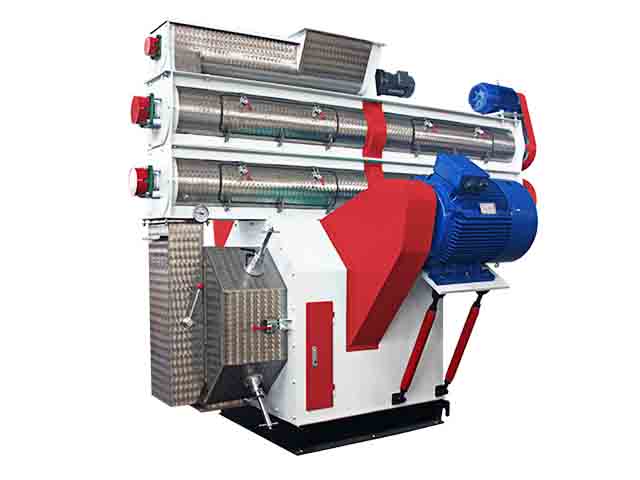
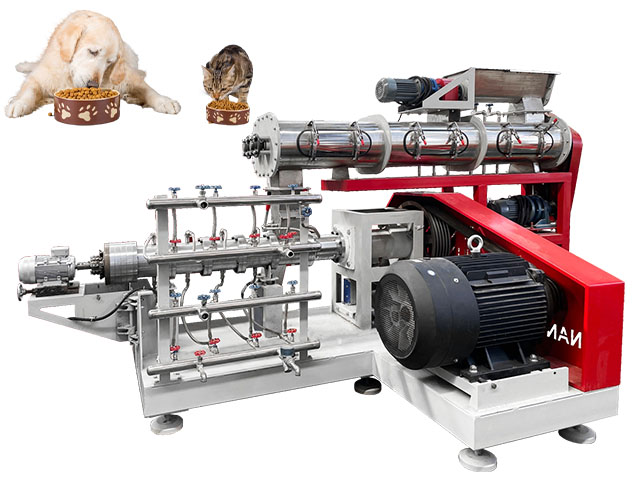
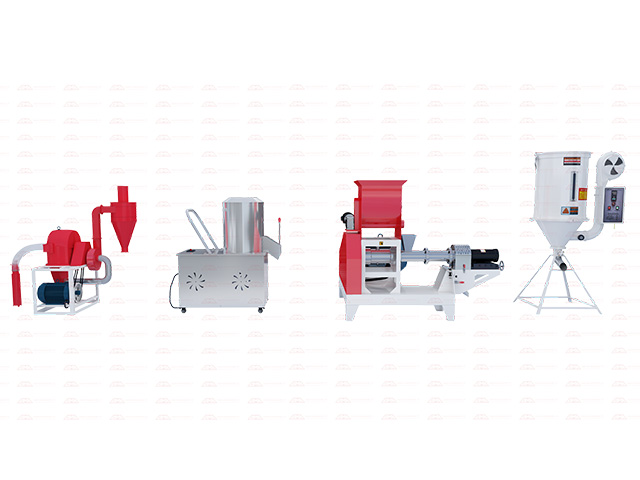
How to Take Care of a Feed Pellet Mill Die
The importance of feed pellet machine mold maintenance
Feed pellet machine mold is the core of granulation equipment high-value wearing parts, directly determine the pellet quality, production capacity and production cost. Most enterprises neglect daily mold maintenance, which is easy to cause problems such as hole plugging, defective products, equipment failure, mold scrapping in advance, and increase production loss. Standardized systematic maintenance is the key to efficient and stable operation of granulation production line. The core value is mainly divided into the following three points.
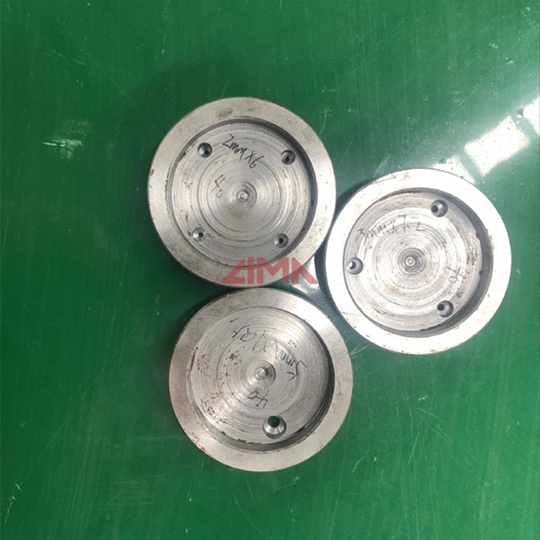
Stable production capacity and finished product quality
Standardizing the maintenance mold can ensure the efficient and stable operation of the production line and effectively avoid problems such as hole plugging, discharge jamming and productivity decline. Mold precision directly determines the quality of particle molding, normal maintenance can keep its precise structure intact, avoid loose particles, cracks, size and other defects, stabilize the quality of finished products, reduce production losses.
Extend mold life, reduce production energy consumption and cost
Mould belongs to high value wearing parts, and its wear rate directly affects the production cost of feed mill. Material wear, slag accumulation in pores, wet corrosion and improper parameter adjustment will accelerate the aging of molds. Standardized maintenance can increase the mold life by 2-3 times, effectively reducing parts procurement, disassembly time and downtime loss. At the same time, the well-maintained mold hole wall is smooth and the extrusion resistance is small, which can reduce the motor load, reduce the production energy consumption, and realize high efficiency, energy saving, cost reduction and efficiency.
Avoid chain failures and ensure safe and stable operation of production lines
Granulation process equipment investment and energy consumption is very high, mold conditions directly affect the safety and stability of production line operation. Mold cracks, orifice deformation, embedded impurities, loose assembly and other hidden dangers, will wear pressure rollers, bearings and other accessories, causing equipment vibration, sudden shutdown, and even mold cracking and other major failures. Implementing regular mold maintenance inspections can detect hidden dangers in advance, avoid equipment chain damage, ensure the smooth operation of production lines, and improve factory production efficiency.
Specification for correct use of feed pellet machine mould
Normative operation is the core premise of prolonging die life and reducing plugging and cracking. The standardized use of molds includes six key links: selection, installation, new mold running-in, gap debugging, production control, and shutdown protection, which can reduce losses from the source, stabilize production capacity and particle quality. Equipment commissioning and disassembly requires strict power-off compliance operation. The following is the detailed specification process:
Select according to demand, adapt to production conditions
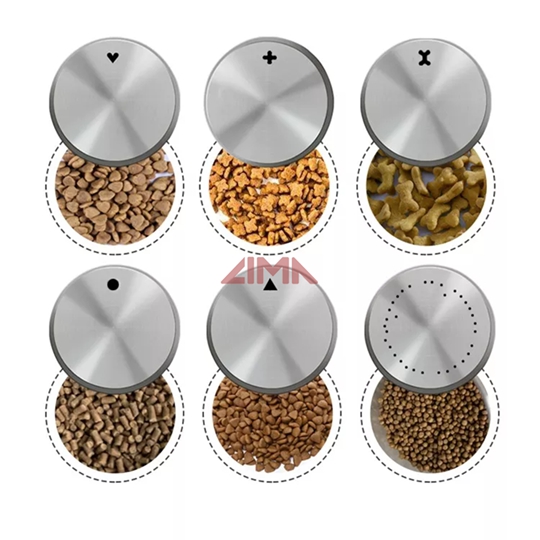
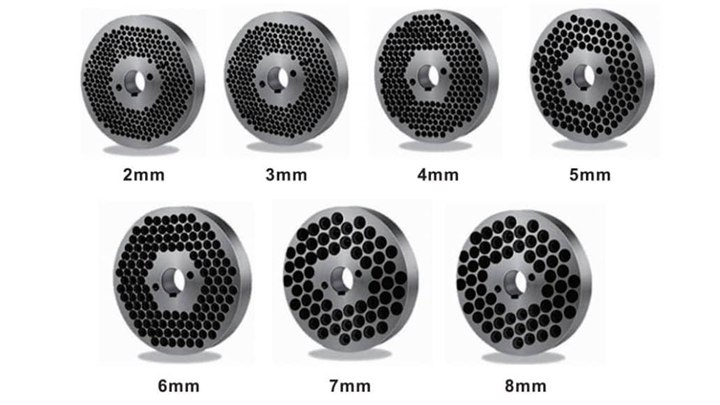
Mold selection must be accurately matched with feed formula and production conditions to reduce wear, hole plugging and quality problems from the source. High fat and low fiber soft feed is suitable for high compression ratio mold to improve particle durability; high fiber and high mineral hard feed is suitable for low compression ratio mold to reduce extrusion loss and energy consumption. Stainless steel dies are used in wet and corrosive environment, and alloy wear resistant dies are used in high strength wear conditions. Special molds are recommended when there is a large difference in feed categories, so as to avoid poor adaptability and rapid loss of general molds.
Standard installation to avoid hidden damage hazards
Non-standard installation can easily cause mold shaking, partial wear, and cracking, and strict standard construction is required. Before installation, thoroughly clean the residue and sundries of assembly parts to avoid local wear caused by foreign matters; handle with care, and it is strictly prohibited to knock and bump to prevent hidden cracks. Install accurately, tighten bolts according to standard torque to avoid loosening, shaking or excessive tightening deformation. The new mold should be matched with the press roller in good condition. Check the mold state before starting up, clean the demagnetization device, and prevent metal impurities from damaging the mold.
New mold grinding polishing, optimize molding accuracy
The new die hole wall has processing lines and low finish, which is easy to cause hole plugging and rapid wear in direct full-load production, shortening service life. Before putting into production, low speed running-in is required for 15-30 minutes, and the pores are polished with fine sand, edible oil and bran mixture until the inner wall is smooth and free of veins. After running-in, wash it clean with oily materials, and then put it into normal production.
Accurate adjustment of roller gap, balance of equipment stress
The clearance between roller and die is the key parameter of curing, which directly affects wear rate, discharge efficiency and plugging probability. The standard clearance of livestock feed is 0.1-0.3mm, and it is better to press the roller with light touch and no hard contact. Gap too tight easy to pull the mold, resulting in deformation and cracking of the orifice; gap too loose easy to slip materials, accumulation of plugging holes. Commissioning needs to stop power, ensure that the gap between the rollers is uniform, with the adjustment of cloth accessories, to achieve uniform discharge, to avoid local overload wear.
Standardize production operation and stabilize molding conditions
Improper control of production conditions will accelerate mold wear and induce failure. To start the machine, it is necessary to confirm the mold rotation, strictly control the material particle size, temperature and humidity, keep the moisture in the mold at 14%-18%, and avoid plugging holes and soft particles. Start-up low-speed preheating, steady lifting, monitoring equipment operation and particle status throughout the process, abnormal timely shutdown and troubleshooting. It is strictly prohibited to overload feeding, sudden material interruption and sudden formula change to ensure stable granulation conditions.
Standardize shutdown operation, and do a good job of finishing protection
Shutdown protection is a key step in mold maintenance, which can effectively prevent residue drying, pore corrosion and plugging. After production or shutdown for more than 30 minutes, it is necessary to run oily materials to wash the mold for 10-20 minutes, empty the residual materials in the hole and form a protective oil film to isolate water vapor and prevent corrosion. Long-term storage needs to be filled with oily materials, anti-rust sealing, to ensure smooth follow-up boot.
Lubrication and protection skills of feed pellet machine mould
Feed mold without conventional grease lubrication, core protection depends on pore oil film protection, moisture-proof storage, accessories lubrication and standardized operation, can effectively reduce wear, corrosion, dry damage, maintain mold accuracy, stable production capacity and particle quality, the specific methods are as follows:
Normalized oil film protection of pore channels to prevent drying and corrosion
Hole oil film protection is the core way of mold maintenance, suitable for shutdown, new mold running-in, disassembly before and after various scenarios. Daily available bran, rice bran and other mixed 2%-20% vegetable oil production of protective material, new mold grinding can be added fine sand auxiliary polishing. Low-speed material flushing hole, can form a protective oil film on the hole wall, isolation of water vapor and residue, effectively prevent mold corrosion, residue drying, start-up hole plugging, stable production operation.
Classified storage rust protection, extend idle mold life
Improper storage and protection of molds can easily lead to pitting corrosion, aging and scrapping, and require classified maintenance according to the length of downtime. Short-term shutdown can retain the protection of oil-containing fillers in the hole; long-term storage should be filled with oil-containing materials, coated with anti-rust oil, placed in a dry and ventilated environment. Stainless steel molds also need protection to avoid condensation moisture corrosion channels. It is necessary to replace the aged filler every 6 months to prevent the drying and hardening from causing multiple plugging.
Precision lubrication of mating parts reduces indirect wear of molds
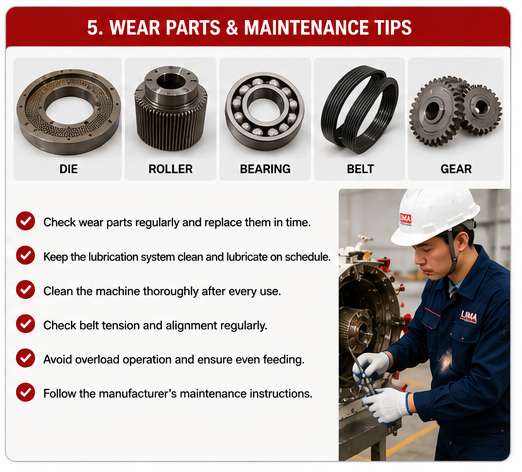
The working conditions of pressure roller, spindle, gearbox and other accessories directly affect the wear state of the mold. Special grease shall be added to the pressure roller bearing every 4-12 hours to ensure smooth operation; the core transmission parts shall be filled with suitable lubricating oil according to the manufacturer’s cycle. Equipment with automatic lubrication system should be cleaned regularly to prevent impurities from mixing, ensure uniform and stable lubrication, and reduce abnormal wear of molds.
Standard operation auxiliary protection to avoid man-made structural damage
Irregular operation can easily cause irreversible damage to the mold, so standardized protection is required. Regularly clean the demagnetization device to avoid metal impurities pulling the pore and cracking the mold. Die disassembly and handling handle gently, it is strictly prohibited to knock hidden cracks. Strictly control the temperature and humidity of material conditioning to reduce oxidation corrosion of molds. Hole plugging should be done by mild methods such as oil immersion softening and blowing cleaning. Violent disassembly is prohibited to protect mold precision and structure.
Method for detecting mould wear of feed pellet machine
Regular wear inspection is the key to preventive maintenance of molds, which can timely check hidden dangers such as wear, deformation and corrosion, and avoid problems such as mold scrapping, production capacity and quality control. After the test needs to be stopped and powered off, and the mold is cleaned, the professional tools are used to comprehensively check the working conditions and retain the data to provide a basis for maintenance and mold replacement. The specific test is divided into four parts:
Die working surface wear detection
Focus on checking the wear uniformity of the working surface of the mold, check the partial partial wear caused by uneven cloth distribution and dislocation of the deflector, and replace the faulty parts in time. Compared with the original parameters, excessive wear will reduce the molding thickness, resulting in insufficient particle density and molding rate. Check out the problems such as hole flanging and edge passivation caused by over-tightening of pressing roller and equipment shaking, which easily lead to production reduction and frequent hole plugging. At the same time, check pits, metal impurities, wear bright spots on the working surface, clean up hard foreign matters, and check out potential equipment deviation hazards.
Internal state detection of mold channel
Use flashlight to check the state of each channel in both directions, focusing on pitting corrosion, scratches, deformation, reaming and other defects on the hole wall. Corrosion and scratches will increase extrusion resistance and reduce particle quality. Calipers accurately detect pore diameter, pore diameter exceeds the standard will cause insufficient compression ratio, loose particles, powder increase. At the same time, check the blockage of the pore to avoid the partial wear of the pressure roller and the shaking of the equipment.
Inspection of clearance between assembly joint surface and structure
Clean up the mold assembly contact surface, check wear, bump, clearance and other defects, such as mold shaking offset, resulting in orifice deformation, fatigue cracking and abnormal wear. Check the bolt torque, eliminate loose, sliding thread and other problems, ensure that the mold fits tightly, the assembly is correct, and reduce abnormal loss from the source.
Overall structural integrity testing of molds
Comprehensive inspection of key parts of the mold, check cracks, deformation, spalling and other structural defects, fine cracks easy to expand under high pressure conditions, causing mold cracking, equipment damage, found defects immediately shut down. When the working condition formula is unchanged, if the current rises, the productivity declines, the particle quality is unstable, etc., even if there is no obvious wear, it also represents that the mold has hidden aging, and it is necessary to strengthen the detection and key maintenance.
Prevention scheme of mould hole blockage of feed pellet machine
Die hole plugging is a frequent fault in feed production, which will cause productivity decline, energy consumption increase, defective products increase, but also easy to cause equipment overload, mold and roller damage and other chain faults. Most of the incentives are improper control of raw materials, working conditions, operation and maintenance, which can be effectively prevented through systematic control to ensure stable production. Specific prevention and control measures are as follows:
Strictly control the quality of raw materials and do a good job in pretreatment
Strict control of raw material quality can prevent plugging from the source. Material particle size should be adapted to mold aperture, screen out hard impurities such as caking, sand, etc.; regularly clean the demagnetization device to prevent metal foreign matter from pulling and blocking the pore. High fat and high viscosity materials need to be stirred evenly to prevent viscous lumps from adhering to the hole wall and causing plugging.
Optimize conditioning parameters to stabilize moisture temperature of materials
Temperature and humidity imbalance is the main cause of plugging holes, material too dry resistance is easy to plug holes, too wet viscosity is easy to adhere to the hole wall agglomeration. The moisture content of livestock feed should be controlled at 14%-18%, and the cold water condition should be stable at 14%, avoiding the high risk range of more than 18%. Keep steam clean and stable, sufficient conditioning time, promote starch gelatinization of materials, make materials easy to extrude and shape, effectively reduce plugging holes.
Adapt mold parameters, match production feed formula
Die parameters and formula inconsistent easy to cause plugging, according to the characteristics of the material to adapt the compression ratio: high fiber hard materials with low compression ratio die to reduce resistance discharge; high fat soft materials with high compression ratio die, both molding and smooth. The new mold must be polished to remove burrs, and the old mold should be cleaned regularly to improve hole wall defects, reduce material adhesion, and eliminate continuous hole plugging.
Adjust equipment clearance to ensure uniform distribution conditions
Imbalance of roller gap and uneven cloth are easy to cause local plugging. Production needs to strictly control 0.1-0.3mm standard clearance, too loose clearance easy to slip material accumulation, too tight easy to cause orifice deformation, discharge blocked. Regularly check and replace the aging and deformed cloth accessories to ensure uniform cloth distribution on the working surface of the mold, and at the same time keep the gap between the rollers consistent to ensure stable stress and discharge of the equipment.
Standardize operating procedures and implement standard start-up and shutdown procedures
Improper start-up and shutdown and production control are easy to cause batch plugging. Start up the equipment, low speed feeding to stabilize the machine, and then gradually lift the material, prohibit full load startup; production to maintain constant feeding, real-time monitoring of equipment conditions and timely correction. Before shutdown, flush the pore with oily materials to avoid drying and blocking of residual materials. The replacement of formula requires steady adjustment of parameters and smooth transition of production conditions.
Judgment on the Time of Changing the Mould of Feed Pellet Machine
The service life of feed mold is affected by materials, working conditions and maintenance, and the conventional one is 500-2500 hours, without fixed cycle replacement. It can comprehensively judge the timing of mold replacement from three aspects of production performance, physical wear and safety cost, avoid waste or extended service, and accurately control the replacement node. The specific standards are as follows:
Production performance attenuation, production quality is not up to standard
When the production conditions remain unchanged, the equipment capacity decreases by 15%-20% and the conventional maintenance cannot be repaired, the particle quality continues to deteriorate, the powder material increases, the quality is not up to standard, and the equipment energy consumption and operating current remain high, indicating that the mold performance is completely declining, reaching the service limit, and it needs to be replaced immediately.
Physical wear exceeds the standard, and irreversible damage occurs to the structure.
The mold is subject to severe irreversible wear and structural deformation and must be forcibly replaced. Deep wear of working face, no adjustment allowance of pressure roller gap, hole flanging closure, hole deformation and reaming, thinning of rib position will lead to compression ratio failure and abnormal discharge; large-area corrosion and scratch of hole wall will cause repeated hole plugging. Mold cracks, warpage, spalling and other defects, there is a risk of cracking, equipment damage, must be immediately shut down for replacement.
Safety cost exceeds standard, renovation reuse cost performance is extremely low
From the point of view of efficiency and safety, when the comprehensive loss of energy consumption, defective products, maintenance and parts wear caused by overdue use of molds far exceeds the replacement cost, it needs to be replaced in time. Mold with hidden cracks, structural deformation and other safety hazards must be replaced immediately regardless of the degree of wear. Severe aging, unable to repair or refurbished stability, poor life of the mold, reuse cost performance is extremely low, it is recommended to replace directly.
Standard for routine maintenance frequency of feed pellet machine mould
There is no uniform cycle for mold maintenance. It is necessary to formulate a graded maintenance scheme in combination with production time, material wear and working load. Through daily inspection, periodic maintenance and in-depth maintenance, it can adapt to production requirements and prolong mold life. Specifically divided into four standardized maintenance modules:
Normalized basic maintenance per shift per day
Daily basic maintenance shall run through each shift of production, real-time monitoring of equipment current, mold temperature, discharge and particle quality, timely detection of hidden dangers; cleaning demagnetization device every shift to prevent metal foreign matter from damaging molds. Wash the pore with oily materials after shutdown every day to form protective oil film; check the mold working condition and roller gap before startup to ensure stable production.
Weekly downtime Periodic comprehensive inspection
Weekly shutdown to carry out comprehensive inspection, clean up the residual material of the pore, dredge the blocked hole, check the wear of the working surface of the mold, pitting, orifice deformation and other hidden dangers. Check and replace aging cloth accessories to ensure uniform blanking; check bolt torque, check equipment offset and shaking problems, check pressure roller wear, avoid scratching molds, and ensure equipment matching accuracy.
Monthly regular in-depth inspection and maintenance
Deep maintenance shall be carried out every month or 200-500 hours of equipment operation. Measure die thickness, bore wear data and file comparison, check assembly parts wear and clearance; evaluate die working conditions combined with productivity, energy consumption and quality data. Reversible mold balanced wear, polishing repair of slightly damaged channels, recovery of molding accuracy.
Quarterly annual shutdown special maintenance
Special maintenance shall be carried out during mold replacement, overhaul and quarterly and annual downtime. Dismantling molds need to be fully tested to determine refurbishment or scrap; molds can be cleaned and polished, recoated with rust preventive oil, and stored separately. Optimize the maintenance standard by combining the annual maintenance and loss data and production formula conditions. Long-term storage mold every six months to replace the protective filler, to avoid dry caused by plugging holes, wear problems.
Feed pellet machine mold maintenance common mistakes
Improper adjustment of nip. The gap is too tight to cause direct metal friction, causing hole flanging, mold strain, stress cracks; the gap is too loose to cause material slip, poor discharge, frequent hole plugging; only unilateral debugging, uneven multi-roll gap, resulting in partial partial wear of the mold, greatly shortening the overall service life, is the most common, the highest loss of maintenance errors.
Omit shutdown oil protection process. After production, stop directly, do not wash oily materials, dry and harden the residual feed in the hole, not only easy to block the hole next time, but also cause corrosion and pitting of the hole wall, long-term accumulation leads to the scrapping of the mold channel, greatly reducing the service life of the mold.
The new mold skips the running-in process. The new mold is directly produced at full load, and the residual machining lines will increase the friction resistance of the material, cause frequent hole plugging at the initial stage, and the rapid wear of the hole wall, and fail to reach the design service life of the mold, resulting in premature aging of the new mold.
Dismantling and handling are not standardized. The use of hammers to knock the mold, violent disassembly, random stacking, resulting in mold hidden cracks, metal fatigue, end deformation, mold cracking, shaking deviation, abnormal wear and other problems easily occur during operation. Die mounting bolts are too loose and too tight, assembly surface cleaning is not clean, resulting in uneven die force, is one of the core incentives for die sudden damage.
Ignoring impurities and raw material control. Long-term non-cleaning of demagnetization equipment, non-screening of sand and gravel impurities, hard foreign matter embedded in the mold channel, resulting in hole wall strain, pits, holes, damage to the precise structure of the mold; long-term non-standard material particle size, moisture, continue to increase the risk of mold wear and hole plugging.
Inspection and maintenance are not timely. Long-term do not detect the wear state of the mold, only by the naked eye to judge the state of the equipment, ignoring hidden wear and internal damage of the pore; extended operation with illness, until the production capacity, quality collapse before shutdown maintenance; no production and maintenance data archive, unable to accurately judge the replacement and maintenance timing.
The core skills of prolonging the service life of feed pellet machine molds
Formula adaptation precise mold selection. The mold aperture, compression ratio and material are matched in strict accordance with the material characteristics. Hard and wear-resistant materials are suitable for low compression ratio alloy molds, and soft high-fat materials are suitable for high compression ratio molds; exclusive molds are equipped for formulas with large differences to avoid universal molds. Overload loss; the new mold is used simultaneously with the new press roller to ensure even wear.
Strictly implement new mold running-in. All new dies must be polished at low speed for 15-30 minutes before they are put into production, thoroughly remove machining lines, polish smooth hole walls, and then switch to normal production to reduce the probability of initial wear and plugging from the source.
Normalized calibration of roll gap. Insisting on checking every shift and regularly calibrating the standard gap of 0.1-0.3mm to ensure that the multi-roll gap is uniform, light touches do not touch hard, and prevent dry metal friction and material slipping are the core and most efficient skills to extend the life of molds and pressure rolls.
Maintain daily oil film protection. Strictly implement the oil-containing material washing system for each shift shutdown, thoroughly empty the residue in the hole, form rust-proof and anti-drying oil film; fill protective materials and seal rust-proof for long-term shutdown, and eliminate corrosion and aging of molds during idle period.
Early detection and early repair to avoid minor faults. Normalized inspection of mold working surface, pore, assembly structure, timely cleaning of embedded metal, repair of slight wear, adjustment of offset parts; regular turnover of the mold when the equipment allows, balance the overall wear; slight wear of the mold can be professionally polished, trimmed and refurbished to extend the service life of more than 50%.
Standardize disassembly and storage operations. Handle gently in the whole process to prevent violent knocking and falling collision; install and clean the joint surface thoroughly, accurately control the bolt torque to avoid mold shaking and stress deformation; store the idle mold in a standard dry manner, and regularly update the protective layer.
Epilogue
The core of feed mold maintenance is normalization and standardization of pre-control, rather than post-maintenance. The core of this paper can be summarized as seven key points: mold selection and adaptation, standard operation, scientific protection, accurate detection, timely mold replacement, graded maintenance and avoidance of mistakes. During production, it is necessary to match mold parameters as required, implement specifications such as new mold running-in, gap calibration, shutdown mold protection, etc., strictly control raw materials and working conditions to prevent hole plugging; implement graded inspection maintenance, accurately judge the timing of mold replacement in combination with production status, and avoid maintenance errors. The whole process of fine management can effectively reduce mold failure, prolong service life, stabilize product quality, reduce cost and consumption, and ensure safe and efficient operation of granulation production line.