How to Make Pig Feed?
- The Importance of Swine Feed in Swine Farming
- Analysis of Swine Nutritional Requirements
- Selection of Common Pig Feed Ingredients
- Example of a Basic Swine Feed Formula
- Pig Feed Production Process
- Comparison and Selection Between Powdered and Pelleted Feed
- Common Issues and Solutions in Swine Feed Production
- Guide to Selecting Pig Feed Production Equipment
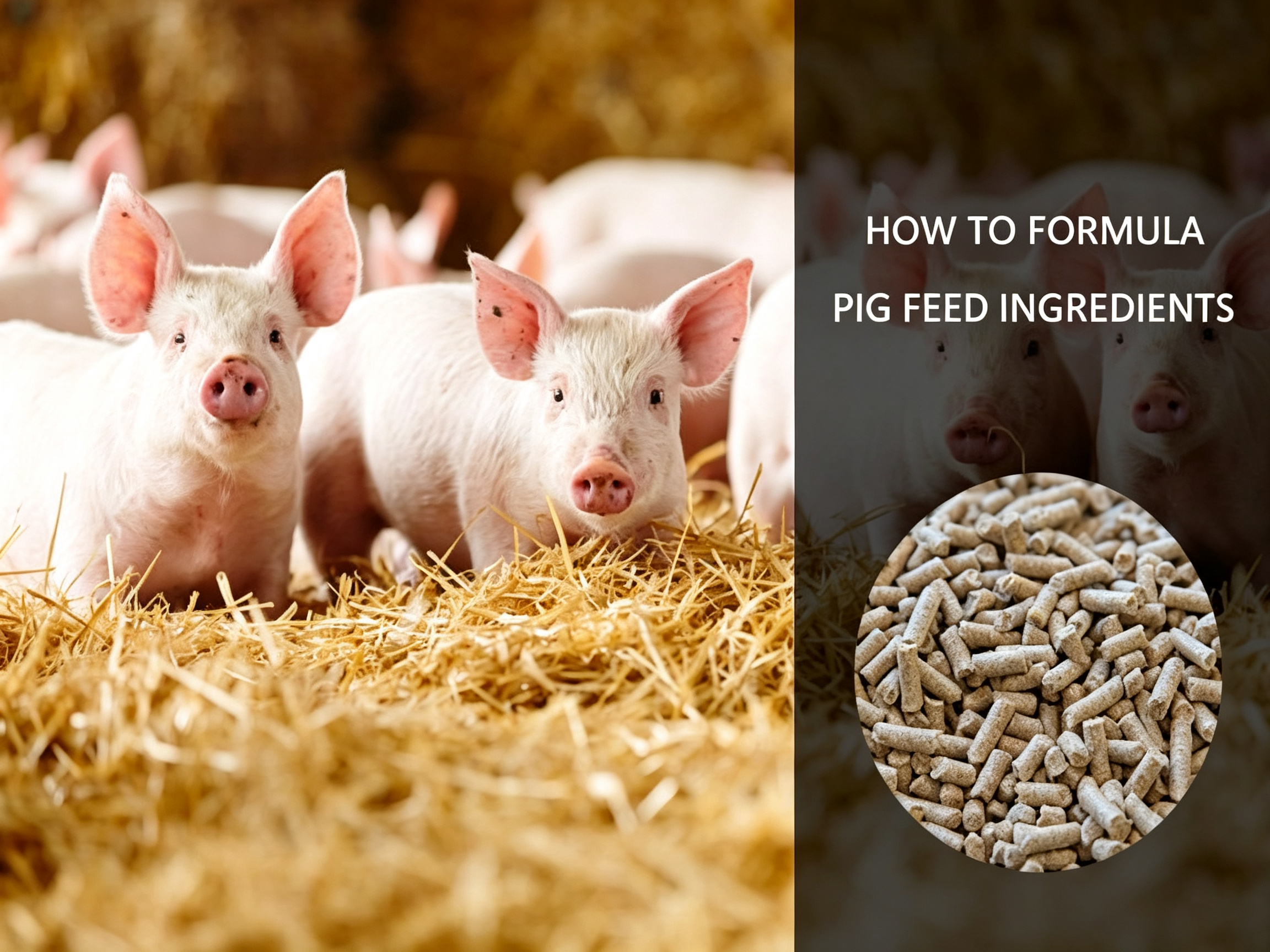
Throughout the entire swine farming industry chain, the production and quality of pig feed directly determine farming profitability, pig health, and market-ready quality. It is a core technology that large-scale pig farms, small- and medium-sized farmers, and feed processing plants must master. Making your own pig feed not only allows for precise matching of nutritional needs at different growth stages but also enables the flexible use of local ingredients and control of production costs, while scientific processing techniques and appropriately matched production equipment are key to ensuring feed conversion efficiency and reducing farming losses. This article will provide a comprehensive and systematic explanation of the core aspects of swine feed production—covering importance, nutritional requirements, raw material selection, formulation design, production processes, comparisons between powdered and pelletized feed, solutions to common problems, and equipment selection—to offer industry professionals practical, actionable technical guidance that helps improve feed quality and farming profitability.
The Importance of Swine Feed in Swine Farming
Swine feed is the core input in swine farming and a key factor determining the success or failure of the operation. Its cost accounts for 60%–75% of total swine farming expenses, and in some high-density, large-scale farming scenarios, this proportion can reach as high as 80%. Optimizing feed production and management is the key to reducing costs and increasing profits. Scientifically formulated swine feed provides pigs with comprehensive and balanced nutrition, supporting growth and development, reproduction and lactation, and immune function. Conversely, feed with nutritional deficiencies or imbalanced formulations can directly lead to problems such as stunted growth, increased feed-to-meat ratios, weakened immunity, and reproductive disorders, significantly increasing farming risks and disease prevention costs.
From a growth and development perspective, as monogastric animals, pigs have extremely high requirements for energy, protein, and amino acids. Precise nutritional supply tailored to different life stages ensures rapid weight gain in piglets, efficient muscle growth in finishing pigs, and maintains good body condition in breeding stock. From a health and disease prevention perspective, nutritionally balanced feed strengthens the pigs’ innate immunity, reduces the incidence of intestinal and respiratory diseases, lowers the use of veterinary drugs, and enhances biosecurity on the farm. From the perspective of reproductive performance, the nutritional content of feed during a sow’s gestation and lactation periods directly affects litter size, piglet survival rates, and milk production, serving as the foundation for ensuring the continuity of the breeding herd and stable production capacity. In terms of meat quality, a well-formulated feed can increase lean meat percentage and improve meat flavor, making market-ready hogs better aligned with market demand and enhancing the potential for product premium pricing. From the perspective of operational efficiency, high-quality feed reduces feed wastage and lowers the risks of dust and mold. When combined with automated feeding equipment, it can significantly improve farm management efficiency, achieving the goals of cost reduction and efficiency gains. As such, the production of swine feed is not merely a simple mixing of raw materials, but a systematic process that integrates nutrition, processing techniques, and equipment technology, spanning the entire swine production cycle.
Analysis of Swine Nutritional Requirements
Swine growth and reproduction require six major categories of core nutrients, and these requirements vary significantly across different growth stages, breeds, and rearing environments. The formulation of swine feed must be based primarily on nutritional requirements, with precise formulation guided by the NRC Swine Nutrition Requirements (2012 Edition) to avoid nutritional excess or deficiency.
1. Water Requirements
Water is the most critical nutrient for pigs; their water intake is 1.5–3 times their feed intake. Water deprivation can rapidly lead to a decline in feed intake, stunted growth, or even death from dehydration. Piglets require 0.5–2.5 liters of water daily; growing pigs weighing around 50 kg require 5–12 liters; finishing pigs require 12–20 liters or more; gestating sows require 12–25 liters; and lactating sows, due to their lactation requirements, may consume 10–30 liters or more per day. A 24-hour supply of clean, fresh drinking water must be ensured throughout the rearing process. Water intake should be appropriately increased during hot seasons or when feeding high-salt diets. Nipple drinkers are the preferred drinking equipment to prevent water contamination and waste.
2. Energy Requirements
Energy is the source of power that enables pigs to maintain their basal metabolism, growth, and reproduction. It is typically measured in terms of metabolizable energy (ME) or net energy (NE) and is primarily provided by carbohydrates and fats. Piglets have small gastrointestinal capacities and require high-energy-density feed; energy requirements for growing and finishing pigs are gradually adjusted; and energy intake for sows must be controlled to prevent excessive fat accumulation. In conventional swine feed, the metabolic energy standard for growing pigs is 3,000–3,400 kcal/kg. Excess energy leads to excessive fat deposition and a lower lean meat percentage, while insufficient energy results in slow growth and a prolonged rearing cycle.
3. Protein and Amino Acid Requirements
Protein is the key building block for muscle growth and organ development, while amino acids are the basic building blocks of protein. Among these, lysine, methionine, threonine, and tryptophan are essential amino acids, with lysine being the first limiting amino acid, directly affecting protein utilization. For piglets (5–25 kg), the crude protein requirement is 18%–22%, and the lysine content is 1.3%–1.7%; growing pigs (25–75 kg) require 15%–18% crude protein and 1.0%–1.2% lysine; finishing pigs (75 kg and above) require 13%–15% crude protein and 0.7%–0.9% lysine; For gestating sows, crude protein should be 13%–15%, while for lactating sows, it should be increased to 16%–18% to ensure adequate milk production. When formulating feed, attention should not be limited to crude protein content alone; equal emphasis must be placed on amino acid balance. By adding synthetic amino acids, low-protein diets can be formulated, thereby reducing raw material costs.
4. Mineral Requirements
Minerals are divided into macrominerals and trace minerals. Among macrominerals, calcium and phosphorus are essential for skeletal development; the calcium-to-phosphorus ratio should be maintained at 1.1–1.3:1. For growing pigs, calcium content is approximately 0.66%, total phosphorus is approximately 0.56%, and salt should be added at a rate of 0.2%–0.5%. Trace minerals include zinc, iron, copper, manganese, selenium, and iodine, among others. They are added via premixes; deficiencies can lead to skin keratinization, anemia, and reproductive disorders, while excesses can cause toxicity, so additive levels must be strictly controlled.
5. Vitamin Requirements
Vitamins play a role in regulating pigs’ metabolism and are classified into fat-soluble vitamins (A, D, E, K) and water-soluble vitamins (B complex, biotin, folic acid, choline). Since vitamin content in grain ingredients is insufficient, supplementation through specialized premixes is essential. Vitamin deficiencies can lead to growth retardation, weakened immunity, and abnormal skeletal development; piglets and breeding stock are particularly sensitive to vitamin requirements.
Selection of Common Pig Feed Ingredients
The selection of pig feed ingredients must balance nutritional value, palatability, digestibility, cost, and local supply capacity. The core categories are divided into five major groups: energy sources, protein sources, fiber sources, mineral and vitamin premixes, and functional additives. Mainstream formulations are based on a corn-soybean meal combination, with flexible adjustments made to incorporate local agricultural byproducts.
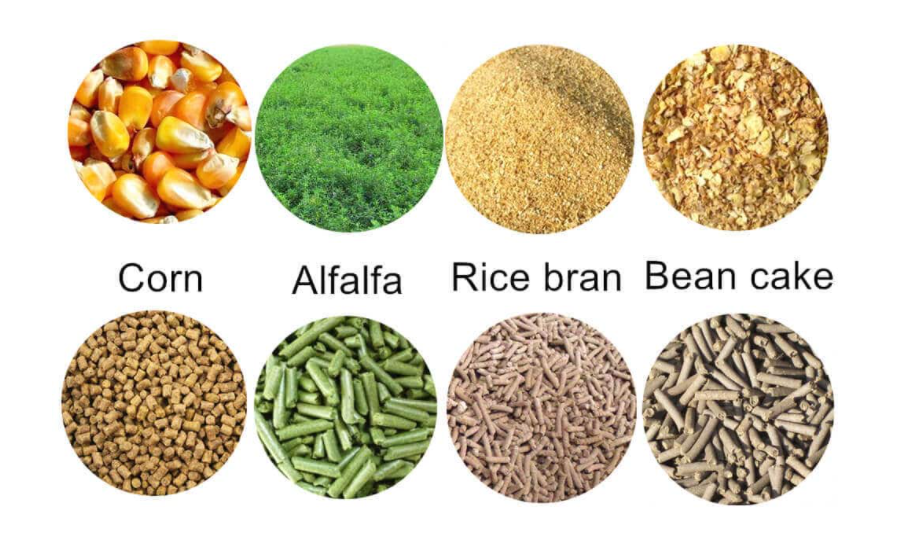
1. Energy Sources
Energy sources account for 50%–70% of the total feed volume and are the primary source of calories. Corn is the most widely used energy source globally; with its high energy density, good palatability, and ease of digestion, it is the preferred choice for swine feed. Wheat, barley, sorghum, and broken rice can serve as substitutes for corn. While wheat has a higher protein content than corn, enzyme preparations must be added to break down xylan. Sorghum contains tannic acid, so it should not be ground too finely. Processing by-products such as rice bran, wheat bran, cassava flour, and bakery by-products can reduce feed costs. Among these, rice bran is rich in vitamins and fats, while cassava flour has a high starch content and must undergo detoxification before use; oils and fats (soybean oil, lard, animal fats) should be added at a rate of 2%–5% to increase energy density, making them suitable for piglets and high-performance herds.
2. Protein Sources
Protein sources are the primary source of amino acids. Soybean meal is the gold standard, with a crude protein content of 44%–48% and a balanced amino acid profile; it accounts for 15%–25% of the feed. Mixed meal sources such as canola meal, cottonseed meal, peanut meal, sunflower meal, and DDGS can partially replace soybean meal to reduce costs. “Double-low” canola meal can be substituted at a rate of 60%–80%, while dephenolized cottonseed protein can be substituted at a rate of 60%; however, usage must be controlled and amino acids supplemented. Animal proteins such as fish meal, whey powder, and blood meal have high digestibility and palatability and are commonly used in piglet feed to improve gut health and growth rates.
3. Fiber Ingredients
Fiber ingredients help regulate gut health and increase satiety, preventing selective eating and indigestion in pigs. Commonly used ingredients include wheat bran, rice bran, DDGS, alfalfa meal, and beet pulp. Wheat bran has a soft texture and is rich in B vitamins; it is typically added at a rate of 5%–10%. DDGS provides a combination of energy, protein, and fiber and is a common ingredient in large-scale pig farms; the addition rate for finishing pigs can reach 20%, but mycotoxin testing must be conducted. Fiber content should not be too high, as this can reduce nutrient digestibility; fiber content in piglet feed must be strictly controlled.
4. Mineral and Vitamin Premixes
Premixes are the “nutritional core” of feed, containing macrominerals (limestone, calcium hydrogen phosphate, table salt), trace minerals, and vitamins. Small- and medium-sized farmers should use specialized premixes directly (at an inclusion rate of 0.5%–1%) to avoid nutritional imbalances, while large feed mills can formulate their own precise blends.
5. Functional Additives
Although used in small quantities, additives play a critical role. They include synthetic amino acids, enzyme preparations (phytase, protease), probiotics, acidifiers, mold inhibitors, and antioxidants. These additives improve digestibility, protect the gut, and extend feed shelf life, aligning with the trends toward green farming and low-protein diets. Before all raw materials are accepted, they must be tested for moisture content (≤14%), mold, impurities, and mycotoxins. Stones and metal foreign objects must be removed using cleaning equipment to ensure raw material safety.
Example of a Basic Swine Feed Formula
Formulation design must follow the principles of “stage-appropriate, nutritionally balanced, and cost-optimized.” The following is a corn-soybean meal-based basic formula; in actual application, adjustments should be made based on raw material nutritional analysis data, pig breed, and rearing environment. It is recommended to optimize the formula using formulation software or by consulting a nutritionist.
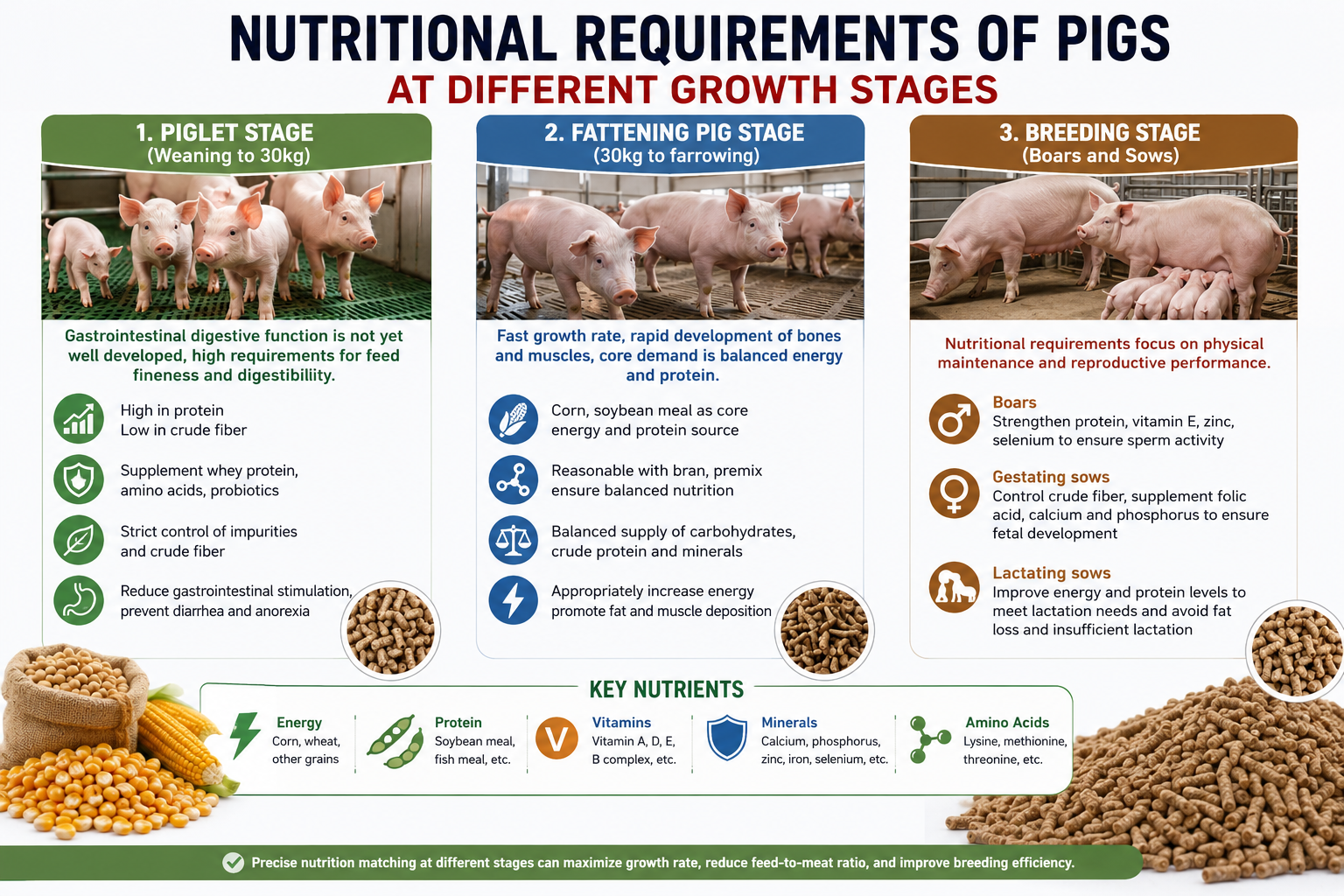
1. Piglet Feed (5–25 kg)
At this stage, piglets have delicate digestive systems and grow rapidly, requiring a highly nutritious, easily digestible formulation with 18%–22% crude protein and 1.3%–1.6% lysine. Formulation: Corn 50%–60%, soybean meal 20%–30%, whey powder 5%–15%, fish meal 0%–5%, vegetable oil 2%–5%, calcium hydrogen phosphate and limestone 2%–4%, vitamin and mineral premix 0.5%–1%, supplemented with synthetic lysine and methionine.
2. Grower Pig Feed (25–75 kg)
As the gastrointestinal tract matures, protein levels are gradually reduced and energy levels increased; crude protein 15%–18%, lysine 0.9%–1.1%. Formulation: Corn 65%–70%, soybean meal 20%–25%, wheat bran or DDGS 5%–10%, calcium hydrogen phosphate 1%–1.5%, limestone 0.5%–1%, salt 0.3%–0.5%, premix 0.5%–1%, with synthetic lysine added as needed.
3. Finisher Swine Feed (75 kg and above)
Focuses on promoting muscle growth and weight gain, optimizing meat quality, and reducing protein content and costs; crude protein 13%–15%, lysine 0.7%–0.9%. Formulation: Corn 70%–75%, soybean meal 15%–20%, DDGS or wheat bran 5%–10%, calcium hydrogen phosphate and limestone powder 2%–3%, premix 0.5%–1%; the proportion of miscellaneous meal can be appropriately increased.
4. Gestating Sows Feed
Control body condition; high fiber content to prevent constipation; crude protein 13%–15%. Formula: Approximately 65% corn, approximately 15% soybean meal, 15% wheat bran, calcium hydrogen phosphate, limestone powder, and salt as needed; premix 1%. Daily feeding amount: 4–5 jin; avoid overfeeding.
5. Lactating Sows’ Feed
High-nutrient, high-energy formula to support lactation; crude protein 16%–18%. Formula: Corn 60%–65%, soybean meal 20%–25%, oilseed meal 3%–5%, wheat bran as needed, and sufficient minerals and premix to increase feed intake and reduce weight loss in sows.
Pig Feed Production Process
Pig feed production ranges from simple processing at small-scale farms to automated production at large-scale factories; the core processes remain consistent. These include raw material reception, cleaning, grinding, batching, mixing, pelleting (optional), cooling and screening, and storage and packaging—each step directly impacts feed quality.
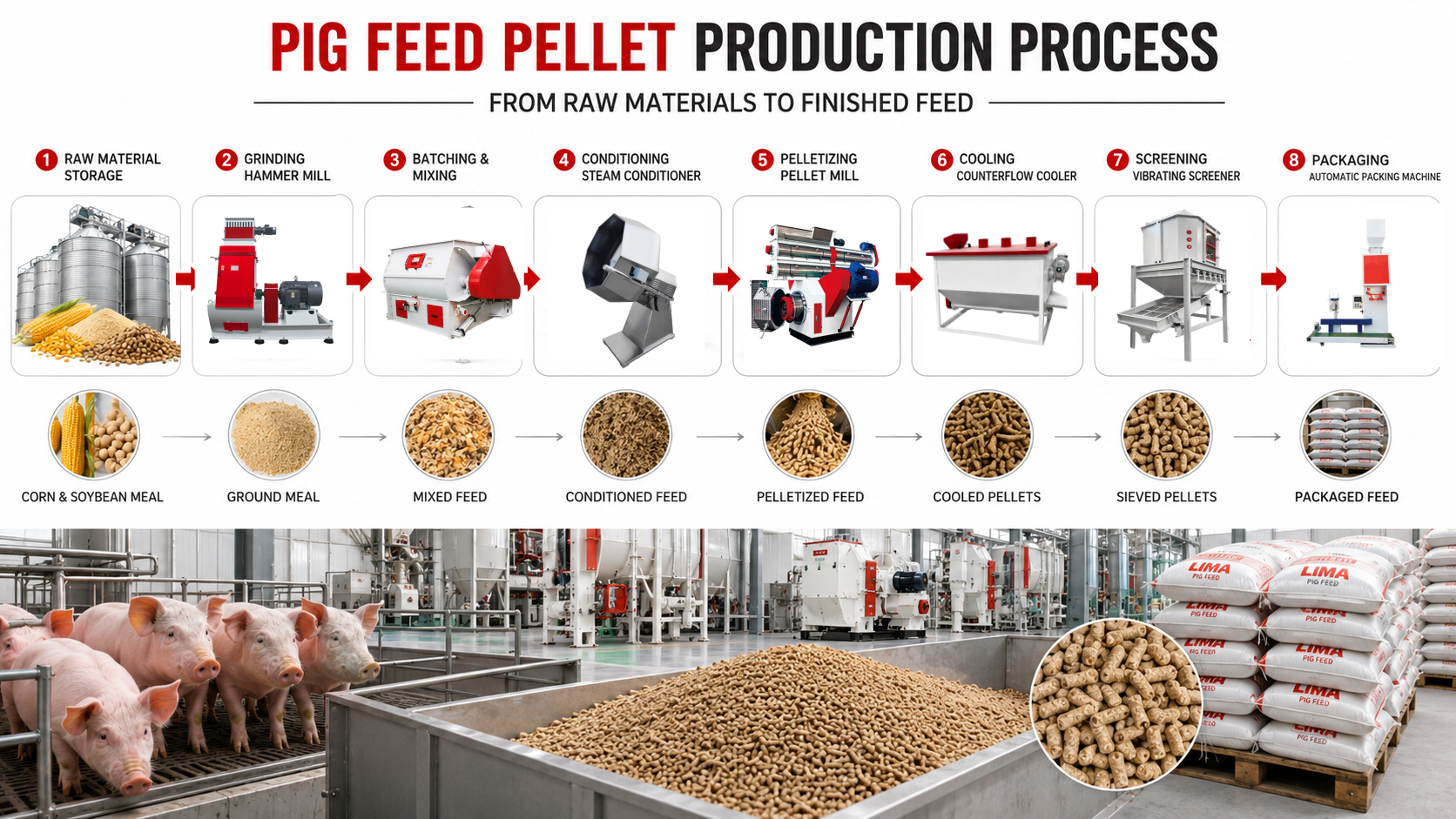
1. Raw Material Receiving and Quality Inspection
Raw materials are sourced from reputable suppliers. Upon arrival, they are tested for moisture content, mold, impurities, nutritional components, and mycotoxins. After passing inspection, they are sorted and stored in dry, well-ventilated silos or warehouses, following the first-in, first-out (FIFO) principle to prevent spoilage.
2. Cleaning and Pretreatment
Vibrating screens and permanent magnet separators are used to remove impurities such as stones, soil, metal, and corn cobs from the raw materials to prevent damage to processing equipment. At the same time, pre-treatment processes—such as drying and detoxification—are performed on meal and grain to improve digestibility.
3. Grinding Process
Grinding is key to improving digestibility. The optimal particle size for swine feed is 600–1,200 micrometers, while piglets require a finer particle size. Grinding equipment includes hammer mills and roller mills. Hammer mills are highly versatile, have high throughput, and are suitable for a wide range of raw materials; roller mills produce uniform particle sizes, have low energy consumption, and generate minimal dust, making them suitable for large-scale production. Grinding must avoid producing particles that are too fine—which can lead to excessive dust and gastrointestinal adhesions—or too coarse, which reduces digestibility.
4. Batching and Weighing
Raw materials must be precisely measured according to the formulation. Small-scale farms use electronic scales, while large-scale facilities employ automated batching systems, with measurement errors ≤0.05%. Trace additives must first be premixed with carriers such as wheat bran before being added to the main ingredients to prevent localized concentration spikes.
5. Mixing Process
Mixing uniformity is a key indicator; the coefficient of variation (CV) must be <10% to ensure consistent nutrition in every batch of feed. Mixing equipment is categorized as vertical or horizontal (screw ribbon or paddle type); vertical mixers are suitable for small batches, while horizontal mixers offer high efficiency, low residue, and ease of cleaning. The feeding sequence is bulk ingredients first, followed by trace ingredients, with a mixing time of 3–10 minutes. After completion, take samples to test for uniformity and clean the equipment promptly to prevent cross-contamination.
6. Conditioning and Pelleting (Optional)
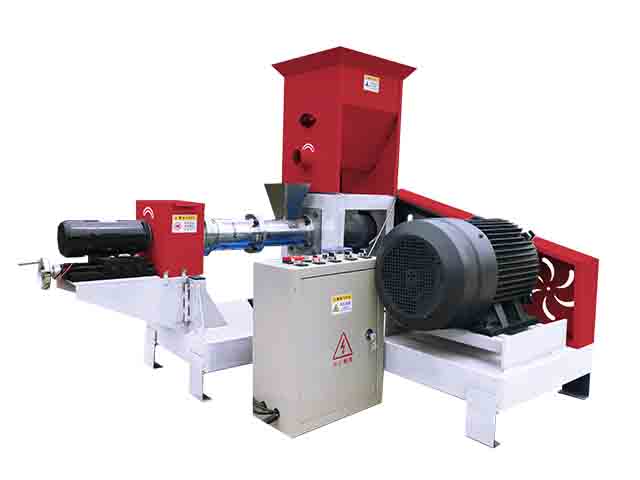
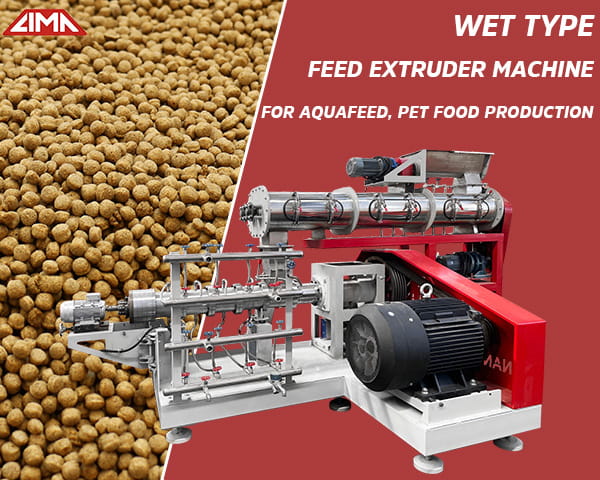
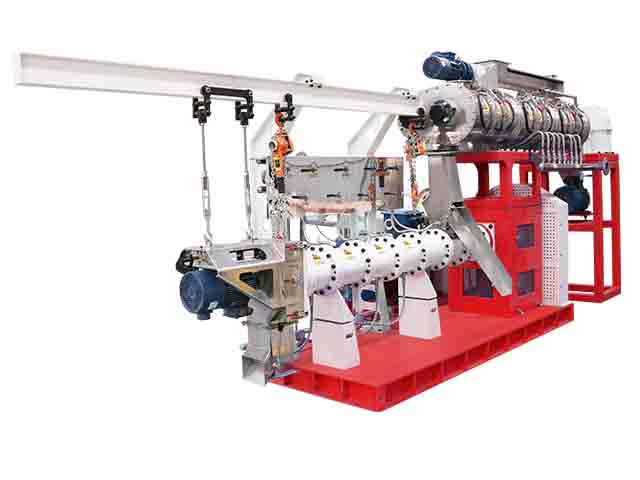
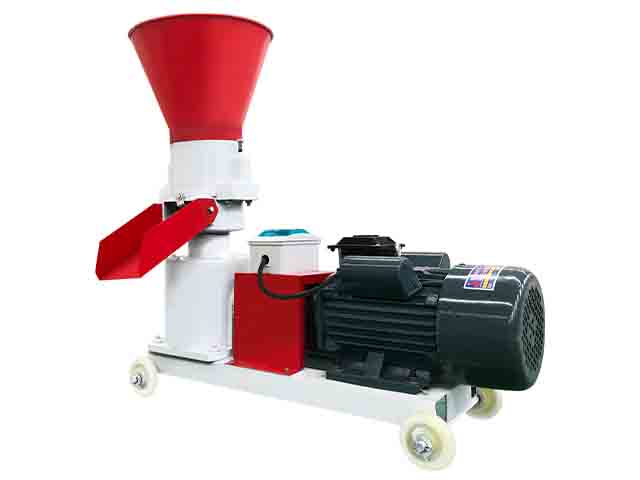
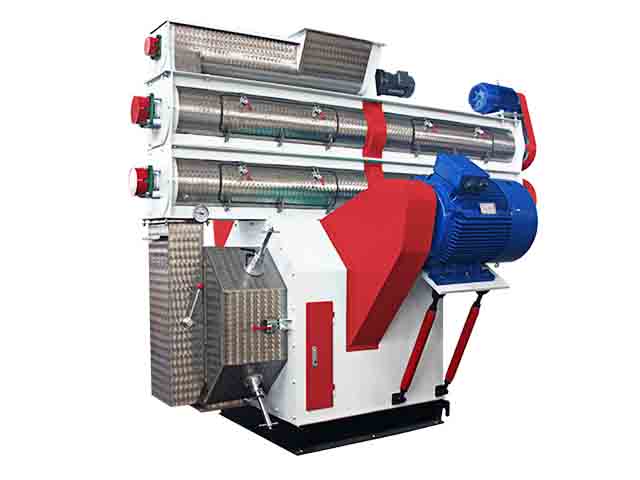
Pelleted feed offers significant advantages. Conditioning involves heating the ingredients with steam at a temperature of 70–90°C and a moisture content of 12%–14% to gelatinize the starch, thereby improving binding properties and digestibility. Pellet mills are categorized as flat-die or ring-die types. Flat-die mills are suitable for small-scale farms (50–800 kg/hour), while ring-die mills are suitable for medium- to large-scale production (0.5–15 metric tons/hour or more). Pellet diameter should be adjusted according to the type of pig: 2.5–3 mm for piglets and 4–6 mm for finishing pigs.
7. Cooling and Screening
Freshly pelletized feed is hot and has high moisture content. It must be cooled using a counterflow cooler to within 3°C of room temperature, reducing moisture to 11%–12% to prevent mold growth. Screening is performed using a vibrating screen to remove fines and substandard pellets; the fines are recovered for re-pelleting to minimize waste. A dust collector is also installed to improve the production environment.
8. Storage and Packaging
Finished feed is stored in a dry, cool, and well-ventilated warehouse. Small-scale operations use sealed feed drums, while large-scale operations use steel silos. Each batch is labeled with the batch number, date, and intended growth stage. During transportation, the feed must be protected from sunlight, rain, and moisture to ensure consistent feed quality.
Comparison and Selection Between Powdered and Pelleted Feed
Powdered and pelleted feed are the two mainstream forms of swine feed. While their nutritional foundations are the same, they differ significantly in processing, feeding, and economic efficiency; the choice should be based on the scale of the operation and specific needs.
1. Advantages of Pelleted Feed: First, it offers high feed conversion efficiency, increasing daily weight gain by 4%–8% and improving the feed-to-meat ratio by 5%–10%, with higher digestibility due to starch gelatinization; second, it reduces waste and prevents selective eating by pigs, lowering dust and loss by 5%–15%; third, it is convenient for storage and transportation, with good flowability, high density, and minimal space requirements; fourth, they are palatable, leading to higher feed intake, and are suitable for piglets and growing-finishing pigs; fifth, they allow for the addition of more fibrous by-products, thereby reducing costs.
2.Disadvantages of Pelleted Feed: Pelleted feed requires a high initial investment in processing equipment and consumes significant energy; improper production can result in overly hard pellets and nutrient loss.
3. Advantages of powdered feed: Powdered feed is simple to process—requiring only grinding and mixing—with low equipment costs and minimal energy consumption, making it suitable for small-scale farms and beginners; it offers high flexibility, allowing for real-time adjustments to formulations and the addition of medications; coarse-grained powdered feed protects the intestines and reduces the risk of gastric ulcers, making it suitable for gestating sows and young or weak pigs.
4.Disadvantages of powdered feed: Powdered feed results in significant waste, is prone to separation, and generates a lot of dust; its digestibility and growth performance are lower than those of pelleted feed.
In practice, large-scale pig farms typically use pelleted feed for piglets and growing-finishing pigs, while feeding powdered feed to gestating sows to balance performance and cost; small-scale farms can start with powdered feed and gradually upgrade to pelleting equipment.
Common Issues and Solutions in Swine Feed Production
Issues related to raw materials, processes, equipment, and management often arise during feed production; addressing them promptly ensures quality and minimizes losses.
1. Mycotoxin Contamination: Mycotoxin contamination is the most common issue in swine feed production. Raw materials such as corn and DDGS are prone to the growth of aflatoxins and vomitoxins, leading to reduced feed intake, stunted growth, and reproductive disorders in pigs. Solution: Strictly test raw materials, maintain moisture content at ≤13%, store in a dry and well-ventilated area, use antifungal agents and toxin adsorbents, and implement the first-in, first-out (FIFO) principle.
2. Nutritional Imbalances: Nutritional imbalances are often caused by formulation errors, fluctuations in raw material quality, or inaccurate weighing, manifesting as slow growth and a high feed-to-meat ratio. Solutions: Optimize formulations using formulation software; regularly test raw material nutrient levels; calibrate weighing equipment; retain batch samples for reference; and consult a nutritionist for adjustments.
3. Inhomogeneous mixing and ingredient segregation in swine feed: Inhomogeneous mixing and ingredient segregation can lead to localized nutritional excesses or deficiencies and increase the likelihood of powder formation. Solution: Standardize feed addition sequences and mixing times; maintain mixer components; control grinding particle size; and minimize segregation during pelletization.
4. Poor pellet quality: Poor pellet quality (high powder rate, soft pellets) increases waste and reduces feed intake. Solution: Optimize steaming and temperature during conditioning; select high-quality ring dies and rollers; adjust cooling parameters; test pellet durability index; and add an appropriate amount of binder.
5. Excessive moisture and mold growth: Excessive moisture and mold growth result from high raw material moisture content and improper conditioning and cooling. Solution: Control moisture levels throughout the process; ensure cooling equipment operates normally; maintain finished product moisture content at ≤12%; use preservatives; and improve warehouse ventilation and dehumidification.
6. Microbial Contamination: Microbial contamination (Salmonella, E. coli) poses a health risk to pigs. Solution: Enforce strict production hygiene; perform thermal processing on raw materials; regularly disinfect equipment and production areas; test for microbial indicators; and prevent cross-contamination.
7. Equipment Failures and High Energy Consumption: Equipment failures and high energy consumption impact production efficiency. Solution: Develop a preventive maintenance plan; train operators; select energy-efficient equipment; install dust removal and explosion-proof devices; and comply with workplace safety regulations.
Guide to Selecting Pig Feed Production Equipment
Equipment selection must take into account farm scale, production goals (powdered feed / pellet feed), budget, facility space, and automation level, balancing initial investment with long-term efficiency and maintenance costs—this is a core aspect of feed production.
1. Assessing Production Scale and Requirements
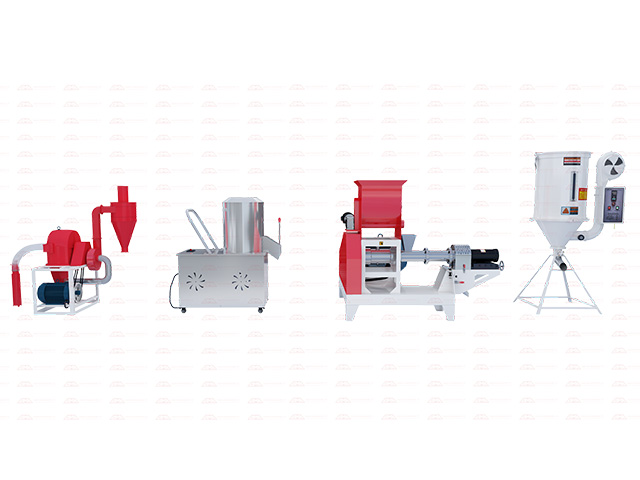
Small-scale farms (herd size < 500 head) with a production capacity requirement of 0.1–1 metric ton / hour. A basic grinder + mixer combination is recommended; if pellets are required, a small flat-die pellet mill should be added. This setup offers low investment and a small footprint. Medium-sized farms or small feed mills, with a production capacity of 1–5 metric tons per hour, should adopt a semi-automated production line equipped with high-efficiency grinding, mixing, ring-die pelleting, cooling, and screening equipment to enhance efficiency and quality. Large feed mills, with a production capacity of 5 metric tons/hour or more (up to 10–30 metric tons/hour), should adopt a fully automated PLC control system to integrate batching, production, and packaging, thereby reducing labor costs. When calculating feed requirements, base calculations on the number of pigs and their feed intake at each growth stage, and include a 20%–30% buffer to accommodate growth peaks.
2. Selection Criteria for Core Equipment
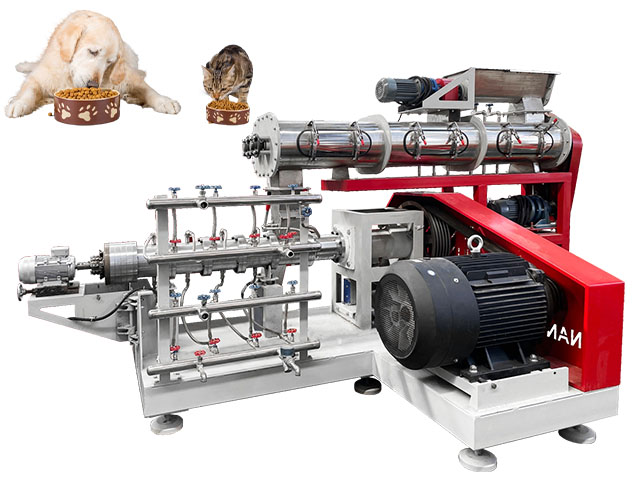
Crushing Equipment: Hammer mills are suitable for a variety of raw materials and are easy to maintain, though they generate slightly higher noise and dust levels; roller mills produce uniform particle sizes, are energy-efficient, and generate low dust, making them suitable for standardized production. When selecting a model, ensure it matches production capacity, features adjustable screens, and has wear-resistant parts. Mixing Equipment: Give priority to horizontal screw-rib or paddle mixers. These should achieve uniformity with a CV < 10%, feature short mixing times, low residue, and be easy to clean, with a capacity that matches the grinding batch size. Pelletizing Equipment: Choose flat dies for small-scale operations and ring dies for medium-to-large-scale operations. Focus on pellet durability, die and roller quality, conditioning effectiveness, and energy consumption. Auxiliary Equipment: Raw material and finished product silos (critical for moisture control), electronic batching scales, coolers, vibrating screens, screw conveyors or bucket elevators, dust collectors, and magnetic separators to ensure smooth and safe production.
3. Key Factors for Equipment Selection
Production Capacity and Scalability: Reserve 20%–50% of equipment capacity to accommodate future expansion; Energy Efficiency: Match on-site power or diesel sources; select energy-efficient motors to reduce long-term energy consumption; Raw Material Compatibility: Adapt to local raw materials and particle size requirements; Automation Level: Small-scale manual or semi-automated; large-scale fully automated; Equipment Quality and After-Sales Service: Select equipment made of durable materials or stainless steel, and choose suppliers with ample spare parts and comprehensive after-sales support; Budget and Return on Investment (ROI): Small-scale equipment has low initial investment but high labor costs, while large-scale equipment has high initial investment but lower long-term cost per metric ton; factor in installation, training, and maintenance costs; Safety Compliance: Comply with feed safety standards and equip facilities with dust-proof, explosion-proof, and safety protection devices.
4. Practical Selection Recommendations
Beginners should prioritize 1–2 metric tons per hour turnkey small-scale production lines, where suppliers provide a complete set of equipment, installation, and training to reduce trial-and-error costs; regularly test particle size, mixing uniformity, and pellet quality; train operators and prioritize equipment that is easy to maintain; comprehensively consider total cost of ownership (energy consumption, spare parts, and downtime losses); consult local agricultural extension services, nutritionists, and equipment suppliers to customize site layout and solutions.
Producing swine feed is a systematic process that integrates nutrition, formulation, technology, equipment, and management. From analyzing nutritional requirements to selecting raw materials, from formulation design to production and processing, and from equipment selection to quality control, every step directly impacts feed quality and farming profitability. Scientifically produced swine feed not only precisely meets the nutritional needs of pigs for growth, reproduction, and immunity but also makes rational use of local resources and reduces farming costs, catering to the diverse needs of family farms, large-scale pig farms, and feed processing plants. As the swine farming industry transitions toward greater efficiency, sustainability, and smart technology, in-house feed production and appropriate feed processing equipment will become key to enhancing core competitiveness. Whether they are new farmers entering the industry or experienced feed processing professionals, all stakeholders should base their decisions on their own scale and needs, master scientific feed production techniques, select high-quality production equipment, strictly ensure feed safety, achieve synergistic efficiency between feed production and swine farming, and drive the industry’s high-quality development.