How To Make Feed Pellet For Cow
The key challenges facing large-scale cattle farming, small-scale beef cattle rearing and dairy cattle breeding are, above all, excessive feed wastage, uneven feed intake among cattle and sheep, and persistently high rearing costs. Compared to loose powdered feed, pelletised cattle feed has become the mainstream feeding method today, thanks to its advantages of balanced nutrition, low wastage rates, high digestibility and absorption, and ease of storage and transport. Many farmers wish to produce cattle feed pellets themselves but lack knowledge of formulation, production processes and equipment selection. This article provides a comprehensive guide to the production of cattle feed pellets, covering raw material ratios, equipment selection, standardised production steps, pellet size selection and quality optimisation strategies, making it easy even for beginners to get started.
What are cattle feed pellets?
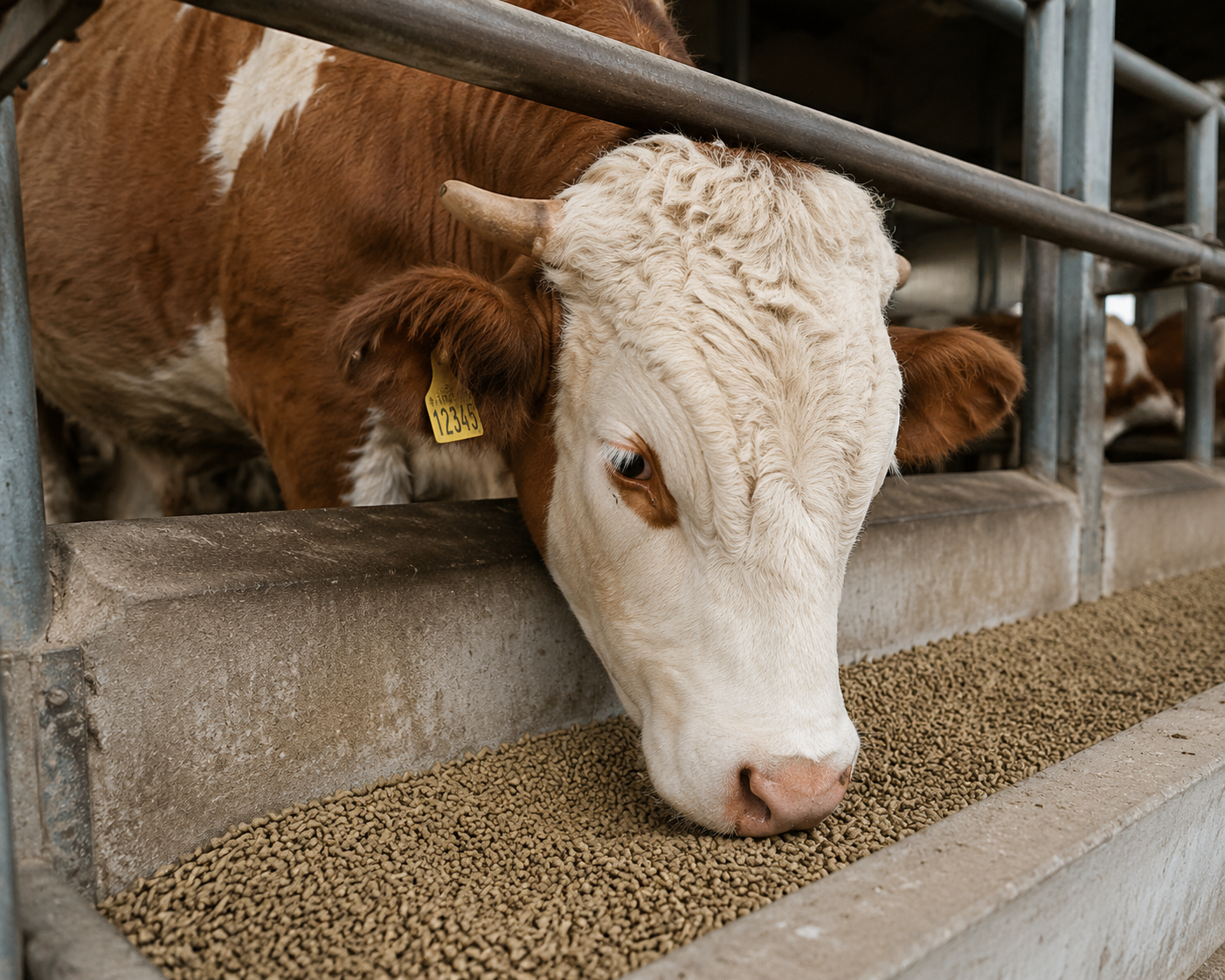
Cattle feed pellets, also known as cattle and sheep feed pellets, are a compound processed feed designed for ruminants such as beef cattle, dairy cattle and calves. They are primarily made from cereals, protein sources, crude fibre supplements, minerals and functional additives. Through processes of grinding, mixing, high-temperature conditioning and high-pressure compression, they are formed into dense, cylindrical pellets. They are the mainstream feed used in various modern cattle farming scenarios; There are no fixed standards for their formulation; they can be flexibly adjusted according to the type of herd and growth stage. Adhering to the principles of sufficient energy, adequate protein, appropriate fibre content and balanced nutrition, and utilising local materials combined with six major categories of core ingredients, they can comprehensively meet the nutritional requirements of cattle for growth, lactation and fattening.
Why Choose Pelleted Feed
Compared to traditional loose powdered feed, pelleted cattle feed offers significant feeding and economic advantages, making it better suited to modern cattle farming practices. The pellets are compact and low-dust, making them less prone to spillage and scattering, which effectively reduces feed wastage and lowers farming costs. Produced through a high-temperature, high-pressure pelletising process, the feed has a richer aroma and improved palatability, helping to prevent cattle and sheep from being fussy eaters or refusing feed, thereby stabilising average daily feed intake. At the same time, the pellets evenly blend various nutrients, eliminating nutritional imbalances caused by selective feeding in cattle and sheep. Combined with high-temperature conditioning treatment, this reduces the digestive burden on the rumen, enhances feed absorption rates, and supports weight gain in beef cattle and stable milk production in dairy cattle. Furthermore, pelletised feed has a stable structure and is resistant to mould; it is convenient to store and transport, compatible with automated feeding systems, and its low-dust characteristics are beneficial for the respiratory health of the herd. The ability to add livestock health supplements as required significantly simplifies day-to-day farm management.
Core Ingredients for Cattle Feed Pellets
There is no fixed, universal formula for cattle feed pellets; the proportions must be adjusted according to the type of livestock (beef cattle/dairy cattle) and growth stage (calves/growing cattle/lactating cows/fattening cattle). The core principle is to ensure ‘sufficient energy, adequate protein, appropriate crude fibre and balanced minerals’. Common ingredients are divided into six major categories, which farmers can flexibly combine based on local material resources:
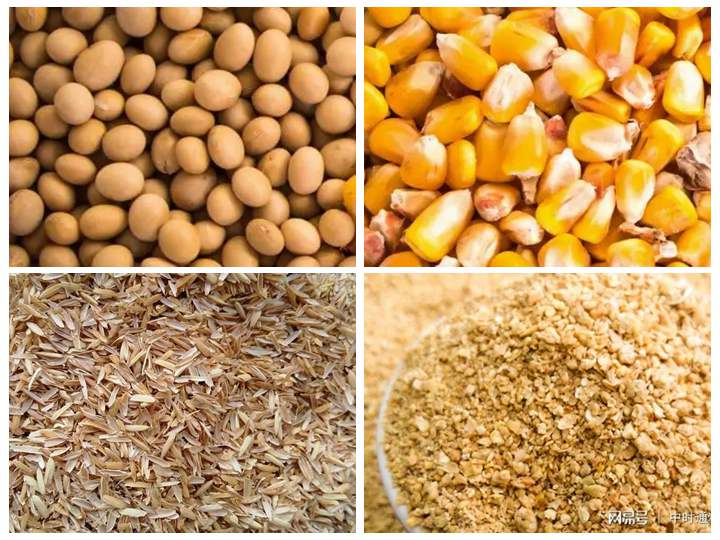
Energy Ingredients (30%–60% of the mix)
Energy ingredients form the foundation of cattle feed, accounting for the highest proportion. They provide sufficient calories and carbohydrates to support the growth, metabolism and lactation of beef and dairy cattle, ensuring the herd’s growth and production performance. Common ingredients include maize, wheat, barley, sorghum, oats and broken rice, which can be adapted to local farming needs. Among these, maize is highly palatable, easily digestible and offers excellent value for money; it is suitable for cattle at all stages and is the most commonly used energy ingredient in cattle farming.
Protein Ingredients (10%–30%)
Protein ingredients are the core nutritional components of cattle feed; they promote muscle growth and accelerate weight gain in beef cattle, whilst also providing key nutrients for lactation in dairy cattle, directly influencing growth rates and economic returns. Common ingredients include soya meal, cottonseed meal, rapeseed meal and maize protein meal, each offering distinct nutritional and price advantages. Farmers can flexibly combine these ingredients according to the herd’s stage of development and local market prices, thereby ensuring adequate protein intake to meet growth and lactation requirements whilst reasonably reducing formulation costs.
Crude Fibre Ingredients (Essential Supplementary Ingredients)
Crude fibre ingredients are indispensable supplementary components of cattle feed, playing a vital role in maintaining rumen health in ruminants and ensuring normal digestion and metabolism. Adequate crude fibre promotes rumen motility and rumination, stabilises the microbial flora, and effectively prevents common issues such as acidosis, bloating and indigestion caused by high-concentrate diets. Common ingredients include wheat bran, rice bran, soya hulls, hay, straw and silage, which are widely available and well-suited to the digestive characteristics of cattle. A sensible blend of crude fibre ingredients can neutralise feed acidity, protect the gastrointestinal tract and enhance the feeling of satiety after feeding; they are therefore essential base ingredients for producing high-quality cattle feed pellets.
B Binding and Flavour-Enhancing Ingredients (2–5 per cent)B
Binding and flavour-enhancing ingredients consist primarily of molasses, which serves the dual purpose of enhancing flavour and acting as a binder; it is a vital supplementary ingredient for improving the quality of pelletised feed. Its naturally sweet and aromatic flavour masks the bitterness of meal-based ingredients, improving the palatability of the feed and effectively stabilising the feed intake of cattle and sheep. At the same time, molasses possesses excellent natural viscosity, enabling it to bind various powdered and coarse-fibre materials together, resulting in compact, uniform pellets that are resistant to breakage and minimise feed wastage. It offers excellent value for money and is suitable for small and medium-sized livestock farmers; a standard addition of 2–5 per cent is sufficient to achieve good results.
Minerals and Vitamins (1–3 per cent)
Minerals and vitamins are essential micronutrients for skeletal development, metabolic function, and reproduction and lactation in cattle; although they constitute a small proportion of the feed, they are indispensable. Long-term deficiency can easily lead to problems such as poor skeletal development, reduced immunity, stunted growth and decreased milk yield in cattle and sheep, thereby undermining farming profitability. Common supplementary ingredients include table salt, limestone powder, bone meal, calcium dihydrogen phosphate, and various trace elements and vitamin premixes. When added scientifically and in appropriate quantities, these can fill nutritional gaps, balance metabolic processes, enhance cattle and sheep’s resistance to stress and disease, and ensure the healthy growth of the herd at all stages.
Functional Additives (Added as Required)
Functional additives are on-demand supplementary ingredients used in precision livestock farming; they optimise feed quality, enhance nutritional value, extend shelf life and improve herd health. Urea is specifically formulated for ruminants; it provides a low-cost source of nitrogen and increases feed protein content. It is restricted to use in adult fattening cattle and lactating cows; dosage must be strictly controlled and the feed thoroughly mixed to prevent ammonia poisoning. The addition of animal and vegetable fats increases the energy content of the feed and enhances the herd’s stress resistance, whilst also lubricating the ingredients and optimising pellet formation. Preservatives inhibit mould growth, reducing feed spoilage and wastage, and are suitable for batch production and long-term storage. Additionally, health-promoting and deworming additives may be added as required and in compliance with regulations to prevent common diseases and improve the standard of livestock management.
Selection of Pelletising Equipment
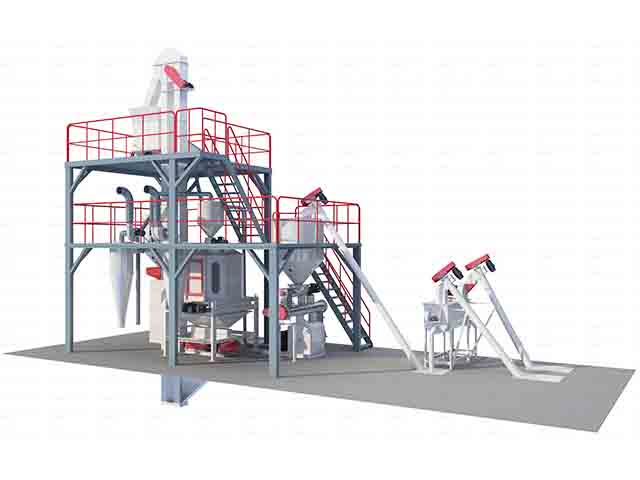
Equipment for producing cattle feed pellets can be categorised according to production scale into small-scale domestic units, small-to-medium-scale commercial units, and large-scale complete production lines. Farmers can make flexible choices based on herd size and production requirements, without the need to invest blindly in high-end equipment.
Small-scale domestic farming equipment (50–500 kg per hour)
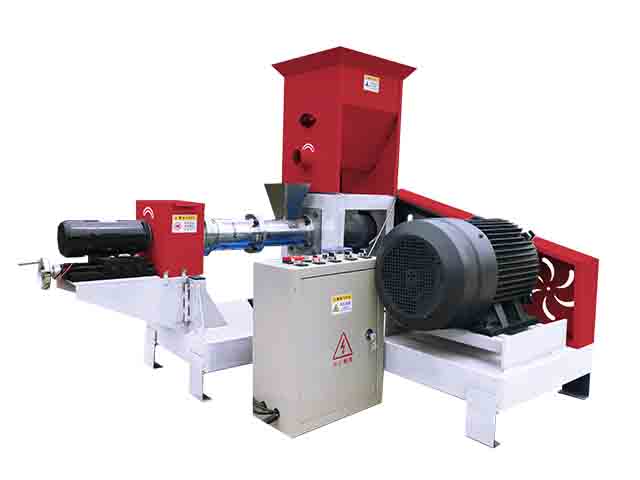
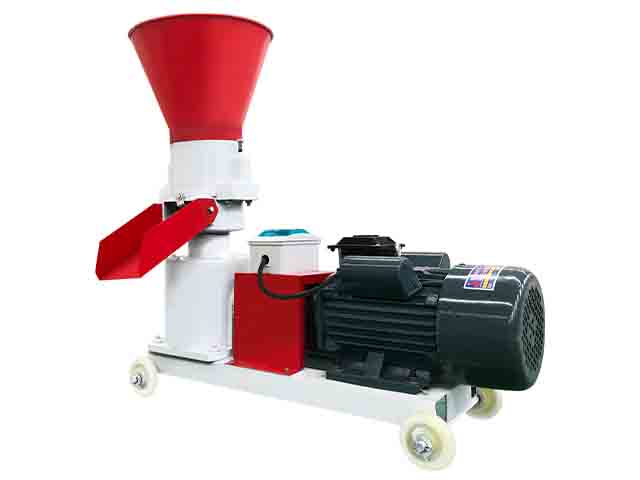
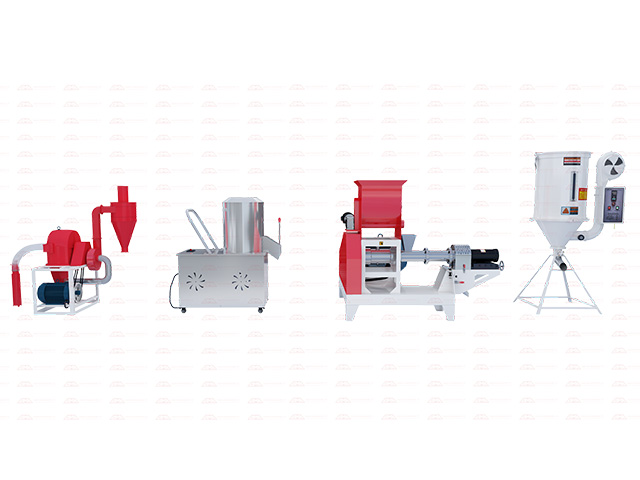
This type of small-scale equipment is suitable for individual farmers and small-scale farms for their own use. It is low-cost, simple to operate and easy to maintain. The complete set of core equipment includes a hammermill, a feed mixer, a flat-die pelletiser and basic cooling equipment. The crusher can grind various raw materials to the required fineness, ensuring the quality of the subsequent pelletisation process; the mixer uniformly blends dry powders, molasses, oils and other materials; the flat-die pelletiser is suitable for coarse-fibre raw materials, supports multiple power supply options, offers excellent value for money, and fully meets the pelletisation needs of domestic farming operations; the cooling equipment rapidly cools and sets the freshly produced pellets, effectively preventing softening and mould growth, and ensuring consistent product quality.
Medium-to-large-scale production equipment (hourly output of 1 metric tonne or more)
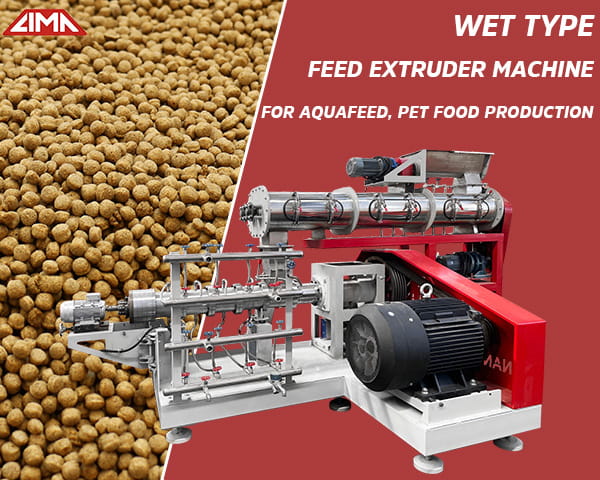
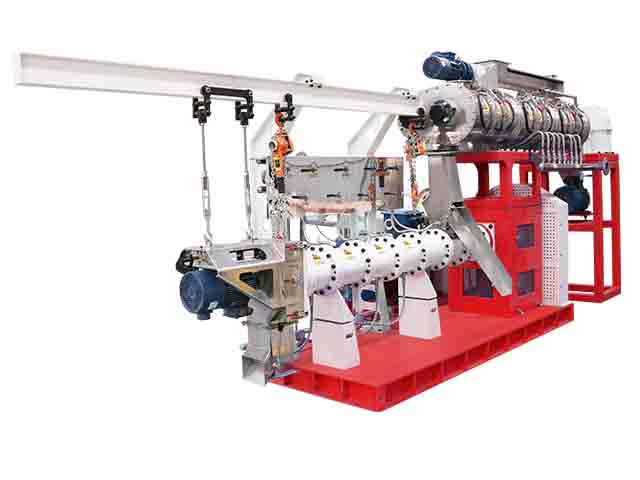
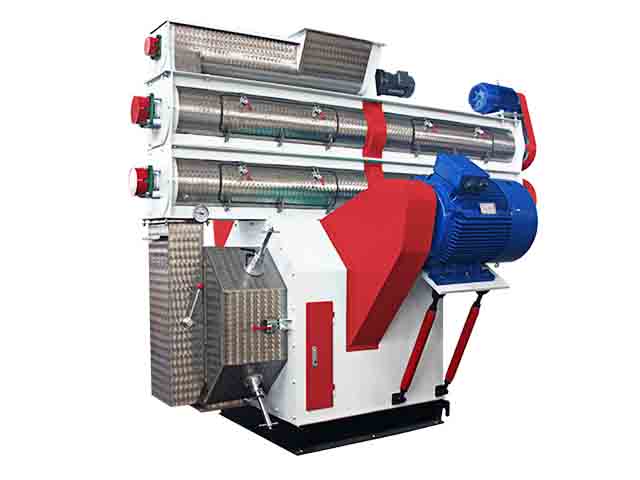
Large-scale complete pelletising equipment is suitable for feed processing plants and large-scale livestock farming bases. It features a high degree of automation, robust production capacity and consistent, uniform product quality, meeting the demands of both large-scale commercial production and extensive self-sufficient farming operations. The complete production line is equipped with a full suite of core equipment, including raw material storage, impurity removal, grinding, intelligent batching, mixing, steam conditioning, ring-die pelletising, cooling and screening, and automatic packaging, complemented by auxiliary systems such as conveying, dust extraction and heating, to achieve full automation throughout the entire feed production process. The equipment is capable of continuous, round-the-clock mass production, significantly reducing labour costs and enhancing production efficiency. It enables precise control over key parameters such as feed ratios, moisture content and hardness, effectively addressing the issues of inconsistent quality and high wastage associated with rudimentary pelletising methods, and is well-suited to high-standard commercial feed production scenarios.
Standardised Production Steps for Cattle Feed Pellets
Whether for small-scale home production or large-scale factory production, the core process remains consistent, with the only difference being the level of equipment automation. The specific operational steps are as follows:
Step 1: Raw Material Screening and Pre-treatment
Raw material screening and pre-treatment is the primary step in pelletisation, enabling feed quality to be controlled at source. During production, high-quality raw materials free from mould or spoilage must be selected, whilst substandard materials are discarded to avoid the risk of mycotoxins harming the herd’s health; simultaneously, impurities such as stones and sand must be removed from the raw materials to prevent damage to equipment and reduce the feed’s palatability. The purified raw materials must be stored separately in a dry, well-ventilated area, protected from moisture and light to prevent secondary contamination, thereby laying a solid foundation for the subsequent pelletising process.
Step 2: Grinding and Fining of Raw Materials
Following pre-treatment, all dry and wet raw materials must be ground using a hammermill. The fineness of the grind directly affects pellet formation quality and feeding efficacy. The grind size must be adjusted according to specific production needs: 1–2 mm for adult cattle feed; slightly finer for dairy cattle feed; and slightly coarser for beef cattle feed to protect rumen function. The grinding of raw materials must be uniform; if the particle size is too coarse, the pellets will be loose and brittle, whilst if too fine, the fibre structure will be damaged, hindering ruminal peristalsis. A uniform particle size promotes thorough mixing of the materials, enhances feed maturation and digestibility, and ensures the finished pellets are compact and of high quality.
Step 3: Precise Formulation and Uniform Mixing
Mixing must be carried out according to the formulation, precisely proportioning ingredients based on the cattle category and growth stage to ensure nutritional balance. First, the dry powder ingredients are stirred until thoroughly mixed; molasses, oils and other liquid additives are then slowly added and blended thoroughly. This ensures an even distribution of moisture throughout the mixture and a fine texture, effectively preventing clumping and uneven proportions. It lays a solid foundation for subsequent conditioning and pelletisation, thereby improving the quality of the finished pellets and the pelletisation yield.
Step 4: Steam Conditioning
Steam conditioning is a key process for improving the quality and digestibility of pelletised feed. The mixed material must be heated and humidified with high-temperature steam at 70–90°C to adjust the moisture content to the optimal pelletising range of 12–17 per cent. This not only gelatinizes starch and softens crude fibre—thereby improving feed digestibility and reducing the burden on the cattle’s rumen—but also kills some contaminants and insect eggs, thereby reducing the risk of mould growth. At the same time, it activates the viscosity of the raw materials; when combined with molasses, this makes the pellets compact and resistant to breakage, whilst also enhancing the feed’s aroma and palatability, thereby reducing pickiness in cattle and sheep and effectively improving feeding quality.
Step 5: High-Pressure Pellet Moulding
The conditioned material is fed into a pellet mill for high-pressure moulding. Flat-die pellet mills are suitable for small-scale farming, whilst ring-die pellet mills are the preferred choice for large-scale production. The material is compressed and compacted under high pressure by the press rollers and die, forming uniform cylindrical pellets. The die aperture can be changed to adjust pellet size according to the feeding requirements of different cattle herds, effectively improving palatability, stabilising the pellet formation rate and reducing waste from broken pellets.
Step 6: Cooling, Setting and Drying
Freshly produced pellets are hot, soft in texture, high in moisture and structurally unstable; they must not be bagged or stacked immediately, as this makes them highly prone to caking and mould growth, thereby shortening their shelf life. Cooling and drying are key processes for stabilising pellet quality. For small-scale operations, ventilation and sun-drying can be used to reduce temperature and disperse moisture, whilst large-scale production utilises counter-current coolers for efficient cooling. The moisture content of the finished product must be controlled at 10–12 per cent to ensure the pellets are hard, dry and resistant to breakage and re-moistening, thereby locking in nutrients, extending the shelf life and facilitating storage and feeding.
Step 7: Screening, Impurity Removal and Secondary Processing
Once the pellets have cooled, they must undergo screening and finishing to remove fines and substandard pellets, selecting only intact finished products for packaging and feeding. The powder and residual pellets generated during screening can be recovered and re-pelletised, thereby reducing raw material wastage and saving on production costs. For calves with sensitive digestive systems, the finished pellets can be crushed to a finer texture, resulting in a softer consistency and improved palatability. This is better suited to calves’ feeding and digestive capabilities, alleviates weaning stress and enhances feeding efficiency.
Step 8: Packaging and Storage
Qualified pelleted feed must be sealed and packaged promptly to prevent moisture absorption, dust accumulation and spoilage. Small-scale farms may seal the packaging manually, whilst large-scale production utilises fully automated sealing equipment. After packaging, the batch number, date, best-before date and target cattle herd must be clearly labelled to facilitate management and traceability. Feed must be stored in a cool, dry, well-ventilated and pest-proof warehouse, stacked off the floor and away from walls. Regular inspections are required to prevent mould and insect infestation, thereby maintaining feed quality and extending the storage life.
Selection of Cattle Feed Pellet Size
The diameter and length of feed pellets directly affect the feeding performance of cattle and sheep, rumen health, digestive efficiency and feed wastage, and are crucial to herd growth, milk production and farming profitability. Inappropriate pellet sizes can lead to various feeding problems; pellets that are too large increase the digestive burden, whilst those that are too small can cause abnormal rumen fermentation, leading to bloating and acidosis, as well as increasing wastage of powdered feed. Therefore, pellet specifications must be selected precisely according to the herd’s age, breed and growth stage.
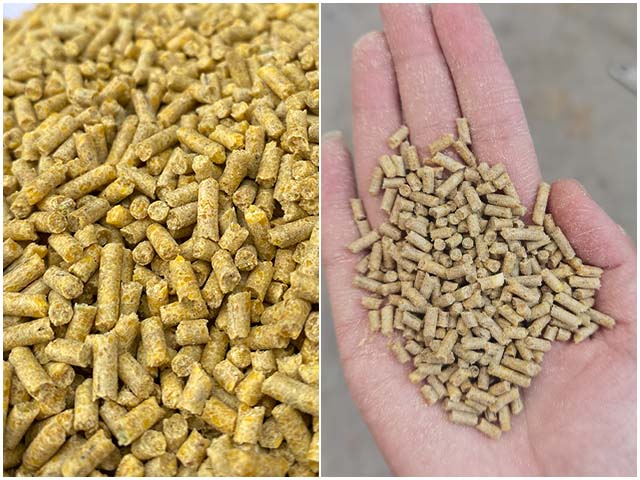
Pellet diameters of 6–8 mm are suitable for adult dairy cows and beef cattle for fattening, with pellet length controlled at 1.5–2.5 times the diameter. This specification is suited to the masticatory structure of adult cattle, ensuring smooth and safe feeding. It helps stabilise the ruminal microbiota and prevent gastrointestinal issues such as acidosis, whilst also avoiding nutritional imbalances caused by selective feeding in cattle and sheep and reducing feed wastage from spillage. It meets the production requirements for lactation in dairy cows and fattening in beef cattle.
Calves and young cattle are best suited to small-diameter pellets of 3–4.5 mm. As the masticatory and gastrointestinal systems of young cattle are not yet fully developed, and they experience weaning stress, fine, soft pellets are palatable and easy to swallow and digest. They effectively address issues such as refusal to feed and selective eating, alleviate gastrointestinal stress, reduce instances of diarrhoea and indigestion, ensure proper nutrient absorption, and support the healthy growth and development of young cattle.
The 4.5–8 mm range is a versatile, universal pellet size suitable for most cattle populations, including young stock, adult cattle and replacement heifers. This size strikes a balance between digestibility and practicality, accommodating various feeding methods such as manual feeding and automated feeding lines. It eliminates the need for frequent changes to pelletising dies and is suitable for mixed-housing and large-scale batch feeding scenarios, thereby simplifying farm operations and improving feeding efficiency.
How to Comprehensively Improve the Quality of Cattle Feed Pellets
The core criteria for high-quality pellet feed are: moderate hardness, no fines, no dust, resistance to mould, and complete nutritional value. To improve the quality of home-made pellets, optimisation can be achieved across four key dimensions:
Optimise formulation ratios to enhance binding properties
Appropriately adjusting the feed formulation can effectively improve pellet cohesion, compactness and moulding quality, resolving issues such as loose, brittle or clumped pellets. Ingredients such as wheat and barley—which are high in starch—can be added in moderation; their gelatinisation properties enhance material binding and reduce breakage. The content of by-products such as oils and molasses should be kept between 2% and 5% to prevent pellets from becoming soft and brittle due to excessive oil, or from sticking together and developing mould due to excessive molasses. A well-balanced ratio of coarse to fine ingredients fills gaps in the mixture and improves density, resulting in pellets with a uniform structure, a compact texture and more consistent quality.
Strict Control of Grinding and Mixing Precision
Grinding and mixing precision are crucial preliminary processes for ensuring pellet density, nutritional uniformity and product stability. During production, the sieve plates of the grinder must be adjusted in accordance with feeding standards to ensure uniform particle size of the raw materials, thereby preventing a mixture of coarse and fine particles that would result in loose, brittle pellets with poor formation. During mixing, the agitation time should be appropriately extended to ensure that trace additives such as minerals and vitamins are fully incorporated into the main ingredients, thereby preventing uneven nutrient distribution. At the same time, this allows dry powders to blend uniformly with liquid additives such as molasses and oils, eliminating clumping and separation of dry and wet components. This ensures that every feed pellet has consistent texture and nutritional content, laying a solid foundation for improved quality in the subsequent pelletising stage.
Upgrading the Conditioning and Pelletising Processes
Conditioning and pelletising are the core processes for controlling pellet hardness, density and nutrient retention; precise control of process parameters can significantly improve the quality of the finished feed. During production, high-temperature steam conditioning at 70–90°C should be employed to heat and humidify the material, promoting starch gelatinisation and the softening of crude fibre. This not only improves palatability and enhances digestibility and absorption rates but also increases the viscosity of the material, ensuring successful pellet formation. During pelletisation, the compression pressure and feed rate must be flexibly adjusted according to the die specifications. Maintaining a low, constant feed rate ensures the material is fully compacted and filled, eliminating internal voids and reducing the occurrence of hollow pellets and broken particles, thereby producing compact, impact-resistant pellets that do not easily shed powder. A stable and gentle processing environment prevents raw materials from being scorched by high temperatures, effectively preserving heat-sensitive nutrients such as proteins and vitamins, whilst balancing pellet formation quality with the feed’s nutritional value.
Standardised Cooling and Drying Process
Cooling and drying are crucial final stages for setting the shape of the pellets, preserving their quality and extending their shelf life. Freshly extruded pellets are hot, have high moisture content and are relatively soft; if cooling is inadequate, they may become dry on the outside but remain damp inside, leading to problems such as moisture absorption, mould growth, cracking and crumbling during storage. During production, ventilation must be maintained to ensure uniform cooling, allowing heat and moisture to dissipate simultaneously from both the interior and exterior of the pellets, thereby guaranteeing a uniform and stable texture. The moisture content of the finished product must be controlled between 10% and 12%. Excessive moisture promotes mould growth and spoilage, whilst excessively low levels result in brittle pellets that are prone to breakage and wastage. A standardised cooling and drying process enhances pellet stability and resistance to storage and transport, ensuring consistent quality of the finished feed.
Frequently Asked Questions (FAQ)
Can cattle be fed pelleted feed every day?
Yes. High-quality pelleted feed for cattle is nutritionally balanced, highly digestible and results in minimal feeding wastage. It is suited to the digestive characteristics of the rumen and is entirely suitable for long-term use as the main daily feed. Long-term, standardised feeding helps stabilise the growth status of the herd and the milk production performance of dairy cows. In practice, the pellet size and nutritional formulation should be matched to the cattle’s age and growth stage, and supplemented with an appropriate amount of roughage to avoid a monotonous diet, thereby ensuring normal ruminal metabolism and herd health.
What is the optimal moisture content of the raw materials prior to pelletisation?
After steam conditioning, the optimal moisture content of the raw materials prior to pelletisation is 12%–17%. Within this moisture range, the starch in the raw materials can gelatinise fully, and the viscosity of the material reaches its optimum state, significantly improving pellet formation rates and density. Following subsequent cooling and drying, the moisture content of the finished pellets can be stabilised within the standard range of 10%–12%, effectively preventing mould growth and fragmentation, and ensuring the pelleted feed possesses good storage stability and feeding performance.
Are ring-die pellet mills better than flat-die pellet mills?
There is no absolute superiority between the two types of equipment; they are simply suited to different production scenarios. Flat-die pelletisers are low-cost, simple to operate and easy to maintain, making them suitable for small-scale production for personal use by smallholders and small-scale farms. Ring-die pelletisers offer a higher degree of automation and greater extrusion pressure; the pellets they produce are uniformly shaped, of consistent quality and have a low defect rate, making them more suitable for large- and medium-scale commercial farms and feed processing plants where high-volume, continuous and commercial pellet production is required.
Summary
The key to producing your own cattle feed pellets lies in scientific formulation, standardised processes, suitable equipment and precise quality control. Compared to purchasing ready-made feed, homemade pellets allow for flexible adjustment of nutritional ratios to meet the needs of cattle at different growth stages, significantly reducing farming costs. At the same time, by controlling feed quality right from the raw material stage, you can effectively improve weight gain in beef cattle and milk yield in dairy cattle, whilst reducing the incidence of disease. Whether for small-scale family farming or large-scale commercial production, following the formulation guidelines, production processes and quality optimisation techniques outlined in this article will enable the production of high-quality, cost-effective cattle feed pellets, thereby helping to improve the quality and efficiency of livestock farming.