How to Make Dog Food Pellets
Dog food pellets are the most widely used and highly standardised staple food for dogs in the modern pet care sector. Thanks to their scientifically balanced nutritional composition, mature and stable extrusion processing techniques, long shelf life and convenient feeding method, they have become the mainstream product manufactured by pet food companies. To systematically outline the complete production system for dog food pellets, this article provides a comprehensive explanation covering aspects such as product definition, ingredient composition, formulation development, production processes and common issues, offering a complete, standardised and professional reference framework for those studying pet care, researching dog food production, or starting a small-scale pet food business.
What Are Dog Food Pellets?
I. Basic Definitions
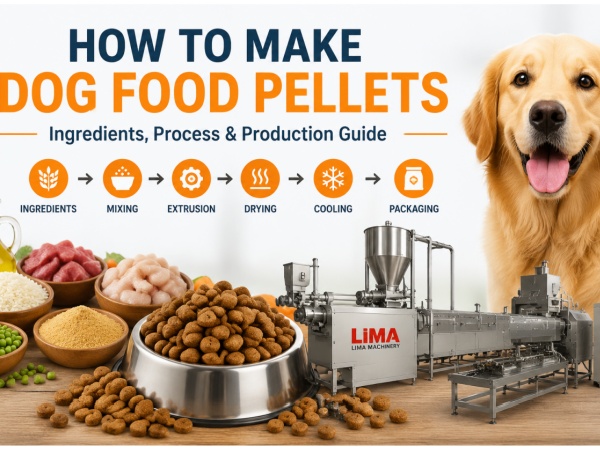
Dog food pellets, commonly known as extruded dog food, are standardised staple foods for dogs produced using an extrusion process. Compared to wet food, freeze-dried food and raw food, extruded dog food has become the most widely used form of dog food in the pet market and the most common choice for daily feeding in households, thanks to its comprehensive advantages, including a mature production process, consistent quality, long shelf life, balanced nutrition and convenience of feeding.
II. Key Product Characteristics
Firstly, a low-moisture, dry form. Dog food pellets have an extremely low moisture content, requiring no refrigeration for storage; they can be stored stably at room temperature, effectively preventing mould and spoilage, making them easy to store and highly practical.
Second, a wide variety of specifications. The size and shape of the kibble can be precisely tailored to different life stages—puppies, adult dogs and senior dogs—whilst also offering dedicated specifications for large and small breeds to meet the feeding requirements of different dog breeds.
Third, compliance with nutritional standards. Reputable brands of dog food strictly adhere to the complete and balanced nutritional standards set by the American Association of Feed Control Officials (AAFCO), covering all nutritional requirements for a dog’s growth, metabolic maintenance and immune function, thereby ensuring long-term balanced nutrition.
Fourthly, it aids in dental care. The crisp texture of the kibble allows dogs to remove plaque from the surface of their teeth through mechanical friction whilst chewing, thereby helping to maintain oral hygiene. Although it cannot replace professional tooth brushing, it can effectively reduce the risk of oral health issues.
What Ingredients Are Needed to Make Dog Food Pellets?
Classification and Functions of Core Ingredients
Nutritional Category | Core Function | Common Ingredients
Protein: Plays a central role in muscle synthesis, providing energy for the body and regulating the immune system. Fresh meat ingredients such as chicken, beef, fish and eggs, as well as concentrated meat meal ingredients such as chicken meal and fish meal (meat meal has low moisture content and high protein concentration; it not only enhances the nutritional density of the dog food but also strengthens the structure of the pellets, making it a core ingredient in commercial dog food)
Carbohydrates: The primary source of energy for a dog’s daily metabolism, whilst also playing a key role in binding, shaping and stabilising the kibble structure. High-quality carbohydrate sources such as rice, oats, sweet potatoes and peas, when subjected to high-temperature extrusion and gelatinisation, form a stable colloidal structure that makes the kibble compact and less prone to breakage, whilst also supplementing natural dietary fibre to promote intestinal motility and improve digestion
Fats and vegetable oils optimise the health of a dog’s skin and coat, enhance the palatability of the dog food, and provide high-density calories. Chicken fat, fish oil and linseed oil can effectively address issues such as a dry coat, dry skin and excessive dandruff, whilst also enhancing the aroma of the dog food and increasing the dog’s willingness to eat
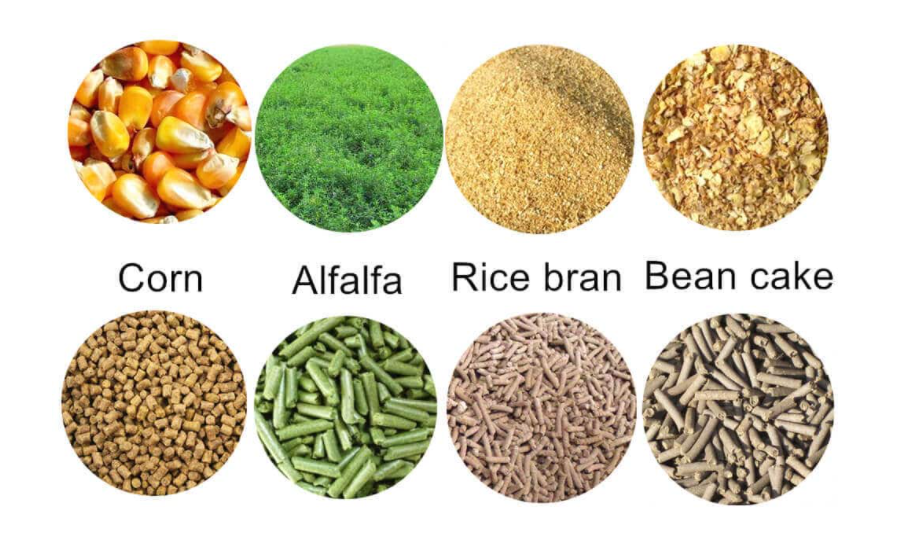
Dietary fibre regulates the balance of the gut microbiota, promotes gastrointestinal motility and improves digestion and absorption, alleviating common gastrointestinal issues such as constipation, loose stools and indigestion. Natural ingredients such as beet pulp, pumpkin, carrots and apples do not directly provide calories.
Vitamins and minerals compensate for nutritional deficiencies in the ingredients, ensuring balanced skeletal development, metabolism and immune function in dogs; long-term feeding can effectively prevent various nutritional deficiency diseases. Calcium, phosphorus, zinc, iron and various multivitamins serve as functional nutritional supplements.
Differences between commercial and homemade dog food standards
Commercial dog food production strictly adheres to the AAFCO international industry standards, with precise and standardised parameters. The standards clearly stipulate that dry matter protein content in adult dog food must be no less than 18 per cent and fat no less than 5.5 per cent, whilst in puppy growth food, protein must be no less than 22.5 per cent and fat no less than 8.5 per cent. Ingredients are precisely proportioned with minimal nutritional deviation, meeting dogs’ long-term complete and balanced dietary requirements.
Homemade dog food, however, is limited by equipment and technical constraints. It can only utilise baking and dehydration processes and cannot achieve the high-temperature, high-pressure extrusion and cooking used in industrial production. This leads to issues such as insufficient starch gelatinisation, imbalanced nutritional ratios and incomplete sterilisation. Problems such as an imbalanced calcium-to-phosphorus ratio, vitamin deficiencies and mineral insufficiencies are highly likely to occur. Long-term, indiscriminate feeding of such food can lead to health risks for dogs, including skeletal deformities, weakened immunity and malnutrition.
Reference Standards for Balanced Homemade Formulas
A scientifically sound and safe ratio for homemade dog food is as follows: protein ingredients should account for 40–50 per cent, carbohydrates and dietary fibre for 30–40 per cent, and fats and oils for 10–15 per cent. Any missing trace elements, vitamins and minerals should be precisely supplemented using specialised pet nutritional supplements. Generic recipes found online generally have nutritional deficiencies; preparation should be based on a customised plan developed by a veterinary nutritionist. Furthermore, as homemade dog food contains no preservatives, it must be stored in an airtight container at a low temperature and consumed as soon as possible.
How to Develop a Balanced Dog Food Pellet Formula?
Determine Target Nutritional Standards
When developing a dog food formula, it is essential to first identify the target population. Formulas are categorised into four main types: for growing puppies, adult maintenance, senior dogs, and all-life-stage general use. At the same time, customised ratios should be developed based on the dog’s size, daily activity level and health status (such as obesity, skin allergies, joint injuries or sensitive digestion), whilst ensuring full compliance with AAFCO nutritional thresholds to establish scientifically sound and compliant baseline nutritional parameters.
Selecting High-Quality Raw Materials
Raw material selection adheres to the principles of high digestibility, high suitability and high quality. Priority is given to easily absorbable animal protein sources to ensure a complete amino acid profile; these are combined with easily gelatinised starches to suit the extrusion process and stabilise kibble shape; animal fats and fish oil are selected to balance nutrition and palatability; and compliant antioxidants, preservatives, probiotics and flavour enhancers are added as required. We also take into account ingredient quality, procurement costs, supply stability and suitability for mass production.
Precise Nutritional Data Calculation
Precise calculations are carried out using specialised pet formulation software or the US Department of Agriculture’s nutritional database, with strict control over macronutrient ranges: protein 18%–30% and fat 8%–20%. The calcium-to-phosphorus ratio is maintained within the optimal range of 1:1 to 2:1, whilst energy density is kept at 3,500–4,500 kcal/kg, thereby eliminating issues of nutritional excess or deficiency at a data level.
Formulation Adjustment and Process Optimisation
A comprehensive raw material ratio framework is established, with the proportions of various ingredients fine-tuned to 100 per cent. For specialised categories such as grain-free and hypoallergenic formulations, missing nutrients—including taurine, choline and trace elements—are supplemented. Taking into account the characteristics of the extrusion process, the moisture content, starch proportion and fat content of the raw materials are precisely controlled to avoid production faults such as slippage during extrusion, failure to form pellets, cracking and crumbling, thereby balancing nutrition, palatability and production costs.
Laboratory Testing and Compliance Verification
Once the formulation has been finalised, finished products must be submitted for testing, including routine nutritional analysis and comprehensive nutritional screening. Formulations intended for commercial release must undergo AAFCO-standardised feeding trials to comprehensively assess the dog food’s palatability, digestibility, storage stability and shelf life. Only after confirming nutritional compliance, safety and consistent quality may mass production commence.
Adjustment of Mass Production Processes
By optimising raw material pre-treatment, mixing and extrusion parameters in line with the characteristics of the entire production line, we refine compliance labelling—including product labels, nutritional tables and feeding guidelines—to meet dual compliance requirements set by the US Food and Drug Administration (FDA) and AAFCO, thereby avoiding common production issues such as mineral imbalances, loss of heat-sensitive nutrients and processing wastage.
Step-by-Step Process of Making Dog Food Pellets
Commercial Extrusion Production Process
Raw Material Pre-treatment and Precise Weighing: Commercial dog food mass production utilises a fully automated batching system, ensuring precise weighing in strict accordance with the formulation to eliminate human error. Dry ingredients are uniformly ultra-finely ground to ensure consistent particle size; wet ingredients such as fresh meat and fats are finely minced and filtered. Standardising the physical state of the materials effectively prevents issues such as extrusion jamming, poor pellet formation and uneven nutrient distribution, laying the foundation for standardised production.
Multi-stage uniform mixing and blending: A staged mixing process is employed, involving dry mixing followed by wet mixing. Once the dry ingredients have been thoroughly pre-mixed, fats, purified water, fresh meat and flavour enhancers are added in batches. The mixture is blended at low speed and homogenised at high speed to completely eliminate lumps, forming a uniform base material with a consistent dry-wet ratio and fine texture. This ensures that every dog food pellet is nutritionally balanced and has a consistent texture.
High-temperature steam pre-conditioning: The material is fed into a pre-conditioning machine, where it is moistened and heated using high-temperature steam to achieve thorough hydration and softening. This process promotes initial starch gelatinisation, enhances cooking efficiency, and partially inactivates certain microorganisms, whilst optimising the material’s flowability and plasticity. This helps prevent defects such as under-expansion, pellet cracking and equipment jamming at source.
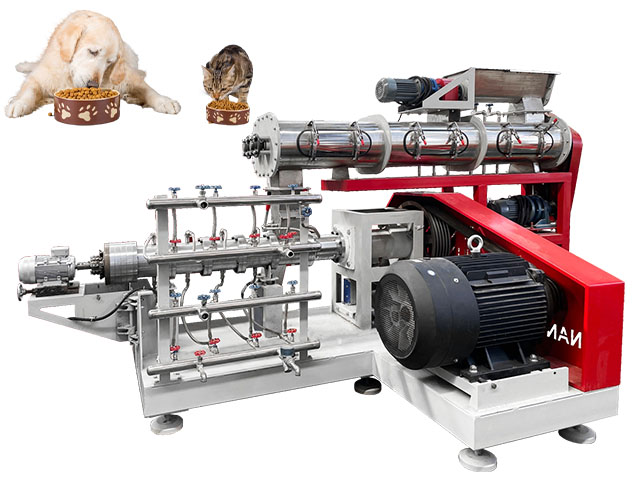
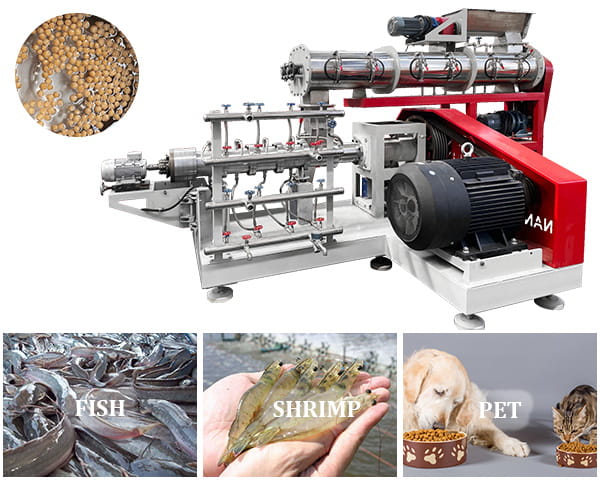
High-temperature, high-pressure extrusion puffing: The material enters a twin-screw extruder, where it undergoes thorough cooking in a sealed environment characterised by high temperature, high pressure and high shear. This causes protein denaturation and complete starch gelatinisation, significantly improving digestibility and absorption whilst thoroughly eliminating harmful bacterial colonies. The cooked material is then shaped using customised dies and cut at high speed, producing dog food pellets of uniform size and regular shape.
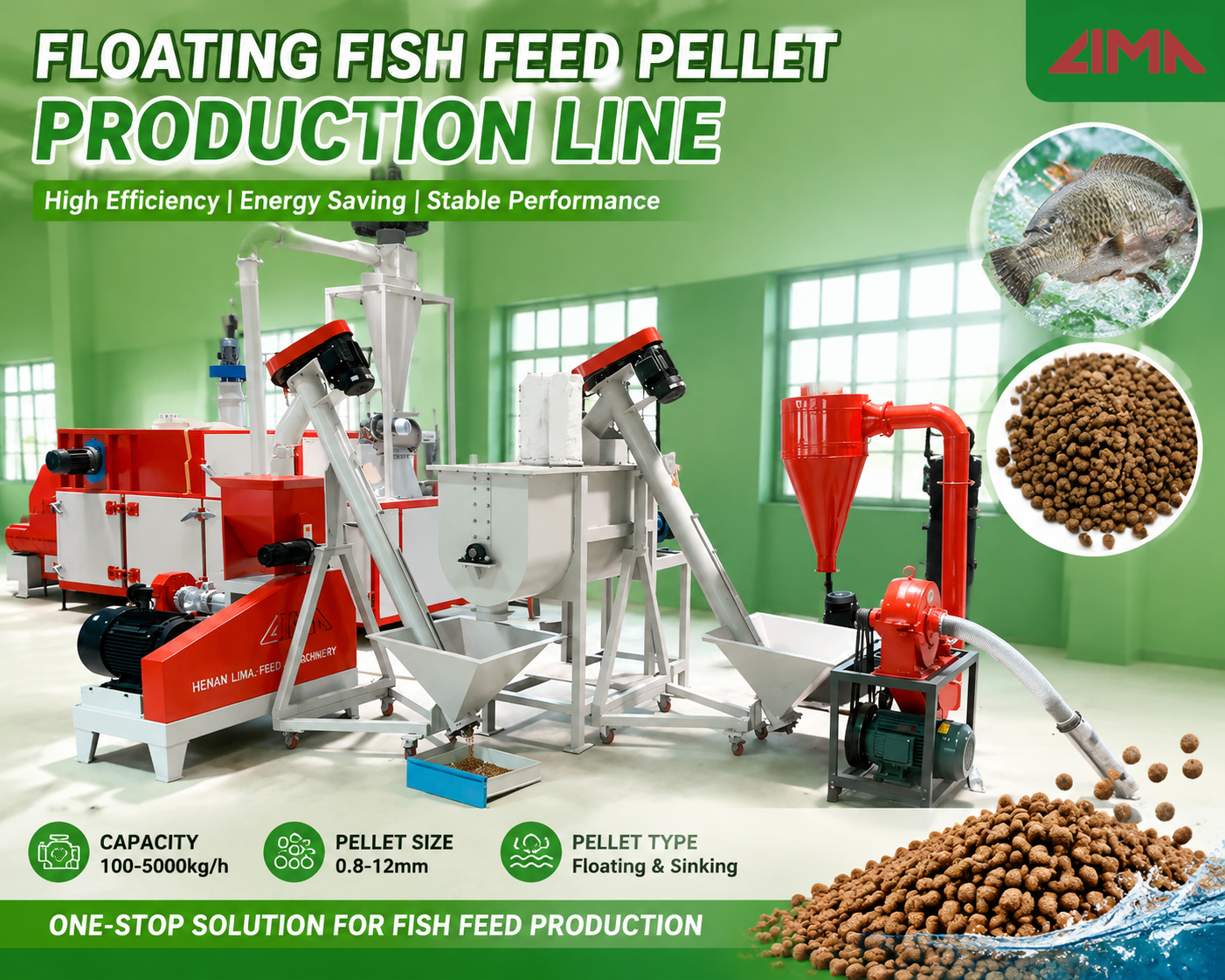
Constant-temperature hot-air drying and setting : Freshly puffed pellets have high moisture content and a relatively soft texture. Through multi-stage, segmented hot-air drying, moisture content is reduced to the industry standard of 8–12 per cent within 20 to 30 minutes. This effectively removes free moisture, inhibits mould growth and extends the shelf life, whilst hardening the pellets and stabilising their structure, ensuring they remain crisp and resistant to deformation or softening.
Constant-temperature low-temperature cooling and setting: The high-temperature pellets are cooled uniformly to room temperature using dust-free air-cooling equipment. This evens out the temperature difference between the interior and exterior, stabilises the internal structure of the pellets, and enhances their hardness and wear resistance. It significantly reduces breakage and crumbling during transport and packaging, whilst eliminating the risk of mould growth caused by condensation.
Multi-layer Coating and Flavouring: To address the loss of heat-sensitive nutrients and monotonous flavour caused by high-temperature processing, fully automated spraying equipment is used to uniformly apply fats, fish oil, flavourings, probiotics and multivitamin supplements. This post-coating process prevents high temperatures from destroying nutrients, compensates for nutritional deficiencies and enhances palatability, whilst forming a protective film on the pellet surface to reduce dust and improve moisture resistance.
Full Inspection, Sorting and Sealed Packaging: Vibrating screens are used to remove碎渣, misshapen pellets and substandard products. Samples are tested for nutritional content, microbiological parameters and moisture levels; once standards are met, the product undergoes fully automated vacuum-sealed packaging. All regulatory information—including ingredients, nutritional content, suitable dog breeds, best-before date and batch number—is clearly labelled, completing the final stage of mass production.
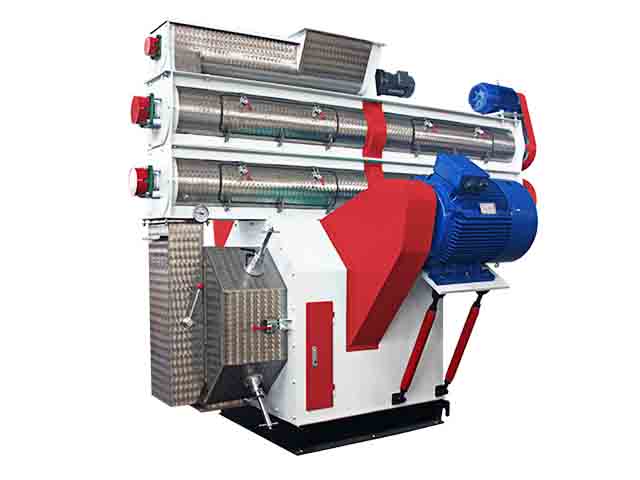
How to Choose the Right Dog Food Pellet Machine?
Match equipment to production scale
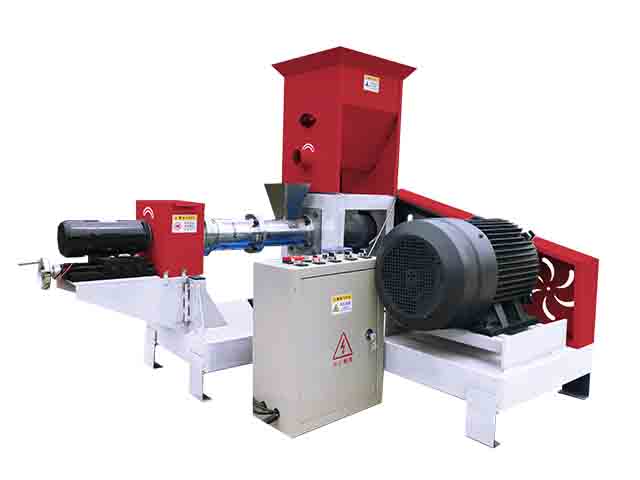
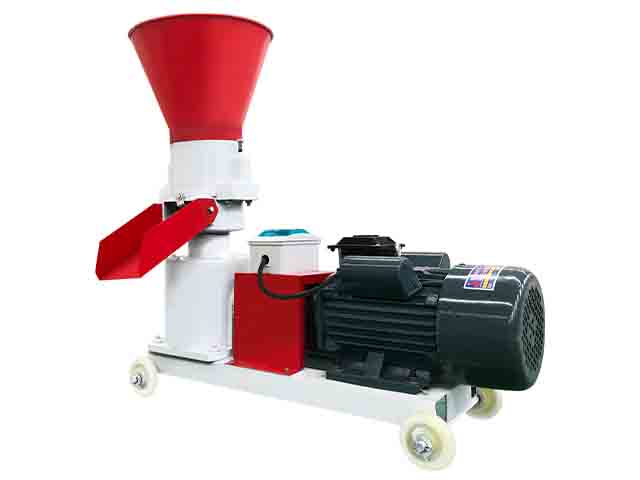
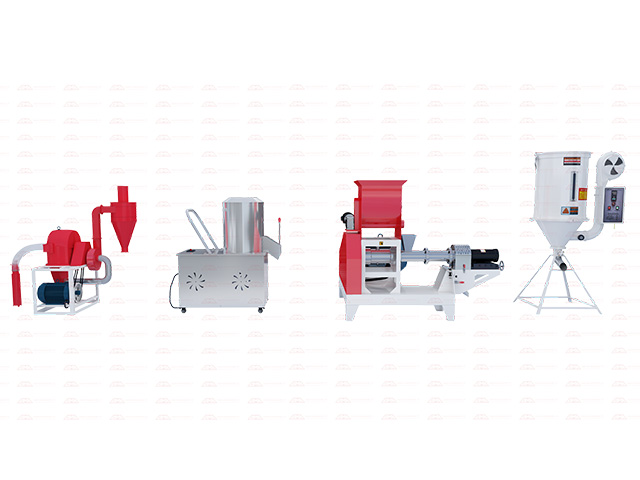
Small-scale domestic production (≤100 kg/h): Dry electric extruder. This equipment features a simple structure, a small footprint and requires no steam boiler. It is powered entirely by electricity, offering convenient operation and low maintenance costs, and is compatible with various dog food ingredients. It is suitable for personal use, small-scale breeding, formula prototyping and small-batch trial production. However, its temperature and pressure control precision is limited, the uniformity of material gelatinisation is average and the pellet appearance is ordinary; it is not suitable for commercial mass production.
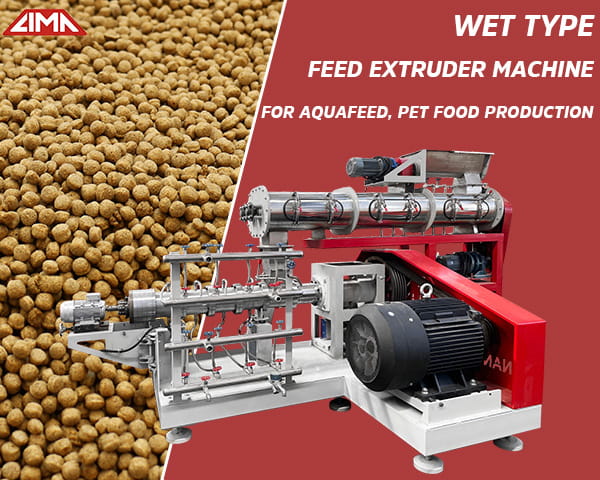
Small to medium-scale commercial capacity (100–500 kg/h): Wet semi-automatic extruder. Equipped with a small-scale steam system for pre-conditioning the material, it achieves high starch gelatinisation, producing smooth, uniform pellets with a low breakage rate and excellent palatability. Equipment parameters can be precisely fine-tuned to accommodate the production of multiple formula types; it offers stable energy consumption, is easy to dismantle and clean, and allows for flexible product switching, making it the mainstream equipment for small to medium-scale dog food processing start-ups.
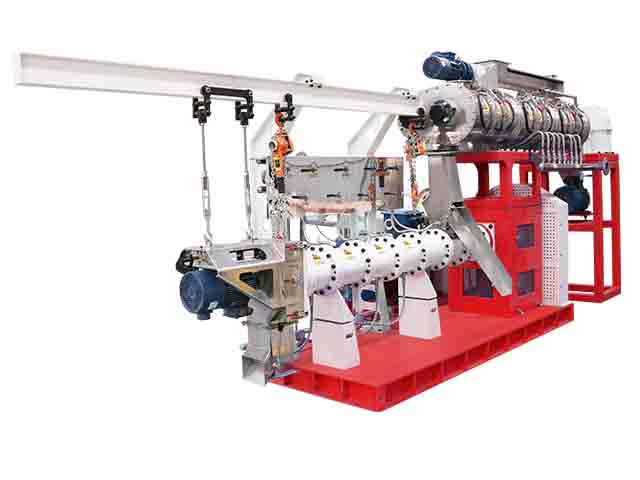
Large-scale mass production capacity (≥500 kg/h): Fully automated production lines. These integrate the entire process—from batching, grinding, pre-conditioning, extrusion, drying, cooling, coating, screening to packaging—and are controlled fully automatically via a PLC system. Utilising high-temperature, high-pressure steam maturation technology, they ensure stable product quality, uniform nutritional content and high yield rates, whilst fully complying with industry standards. They are suitable for large-scale, continuous mass production in industrial facilities.
Verification of Core Performance Parameters
When selecting equipment, particular attention must be paid to production capacity compatibility and voltage suitability. Parts in contact with materials must be made of food-grade stainless steel to ensure hygiene and safety. The equipment must be fitted with interchangeable dies ranging from 5–12 mm to accommodate pellet sizes for different dog breeds, whilst also featuring precise temperature and pressure control, variable-frequency speed regulation and overload protection systems. It must support quick disassembly and cleaning to ensure production safety and consistent product quality.
Budget and Operating Cost Assessment
Entry-level small-scale equipment offers good value for money and is suitable for beginners to test recipes; mid-range semi-automatic equipment is suitable for small-scale start-up projects, balancing quality and cost; large-scale fully automatic production lines require a higher initial investment. When selecting equipment, a comprehensive assessment of long-term operating expenses—including equipment purchase costs, daily energy consumption, replacement of parts and equipment maintenance—must be carried out to ensure the equipment aligns with your production objectives.
Compliance and After-Sales Support
Prioritise high-quality equipment with broad raw material compatibility and low moulding wastage rates. Commercial production equipment must comply with AAFCO and FDA production standards to ensure products are eligible for market distribution. Additionally, prioritise brands offering formal warranties, professional technical after-sales support and a stable supply of spare parts to ensure continuous and stable mass production.
How to Improve the Quality and Durability of Dog Food Pellets?
Formulation Optimisation
Scientifically optimise the ratio of protein, fat and starch to enhance pellet cohesion; utilise high-quality binders such as cereal starch and natural egg liquid to reinforce structural stability; strictly control the moisture and fat content of raw materials to prevent pellets from becoming overly crumbly and brittle; apply heat-sensitive nutrients uniformly via a post-coating process and add compliant antioxidants to extend the product’s shelf life.
Precise Control of Extrusion Parameters
During the pre-conditioning stage, ensure thorough hydration of the raw materials and complete starch gelatinisation; precisely match the extruder’s temperature, pressure and screw speed to avoid over-processing or insufficient cooking; standardise the feed moisture content to 20–30 per cent and stabilise the finished product’s moisture content at 8–12 per cent, thereby eliminating issues such as pellet cracking, crumbling and looseness at the process level.
Upgraded drying and cooling processes
Segmented gradient hot-air drying is employed to dehydrate the product simultaneously from the inside out, preventing the defect of the exterior being dry whilst the interior remains soft; uniform and balanced cooling is implemented to dissipate residual heat evenly from the pellets, preventing the formation of condensation. This effectively enhances pellet hardness, compactness and impact resistance, whilst reducing losses during transport and storage.
Standardised Coating and Quality Control
Functional protective coatings are applied uniformly to minimise pellet dust and debris; a comprehensive quality control system has been established, with routine testing of pellet durability indices, nutritional analysis, microbiological testing and shelf-life stability assessments, enabling continuous iteration and optimisation of production processes.
Meticulous Management of Details
Raw materials are finely ground to ensure uniform particle size; fresh ingredients are prioritised to minimise oxidation losses during storage; production equipment is regularly cleaned, calibrated and maintained; Homemade dog food can incorporate eggs and gelatine to enhance binding properties, whilst thorough dehydration at low temperatures comprehensively improves the quality of the finished product.
What Factors Affect Dog Food Pellet Production Efficiency?
Raw Material and Formulation Factors
The moisture content, particle size and consistency of raw materials directly determine the smoothness of the processing flow. A moderate starch content ensures stable gelatinisation and moulding, whilst excessively high fat content can cause equipment slippage and uneven output. Fine grinding of raw materials in advance and standardisation of quality can significantly reduce production losses and improve overall production efficiency.
Equipment and Production Line Compatibility
Equipment models must be precisely matched to production capacity to avoid bottlenecks and equipment idling; carry out regular maintenance, replace worn parts and remove residual material from equipment; ensure the coordinated operation of equipment throughout the entire process—including grinding, mixing, extrusion, drying and coating—to prevent bottlenecks in any single stage from hampering overall efficiency.
Process Parameter Control
Precisely regulate the steam volume, water addition and residence time during the pre-conditioning stage; ensure that the extrusion temperature, pressure, cutting speed and drying temperature are adapted to the characteristics of the formulation to avoid issues such as poor shaping, re-processing and substandard drying, thereby saving energy and reducing production time.
Operational and Management Standards
Automated control systems can effectively minimise human error; skilled operators can swiftly address production anomalies and reduce waste; minimising the frequency of frequent formula changes and machine cleaning, whilst adopting a dedicated production line model for large-scale production to stabilise output and reduce energy costs.
Environmental and External Factors
Excessively high or low temperature and humidity in the workshop can directly interfere with drying and cooling efficiency; an unstable raw material supply chain can easily lead to equipment downtime and production interruptions; non-standardised and inefficient quality control and compliance processes can slow down the overall production schedule.
Efficiency Improvement Plan
Regularly identify production line bottlenecks and optimise process adaptability using specialised formulation software; implement a preventive maintenance programme for equipment; routinely monitor key metrics such as production capacity, energy consumption and breakage rates; scale production according to demand to achieve stable, efficient and cost-effective standardised production.
Frequently Asked Questions About Dog Food Pellets
Does high-temperature extrusion cause significant nutrient loss?
High-temperature extrusion results in only a slight loss of heat-sensitive vitamins; reputable dog food brands all use a post-coating process to precisely replenish any nutritional gaps. At the same time, high-temperature extrusion thoroughly eliminates harmful bacterial colonies in the raw materials and ensures that starch and protein are fully gelatinised, significantly improving digestibility and absorption rates. The overall production benefits far outweigh the drawbacks of nutrient loss, so there is no need for undue concern.
Is homemade dog food safer than commercial dog food?
Homemade dog food, prepared without professional formulations or extrusion equipment, is highly prone to issues such as calcium-phosphorus imbalance, vitamin deficiencies and incomplete sterilisation. Long-term feeding can lead to skeletal disorders, weakened immunity and gastrointestinal diseases in dogs. Compliant commercial dog food features scientifically formulated recipes, mature production processes and strict quality control, making it more suitable as a dog’s long-term staple diet.
How can one prevent dog food pellets from being brittle and lacking durability?
Optimisation can be achieved across three dimensions: in terms of formulation, by adjusting the ratio of starch to fat to strengthen the binding structure; in terms of process, by ensuring thorough gelatinisation of ingredients and uniform drying and cooling; and in terms of equipment, by carrying out regular calibration and maintenance, as well as applying protective coatings to the finished product. These measures can effectively reduce breakage and improve the compactness and durability of the pellets.
What is the key to efficient production of dog food pellets?
The core of efficient mass production lies in stable raw material quality, appropriately matched equipment capacity, precise process parameters and standardised production procedures. Through coordinated management across the entire process, reducing equipment failures, material wastage and rework will maximise production efficiency and the yield of finished products.
Summary
This article comprehensively outlines the professional knowledge required for the entire dog food pellet production process, establishing a complete production technology system. Due to their balanced nutrition, ease of storage, wide applicability and high safety standards, extruded dog foods are the mainstream, scientifically formulated staple diet for dogs. High-quality dog food relies on scientific ingredient selection, compliant formulations, mature extrusion processes, suitable equipment and strict quality control. Compared to homemade food, it can precisely meet the nutritional needs of dogs at every life stage, thereby avoiding health risks. Dog food production is a meticulous, standardised systematic process, which can serve as a reference for pet owners or small-scale pet food start-ups, helping to standardise production, avoid pitfalls, and improve quality and efficiency.