Animal Feed Production Process
- I. Classification and Application of Core Raw Materials in Animal Feed Production
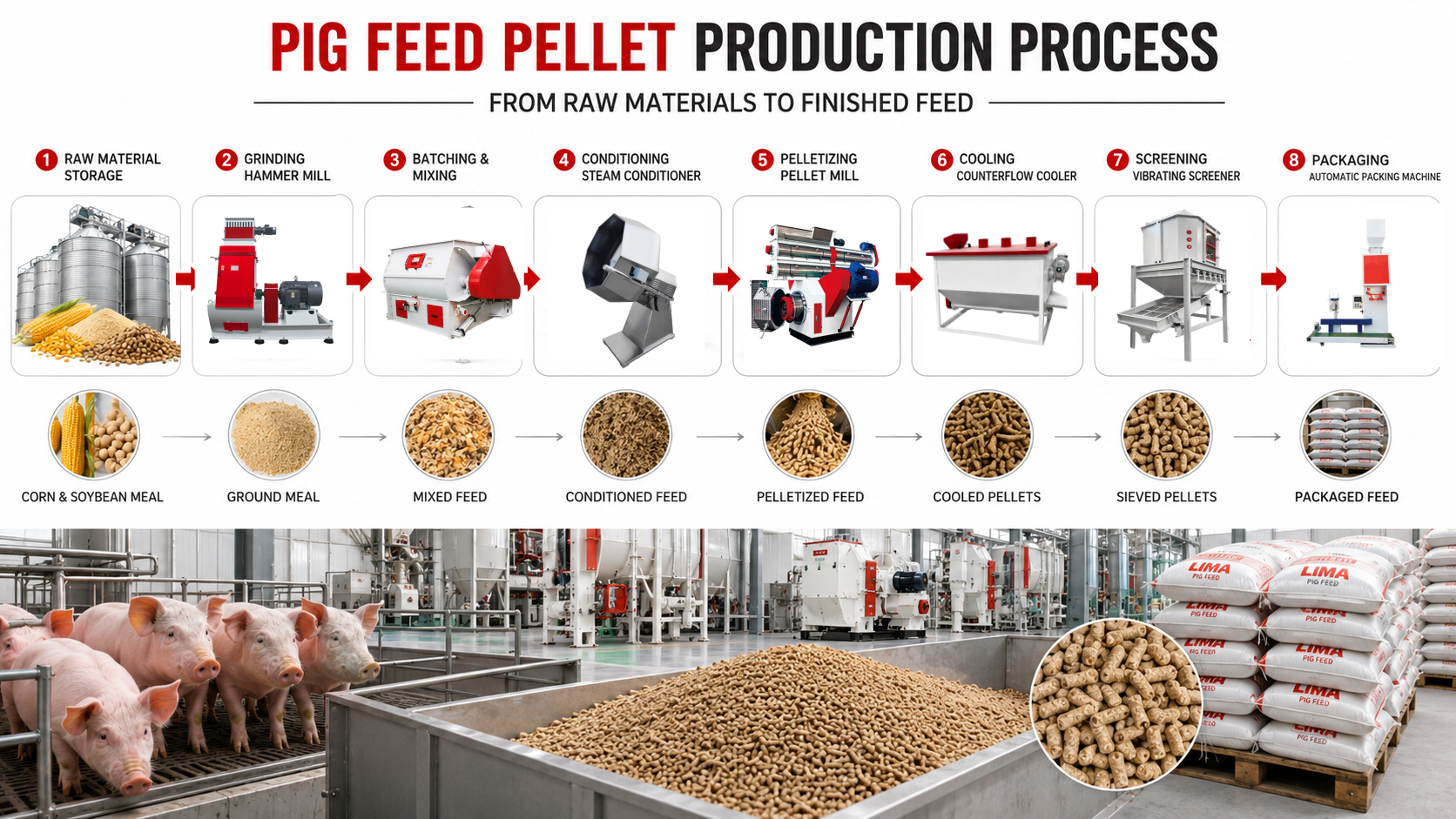
- II. The Complete Production Process for Modern Animal Feed
- III. Core Supporting Equipment System for Feed Production
- IV. Differentiated Adjustments to Feed Production Processes for Different Livestock
- V. Quality and Safety Control System for the Entire Feed Production Process
- VI. Common Challenges in the Feed Production Industry and Optimisation Solutions
- VII. How to Select a Suitable Animal Feed Production Line
Animal feed production is a specialised process that utilises industrialised turnkey equipment and scientifically formulated nutritional recipes to process various agricultural raw materials, processing by-products and nutritional additives into standardised compound feed; it forms the core supporting industrial system for the livestock, aquaculture and pet care sectors. In contrast to the rudimentary mixing methods used by small-scale farmers, modern feed production utilises standardised, refined and automated processing procedures to produce balanced rations tailored to different animal breeds, growth stages and farming purposes, precisely meeting the growth, reproduction and metabolic health requirements of various farmed animals.
I. Classification and Application of Core Raw Materials in Animal Feed Production
Feed raw materials form the fundamental basis for determining the quality, nutritional value and safety of finished feed; they are primarily derived from crops, food processing by-products and specialised nutritional preparations. The industry classifies raw materials into six major categories based on their function; when scientifically proportioned and combined to complement one another, these materials can establish a balanced, safe and highly bioavailable diet system for different farmed animals.
1.1 Energy Raw Materials (Sources of Carbohydrates)
Energy ingredients constitute the main component of feed, accounting for 50–70 per cent of the total formulation, and provide the basic thermal energy required for animal growth and metabolic activity. In production, cereals such as maize, wheat and sorghum serve as the primary energy sources, offering high energy density and broad applicability. Additionally, processing by-products such as wheat bran, rice bran and DDGS, as well as raw materials like cassava, can be used as substitutes to effectively control production costs.
1.2 Protein Sources (Core Nutrients for Growth)
Protein sources are key nutrients for animal muscle growth, tissue repair and immune system enhancement, and directly determine the efficiency of livestock production. Feed production relies primarily on plant proteins such as soya meal, which offer good value for money and are suitable for all categories of livestock and poultry farming. Animal proteins such as fishmeal, as well as novel insect proteins, are frequently used in feed for young stock, aquaculture and premium pet food to supplement high-quality amino acids.
1.3 Oil and Fat Ingredients (High-Concentration Energy and Functional Nutrition)
Oil and fat ingredients have an extremely high energy density, enabling them to efficiently supplement the calories required for animal metabolism whilst providing essential unsaturated fatty acids. Commonly used ingredients include vegetable oils such as soya bean oil and maize oil, as well as animal fats such as poultry fat and beef tallow, which are suitable for conventional livestock and poultry fattening production. Fish oil, as a specialised fat, is primarily used in aquaculture and premium pet feeds to optimise growth performance.
1.4 Crude Fibre Ingredients (Ensuring Intestinal Health)
Crude fibre ingredients are primarily used to maintain animal intestinal health and are a core nutritional source for herbivores such as ruminants, rabbits and horses. Natural forage ingredients such as alfalfa, silage and straw are commonly used in production to ensure normal rumen motility and a stable microbial flora. By-products such as beet pulp and soya hulls have a mild fibre texture and can be flexibly used to supplement the crude fibre content of feed.
1.5 Vitamin and Mineral Ingredients (Metabolic Regulators)
Vitamins and minerals are key micronutrients in feed; although added in small proportions, they play a dominant role in animal metabolism, skeletal development and reproductive capacity. Minerals include calcium, phosphorus, salt, and trace elements such as zinc and selenium, which maintain the body’s electrolyte balance and enzyme activity. Various vitamins are typically added precisely in the form of premixes to compensate for nutritional deficiencies in the base ingredients and ensure the healthy and stable growth of animals.
1.6 Functional Additives and Auxiliary Ingredients
Functional additives are compliant auxiliary ingredients used in modern animal feed to enhance quality, preserve freshness and improve efficiency; they are added in strictly limited quantities in accordance with industry standards. Biological auxiliary ingredients such as amino acids, probiotics and enzyme preparations can optimise nutritional composition, improve digestibility and reduce the incidence of diseases in livestock. Antioxidants, flavourings and preservatives, meanwhile, extend the shelf life of feed, improve palatability and meet the requirements of high-end feed production.
II. The Complete Production Process for Modern Animal Feed
In accordance with the industry standards of the American Feed Industry Association (AFIA) and the production specifications for modern domestic feed mills, animal feed production is carried out via standardised, fully automated assembly line operations. The entire process constitutes a fully closed-loop processing system, encompassing ten core stages. Each stage is equipped with dedicated machinery and standardised parameters, with quality control implemented at every level. This directly determines the nutritional uniformity, palatability, digestibility and feeding safety of the feed, and is the key to the mass production of high-quality industrial feed.
2.1 Raw Material Receipt, Inspection and Storage Management
Raw material receipt, inspection and storage constitute the first quality control checkpoint in feed production. Upon arrival at the factory, raw materials must undergo standardised procedures including weighing and registration, sampling and testing, and the removal of impurities. The factory prioritises screening for safety indicators such as mycotoxins, heavy metals and pathogenic bacteria; non-compliant raw materials are returned immediately, ensuring quality control from the source. Qualified raw materials are stored in temperature-controlled, zoned warehouses under a first-in, first-out (FIFO) system, with protective facilities in place to prevent moisture absorption, mould growth and cross-contamination.
2.2 Raw Material Grinding and Refinement
The raw material grinding process utilises hammermill and roller mills to refine hard, irregular raw materials into uniform particles, thereby optimising their physical properties. The factory adjusts the particle size according to the specific livestock being reared: feed for young stock is finely ground to enhance digestibility, whilst feed for ruminants is coarsely ground to retain crude fibre. Standardised grinding effectively prevents material stratification and loose pellets, significantly improving feed palatability and nutritional utilisation.
2.3 Automated Precision Batching Process
Automated precision batching relies on an intelligent computerised batching system, replacing traditional manual weighing to achieve high-precision quantitative blending of raw materials. The system distinguishes between bulk main ingredients and trace additives, blending them separately to avoid deficiencies or excesses of trace nutrients. The equipment calibrates weighing data in real time and maintains production records, ensuring that every batch of feed formulation complies with standards and maintains uniform and stable nutritional content.
2.4 Multi-dimensional Uniform Mixing Process
The uniform mixing process utilises specialised mixing equipment to achieve comprehensive blending of dry ingredients and liquid additives. The process is divided into two stages—dry mixing and liquid mixing—thoroughly eliminating issues such as nutritional stratification, localised nutrient deficiencies or enrichment in the feed. Production strictly adheres to industry standards for mixing uniformity, ensuring nutritional balance in every individual feed pellet and meeting the requirements of large-scale livestock farming.
2.5 Steam Conditioning and Forming
Steam conditioning and shaping are core processes for enhancing feed quality. High-temperature steam (70–90°C) is used to soften powdered ingredients, gelatinise starch and eliminate pathogenic bacteria. Depending on the feed category, either pelletising or extrusion processes are employed, catering respectively to conventional livestock and poultry feed, as well as aquaculture and pet feed production. Additionally, crushed pellets can be produced to suit the feeding needs of young animals, comprehensively optimising feed safety, palatability and water resistance.
2.6 Cooling, Drying and Screening for Purification
The cooling, drying and screening processes are designed for newly formed pellets, which are in a state of high temperature and humidity. By circulating cold air, the pellets are rapidly cooled and dehydrated, allowing them to harden and set. This process stabilises the moisture content of the feed within a safe range, effectively preventing mould growth and caking during storage and transport. At the same time, screening purifies the pellets to meet quality standards, whilst fine powder waste is recovered for reuse, thereby enhancing the appearance of the finished product and improving raw material utilisation.
2.7 Post-Processing Spraying for Fine-Tuning
Post-processing spraying is a precision quality-enhancement process for high-end feed, specifically designed to compensate for the loss of heat-sensitive nutrients caused by high-temperature processing. Using specialised spraying equipment, functional ingredients such as oils, probiotics and flavourings are evenly applied to fully preserve nutritional activity. This process allows for customised formulations to enhance the feed’s palatability and functionality, making it suitable for the production of high-value-added feeds such as those for aquaculture and pets.
2.8 Finished Product Packaging, Warehousing and Dispatch
Fully automated production lines are utilised for the packaging, warehousing and dispatch of finished products, carrying out integrated operations including weighing, sealing, inkjet coding and palletising. Feed is available in two formats: retail bagged products and bulk delivery. Product information is labelled throughout the process to ensure full traceability of production. Finished products are stored in temperature-controlled, zoned drying areas, with strict batch management and orderly dispatch on demand, thereby ensuring the freshness and consistent quality of the feed.
III. Core Supporting Equipment System for Feed Production
Modern feed production lines comprise an integrated, automated equipment system. The complete set of equipment is precisely configured to support each production process, covering the entire workflow from raw material reception, processing, and manufacturing through to moulding, quality control and packaging. The level of automation, precision and stability of the equipment directly determines production efficiency and finished product quality, and is suitable for the production requirements of large, medium and small-scale feed mills.
Equipment Classification | Core Equipment Types | Core Functions and Application Scenarios
Raw Material Reception and Conveying Equipment: Receiving hoppers, weighing scales, raw material storage silos, cleaning equipment (rotary screens / magnetic separators / stone removers), conveying equipment (bucket elevators / belt conveyors / screw conveyors / pneumatic conveying systems) to handle raw material unloading upon arrival, weighing and recording, impurity removal, and sealed, automated transfer. This ensures raw material purity from the source, eliminates contamination and wastage, and meets the requirements for efficient raw material flow in large-scale production
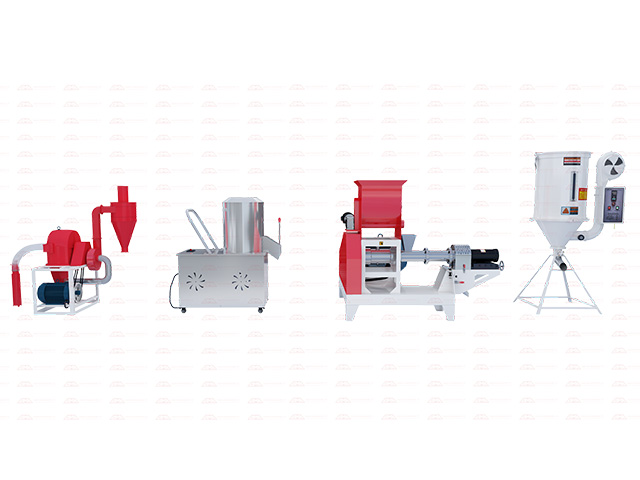
Crushing and Processing Equipment: Hammer mills and roller mills, combined with auxiliary equipment such as ultra-fine grinders and crushers, refine hard and irregular raw materials into uniform particles. Particle size is precisely controlled to meet the requirements of different animal feeds, effectively enhancing mixing uniformity, pellet formation quality and the digestibility and utilisation of nutrients by animals
Batching and Mixing Equipment: Fully automated computerised batching systems, high-precision electronic scales, proportioning controllers, screw ribbon/paddle/vertical mixers, and integrated liquid addition systems achieve high-precision quantitative blending of bulk raw materials and trace additives. These ensure thorough and uniform mixing of dry and wet raw materials as well as liquid ingredients, guaranteeing nutritional consistency in every batch of feed, with full traceability of production data throughout the process
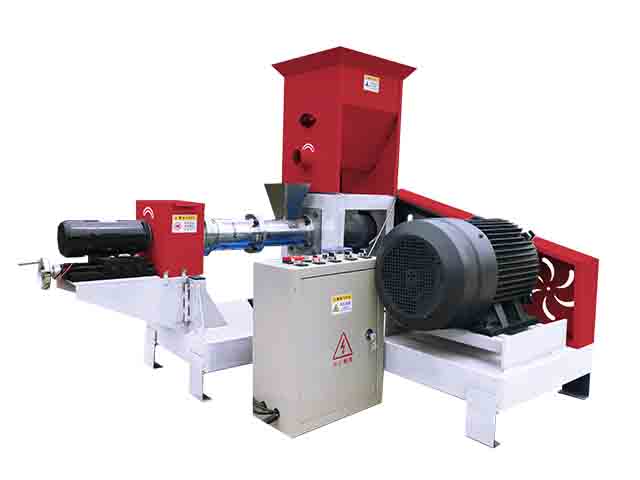
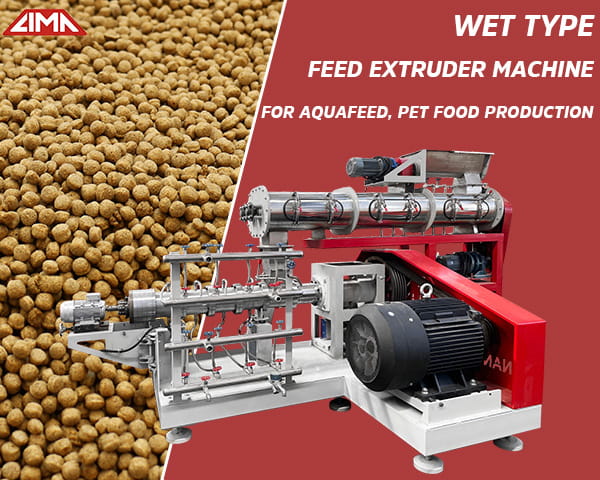
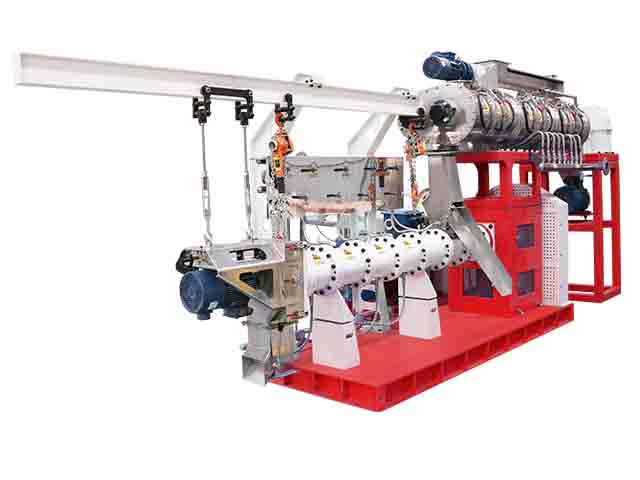
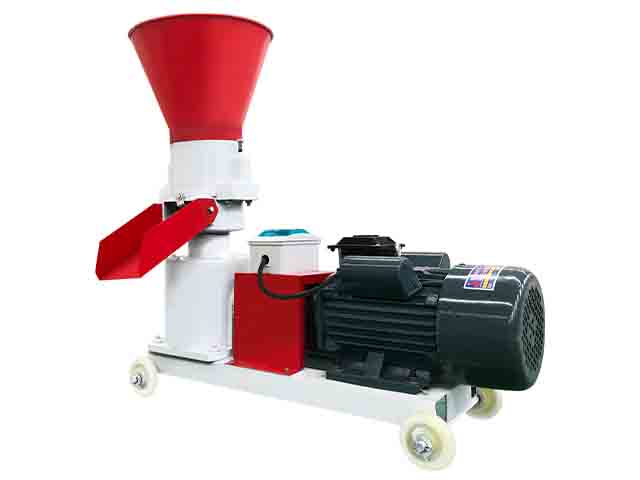
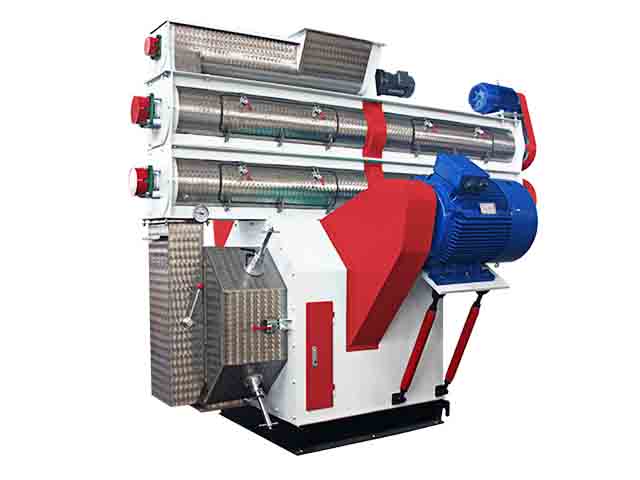
Conditioning, Pelletising and Extrusion Equipment: Steam conditioners, ring-die and flat-die pelletisers, and extruders, equipped with dies and rollers of various specifications, carry out high-temperature conditioning, sterilisation and softening of raw materials. Through pelletising and extrusion processes, the system accommodates the production of different feed categories—including conventional livestock and poultry feed, aquaculture feed and pet food—optimising feed safety, palatability, water resistance and nutritional properties
Cooling, Screening and Coating Equipment: Counter-current pellet coolers, multi-layer screeners and fully automatic coating machines ensure rapid cooling and shaping of high-temperature pellets, the screening and purification of compliant pellets, and the atomisation coating of functional ingredients. This safeguards pellet appearance and quality, whilst recovering fine powder waste for secondary use, meeting the requirements for refined quality enhancement in high-end feed production
Packaging and Storage Equipment: Fully automated packaging production lines (automatic weighers / sealing machines / inkjet coders / palletisers), finished product storage silos, temperature-controlled warehouses and intelligent warehouse management systems achieve fully automated feed packaging operations. These systems ensure standardised storage of finished products, batch management and end-to-end traceability, guaranteeing long-term quality stability of finished feed and meeting the requirements of both retail and bulk distribution
IV. Differentiated Adjustments to Feed Production Processes for Different Livestock
As there are significant differences in the digestive systems, feeding habits and nutritional requirements of various animal species, feed production must, building upon standardised processes, make targeted adjustments to particle size, conditioning parameters, extrusion processes, formulation ratios and post-processing methods. This ensures the production of specialised feeds suited to different farming scenarios. The key differentiated process adjustments are as follows:
4.1 Poultry Feed (Broilers, Laying Hens, Turkeys)
The core requirements for poultry feed are high energy content, balanced protein, good palatability, and ease of consumption and digestion. Laying hen feed requires additional fortification with calcium to meet egg-laying requirements. The raw materials are primarily based on maize and soya bean meal, supplemented with specialised vitamin, amino acid and mineral premixes. Broiler feed emphasises a high-energy, high-protein formulation to support rapid fattening and growth; Laying hen feed optimises the calcium-to-phosphorus ratio to ensure eggshell quality and sustained egg production capacity. In terms of processing, fine-grain grinding is employed; feed for chicks is processed into powdered or crumbled forms, whilst standard pellets are used for adult poultry. Conditioning is carried out at a moderate temperature, requiring only mild gelatinisation; the fat content of the feed is controlled to avoid placing a burden on the poultry’s digestive system, ensuring that the feed remains easily digestible, low in dust and highly bioavailable throughout the entire process.
4.2 Swine Feed (Piglets, Fattening Pigs, Sows)
Swine feed is produced using a stage-specific, precision production model, divided into four main types: suckling pig starter feed, piglet grower feed, fattening feed and sow feed. The core requirements are high digestibility and precise energy-to-protein ratios, tailored to the growth characteristics of pigs at each stage. Formulations include an appropriate increase in the proportion of added fats and oils, combined with digestive enzyme preparations, to enhance nutritional absorption efficiency. In terms of processing, medium-to-fine grinding is employed; conventional feed is pelletised, whilst feed for young piglets is extruded. This involves high-temperature, high-pressure cooking to gelatinise the starch, thereby reducing antinutritional factors and minimising diarrhoea in piglets. The intensity of heat treatment is strictly controlled during production to prevent high temperatures from destroying heat-sensitive nutrients, ensuring the feed remains gentle and easily digestible.
4.3 Ruminant Feed (Cattle, Sheep)
Ruminants such as cattle and sheep possess a specialised rumen digestive system; their core nutritional requirements are high crude fibre content and a balanced ratio of energy to protein, which ensure the stability of the rumen microbiota and intestinal health. The formulations significantly increase the proportion of roughage such as alfalfa, silage and straw, combined with slow-release protein and protected fat ingredients, to suit the metabolic characteristics of ruminants. In terms of processing, coarse grinding is employed to preserve the structural integrity of the crude fibre in the raw materials, thereby stimulating ruminal peristalsis; powdered and textured feed forms are commonly used, whilst concentrate feeds are produced using a moderate pelletisation process; grain utilisation can be optimised through a steam-flaking process for maize, minimising high-intensity thermal processing to maximise the retention of crude fibre activity and nutritional integrity, whilst avoiding disruption to the ruminal digestive system.
4.4 Aquaculture Feed (Fish, Shrimp and Crabs)
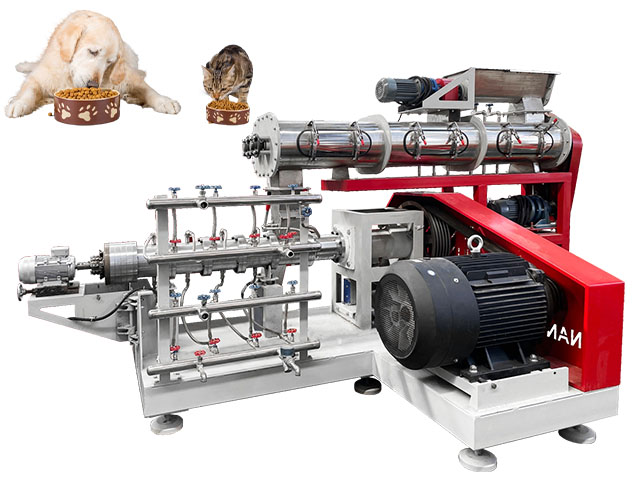
The core requirements for aquaculture feed are high protein content, high water resistance, low pollution and controllable buoyancy, to prevent feed from dissolving and polluting the water or causing nutrient wastage. Formulations increase the proportions of fish meal, animal protein and fats to suit the carnivorous and omnivorous feeding habits of aquatic animals. The manufacturing process centres on extrusion; high-temperature, high-pressure extrusion enhances the gelatinisation of starch and the binding properties of the pellets, enabling different buoyancy effects—such as floating, sinking or slow-sinking—to suit the feeding habits of aquatic animals at various water depths. The use of ultra-fine grinding ensures a more uniform particle size, and when combined with a subsequent oil-spraying process, this significantly improves the palatability and water resistance of the feed, thereby reducing pollution from uneaten feed in the water.
4.5 Pet Feed (Dogs and Cats)
Pet feed for cats and dogs focuses primarily on high palatability, complete nutrition and gastrointestinal compatibility; cat feed requires the addition of specific nutrients such as taurine. Formulations are centred on high-quality animal protein, combined with appropriate amounts of cereals, fruit and vegetables, and functional nutritional additives, with nutritional ratios tailored to the physiological needs of pets. The production process utilises high-temperature extrusion throughout to create a crisp, crunchy pellet texture, enhancing the feeding experience; ultra-fine grinding ensures the feed is fine-textured and easily digestible, whilst multi-layer spraying of oils and flavourings after extrusion further enhances palatability. Additionally, dedicated production lines for wet food canning and sterilisation are in place to enable diversified production of both dry and wet foods, meeting the varied needs of pet owners.
4.6 Feed for Other Specialised Animals
For herbivorous specialised animals such as horses and rabbits, feed production centres on a high-fibre formulation. Mild processing techniques are employed to avoid excessive heat treatment that could damage the structure of crude fibre; coarse-particle and textured feeds are predominantly produced to ensure gut health. For feeds intended for various specialised economic animals, formulations and processing parameters are specifically adjusted according to their physiological characteristics and feeding habits, enabling customised production.
V. Quality and Safety Control System for the Entire Feed Production Process
Quality, safety and nutritional stability constitute the core competitiveness of feed enterprises. Modern feed production strictly adheres to the HACCP (Hazard Analysis and Critical Control Points) system and GMP (Good Manufacturing Practice), whilst also complying with FSMA, EU feed standards and domestic industry regulations. A closed-loop quality control system is established throughout the entire production process to eliminate safety hazards from raw materials to finished products, ensuring that feed is compliant, safe and of high quality.
5.1 Quality Control for Raw Material Incoming and Storage
A 100 per cent sampling and testing regime is implemented for incoming raw materials. Through various methods—including rapid near-infrared spectroscopy analysis, precise laboratory testing, enzyme-linked immunosorbent assays (ELISA) and microscopic examination—we comprehensively screen for indicators such as moisture content, nutritional components, mycotoxins, heavy metals, pathogenic bacteria and pesticide residues; non-compliant raw materials are rejected outright. During storage, raw materials are stored by zone and category, with real-time monitoring of temperature and humidity, regular ventilation and disinfection, and pest control measures. The first-in, first-out (FIFO) principle is strictly enforced, and regular stock-taking and inspections are carried out to prevent issues such as moisture absorption, mould growth, contamination and expiry.
5.2 In-Process Quality Control
During the grinding process, particle uniformity is regularly screened and tested, equipment parameters are calibrated, and magnetic separation equipment is inspected to prevent the introduction of metallic impurities; during the formulation stage, weighing equipment is regularly calibrated and formulation parameters verified to ensure precise proportions; during the mixing stage, mixing uniformity is regularly tested to prevent nutrient segregation; during the conditioning, pelletising and puffing stages, steam temperature, pressure and processing duration are monitored in real time to ensure the thorough elimination of pathogenic bacteria whilst preventing excessive nutrient degradation; during the cooling and screening stages, strict control is exercised over the moisture content and pellet integrity of the finished product to eliminate the risk of mould growth. Equipment is thoroughly cleaned and disinfected throughout the process to prevent cross-contamination between different feed categories, with a particular emphasis on strictly separating production lines for medicated feed and standard feed.
5.3 Final Quality Control for Finished Products
Finished feed must undergo final testing prior to packaging, including routine nutritional analysis (protein, fat, fibre, ash), contaminant testing and microbiological testing, whilst product labels, batch information and formulation parameters are verified to ensure full compliance. For certain high-risk feed categories, a ‘no release until testing is passed’ policy is implemented; finished products that have not undergone testing are temporarily sealed to prevent non-compliant products from entering the market. At the same time, a comprehensive batch traceability system is established, enabling each batch of feed to be traced back to its raw material sources, production processes, test data and operators, thereby achieving end-to-end traceability and control.
5.4 Systematic Compliance Management
Feed mills maintain comprehensive production logs, testing records and equipment maintenance logs, and conduct regular internal quality control audits and third-party compliance audits; they routinely organise staff skills training, safety training and hygiene management to standardise operational procedures; they implement regular equipment maintenance and standardised cleaning regimes for production lines, adhering to Sanitation Standard Operating Procedures (SSOP), to comprehensively ensure production compliance and product safety, whilst meeting domestic and international regulatory standards for the feed industry.
VI. Common Challenges in the Feed Production Industry and Optimisation Solutions
Currently, industrialised feed production generally faces industry-wide challenges such as raw material price volatility, difficulties in quality control, equipment wear and tear, excessive energy consumption, compliance pressures, and the need to enhance environmental performance. These issues directly impact production costs, product quality and corporate competitiveness; targeted optimisation and upgrading are therefore the core focus for feed enterprises seeking to improve quality and efficiency.
6.1 Raw Material Price Volatility and Cost Control Challenges
The prices of core raw materials such as maize and soya meal fluctuate sharply due to climatic, geopolitical and supply chain factors. Furthermore, there are variations in nutritional content, moisture levels and impurities between different batches of raw materials, whilst the quality stability of by-product raw materials is even poorer. This can easily lead to reduced formulation adaptability, nutritional inconsistencies in finished products and uncontrolled production costs. The recommended solution is to establish a multi-supplier partnership system to diversify raw material procurement risks; to test incoming raw materials batch by batch; to dynamically fine-tune formulations based on actual nutritional data; to utilise low-cost formulation software for intelligent optimisation of ingredient ratios; and to make judicious use of alternative raw materials such as DDGS and rapeseed meal to reduce production costs whilst ensuring nutritional adequacy and stabilising product quality.
6.2 Challenges in Quality and Safety Control
During production, issues such as mycotoxin contamination, excessive microbial levels, cross-contamination, uneven mixing and inconsistent pellet quality are common, which can easily lead to livestock diseases, product recalls and regulatory penalties. The optimisation strategy involves strengthening end-to-end HACCP controls, focusing on key control points such as raw material testing, conditioning and sterilisation, and finished product screening; strictly implementing zoned production and dedicated equipment cleaning to eliminate cross-contamination between different feed formulations; and regularly calibrating production and testing equipment to ensure processing precision and the accuracy of quality control, thereby mitigating quality and safety risks from multiple dimensions including process, equipment and management.
6.3 Equipment Operation, Maintenance and Energy Consumption Challenges
Core equipment such as crushers, pelletisers and extruders, when operated at high loads over extended periods, is prone to issues such as component wear, equipment blockages and breakdowns, resulting in production interruptions and loss of capacity; simultaneously, the pelletising and extrusion processes are extremely energy-intensive, whilst equipment operating efficiency remains low, thereby increasing energy costs. The optimisation strategy involves establishing a preventive and predictive maintenance system. By using sensors to monitor equipment temperature, vibration and operational load in real time, potential faults can be identified in advance; regularly replacing worn parts and lubricating and maintaining equipment reduces unplanned downtime; and optimising equipment operating parameters—adjusting grinding, conditioning and pelletising settings to match raw material characteristics—enhances operational efficiency and reduces energy consumption per unit of output.
6.4 Regulatory and Environmental Pressures
Regulatory standards in the global feed industry are continuously being tightened, with increasingly stringent requirements regarding the use of additives, the control of medicated feed, pollutant emissions and product traceability. At the same time, environmental regulatory pressures concerning dust, energy consumption and carbon emissions from feed production continue to intensify. The optimisation plan involves regularly monitoring industry compliance standards, improving production records and traceability systems, and standardising procedures for the use of additives and medicinal raw materials; upgrading dust extraction, noise reduction and wastewater treatment equipment to control dust pollution and environmental impact; and optimising production processes to reduce energy consumption and raw material wastage, thereby promoting green, low-carbon production models.
6.5 The Challenge of Matching Labour with Production Capacity
The industry is generally characterised by a shortage of specialised technical personnel, significant errors in manual operations, and unreasonable production capacity allocation. Small-scale factories are highly reliant on manual labour and have low levels of standardisation, whilst large-scale factories are prone to issues such as mismatches between process capacity and production capacity, as well as equipment idling or congestion. The optimisation plan involves upgrading to automated and intelligent production lines to replace repetitive manual tasks such as micro-dosing of ingredients and packaging; conducting specialised training for staff to improve operational standardisation and quality control awareness; optimising the sequencing of production line processes to align capacity across all stages, thereby eliminating production downtime and bottlenecks and improving overall production efficiency.
VII. How to Select a Suitable Animal Feed Production Line
The selection of a feed production line is a critical step in establishing and commissioning a feed plant, as well as in improving quality and efficiency; it directly determines the plant’s maximum production capacity, the range of products it can produce, energy consumption levels and long-term operational profitability. A properly matched production line can effectively avoid common issues such as equipment idling, production capacity imbalances and unstable product quality. The mainstream selection logic in the industry involves a comprehensive assessment across five key dimensions—product positioning, production capacity, budget and operational maintenance, site conditions, and long-term expansion—to precisely meet the production and operational needs of different enterprises.
7.1 Matching Production Line Process Types to Product Categories
When selecting a production line, priority should be given to matching the production process to the main feed categories produced, as processing standards and equipment configurations vary significantly between different feed categories. Conventional livestock and poultry feeds—such as those for pigs, chickens, cattle and sheep—are suited to traditional pelletising production lines, which feature mature processes, stable production capacity and economical energy consumption, making them ideal for the large-scale mass production of mainstream pelletised feeds. Aquaculture feed and premium pet feed impose stringent requirements on pellet water resistance, formation quality and palatability; high-temperature, high-pressure extrusion production lines must therefore be selected to ensure the finished products meet quality standards. Enterprises producing multiple product categories may opt for modular combined pelletising and extrusion production lines, which allow for flexible switching between production modes to accommodate a diversified product portfolio.
7.2 Determining Equipment Specifications Based on Production Capacity
Selecting the appropriate production line capacity based on market sales and business scale is key to avoiding wasted capacity or equipment operating beyond its limits. Small-scale farming operations and start-up processing facilities are best suited to small production lines with a capacity of 1–5 tonnes per hour; these are simple to operate, have a low investment threshold, and can meet local small-batch production and regional supply requirements. Regional medium-sized feed enterprises are best suited to medium-sized production lines with a capacity of 5–10 tonnes per hour, which balance automation levels with production flexibility to support bulk supply and stable output. Large, standardised feed factories require fully automated production lines with a capacity of 10 tonnes per hour or more, capable of supporting round-the-clock continuous operation to meet the demands of large-scale, standardised mass production.
7.3 Matching Equipment Configuration to Budget and Operational Capabilities
When selecting a production line, it is essential to balance the initial investment budget against subsequent operational and maintenance costs, and to match the level of automation to specific requirements. For scenarios with limited budgets and small-scale production, a basic semi-automatic production line may be selected; these feature a complete set of core processing equipment, a simple structure and a low failure rate, enabling effective control of initial investment costs. For medium- to large-scale production enterprises, priority should be given to fully automated production lines featuring PLC intelligent control, automatic batching and data traceability, thereby reducing manual intervention and significantly enhancing production precision and operational efficiency. At the same time, preference should be given to equipment with standardised components and a comprehensive after-sales support system to reduce the overall costs of future operation, maintenance and equipment upgrades.
7.4 Adapting Production Line Layout to Site Conditions
The selection of production lines must be fully adapted to the site’s spatial specifications and infrastructure conditions to ensure efficient, compliant and stable production. Large factory premises with spacious, well-organised layouts are suited to linear assembly lines, where materials flow in a single direction and processes are closely integrated, thereby maximising capacity utilisation. For small and medium-sized factory premises with limited space, U-shaped modular production lines are recommended; these have a small footprint and flexible layouts, enabling efficient operations within confined spaces. At the same time, consideration must be given to supporting facilities such as the site’s electrical load, water supply and waste disposal, and dust extraction and noise reduction systems. Production lines should be selected that are energy-efficient, meet environmental standards and comply with workplace safety regulations, thereby avoiding adaptation issues upon commencement of operations.
7.5 Allowing for Future Upgrades in Line with Long-Term Development Plans
The selection of production lines must not merely meet current production requirements; it must also allow for sufficient scope for future upgrades in line with the enterprise’s long-term development plans. Priority should be given to production lines with a modular design, where the basic modules can support the stable mass production of standard feed, ensuring the orderly conduct of initial production and operations. At a later stage, functional modules such as extrusion, oil spraying, fine screening and intelligent traceability can be flexibly added in response to market expansion and product upgrade requirements, without the need to replace the entire system. This approach effectively mitigates the risk of rapid equipment obsolescence, reduces long-term investment costs and supports the enterprise’s long-term development needs for capacity expansion and product range diversification.