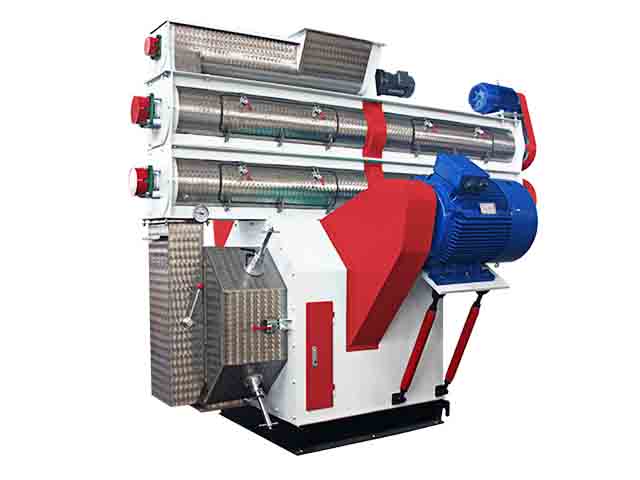
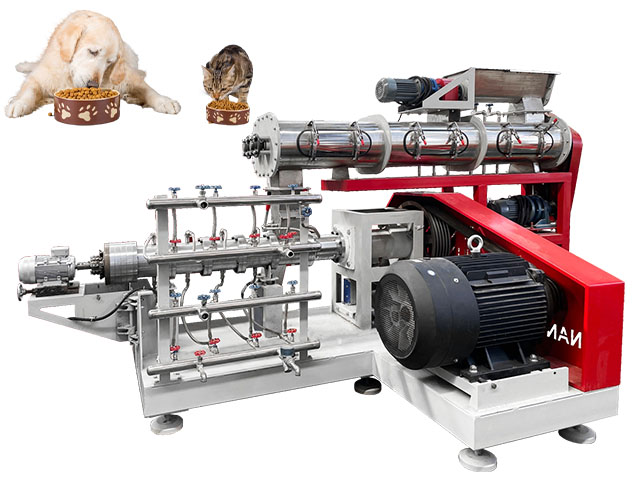
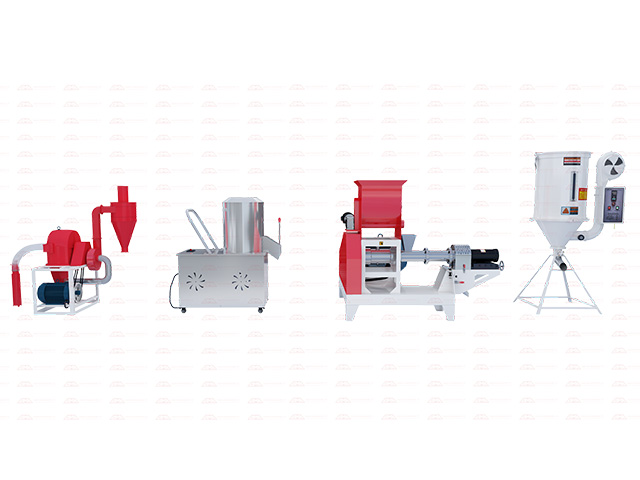
Factors Affecting Pellet Mill Die Life
In feed processing, biomass pelletizing, wood pelletizing and other production lines, pelletizer ring die is the core vulnerable parts, but also determines the production efficiency of equipment, finished product quality and production costs of key components. The so-called service life of the ring mold of the granulator refers to the complete operation time of the ring mold from being put into use to excessive wear, reduced granulation efficiency and failure under normal conditions.
As the core of consumables cost of particle production line accounting for more than 70%, the service life of ring mold directly determines the economic benefit of the whole production line. Many processing plants frequently face problems such as premature wear, cracking, hole plugging and uneven discharge of ring dies, which not only increase the replacement cost of parts, but also cause a series of chain problems such as downtime, substandard finished particle quality and soaring energy consumption. This article will deeply analyze the core value of ring mold life, five key influencing factors, practical life extension scheme and common mistakes in the industry to help enterprises accurately reduce costs and increase efficiency.
Why must we attach importance to ring die life extension?
Most processing plants focus on equipment capacity, but ignore the core influence of ring mold life on production line benefit. Good ring mold operation and maintenance can optimize production from cost, capacity, quality, energy consumption and equipment stability. The ring mold is the core high-priced consumables of the pellet machine, accounting for more than 70% of the total consumables cost of the factory. Frequent replacement will increase the spare parts and labor costs, and will also cause downtime and production loss. Extending the life of the ring mold can effectively ensure the continuous and stable operation of the production line. At the same time, the ring die in good condition can maintain stable compression ratio and extrusion effect, avoid quality problems such as uneven particle size, high powder rate and poor durability, and stabilize product reputation; while aging ring die will increase material extrusion friction, increase equipment load and production energy consumption, optimizing ring die conditions can effectively save energy and reduce costs. In addition, the ring mold and the pressing roller and other core parts are precisely linked, the operation and maintenance are standardized, the service life of the ring mold is prolonged, the chain wear of the parts can be avoided, the probability of equipment failure can be reduced, and the operation stability of the whole machine can be improved.
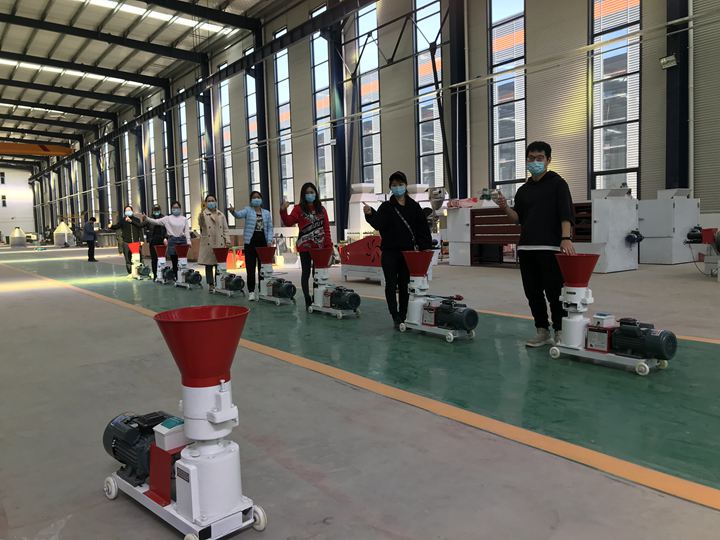
Factor 1: ring mold material and manufacturing process
The material of ring die is the core foundation to determine its wear resistance, crack resistance and corrosion resistance, and it is also the fundamental reason for the difference in service life of different ring dies. The steel composition, hardness and toughness directly determine the wear resistance of ring die under high pressure and high friction granulation conditions. Different materials on the market ring mold adaptation scene difference: high chromium stainless steel (4Cr13/X46Cr13) hardness up to HRC50-60, wear and corrosion resistance, life is 3 times that of ordinary carbon steel, is the mainstream choice of conventional livestock feed production; alloy structural steel toughness, impact resistance, carburized hard inside tough, suitable for biomass, high minerals and other high wear materials production;45 carbon steel low cost but poor wear and corrosion resistance, easy to reaming deformation, only suitable for small simple granulation conditions; 316L special stainless steel has outstanding corrosion resistance and is mostly used in humid and corrosive production scenarios such as aquatic products and pet feed.
Under the premise of high quality materials, fine manufacturing technology is the key to prolong the life of ring die and stabilize the quality of granulation. The core includes two links: heat treatment technology and die hole processing accuracy. The standard heat treatment process can balance the hardness and toughness of steel, avoid the ring mold too hard cracking, too soft and rapid wear; and high-precision grinding, uniform aperture, tolerance controllable die hole, can reduce the extrusion resistance of materials, reduce friction loss. On the contrary, ring dies with substandard heat treatment, rough inner wall of die holes and large hole diameter deviation will have problems such as uneven stress, local wear and frequent plugging, which not only greatly shortens the service life, but also directly affects the overall quality of finished particles.
Factor 2: Material formulation ratio
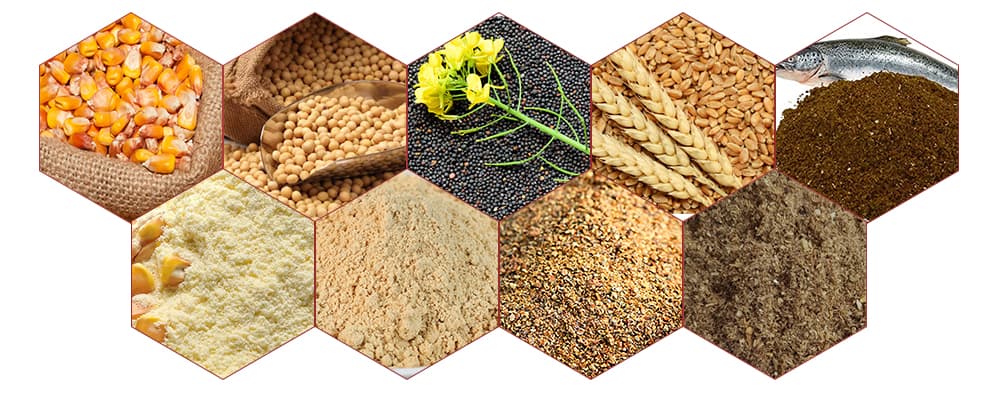
Material formula is the core variable that affects the daily wear rate of ring die. The fiber content, grease ratio and physical properties of material will directly change the friction force and extrusion force in the granulation process, and finally determine the overall wear rate of ring die. Layer feed, ruminant feed and all kinds of biomass raw materials with high fiber have rough structure, high extrusion resistance and high friction coefficient, which will continuously aggravate ring die wear and greatly shorten service life in long-term production, while low-fiber and soft materials such as broiler feed are extruded more smoothly and wear consumption of ring die is lower. Reasonable grease ratio can play a key role in lubrication protection, production of 1.5% to 4% of grease addition, can form a uniform natural lubrication layer on the material and the inner wall of the die hole, effectively reduce friction resistance, reduce ring mold load, insufficient grease will lose lubrication effect, accelerate equipment wear, excessive grease will weaken the particle molding effect, reduce the quality and stability of the finished product.
The frequent switching of impurity components in raw materials and production formulas is also an important reason for premature aging of ring molds. Hard impurities such as silica, sand and mineral powder mixed in raw materials are equivalent to abrasives for continuously grinding die holes, which will continuously wear the edges and walls of die holes, resulting in enlarged pore diameter and rough hole wall, which is the main cause of premature failure of ring dies in biomass and coarse grain feed production lines. In addition, frequent switching of material formulas with large differences in characteristics during the production process, if the operator does not timely match and adjust the ring mold compression ratio, equipment pressure, feed speed and other working conditions parameters, will lead to unbalanced ring mold force, long-term abnormal load state, resulting in continuous fatigue loss, and ultimately greatly shorten the normal use cycle of ring mold.
Factor 3: Raw material crushing particle size
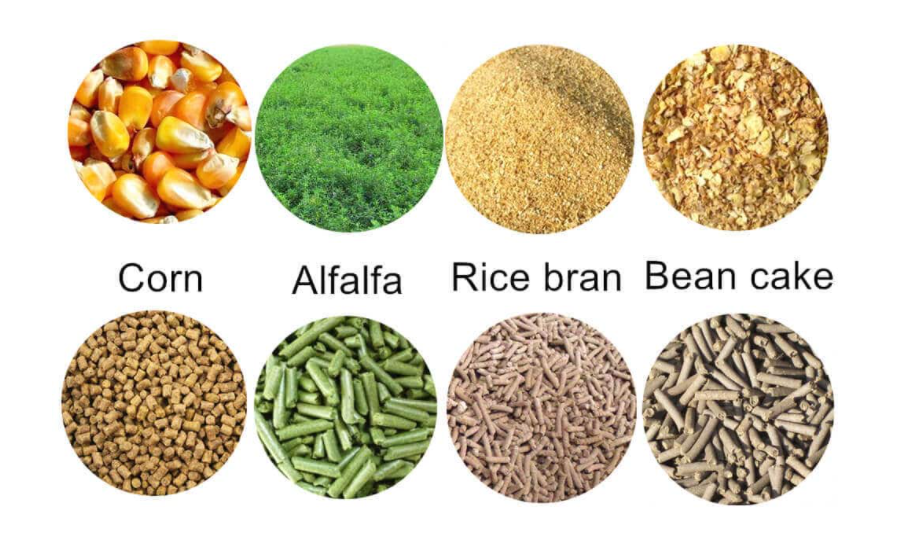
Raw material grinding granularity is easy to be ignored by production personnel, but the most important factor affecting the loss, material particle size uniformity, thickness, will directly change the flow state of the material in the granulation chamber, extrusion uniformity and the overall stress of the ring die, is the key details to control the ring die wear rhythm. After a large number of industry practical operation verification, the grinding particle size of 600-900 microns is the gold standard for most feed and biomass granulation conditions. The material fluidity in this particle size range is moderate and the extrusion stability is strong. It can adapt to the ring die hole structure to the greatest extent, ensure the smooth operation of granulation operation, and effectively delay the fatigue wear of ring die. Stable and standard grinding particle size, can make the material in the whole process of quenching, feeding, extrusion molding uniform stress, avoid local pressure concentration, reduce the abnormal loss of ring mold from the source.
Once the material crushing process is not controlled in place, the particles are too large, the thickness is uneven, and the crushing fineness is not up to standard. When the material enters the ring die hole, the force imbalance will occur, and it is easy to form local high pressure extrusion points on the inner wall of the die hole and the edge of the orifice. Long-term high-pressure concentration will cause rapid wear of die holes, scratches on inner walls, irregular expansion of hole diameter, and in severe cases, frequent hole plugging, material jamming and shutdown, which will greatly affect production continuity. At the same time, coarse large particle materials mixed with sand, dust and other hard impurities will continue to polish and scour the inner wall of the die hole like abrasives, which will continue to aggravate the wear of the ring die. In addition, the uneven particle size of the material can not be fully integrated with steam and moisture, which will lead to poor conditioning effect, uneven drying and drying of the material, further increase the granulation extrusion resistance, increase the equipment operating load, and long-term continuous operation will greatly shorten the overall service life of the ring mold. At the same time, it will also cause derivative problems such as increased powder rate of finished particles, loose particles and unstable quality.
Factor 4: Daily maintenance habits
Even if the ring mold material, material formula and crushing process are up to standard, irregular daily maintenance will still cause premature wear, plugging, rust and damage of the ring mold. Industry data show that more than 80% of the ring mold early scrap is not a product quality problem, but a man-made loss caused by lack of maintenance and improper operation. Normalized and standardized maintenance is the core controllable means to prolong the life of ring mold and stabilize granulation conditions, which can effectively avoid hidden dangers of equipment, balance operating load, reduce friction loss, give full play to the use value of ring mold, and reduce the replacement cost of consumables and downtime loss.
Perfect ring mold maintenance covers the whole process of equipment startup, production, shutdown and idle. Before shift, check the state of ring die plate surface and die hole, check the hidden trouble such as blockage, crack, deformation, etc., and avoid production with fault; regularly clean magnetic absorption device during production, remove metal impurities in materials, and prevent die hole scratch and edge collapse damage. After shutdown of each shift, it is necessary to wash the die hole with oil mixture, clean up residual materials, and avoid residue drying and blocking holes and ring die corrosion. The gap between the pressure roller and the ring die should be calibrated regularly to ensure uniform pressure, and the ring die should be turned over every 200-250 hours to achieve uniform wear. Idle ring mold shall be stored in dry and clean environment, with moisture, dust and anti-collision protection, so as to maintain ring mold performance in all directions and delay equipment loss.
Factor 5: Technical experience of operators
On the basis of the material, material formula, crushing process and daily maintenance of the ring mold are up to standard, the professional level of the operator and the degree of operation specification are the key human factors that determine the actual service life of the ring mold. The premature failure problems of most ring dies, such as premature cracking, hole plugging, partial wear and fatigue damage, are not quality defects, but caused by irregular operation, delayed parameter adjustment and wrong judgment of working conditions. Granulation production conditions are dynamic and changeable, material dryness, hardness, ambient temperature and equipment wear state will change in real time, professional operators can control the equipment operating state in real time, flexibly adjust parameters, avoid abnormal loss in advance, effectively extend the service life of ring mold, and inexperienced operation is easy to accelerate ring mold wear aging.
Standardized full-process operation is the core measure to delay ring mode loss, covering all links of equipment start-up and shutdown, production operation, refueling adjustment and daily maintenance. Standard startup preheating and shutdown flushing operation can avoid ring mold material fatigue and mold hole cracking caused by thermal shock, and ensure the stability of mold hole structure. During the production process, operators need to accurately adjust the roller gap, feed speed and steam conditioning parameters according to the material formula to stabilize the moisture content of the discharge material in the optimal range of 14%-16%, improve the fluidity of the material and reduce the extrusion wear of the die hole. At the same time, it is necessary to monitor the vibration, noise, current and finished product quality of the equipment in real time, and timely check the hidden dangers such as die hole blockage, uneven cloth distribution and wear of accessories. When replacing the production formula, it is necessary to adjust the compression ratio of the ring mold, the speed of the equipment and other parameters synchronously to adapt to different material characteristics and avoid overload wear caused by mismatch of working conditions. In addition, regular turnover, inspection and maintenance of the ring mold can balance the wear degree of the disk surface, eliminate local excessive loss, and comprehensively ensure the long-term stable operation of the ring mold.
Practical Operation Scheme for Extending the Life of Ring die feed making machine
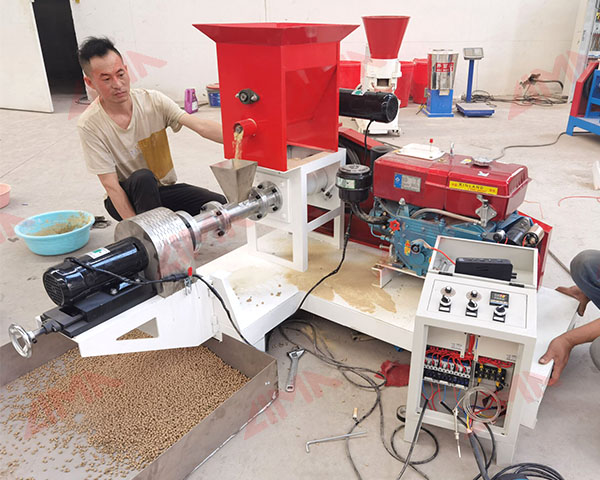
In combination with the above five core influencing factors, the following is a set of practical operation scheme for ring mold life extension that can be directly landed on the ground, taking into account economy and practicality, which can help the processing plant to maximize the service life of ring mold and effectively reduce the comprehensive consumables and operation and maintenance costs of the whole production line.
Accurate selection to match production conditions
The ring mold selection is the basic premise for prolonging the service life, and the corresponding materials and specifications need to be selected according to different production materials and working conditions. High chromium stainless steel ring mold is preferred for conventional livestock feed production. In the face of heavy load conditions such as high abrasive biomass raw materials and high mineral feed, it is suitable for alloy carburizing ring mold. Aquatic feed, pet feed and other production scenarios with high requirements for corrosion prevention and hygiene are suitable for special stainless steel ring mold. At the same time, it is necessary to match the reasonable ring mold compression ratio aperture and mold thickness in combination with the material characteristics, so as to eliminate the abnormal wear and premature aging caused by the mismatch of selection from the source.
Optimize material formulation and raw material pretreatment
Scientific optimization of material formula can effectively reduce ring die extrusion friction loss, production can be stable control of grease addition in 1.5%-4%, rely on grease to form a natural lubricating layer to reduce die hole wear. At the same time, the pretreatment of raw materials shall be done well, and abrasive impurities such as sand and metal mixed in raw materials shall be cleaned in advance to reduce grinding damage of hard particles to die holes. For high-fiber materials easy to wear, try to fix the special ring mold production, reduce the frequent switching of different characteristic formulas, and avoid the ring mold fatigue loss caused by large fluctuation of working conditions.
Strictly control the particle size of raw materials
Uniform standard grinding particle size is the key to stable granulation and balanced ring die stress. Production enterprises need to regularly check the wear state of the crusher screen and hammer, and replace the worn parts in time to ensure the grinding effect. Through screening and detection, the fineness of materials is strictly controlled, and the particle size of raw materials is stably maintained in the optimal range of 600-900 microns in the industry, ensuring uniform and consistent material particles, avoiding local high pressure wear and plugging of die holes caused by uneven thickness and large particle materials, and continuously protecting the stability of ring die working conditions.
Implement standardized daily maintenance work
Normalized and standardized maintenance operation is the core means to delay ring die loss. The factory needs to establish a perfect team operation and maintenance system, strictly implement the basic process of comprehensive inspection of oil dies after shift and impurities before shift, and timely clean up residual materials in die holes and metal impurities adsorbed by equipment. Regularly calibrate the fit gap between the press roller and the ring die, adjust the material guide plate to ensure uniform distribution of the ring die surface, and avoid local overload wear. At the same time, the ring mold shall be turned over regularly according to the equipment standard, and the idle parts shall be uniformly stored in a dry and clean environment to prevent non-productive damage such as corrosion and collision.
Strengthen professional training for operators
Man-made standardized operation is the key to avoid abnormal loss of ring mold. Enterprises need to formulate perfect SOP standardized process for equipment operation, and unify the operation specifications for equipment start-up and shutdown parameters to adjust material replacement. Regularly carry out professional training for operators, improve the ability of employees to judge working conditions and deal with emergencies, timely identify hidden dangers such as frequent abnormal hole plugging of equipment vibration and fluctuation of particle quality, and timely deal with them, reduce ring mode loss caused by human operation errors from the source, and maximize the use value of equipment and accessories.
Optimization of quenching and tempering process and operation parameters
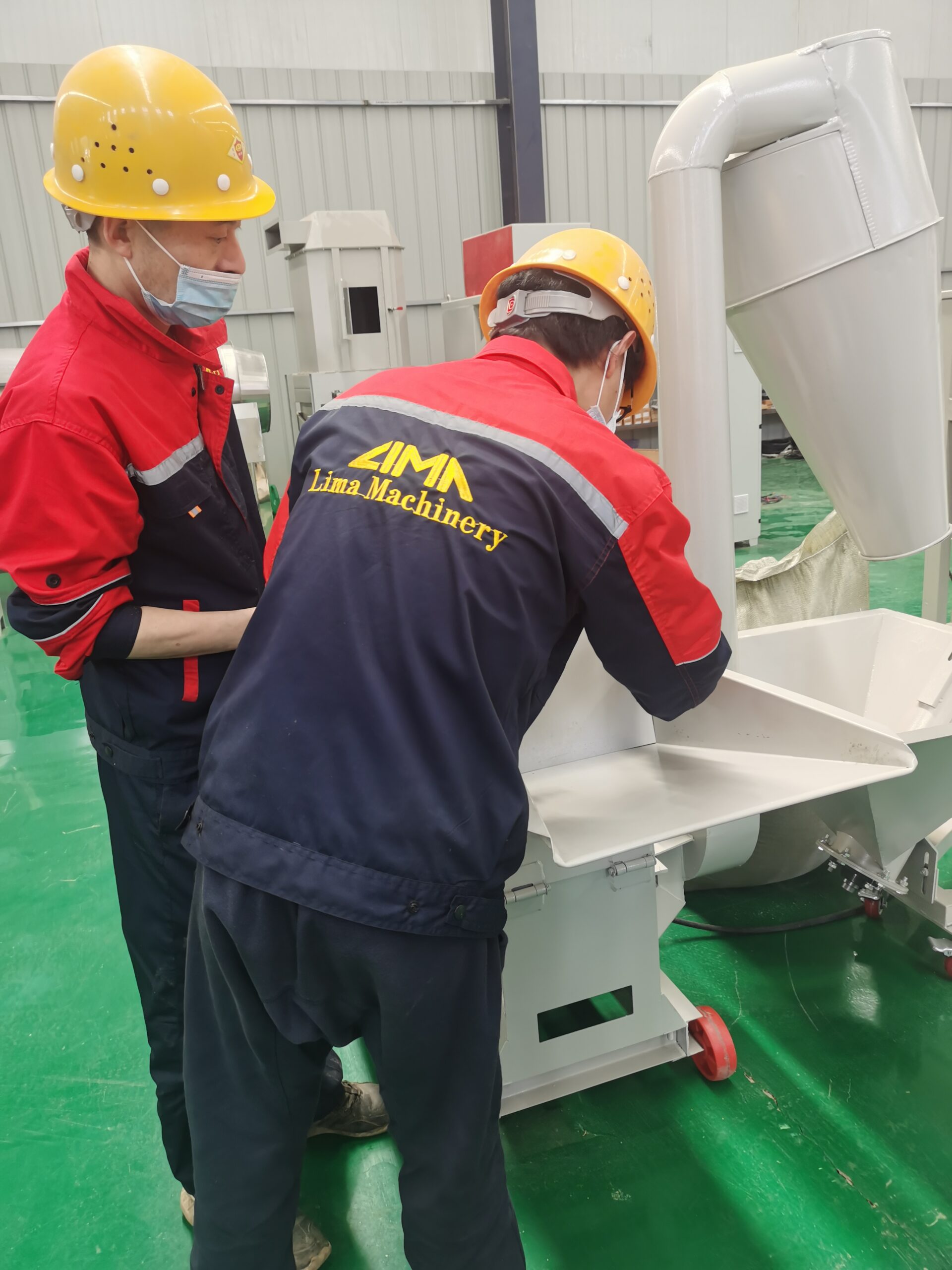
Reasonable process parameter regulation can effectively reduce granulation resistance, reduce ring mold load, accurately control material moisture through steam conditioning process in production, stabilize discharge moisture in the optimal range of 14%-16%, improve material fluidity and molding effect, and greatly reduce die hole extrusion friction. At the same time, standardize the equipment operation standard, eliminate the long-term overload operation of the equipment, avoid the ring mold to continue to be in a high-pressure fatigue state, effectively delay the aging and wear speed of the material, and extend the overall service life.
Common Mistakes in Shortening the Life of Ring Die
Industry data shows that 85% of the ring mold premature aging and damage problems are not product quality defects, but artificial losses caused by operational omissions and management errors in daily production. Avoiding these common problems can quickly and effectively improve the ring mold working conditions and prolong the service life of equipment.
In order to save the cost of accessories and simplify the process of mold replacement, many factories have long used ordinary low compression ratio ring molds to produce high fiber and high resistance materials, or used the same ring mold to adapt a variety of production formulas with great differences in characteristics, resulting in ring molds being overloaded for a long time. The extrusion pressure exceeds the design standard, and finally the wear is aggravated and the failure is advanced.
The material pretreatment is not in place will continue to damage the ring mold working condition, raw material grinding particle size uneven, impurity content is too high, coupled with steam conditioning wet and dry ratio is not up to standard, will make the material fluidity greatly deteriorated, granulation process is easy to cause die hole blockage, while forming local high pressure extrusion area, long-term operation will cause irregular wear of the inner wall of the die hole, greatly shorten the normal use cycle of the ring mold.
Improper adjustment of equipment parameters is easy to cause hidden damage to ring die. Too tight adjustment of gap between pressure roller and ring die will cause direct metal friction, scratch and wear of inner wall and disk surface of die hole; too loose adjustment of gap will cause uneven discharge of equipment and violent vibration of machine body, which will make ring die continuously bear unstable alternating stress, accelerate material fatigue loss, cause local partial wear and premature aging, etc.
Neglecting daily cleaning and maintenance is the core reason for premature aging of ring mold in most factories. If the mold hole is not washed with oil in time after production, the residual materials will dry and harden to block the hole position firmly, and it is easy to cause material jamming and hole cracking next time. If the magnetic suction device of the equipment is not cleaned for a long time, the metal scrap and hard impurities will continue to extrude and polish the mold hole with the materials, and the ring mold will not be turned over for a long time, which will cause local excessive wear and overall working condition imbalance, and will be scrapped in advance.
Irregular operation and storage methods will bring irreversible damage to the ring mold. Violent bumps during disassembly and replacement of the ring mold, and non-standard equipment start-stop procedures will cause slight deformation of the ring mold and damage to the hole position; idle ring molds are placed in the open air at will. The storage environment is damp and dirty, which will cause oxidation, rust, corrosion and damage to the ring mold. After being put into use again, the wear rate will be greatly accelerated, seriously affecting production efficiency and finished product quality.
Summary
The service life of the pellet machine ring mold is an important indicator to measure the operation level of the pellet production line, which is directly related to the production cost, production efficiency and product quality of the factory. The ring die life is determined by five core factors: material technology, material formula, crushing particle size, daily maintenance and personnel operation. In order to achieve long-term cost reduction, we cannot rely solely on replacing high-quality ring molds, but also avoid loss risks in an all-round way through standardized selection, material optimization, precise operation and maintenance, and standardized operation.
Scientific control of the operating conditions of the ring mold and implementation of the life extension plan can not only maximize the service life of the ring mold, reduce the replacement of consumables and downtime losses, but also stabilize the quality of finished pellets, reduce production energy consumption, and create long-term cost competitive advantages for feed and biomass pelletizing enterprises.