How To Start Animal Feed Manufacturing Business
With the continuous development of livestock, aquatic products and pet breeding industry, animal feed market demand remains stable all year round, and feed processing has become a low-threshold, long-term and stable high-quality entrepreneurial track. Most novice entrepreneurs are prone to improper investment decisions and insufficient profit returns due to the lack of systematic industry cognition. This article comprehensively sorts out the core points of feed factory entrepreneurship covering profit rules, product categories, cost composition, equipment selection and quality control, providing one-stop practical landing guidance for industry practitioners and entrepreneurs.
Global Animal Feed Market Overview & Industry Profit Rules
The overall scale of the global animal feed market has maintained a steady growth momentum for a long time, with the market scale staying within a stable high-value range in recent years. Driven by the continuous expansion of global breeding demand, the market scale is expected to maintain a good growth trend in the future, with a stable annual compound growth level. Among all segments, the growth rate of aquatic feed and high-end special feed tracks is significantly higher than the overall industry average.
The global feed output remains at a high stable level every year, with a huge market volume and continuous released development potential. In terms of product structure, poultry feed occupies the largest market sales share worldwide, followed by pig feed, ruminant feed and aquatic feed. The overall category structure is balanced, and each segmented track has solid and lasting market demand support, laying a stable foundation for entrepreneurial layout.
Industry Profit Level and Profit Structure
The feed processing industry features small profits but quick turnover and scale-based profit growth, with overall stable and sustainable profit space without excessive high profit returns. The profit margin of small and medium-sized feed factories is kept at a moderate level, while high-quality standardized factories can achieve a higher profit level. The industry’s comprehensive profit level is relatively stable.
Basic conventional feed products have relatively meager profit space, while high value-added products including premix feed, aquatic feed and medicinal feed have prominent profit advantages, which are the core profit growth points for feed enterprises. Raw material cost constitutes the main part of the operating cost of feed factories. Frequent raw material price fluctuations easily squeeze the gross profit space of products. In addition, equipment operation, labor employment, energy consumption, industry compliance and other auxiliary costs will further dilute the overall profit level of enterprises.
Core Profit Drivers and Industry Risks
The stable profitability of feed processing factories relies on four core advantages, including rigid market demand, high-end segmented track dividends, scale operation effect and refined supply chain optimization. Meanwhile, the industry also faces multiple operational risks, mainly including raw material price volatility, large capital occupation pressure, market competition from leading brands and strict industry compliance supervision.
In addition, capacity utilization rate is the key factor determining the profitability of feed factories. Only when the factory maintains a high capacity utilization rate can it achieve operational break-even. Idle production capacity caused by blind capacity expansion is the main reason for profit losses of novice entrepreneurs in the industry.
Mainstream Animal Feed Product Category Analysis
The physical form and targeted application scenario of feed are key reference factors for pre-investment planning, which directly affect production equipment investment, product palatability, storage and transportation loss rate and terminal market pricing. Scientific category selection is the premise of stable operation of feed processing projects.
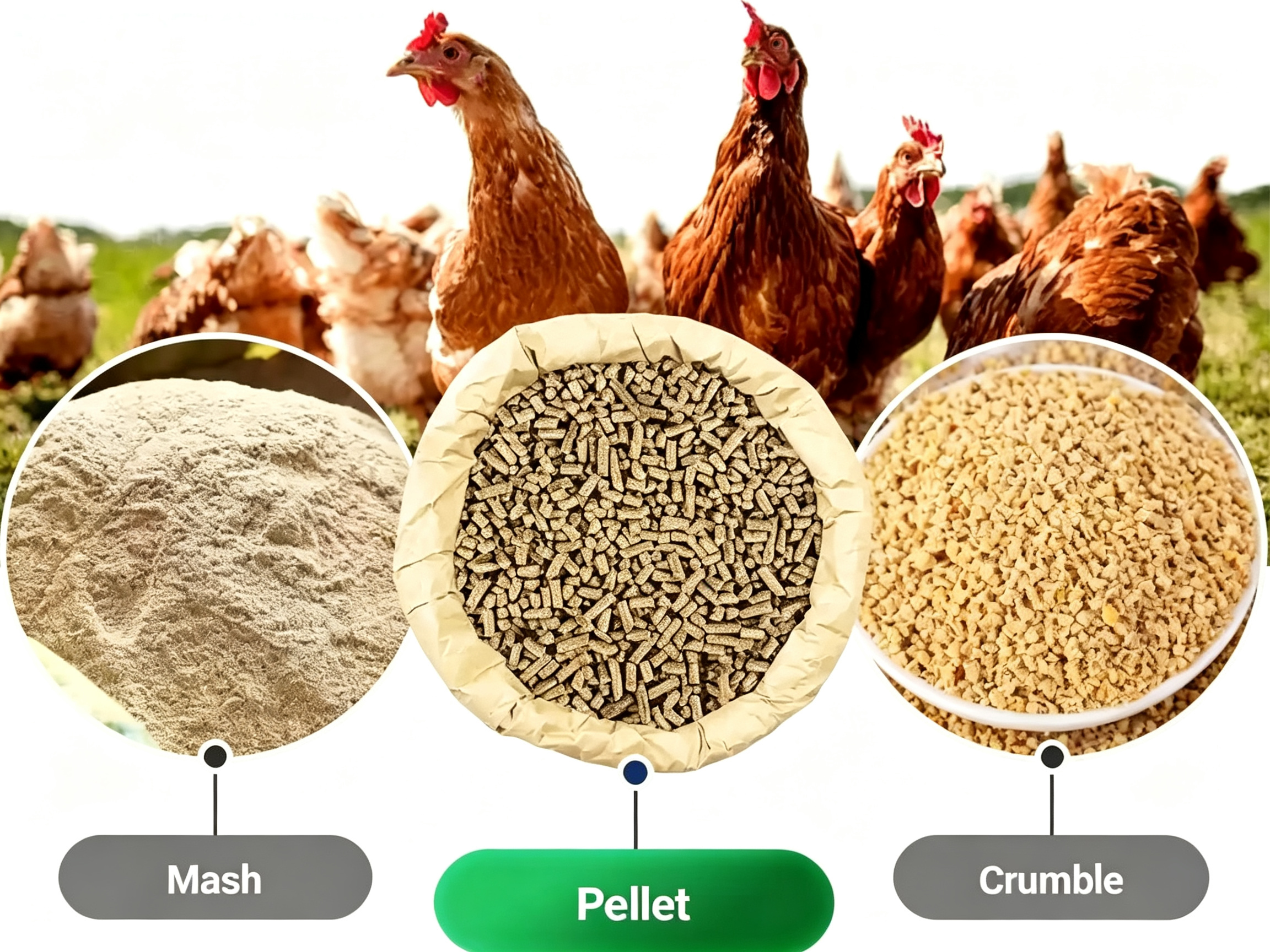
Classification by Feed Physical Form and Process
Powder feed adopts the simplest production process, with the lowest production cost and the least equipment investment. However, it has the disadvantages of easy waste during animal feeding and picky feeding problems, which is more suitable for small-scale retail breeding farms and self-use breeding scenarios.
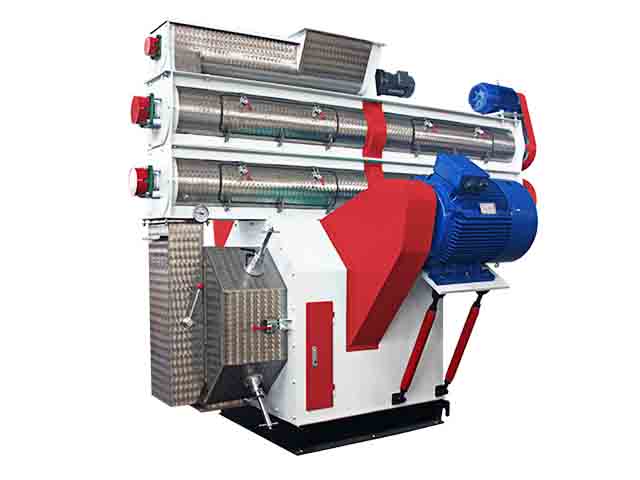
Pellet feed is processed through high-temperature and high-pressure pressing technology, with uniform taste, low feeding loss and high animal digestion and absorption rate, becoming the mainstream product choice for large-scale breeding scenarios. Its terminal sales price is higher than powder feed, and the early-stage investment is relatively large due to the need to be equipped with professional granulation, cooling and screening supporting equipment.
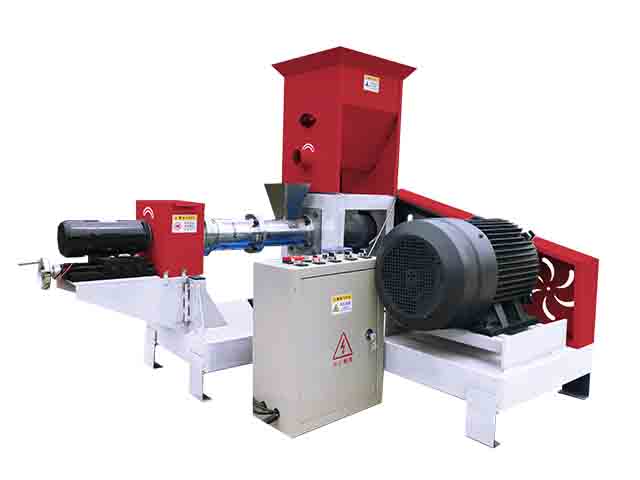
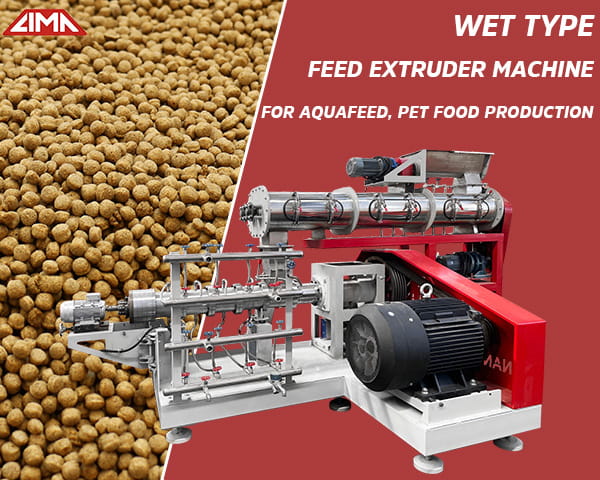
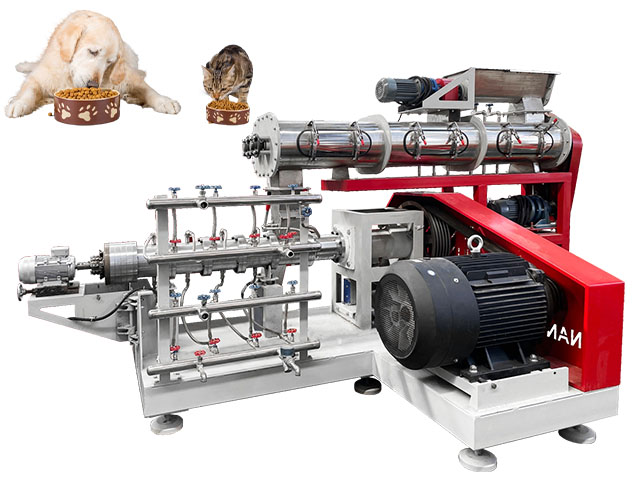
Fine granular feed is processed by crushing conventional pellet feed, which is specially developed for the breeding growth needs of young poultry and young livestock, with stable market recognition and premium space. Expanded feed is produced by high-temperature and high-pressure extrusion process, featuring excellent waterproof performance and ultra-high digestibility. It is the core high-end product in aquaculture and pet feed tracks, with prominent profit advantages.
Besides mainstream products, there are multiple segmented feed categories such as whole grain feed, liquid moisturizing feed and block feed, which are tailored for specialized subdivided breeding scenarios and have stable targeted market demand.
Classification by Applicable Species and Growth Stage
Modern feed production focuses on precise nutritional matching. The feed formula and nutritional proportion of the same breeding species vary greatly in different growth stages, and refined product classification is the core way for start-up feed factories to avoid homogeneous price competition.
Poultry feed is finely divided into special products for brooding, growth and breeding stages, covering breeding scenarios of broilers, laying hens, ducks, turkeys and other poultry varieties. Pig feed includes special nursery feed for piglets, growth feed for fattening stage, breeding feed and special feed for sows in pregnancy and lactation periods, which has extremely high requirements on product digestibility and nutritional balance.
Ruminant feed is applicable to dairy cattle, beef cattle, sheep and other ruminant breeding, matching with forage to provide concentrated nutrition and energy supplement. Aquatic feed is customized for different aquatic breeding varieties such as salmon, tilapia, shrimp and crab, and divided into floating and sinking types, with strict standards for waterproof performance and water stability.
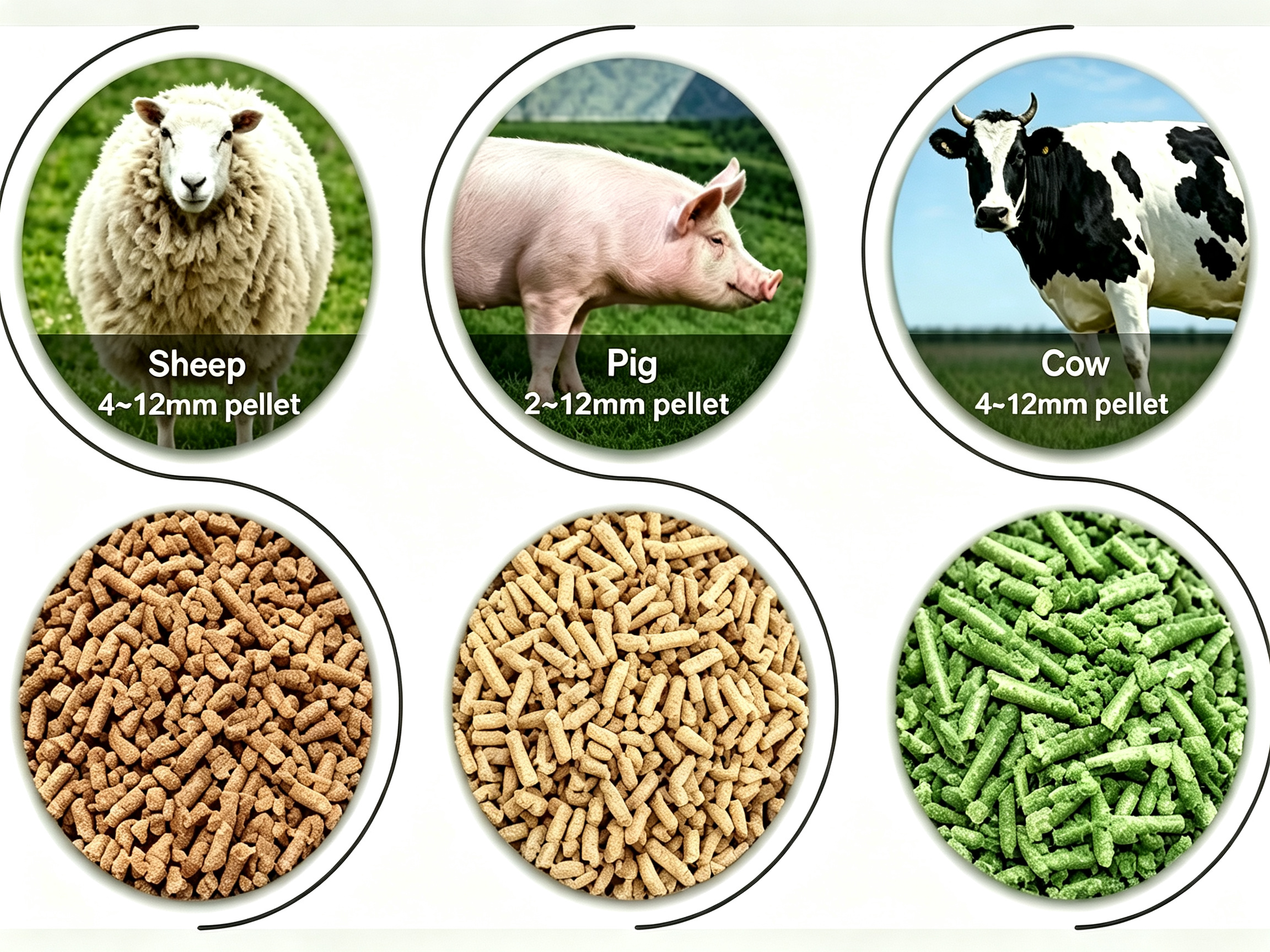
In addition, equestrian feed, pet food, experimental animal special feed and other segmented tracks have small but stable market demand, with low industry competition and rich profit space, which are high-quality choices for start-up factories to achieve differentiated market layout.
Core Layout Logic for Feed Processing Factory Entrepreneurship
Feed processing entrepreneurship does not need to fully copy the full-process layout of large-scale industrial factories. The core entrepreneurial logic for novices is to take local market demand as the foundation, adopt lightweight landing operation, and gradually realize scale expansion and equipment upgrading in the later stage, so as to avoid heavy asset investment risks in the early stage. The whole entrepreneurial layout focuses on four core modules including market positioning, compliance operation, supply chain construction and brand sales, abandons redundant and inefficient links, and concentrates resources on core profit businesses.
Local Market Research and Product Positioning
The core work in the early stage of entrepreneurship is to carry out in-depth localized market research. It is necessary to clarify the mainstream breeding categories in the regional market, the core feeding demands of farmers, mainstream market pricing and the shortcomings of competitive products. Combined with its own capital strength and resource endowments, determine the main operating feed categories, lock target customer groups including retail farmers, large-scale breeding farms, regional dealers and cooperative organizations, and build differentiated competitive advantages in terms of cost performance, customized formula and high-end special feed.
Compliance System Construction
Complete compliance qualification processing is the foundation for the long-term stable operation of feed factories. Entrepreneurs need to complete industrial and commercial registration and tax registration in accordance with industry regulations, and apply for special feed production licenses, site environmental protection approval and product quality standard certification. For enterprises producing medicinal feed, organic feed and other special products, additional professional qualifications are required. It is necessary to communicate and connect with local regulatory departments in advance to eliminate potential compliance risks.
Factory Site Layout
The site selection and layout of feed factories shall follow the dual principles of being close to raw material producing areas and terminal markets. Priority shall be given to sites near grain producing areas, raw material distribution centers and breeding concentrated areas to effectively reduce raw material procurement and product logistics transportation costs.
The factory site needs to meet the functional layout requirements of production operation, raw material storage, finished product storage and equipment placement, reserve sufficient space for subsequent capacity expansion and upgrading, and fully meet the national standards of environmental protection, fire protection and regional industrial planning.
Supply Chain and Formula System Building
Stable supply chain and professional formula system are the core competitiveness of feed enterprises. It is necessary to establish long-term cooperative relations with high-quality suppliers of grain, protein raw materials and feed additives, and formulate standardized raw material procurement and acceptance standards. Cooperate with professional animal nutritionists to optimize and polish feed formulas suitable for local breeding characteristics and demand, build exclusive product advantages, and establish a scientific inventory management system to control raw material loss and unreasonable capital occupation.
Market Operation and Brand Expansion
In the early stage of market operation, enterprises can quickly build customer trust through free sample trials, professional breeding technical guidance and personalized customized services, and steadily open up local dealer channels and direct customer channels. On the basis of stable regional market operation, gradually build independent brand influence, continuously optimize product quality according to market feedback, expand production capacity moderately, expand regional market coverage, and realize steady business expansion.
Feed Processing Factory Investment Cost Analysis
The investment scale of feed processing factories varies greatly according to production capacity, automation level and product positioning, which can be divided into multiple gradient specifications to meet the entrepreneurial needs of different capital scales.
Classification of Factory Investment Scale
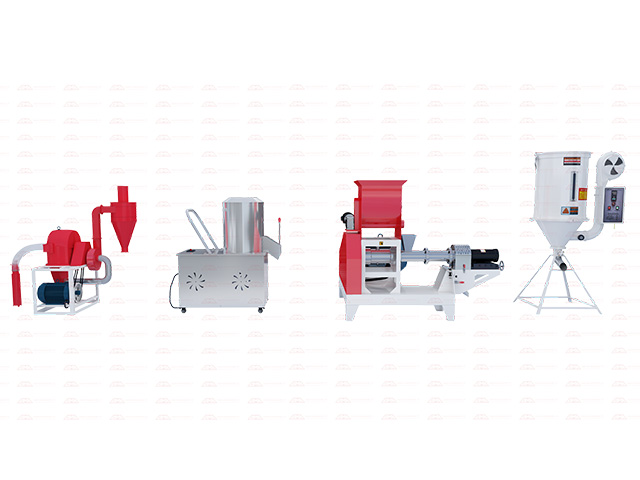
Micro and mini feed factories are mainly oriented to small-scale breeding scenarios, with ultra-low overall investment cost. They mainly adopt powder feed production technology, only equipped with basic crushing, mixing and simple packaging equipment, suitable for rural small workshops and self-use plus local retail sales modes. This type of project has low investment threshold and fast capital return, which is very suitable for novice entrepreneurs to test the industry market.
Small commercial feed factories are the mainstream choice for novice commercial operation, with moderate overall investment scale. They adopt semi-automatic production lines, which can produce conventional powder feed and ordinary pellet feed, meeting the market demand of county-level regional sales. This entrepreneurial mode has the highest comprehensive cost performance and stable market adaptability.
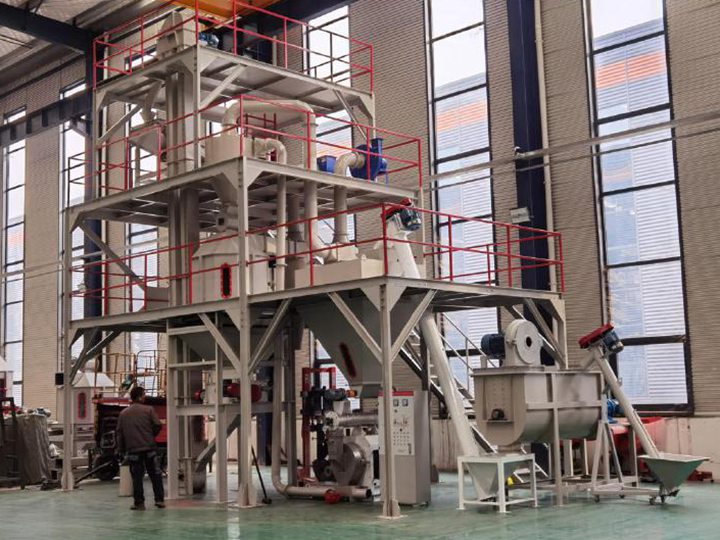
Medium and large-scale feed factories have a large overall investment scale, equipped with complete sets of professional equipment including granulation, cooling, screening, automatic batching and integrated packaging production lines. The product quality is stable and reliable, which can cover the regional market and form obvious scale profit advantages.
Large-scale industrial feed factories belong to high-investment and large-scale projects, adopting fully intelligent automatic production lines, supporting large-scale raw material granaries and intelligent control systems. They are mainly oriented to national market distribution and in-depth cooperation with large-scale breeding enterprises, suitable for mature enterprises with industry resources and capital strength to carry out large-scale layout.
Core Cost Composition
Mechanical equipment investment is the largest cost component of feed factory construction. The larger the production capacity and the higher the automation degree, the higher the equipment investment cost. High-end process equipment required for granulation, expansion and other special processes will further increase the overall project budget. Plant civil engineering and supporting facility construction also account for a large proportion of the total investment, including factory renovation, storage facility construction, water and electricity layout and environmental protection dust removal systems. The investment cost of self-built sites is much higher than that of leased and renovated sites.
The remaining investment costs include equipment installation and commissioning, staff professional training, qualification certification handling, initial raw material procurement, daily working capital, after-sales operation and maintenance and emergency reserve funds. It is worth noting that the feed industry has a large working capital occupation. The payment cycle of raw material procurement is far earlier than the customer collection cycle. Novice entrepreneurs need to reserve sufficient working capital to avoid capital chain rupture risks.
Cost Influencing Factors and Return Cycle
The core factors affecting the investment cost of feed factories include product type positioning, production line automation level, factory site location, equipment new and old degree and production process standards. Pure powder feed production can greatly reduce early investment; semi-automatic equipment has outstanding cost performance for early entrepreneurship; second-hand equipment can reduce the initial budget but brings certain operation and maintenance risks; aquatic feed and pet special feed require higher equipment investment than ordinary livestock and poultry feed.
In terms of capital return cycle, well-operated small and medium-sized feed factories have a short return cycle, while large-scale industrial factories have a longer return cycle due to large initial investment and slow market cultivation. The lightweight start-up and gradual steady expansion mode can effectively shorten the capital return cycle and reduce entrepreneurial investment risks.
Feed Production Line Selection Guide
Selection Based on Product and Capacity Positioning
Enterprises need to select production lines according to core product positioning. Conventional livestock and poultry feed can adopt standard crushing, mixing and granulation integrated production lines; aquatic feed and pet feed need to be equipped with special expansion equipment to ensure product waterproof performance and high digestibility; premix feed and concentrated feed need high-precision batching and mixing equipment to ensure uniform nutritional proportion of products.
At the same time, the production line capacity shall be matched according to actual market sales volume, and a reasonable capacity buffer shall be reserved to cope with subsequent market demand growth, so as to avoid operational problems such as idle production capacity or insufficient product supply.
Capacity Matching Standard
Small-scale daily production demand is matched with mini small production lines; medium-scale daily production demand is applicable to supporting medium-sized production lines; for regional large-scale market supply demand, large-scale multi-line integrated equipment can be selected to meet mass production needs.
Core Technical Parameter Evaluation Criteria
Entrepreneurs need to focus on five core technical parameters when selecting equipment. First, capacity stability, ensuring continuous fault-free operation of equipment and uniform product discharging. Second, raw material adaptability, which can be compatible with grain, meal, high-fiber auxiliary materials, agricultural and sideline products and various other feed raw materials. Third, energy consumption level, with low unit product power consumption to reduce long-term operation costs. Fourth, mixing uniformity, meeting industry standard variation coefficient requirements, and high-quality equipment can achieve higher mixing precision. Fifth, equipment expansibility, supporting later installation of granulation, expansion and automatic upgrading systems to meet long-term capacity upgrading and product iteration needs.
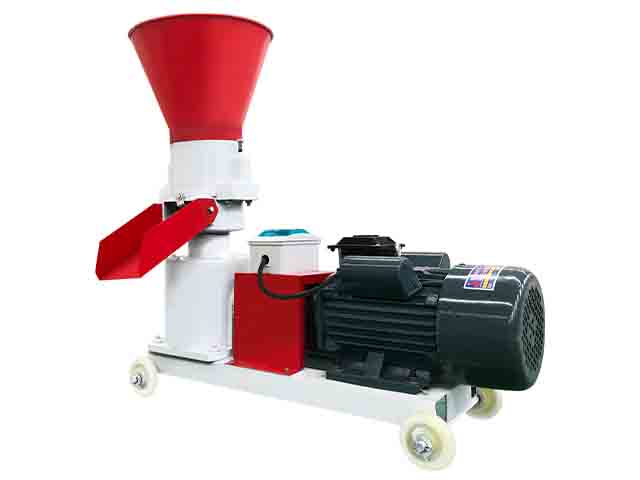
In terms of equipment type selection, ring die granulators are suitable for large-scale continuous production with stable particle product quality; flat die granulators have high cost performance, suitable for small factory production and high-fiber feed processing, which is the preferred choice for novice entrepreneurs. In terms of automation configuration, start-up factories give priority to semi-automatic equipment to balance labor cost and equipment investment; mature large-scale factories can be equipped with full-automatic PLC intelligent control systems to reduce manual operation errors and improve overall production efficiency.
For start-up factories with limited budget and focusing on local retail markets, simple powder production lines can be prioritized, with low equipment investment, simple operation and maintenance, low raw material loss and fast profit realization. To improve product competitiveness and connect large-scale breeding customers, it is necessary to equip with pellet production lines. Although the early investment is higher, the product premium ability, customer recognition and repurchase rate are far better than powder feed, with larger long-term profit space. The most successful mainstream mode in the industry is to start with powder production and add granulation equipment for upgrading in the later stage, so as to realize gradual capacity and product iteration.
Feed Production Process and Quality Control System
Raw Material Warehousing Quality Control
Raw materials occupy the main proportion of feed production costs and are also the main source of product quality problems. Strict supplier screening mechanisms shall be implemented for raw material procurement, and priority shall be given to cooperative manufacturers with complete qualifications and stable market reputation. Each batch of raw materials shall undergo strict incoming inspection, including visual inspection of appearance, odor, humidity, mildew and impurity status, as well as sampling detection of core indicators such as aflatoxin, protein content and moisture, to prevent inferior and unqualified raw materials from entering the production link.
The raw material warehouse implements the first-in first-out management principle, strictly controls warehouse temperature and humidity, takes effective moisture-proof, mildew-proof, insect-proof and pollution-proof measures, and stores different types of raw materials by category to avoid cross-contamination, so as to eliminate potential quality hazards from the source.
Full-process Dynamic Production Control
Standardized dynamic management is implemented throughout the production process. The crushing link strictly controls the uniformity of raw material particle size to meet the nutritional absorption needs of different breeding varieties. The batching link regularly calibrates weighing equipment to ensure the accurate proportion of core raw materials and trace additives. The mixing link controls uniform mixing to avoid uneven nutrient distribution of finished products.
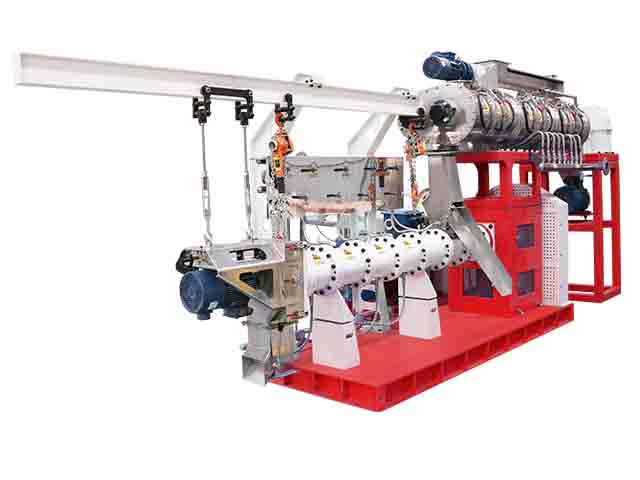
The granulation and expansion links precisely regulate production temperature, humidity and steam pressure to realize sufficient starch gelatinization, kill harmful bacteria in raw materials, and ensure the palatability and feeding safety of feed products. The cooling and screening links strictly control the moisture content of finished products, remove broken materials and defective products, and ensure uniform and stable quality of finished feed. The liquid spraying and additive attachment links ensure uniform functional coating and improve the comprehensive quality of high-end functional feed.
Finished Product Testing and Traceability Management
All finished feed products shall be sampled and tested in batches before leaving the factory. The detection indicators cover physical indicators including moisture, hardness and particle integrity, nutritional indicators including protein, fat, fiber and mineral content, and safety indicators including mold, pathogenic bacteria, heavy metals and drug residues. At the same time, it is necessary to verify that the product label information is completely consistent with the actual test data.
Enterprises shall establish a complete batch traceability management system, retain samples of each batch of raw materials and finished products, archive production operation records and test reports for a long time, meet industry regulatory compliance requirements, and facilitate rapid traceability and investigation of after-sales quality problems.
Standardized Production System Construction
Formal feed factories shall establish standardized production management systems including GMP good production practices and HACCP hazard analysis and critical control point system, clarify standardized operation specifications for production processing, workshop cleaning, equipment operation and maintenance and staff operation. Regularly complete equipment calibration, workshop disinfection and sterilization and employee safety training, implement internal quality inspection audit and continuous optimization mechanism, continuously stabilize product quality, and build core brand competitiveness in the market.
Industry Summary and Entrepreneurial Suggestions
Animal feed processing is a high-quality agricultural and pastoral entrepreneurial track with lasting market demand, controllable operational risks and stable profit returns. The industry does not have excessive high profit space, but has stable long-term compound growth value with the development of the breeding industry.
Novice entrepreneurs in the feed industry need to avoid blind pursuit of large-scale layout, full-category operation and high-standard full automation. The core entrepreneurial logic is to rely on rigid market demand, carry out accurate product positioning according to their own capital strength, implement graded investment layout, match production line equipment on demand, build a full-process quality control system, realize lightweight project landing and refined operational management, and gradually complete large-scale market expansion.
For start-up feed enterprises, priority should be given to exploring local rigid demand markets, deeply cultivating high-cost-performance conventional products or high-value-added segmented feed categories, strictly controlling raw material costs and maintaining high capacity utilization rate. With stable product quality and professional customer service, enterprises can gain a firm foothold in the fierce market competition and rely on the long-term development dividend of the breeding industry to realize sustainable and stable operation and profit growth.