How to choose poultry feed?
Whether large-scale breeding or family free-range chicken, duck, goose, quail, turkey, the selection of poultry feed is the key to improve poultry growth, egg production rate, survival rate and breeding income. Farmers often encounter problems such as slow growth of poultry, poor eggshell quality, disordered feathers and easy disease, which are mostly caused by improper feed adaptation, unbalanced nutrition and poor quality, rather than breeding environment problems.
There are many kinds of poultry feed in the market, and the categories are complex. Novices are easy to choose wrong. This paper combines feed classification, poultry nutrition requirements, purchase points, phased feeding scheme, quality inspection skills, advantages and disadvantages of self-made feed and common purchase mistakes, comprehensively popularizes poultry feed selection methods, and adapts to various farm scenes.
A comprehensive understanding of the main categories of poultry feed
Poultry feed can be divided according to four dimensions: physical form, growth stage, breeding variety and formula characteristics. The adaptation scenarios, advantages and disadvantages of different types of feed are very different, which is the basic basis for purchasing.
Classification by physical form
The processing form of feed directly affects the intake efficiency, feed waste rate and digestion and absorption effect of poultry. The specific adaptation scenarios are as follows:
Fine powder texture, uniform nutrition, mild palatability, suitable for young birds, egg-laying poultry and small free-range groups, eating safety without pressure. Disadvantages are large dust, poultry easy to picky, feed waste is relatively large.
Pellets are made of crushed pellets and are the best feed for early breeding of young birds. Compared with powder feed, the feeding efficiency is higher, the picky food is less, the waste is low, and it is more suitable for the rapid growth of young birds. The only deficiency is that the processing cost is higher and the price is slightly higher.
Pellet feed is high-pressure compression molding feed, which is the mainstream choice for adult poultry and fattening meat poultry. It has high digestibility, less waste, low dust emission, cleaner breeding, suitable for large-scale breeding, and is only not suitable for newborn young birds to eat.

by growth stage and aquaculture use
Poultry at different growth stages have different requirements for protein, energy, calcium and amino acids. The feed formula for special stages is highly targeted:
Brood feed crude protein content of 18%-23%, high nutrition, easy digestion, suitable for 0-6 weeks old chicks, can promote growth, improve immunity, part of the anti-coccidiosis components, can effectively prevent coccidiosis of chicks.
The proportion of feed protein for growth and breeding is 15%-20%. The nutrition is balanced. It is suitable for poultry from desuperheating to sexual maturity. It can ensure stable growth, avoid excessive fat accumulation, and lay a good foundation for subsequent egg production or fattening.
Fertility fertilizer low protein, high energy, specially designed for meat poultry pre-market stage, can quickly fatten weight gain, optimize meat quality, effectively improve the quality of slaughter and breeding income.
Egg laying protein 15%-18%, calcium content 3.5%-4.5%, suitable for egg laying needs of poultry, can supplement calcium for eggshell production, stabilize egg production, reduce residual eggs, improve egg quality.
The breeding poultry feed is a professional customized formula, which can optimize the breeding poultry physique, significantly improve the fertilization rate, hatching rate of breeding eggs and survival rate of young birds. It is only suitable for large-scale breeding poultry breeding.
Pre-production feed is a transition feed for hens, which can gradually increase calcium content, adapt to physiological changes of poultry, avoid re-feeding stress, and smoothly connect breeding period and laying period.
Poultry core nutrient requirements
The core of high-quality feed is nutrition balance, protein, energy, vitamins, minerals four core nutrients, directly determine the health status and production performance of poultry.
protein
Poultry cannot synthesize all essential amino acids autonomously, and must obtain protein from feed for muscle growth, feather development, antibody synthesis, and egg production. Insufficient protein will lead to slow growth, messy feathers, reduced egg production, low immunity; excessive protein will cause waste of feed, excessive ammonia emissions.
Different poultry protein demand standards: 20%-23% for young birds, 19%-21% for growing meat birds, 17%-19% for fattening meat birds and 15%-18% for laying birds. High-quality feeds on the market mainly use soybean meal, fish meal, and meat and bone meal as core protein sources, with balanced amino acid ratios and high digestibility.
energy
Energy supports all metabolic activities such as feeding, activity, growth and egg production. Poultry will adjust feed intake autonomously. Low-energy feed will increase feed intake but grow poorly. High-energy feed will easily lead to obesity and egg production decline.
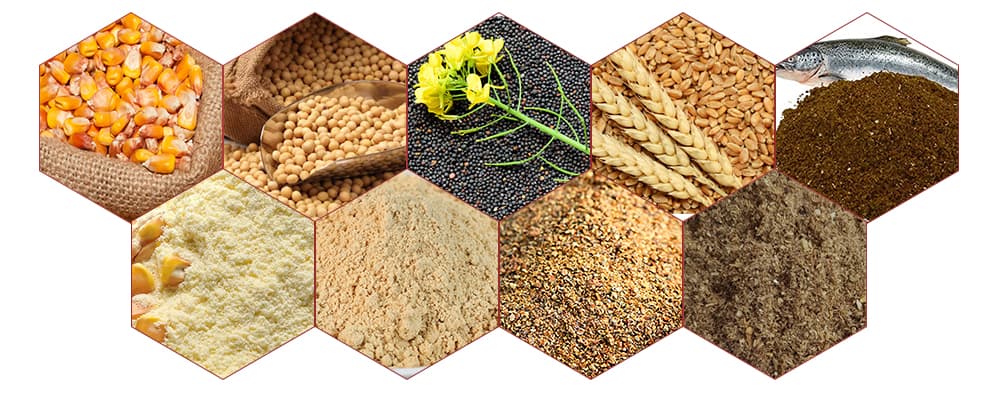
Feed energy mainly comes from corn, wheat, sorghum and other grains. High-end feed will add animal and vegetable oil to improve energy density, adapt to low temperature weather and fast fattening scene. The metabolic energy of conventional broiler feed is about 3000-3200 kcal/kg, and the energy of egg feed is slightly lower.
vitamins and minerals
Vitamins and minerals are essential micronutrients for poultry, which are related to poultry bone development, immunity, growth and reproductive performance. Lack of vitamins and minerals is easy to cause a variety of diseases. Calcium and phosphorus dominate the formation of bones and eggshells, and imbalance of proportion will cause rickets, osteoporosis and soft-shell eggs; various vitamins and trace elements such as zinc and manganese affect the absorption of calcium, physique, feather growth and hatching rate of poultry respectively. Special premix is added to regular feed, which can comprehensively supplement micronutrients and avoid nutritional deficiency.
Poultry feed selection core considerations
Feed selection can not only look at the price, combined with poultry variety, age, nutrition, quality, feeding scene comprehensive judgment, in order to select the most cost-effective products.
Matching poultry breeds and farming uses
The purchase of feed needs to fit poultry varieties and breeding positioning, so as to achieve special funds. Meat poultry is suitable to select fattening feed with high protein and high energy to ensure rapid weight gain; egg poultry gives priority to special feed for laying eggs with high and stable calcium to maintain continuous laying performance; waterfowl and rare poultry need to use corresponding exclusive formula feed to meet their special nutritional needs; multi-breed and multi-day mixed breeding yard poultry can choose universal complete feed to meet basic growth and production needs.
Fit poultry growth stage feeding
The nutritional requirements of poultry at different growth stages vary greatly, so it is necessary to strictly change the food according to the growth cycle of young birds, breeding, fattening and laying eggs, and resolutely put an end to cross-stage feeding. This is the most basic and core principle of poultry feed purchase. Choosing wrong feed at the wrong stage will directly lead to a series of breeding problems such as poultry growth retardation, organ damage, egg production decline, high incidence of diseases, etc.
Check feed nutrition test values
When purchasing feed, carefully check the nutritional guarantee analysis value on the packaging bag, focus on checking the basic indicators such as crude protein, calcium, phosphorus and crude fat, so as to ensure that the nutritional ratio matches the current growth and production needs of poultry. At the same time, it is necessary to pay attention to the core amino acid content such as lysine and methionine. The amino acid balance directly determines the feed conversion rate and poultry breeding effect.
Optimized feed form
According to the age of poultry, the appropriate feed form should be selected to adapt to the feeding ability and growth characteristics. Young birds are suitable for eating fine, digestible broken particles or powder, adult poultry, fattening meat poultry preferred higher utilization rate, less waste of particles. It is strictly prohibited to use single raw grain as staple food in the breeding process to avoid single nutrition and unbalanced proportion, which will affect the normal growth and production of poultry.
Check feed quality and freshness
Feed quality and freshness directly determine the health status of poultry. When purchasing, priority should be given to high-quality feed produced recently, packaged completely, mildew-free and odor-free. Take the initiative to avoid poor feed that is damp, caked, expired, contaminated, damaged and leaked, and eliminate poultry diseases and production reduction caused by mycotoxins and pollutants from the source.
Reasonable Selection of Spices and Non-Spices
Reasonable selection should be made according to poultry epidemic prevention and breeding mode. Non-coccidiosis immunized chicks can use compliant drug brood to prevent coccidiosis; immunized flocks, egg-laying birds and organic farms must use drug-free feed throughout the whole process. If drug feed is used, the drug withdrawal period shall be strictly observed to ensure the safety and compliance of poultry meat and egg products.
Select feed type according to poultry needs
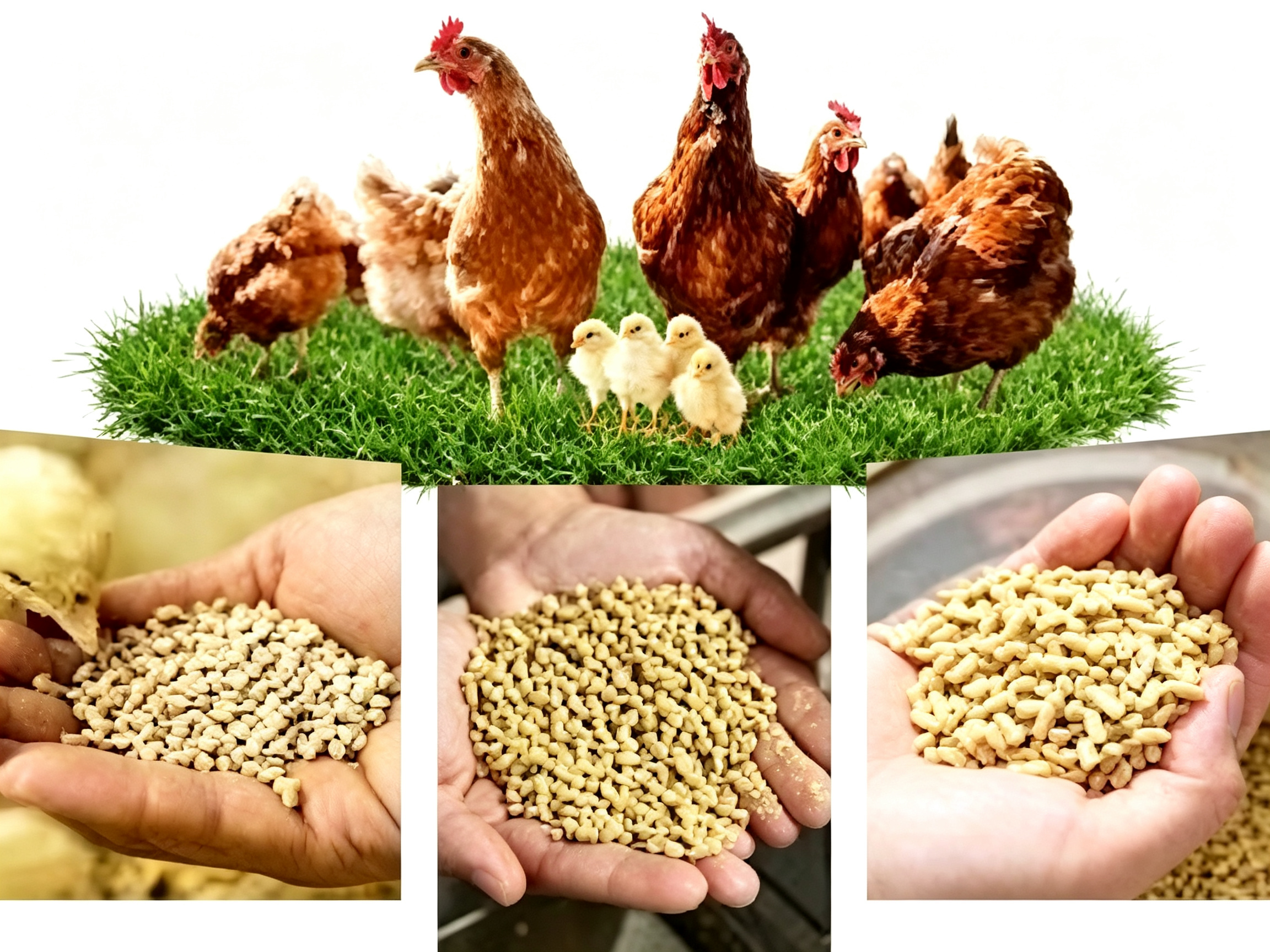
The selection of poultry feed should not only look at nutritional indicators, but also combine feed form, formula type, breeding mode, poultry breed and health status. Improper feed selection is prone to slow growth, egg production decline, nutritional imbalance, feed waste, increased incidence and other problems. Farmers can accurately select materials according to different dimensions to adapt to various farm scenes.
Choose feed form according to intake characteristics
Poultry of different ages have different feeding ability, so it is necessary to match the corresponding feed form. Young birds are suitable for finely divided and digestible powder and granules, easy to eat, uniform nutrition, small gastrointestinal burden; adult birds and fattening birds give priority to compressed granules, high feed conversion rate, less waste, cleaner breeding environment. Unprocessed raw grains and miscellaneous grains can only be used as a small amount of supplementary food, and the proportion of feeding should be controlled within 10% of the diet, and cannot be fed as staple food.
In order to facilitate farmers to quickly select the corresponding feed, the feed form can be accurately matched according to the poultry type, growth stage and farm scene. The following is the reference for the selection of common poultry feed forms:
| Poultry type and stage | Recommended feed form | Selection reasons |
| 0-6 Chickens and ducklings | Granules/fine powders | Small particles, easy to digest, avoid throat jam, high intake rate, suitable for young birds delicate stomach |
| Young chickens and young waterfowl in growing season | medium and small particle | Feeds waste less, conversion rate is high, can reduce picky eating behavior, grow more evenly |
| Meat poultry before sale (broiler, duck) | standard compressed pellet | High energy density, stable intake, rapid weight gain, suitable for large-scale fattening |
| adult egg poultry | Granular/finely divided granular | Clean and less dust, stable nutrition, can ensure long-term stable production, reduce feed loss |
| Courtyard polyculture, free-range poultry flocks | General granular material + a small amount of powder material | Adapt to feeding needs of different ages, balance palatability and feeding efficiency |
Distinguish between complete feed, concentrated feed and premix
Complete formula feed nutrition ratio is complete, no additional preparation, suitable for all large, medium and small farms, high safety, not easy to appear nutritional imbalance, is the most common mainstream choice. Concentrated feed and premix need to be mixed with grain by themselves, which requires high mixing precision and mixing process. It is only suitable for experienced large-scale farms. It is not recommended for novice retail investors, and it is easy to have the problem of excess or deficiency of nutrients.
| feed types | core features | suitable for the croud | Advantages and disadvantages |
| complete feed for animal | Complete and balanced nutrition ratio, containing protein, energy, vitamins and minerals, can be directly fed after opening the bag | Novice retail, large and small general farms, courtyard mixed poultry flocks | Advantages: no need for self-ingredients, zero matching risk, feeding worry, stable growth of poultry; disadvantages: slightly higher unit price, no independent deployment space |
| concentrate feef | High protein, high nutrition concentrated raw materials, need to mix with corn, wheat and other grains | Large-scale breeding farm with experience in ingredients and self-produced grains | Advantages: Long-term feeding cost is lower, flexible deployment; Disadvantages: high requirements for mixing accuracy and stirring uniformity, mixing errors are easy to cause nutritional imbalance |
| gunk | Only contains vitamins, minerals, amino acids and other micronutrients, belongs to feed additives, can not be fed alone | Professional large-scale breeding base and farmers with independent full set of ingredients | Advantages: accurate formula, customized breeding; disadvantages: complex operation, high threshold, novice easy to match the wrong nutrition ratio |
Select drug on demand vs. drug-free feed
Farmers can choose reasonable types according to epidemic prevention conditions and breeding modes. For chicks not inoculated with coccidiosis vaccine, drug-based brood containing anti-coccidiosis ingredients can be used to reduce the high risk of coccidiosis; for immunized poultry, egg-laying poultry and organic farm scenery, drug-free feed must be used throughout the whole process. If drug feed is used, it is necessary to strictly abide by the withdrawal period requirements to ensure the safety compliance of poultry meat and egg products.
Matching scene selection Special feature feed
For the needs of differentiated breeding, there are various kinds of customized feeds on the market. Organic and non-transgenic feeds are compatible with compliant organic breeding; high-protein meat poultry feed mainly focuses on rapid fattening and weight gain; high-calcium egg production feed ensures stable egg production and high egg shell quality; general poultry feed is suitable for multi-breed and multi-day mixed breeding of courtyard poultry; breeding poultry feed, waterfowl and rare poultry special feed can meet the exclusive nutritional requirements of breeding, duck, goose, quail and other special poultry. The combination of poultry type, growth stage, breeding environment and storage conditions can maximize the utilization rate of feed and ensure the health and high yield of poultry.
Quality inspection skills before feed purchase
Poor quality feed contains mycotoxins, substandard nutrition and pollutants, which will lead to poultry production reduction, illness and death. Five inspections must be done before purchase:
The packaging and label shall be checked first when purchasing feed. The regular and qualified feed packaging shall be complete and clean without damage and moisture. The label information shall be complete and clear. The nutritional ingredients, raw material composition, applicable poultry type, production date, manufacturer information and drug description shall be clearly marked. It is resolutely prohibited to purchase unqualified and unmarked three-no feed.
Secondly, observe the appearance and texture of feed. The overall color of high-quality feed is uniform and uniform, without caking, mildew, eggs, impurities and other problems. The granules are compact and not easy to break, the powder is uniform in thickness and less dust, and the whole is clean and regular, which can effectively avoid the breeding risk caused by impurities and mildew.
Odor discrimination is a simple way to quickly screen poor quality feed. Qualified feed has natural grain fragrance and pure smell. If the feed has musty, sour, oily or pungent chemical odor, it indicates that it has deteriorated, oxidized or contaminated, and needs to be rejected directly.
At the same time, it is necessary to check the feed storage environment of the merchant. High-quality feed is generally stored in a dry, ventilated and light-proof area, and placed off the ground and away from the wall. Resolutely do not buy long-term exposure, damp stacking, sealed storage of feed, this kind of feed is easy to damp moldy, nutrient loss.
Finally, rationally distinguish feed cost performance, do not blindly pursue low prices. The price is far lower than the market feed, mostly the use of inferior raw materials, nutrition ratio shrink. For large-scale breeding, you can ask for test reports from merchants to verify nutritional indicators and mycotoxin indicators to ensure that feed quality meets standards.
Analysis of Advantages and Disadvantages of Self-made Poultry Feed
Some farmers choose self-made feed to control costs and raw materials, but the advantages and disadvantages of self-made feed are distinct and not suitable for everyone.
The biggest advantage of self-made poultry feed lies in the controllable raw materials, farmers can independently select organic, non-transgenic, soyabean and other characteristic raw materials, completely avoid all kinds of additives, feed source transparent and safe. For small-scale characteristic free-range poultry farms with large batches of self-ingredients, it can also effectively reduce long-term breeding costs and adapt to refined and characteristic breeding modes.
The shortcomings and risks of self-made feed are very prominent. The core problem is that nutrition is difficult to balance accurately. It is difficult for ordinary farmers to accurately match key nutrients such as amino acids, calcium and phosphorus, trace elements, etc., which is easy to cause nutritional imbalance of poultry, induce bone diseases, egg production decline, feathers disorder, immunity reduction and other problems. At the same time, self-compounding has high requirements on grinding, mixing and storage technology, which is easy to cause uneven stirring and damp and mildew, which not only takes time and effort, but also greatly increases the breeding risk.
Homemade feed is only suitable for small free-range farmers who have experience in breeding formula and can purchase professional premix. Regular self-ingredients need to take grain as energy basis, match soybean meal, fish meal and other high-quality protein raw materials, match special premix accurate weighing ratio, but also need to regularly detect nutritional indicators, novice farmers blindly self-made feed is easy to have breeding problems, so it is not recommended for beginners to try.
Common mistakes in poultry feed selection
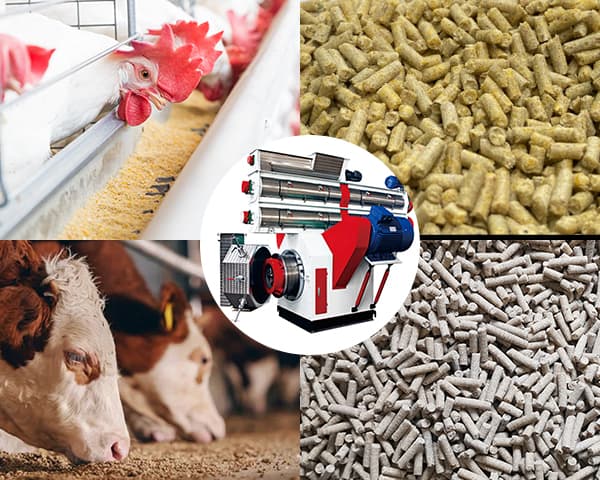
Many breeding problems are caused by purchasing mistakes. Avoid these mistakes and greatly improve the breeding success rate:
Cross-stage and cross-category misfeeding is the most common breeding error. Feeding laying material to chicks and broilers at will increase the burden on poultry organs and bones, resulting in growth retardation, egg production collapse, and serious death of poultry, resulting in greater breeding losses.
Many farmers feed miscellaneous grains, grains and kitchen scraps as staple food, which is easy to cause single nutrition. Excessive complementary food will dilute the nutrition of the diet, resulting in slow growth of poultry and decline in egg production. The proportion of daily snacks should be strictly controlled within 10% of the diet.
Neglecting feed storage and shelf life is also a common problem. Feed exposure, moisture, open storage will cause nutrient loss, mildew and toxin production, poultry long-term intake of deteriorated feed, immunity decline, chronic poisoning, disease probability greatly increased.
It is not cost-effective to only be greedy for low prices and not to look at nutritional indicators. Low-priced feed generally has poor raw materials and reduced nutrition. It seems to save money in the short term, but it will lead to poor growth, low yield and easy disease of poultry, which will greatly increase the cost of follow-up breeding and medication.
Long-term single feeding and sudden change of feeding will also affect the breeding effect. Poultry nutrition needs are different at different stages, fixed feed can not adapt to growth and production, sudden change of feed easily causes poultry stress, feed intake decline, metabolic disorder, directly affecting growth and productivity.
sum up
The core principles of selecting high-quality poultry feed:selecting categories according to varieties, selecting stages according to age, selecting forms according to demand, and checking quality according to standards . Priority shall be given to the selection of special complete feed for the stage of regular manufacturers, so as to eliminate the misunderstanding of random feeding, material saving and live feeding; large-scale breeding shall strictly observe nutrition standards, small-scale free breeding shall do a good job of quality control, and self-made or commercial feed shall be selected according to needs, so as to ensure the healthy growth of poultry, stable high yield and maximum improvement of breeding income.