How to recognize the quality of fish feed pellets
- Importance of fish feed pellet quality for growth and feed conversion ratio (FCR)
- Physical characteristics of quality fish feed pellets (size, color, texture)
- Floating and sinking fish feeds: how to assess particle stability
- Nutritional indexes of high quality fish feed pellets
- Water stability test: an easy way to check pellet quality
- Common Problems of Poor Quality Fish Feed Pellets and Ways to Avoid Them
In aquaculture, the cost of fish feed accounts for 50% to 70% of the total aquaculture cost and is the core part of aquaculture input. For farmers who do not produce their own feed, accurately identifying the quality of fish feed pellets is directly related to the success or failure of aquaculture.
The core objective of identifying quality fish feed is to promote fish growth, reduce feed wastage and ultimately maximize farming profit. To achieve this goal, fish feed pellets should be systematically judged from four core dimensions: physical quality, stability, nutrient content and testing methods.
Importance of fish feed pellet quality for growth and feed conversion ratio (FCR)
The quality of fish feed pellets is closely related to the growth rate of fish. High quality pellets provide balanced and easily absorbed nutrients for fish, which can be efficiently converted into growth energy and shorten the breeding cycle. On the contrary, poor quality pellets will lead to slow growth of fish, prolonging the culture time and increasing the culture risk.
It has a more direct impact on feed conversion ratio (FCR) and cost-effectiveness. A lower feed conversion ratio means more feed is needed per unit of fish weight gain, and the higher the farming cost. High-quality feeds can significantly improve FCR and help farmers achieve higher outputs with limited feed inputs.
Digestibility, absorption and nutrient retention are the key links. Only feeds that are easily digestible and have good nutrient retention allow fish to fully utilize the nutrients and reduce the amount of unabsorbed nutrients that are excreted from the body. This not only reduces feed waste, but also reduces pollution of the water environment.
In addition, feed quality also affects the quality of aquaculture water and fish disease prevention. Poor quality feed is easy to collapse in the water, residual nutrients will breed harmful microorganisms, destroying the balance of the water body; while high quality feed stability, can reduce water pollution, reduce the probability of fish disease caused by environmental degradation.
In the final analysis, high-quality fish feed pellets are the double guarantee of “higher profits + healthier fish” in the process of aquaculture.
Physical characteristics of quality fish feed pellets (size, color, texture)
Pellet size
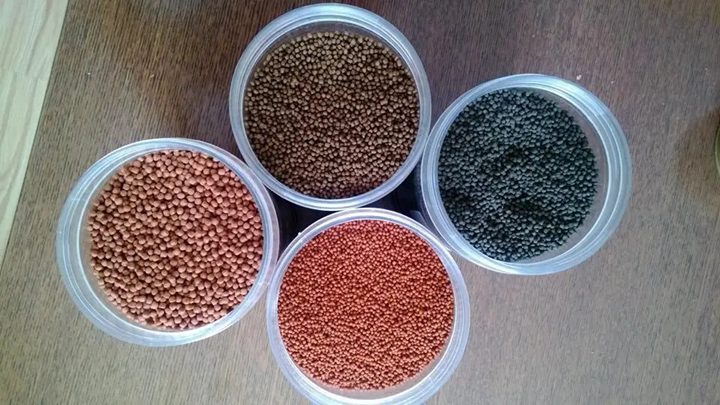
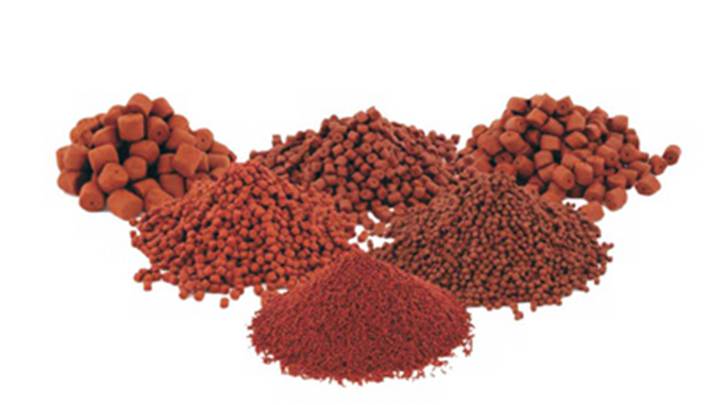
Pellet size must match the fish’s mouth size and feeding habits. Juvenile fish with small mouths need to choose fine pellet feeds to avoid being unable to swallow; adult fish with larger mouths can use slightly larger pellets to improve feeding efficiency.
Inappropriate pellet size will directly affect feeding efficiency and increase the energy consumption of fish. If the pellet is too big, fish need to gnaw it repeatedly and consume too much energy; if the pellet is too small, it will be easily washed away by the water body, which is not only a waste of feed, but also increase the difficulty of fish feeding.
Pellet color
The normal color of high quality fish feed particles ranges from yellowish brown to brown, and the color is uniform. This color is mainly determined by the raw material itself, the color is yellowish when the content of fishmeal is high, and the color is brownish when the proportion of soybean meal and other plant materials is high.
The type and proportion of raw materials will directly affect the color of pellets, but the color itself can not be the only basis for judging the quality of feed. Some manufacturers will adjust the color by adding coloring to cover up the poor quality of raw materials, so it is necessary to combine with other characteristics of a comprehensive judgment.
Pellet texture and surface
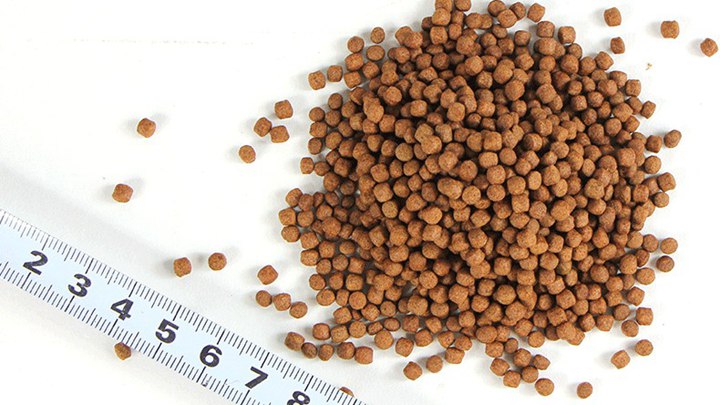
High-quality fish feed particles have a smooth surface, uniform shape, and no obvious breakage, deformation or lumping phenomenon. Smooth surface can reduce the generation of dust during transportation and feeding, and at the same time, it is easy for fish to swallow.
The hardness and friability of pellets should be balanced moderately. If the hardness is not enough, the pellets will be easily broken and produce dust, resulting in waste; if the hardness is too high, it will be difficult for fish to digest the pellets, which will reduce the willingness to feed and the efficiency of digestion.
Low dust (fines) content is an important signal of quality feed. Excessive dust not only means poor feed processing, but it will also be dispersed with the wind or sink to the bottom of the water when feeding, which is not only a waste of feed, but also may pollute the water body.
Floating and sinking fish feeds: how to assess particle stability
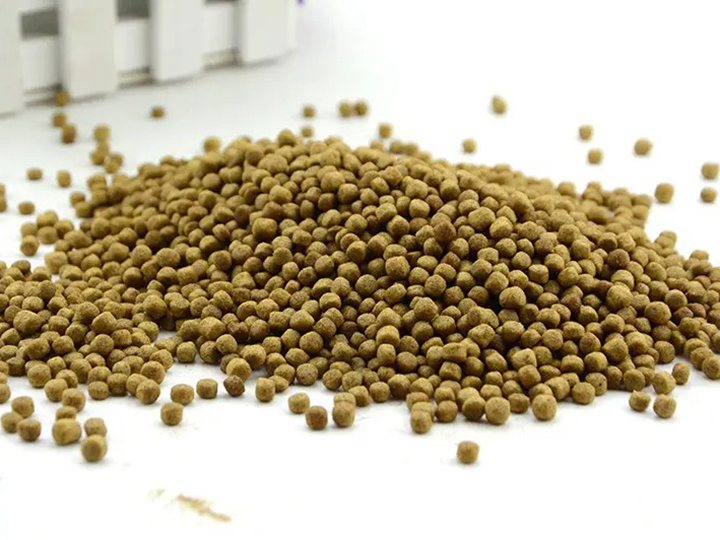
There is a clear difference between the application scenarios for floating and sinking fish feeds. Floating feeds are suitable for pelagic feeders, which float on the surface for long periods of time, making it easier to observe fish feeding, while sinking feeds are suitable for demersal feeders, which sink quickly to the fish’s habitat level to meet their feeding needs.
Buoyancy is crucial for different species. Pelagic fish such as tilapia and grass carp are suitable for floating feeds, while benthic fish such as catfish and carp are more suitable for sinking feeds, and shrimps need to choose slow-sinking feeds to ensure that they can feed smoothly.
The core indicators of quality pellet stability include three points: first, uniform size and structure without obvious differences; second, less dust, not easily broken, low loss during transportation and feeding; third, strong water resistance, not easy to collapse in the water.
Starch content and extrusion process are the key factors affecting the stability of pellets. Appropriate amount of starch can enhance the adhesion of pellets and improve water resistance; advanced extrusion process can make the pellet structure more compact and reduce the probability of collapse.
Pellet stability directly affects the economic benefits of farming. Unstable feed is easy to collapse in the water and lose a lot of nutrients, which not only increases the feed cost, but also pollutes the water body; while stable feed allows fish to fully ingest, reduces waste and lowers the aquaculture cost.
Nutritional indexes of high quality fish feed pellets
Protein content (more than 30%-50%)
Protein is the core nutrient for fish growth. The protein content of high-quality fish feed is usually above 30% to 50%, and the specific ratio needs to be adjusted according to the breeding species. For example, the protein content of feed for carnivorous fish such as largemouth bass needs to be over 40%.
Amino acid composition is more important than protein content. The balance of essential amino acids such as lysine and methionine directly determines the utilization rate of protein. Lack of any one of the essential amino acids will affect the growth of fish.
Protein sources are mainly categorized into two types: fish meal and plant protein. Fish meal with high protein content and well-balanced amino acids is a high-quality protein source, but at a higher cost. Soybean meal and other plant proteins are lower in cost and can replace part of the fish meal with a reasonable combination, but if the proportion is too high, it will affect the nutritional value of the feed.
Lipid/Fat (10%-25%)
Fat provides energy for fish and is rich in essential fatty acids such as EPA and DHA, which are crucial for fish growth, reproduction and immunity enhancement. The fat content of quality fish feeds usually ranges from 10% to 25%.
The higher the fat content, the better. Excessive fat will increase the burden on the fish’s liver and cause diseases such as fatty liver, as well as increase feed costs and reduce farming efficiency.
Additives and Trace Elements
Vitamins and minerals are indispensable trace elements for fish growth and development, which can regulate fish metabolism, enhance immunity and prevent nutritional deficiencies. High-quality feeds will reasonably add all kinds of vitamins and minerals according to the needs of breeding species.
Functional additives such as probiotics and enzymes can improve the intestinal environment of fish and enhance the digestion and absorption rate; color additives such as astaxanthin can improve the body color of farmed products and enhance the commodity value.
Digestion and absorption rate
Compared with the content of crude nutrients, the proportion of digestible nutrients is more important. Even if the crude protein and crude fat content of the feed reaches the standard, if the digestion and absorption rate is low, the fish can not make full use of it, which will still lead to feed waste and cost increase.
Feed formulations need to be designed in combination with the characteristics of farmed species. The digestibility and nutritional requirements of different fish vary greatly, for example, carnivorous fish have a lower utilization rate of carbohydrates, and the starch content of the feed needs to be controlled.
Water stability test: an easy way to check pellet quality
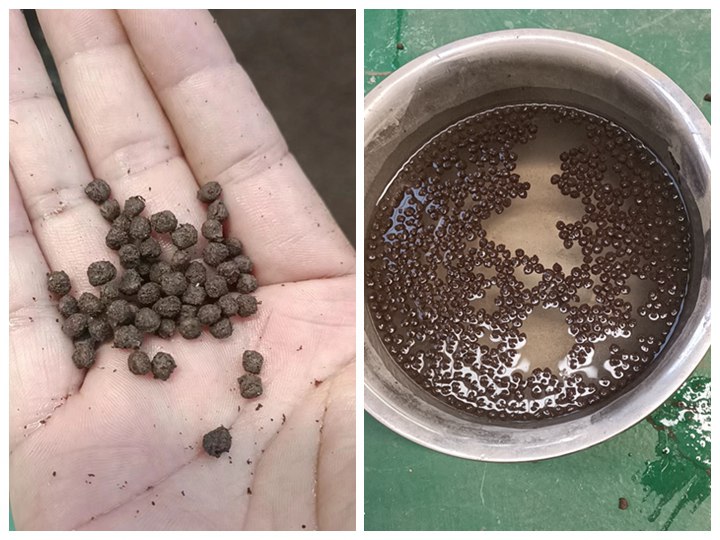
Water stability refers to the ability of fish feed pellets to maintain structural integrity and minimize nutrient loss when immersed in water. Industry standards usually require that nutrient loss does not exceed 20% within 30 minutes.
Practical test methods
Floating test is applicable to floating feeds. When the pellets are put into water, high quality floating feeds should be able to float for more than 15 to 20 minutes, if it sinks quickly or floats for too short a time, it means the stability is poor.
Immersion test can be visualized to observe the integrity of the particles, put the particles into the water to soak, high quality particles in the water can maintain the structural integrity, will not quickly collapse; if a short period of time into a paste, indicating poor water resistance.
Observation of water clarity can also determine the quality of feed, if the water is turbid after immersion, indicating that a large number of feed nutrients are lost, belonging to poor quality feed; high quality feed after immersion, the water remains relatively clear.
The ideal stabilization time of extruded feed is usually calculated in hours, while the stabilization time of ordinary pellet feed is calculated in minutes, which needs to be adjusted according to the breeding species and feeding scenarios.
Water stability directly affects feed cost and water quality. Poorly stabilized feeds lose nutrients quickly and require increased feeding to meet fish demand, while polluting the water body and increasing water quality control costs.
Common Problems of Poor Quality Fish Feed Pellets and Ways to Avoid Them
Common Problems
Excessive dust and easy to break pellets are the most common problems, mostly caused by rough processing technology and irrational proportion of raw materials, which not only wastes feed but also pollutes the water body.
Poor water stability, particles in the water quickly collapse, a large loss of nutrients, can not be fully ingested by fish, increasing the cost of aquaculture.
Abnormal buoyancy, floating feed sinks too fast or sinking feed floats for too long, which does not match with the feeding habits of fish, resulting in low feeding efficiency.
The appearance of rancidity, odor, mostly caused by the deterioration of raw materials or fat oxidation, feeding will lead to fish poisoning, morbidity, and even death.
Nutrition digestion and absorption rate is low, even if the nutrients meet the standard, fish can not fully utilize the feed, resulting in waste of feed and slow growth.
Solution and prevention methods
Optimize the selection of raw materials is the foundation, choose fresh and high quality raw materials, avoid using spoiled and poor quality raw materials, and at the same time, reasonably match the proportion of raw materials to improve the quality of feed.
Improve the extrusion and pelleting process to enhance the adhesion and structural compactness of pellets, reduce dust and crushing phenomenon, and enhance water stability.
Control the moisture content of feed to below 10%, which can not only prevent moldy feed, but also enhance the stability of pellets and prolong the storage time.
Reasonable use of pellet adhesive to enhance the adhesion of pellets, improve water resistance and stability, but need to choose the standard adhesive to avoid residual hazards.
Ensure appropriate storage conditions, and store the feed in a dry, ventilated and cool environment to avoid deterioration of feed due to humidity and high temperature.
Conclusion
To identify high-quality fish feed pellets, we need to pay comprehensive attention to the three core dimensions of physical properties, water stability, and nutritional indexes, as well as combining with a simple water stability test to comprehensively judge the quality of feed.
A single observation or test cannot accurately judge the feed quality, and it is necessary to combine visual observation, water stability test and nutrient analysis in order to make a scientific judgment.
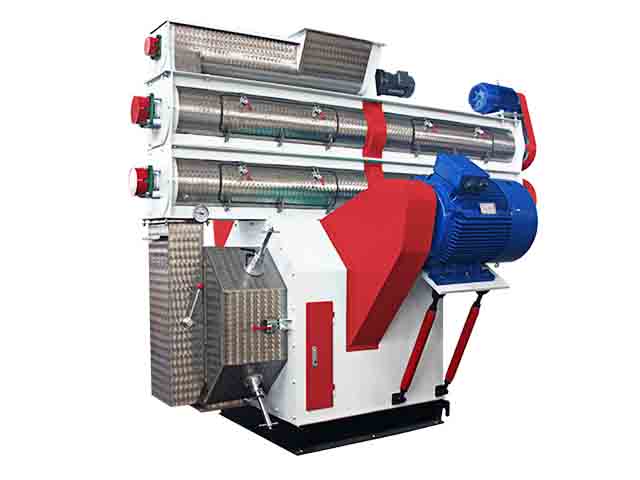
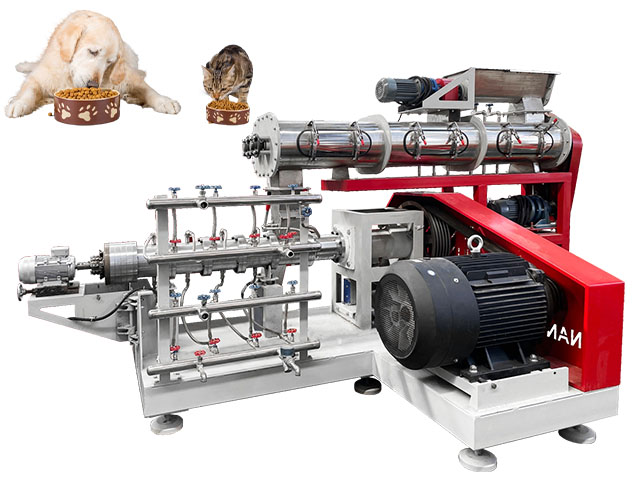
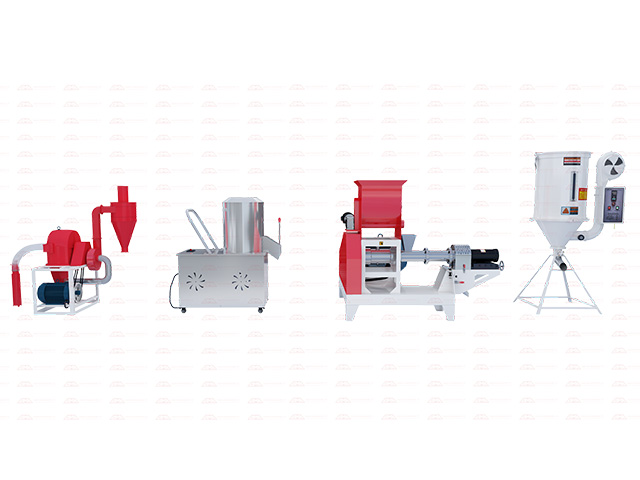
For farmers, choosing a reliable feed supplier or investing in advanced fish feed production equipment for their own production is the key to guaranteeing feed quality.
High-quality fish feed brings significant long-term benefits, not only reducing feed wastage and lowering farming costs, but also promoting healthy fish growth, increasing farm yields and ultimately maximizing farm profitability.