Which type of pellet mill to choose for making feed pellets
In today’s poultry and livestock farming industries, pelletized animal feed has become the mainstream choice due to its balanced nutrition, ease of storage, and high feed conversion rate. Whether you operate a small farm or a large feed processing plant, choosing the right feed pelletizer directly impacts production efficiency and economic returns.
So, with so many different types of pelletizers on the market, how should you make your choice? Below, I will break down the features and advantages of various feed pelletizers in as much detail as possible to help you find the model that best suits your needs.
What is a pelletizer?
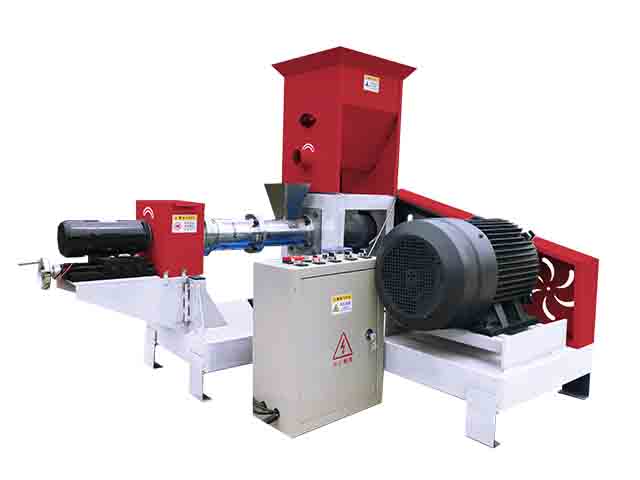
A pelletizer, also known as a feed pelletizer, is a crucial piece of equipment in feed processing. Through mechanical compression and crushing, it transforms powdered or coarsely ground raw materials—such as corn, soybean meal, straw, forage, and rice husks—into high-density, uniformly shaped pellets. This technology is not only used in large, medium, and small-scale aquaculture farms but is also widely found in grain and feed processing plants, livestock and poultry farms, and even in the backyards of individual farmers.
The application range of pellet mills is actually quite broad. They can process dry powdered materials, such as grass powder, sawdust, and corn flour, as well as handle materials with higher moisture content or stickiness, such as formulations containing steam or molasses. Under high pressure and appropriate temperature conditions, pelletizing can also cause starch gelatinization and protein denaturation in the material, thereby improving the digestibility and absorption rate of the feed.
Main Types of Pellet Mills
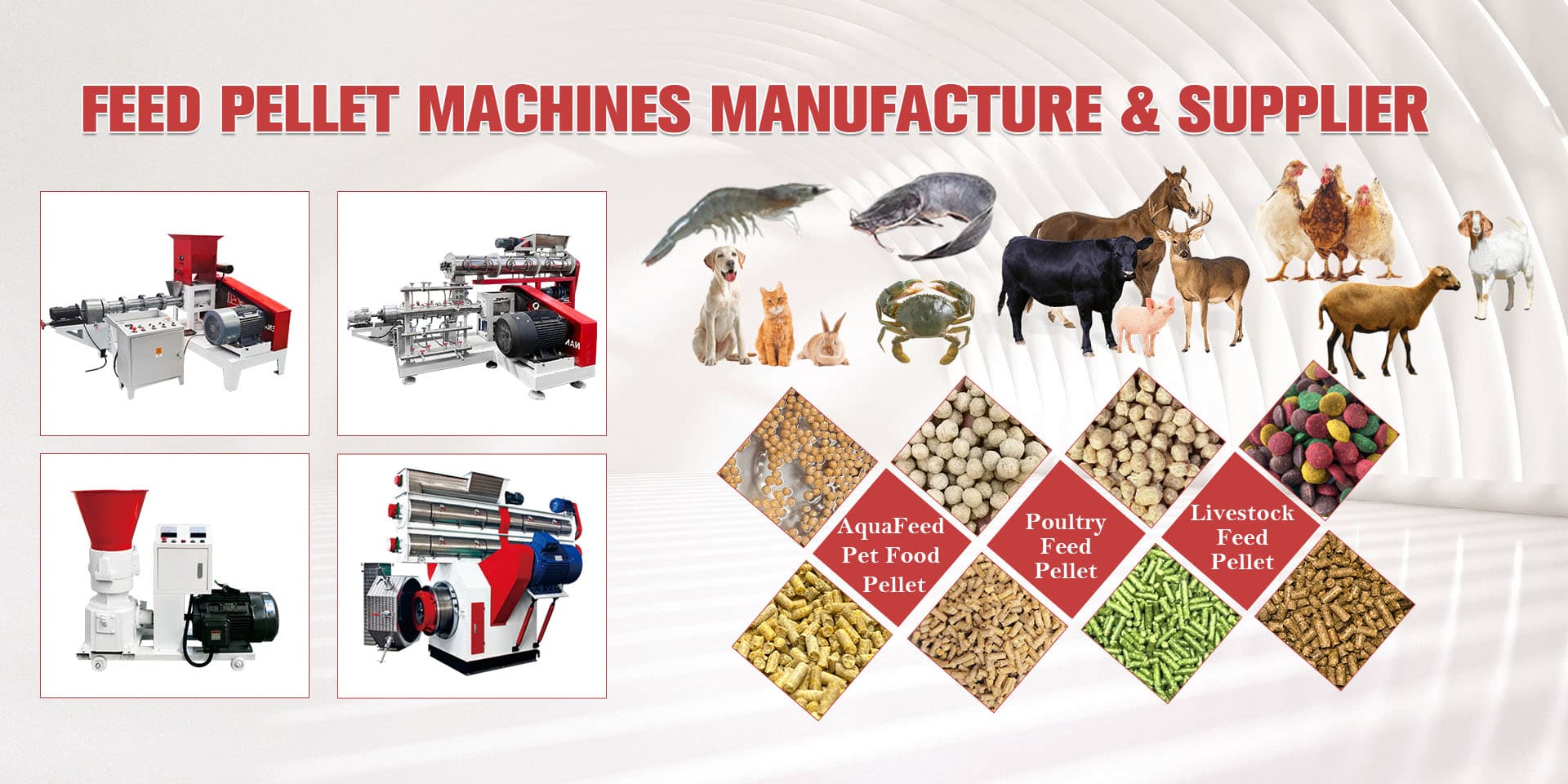
Overall, pellet mills can be divided into two major categories: ring die pellet mills and flat die pellet mills. Flat die pellet mills are commonly used in home or small-scale farms, such as those raising chickens, ducks, rabbits, and cattle. Ring die pelletizers, on the other hand, are the mainstream equipment in medium to large-scale feed mills.
1. Small Flat Die Pelletizer
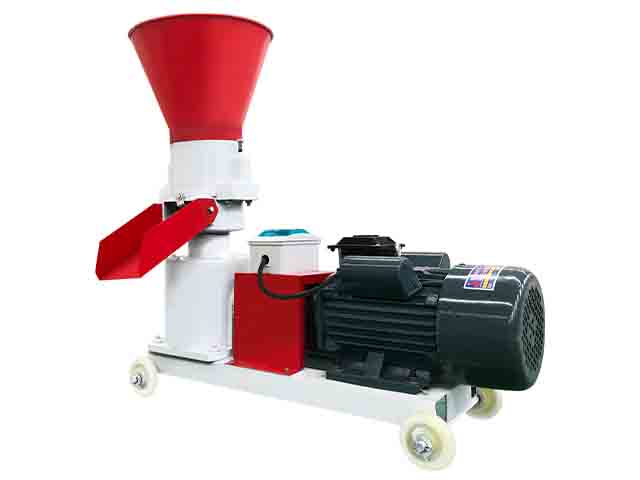
A flat die pelletizer is a compact and relatively affordable piece of equipment primarily used to process powdered or finely ground raw materials into small, uniform pellets. It is commonly found in small farms, home-based feed production, and small-scale biomass pelletizing operations. If you are new to pelletizing or have a small production scale, a flat-die pellet mill is often a highly cost-effective starting point.
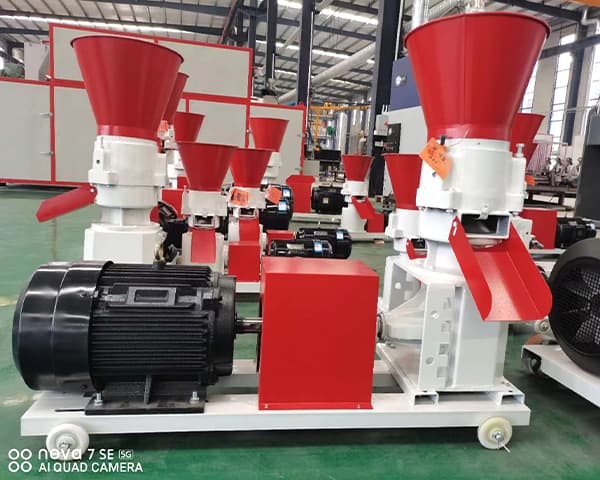
How a Flat-Die Pellet Mill Works:
The operation of a flat-die pellet mill is relatively straightforward: raw materials from the hopper fall onto a horizontal flat die, which is covered with small holes. A rotating press roller repeatedly compresses the material, forcing it through the die holes to form cylindrical pellet strands. Subsequently, an adjustable cutter slices these pellet strands to the desired length, and the finished pellets are discharged through the outlet. Compared to ring die pelletizers, flat die machines feature a simpler structure and a lower learning curve.
Performance Advantages of Flat Die Pelletizers:
The main advantages of flat die pelletizers include: Low investment cost: The machine is relatively inexpensive, making it very accessible for small-scale operators; Simple operation: No complex training is required; it is easy to learn; Convenient maintenance: Wear-prone parts such as dies and rollers are relatively easy to replace; Compact and mobile: Many small flat-die pelletizers are equipped with wheels or feature a lightweight design, making them easy to move around the farm.
Material Adaptability and Flexibility of Flat-Die Pelletizers:
Flat-die pelletizers can process a variety of common feed ingredients, such as corn, soybean meal, forage, straw, and rice husks, and can also incorporate small amounts of oil or trace elements. They are particularly well-suited for flexibly adjusting formulations based on available raw materials to produce feed pellets for various livestock and poultry, including chickens, ducks, pigs, rabbits, and cattle. They are also highly practical for small-scale trials or educational demonstrations.
Typical Applications of Flat-Die Pellet Mills:
Flat-die pellet mills are typically used for on-farm feed production for personal use; home-based pellet feed processing; small-scale feed workshops or cooperatives; pilot-scale or experimental projects for pellet feed formulations; and small-batch biomass pellets (such as wood chip pellets) for heating or fuel, among other applications.
Overall, flat-die pellet mills are designed to meet the needs of small-batch, multi-variety, and low-cost production.
Although their output per unit and pellet density are not as high as those of ring die pelletizers, their flexibility, ease of use, and cost-effectiveness make them the preferred choice for many small-scale users.
2. Large Ring Die Pelletizers
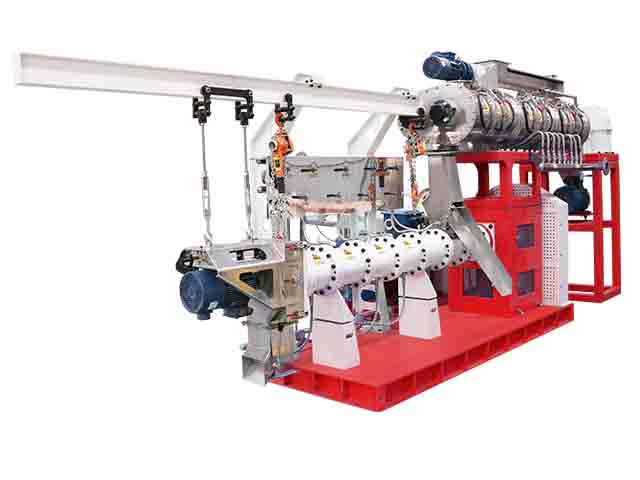
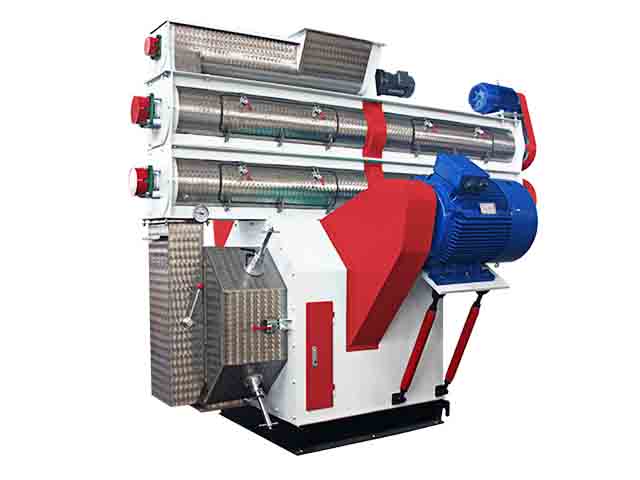
Ring die pelletizers are high-performance continuous pelletizing machines capable of compressing powdered or granular raw materials into dense, uniform pellets. They serve as core equipment in modern feed mills and are widely used in the production of animal feed, biomass fuel, organic fertilizer, and other related fields.
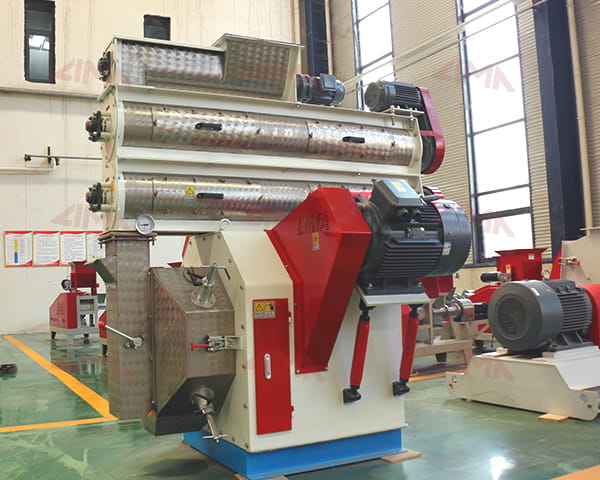
Working Principle of Ring Die Pellet Mills:
The operation of a ring die pellet mill consists of three key stages:
Conditioning: Before entering the pelletizing chamber, the material is thoroughly mixed with steam, molasses, or oil in the conditioner, raising the temperature to 70–90°C and the moisture content to approximately 15–18%. This step softens the fiber, gelatinizes the starch, kills some harmful microorganisms, and improves the pellet’s formability and water resistance.
Compression: The conditioned material enters the wedge-shaped zone between the ring die and the press rollers. The ring die is a high-speed rotating metal cylinder covered with small holes, with two or more press rollers inside. The material is drawn into the extrusion zone by the rotating ring die, forced through the die holes under immense pressure from the press rollers, and further compacted into dense cylindrical strands within the holes.
Cutting: The cylindrical strands extruded from the die holes are cut to a preset length by cutters mounted on the outer side of the ring die, forming uniform pellets. After exiting the die holes, the pellets are at a high temperature (approximately 70–85°C) and have a high moisture content. They must enter a cooler to be cooled and have excess moisture removed, ensuring their hardness and durability meet storage and transportation standards.
Performance Advantages of Ring Die Pelletizers:
High Production Capacity and Continuous Operation: Suitable for 24-hour uninterrupted industrial production, with hourly output per machine ranging from several hundred kilograms to tens of tons.
Consistent Pellet Quality: Pellets feature uniform density, smooth surfaces, high hardness, low dust loss, and good water resistance (especially for aquaculture feed).
Low Energy Consumption per Unit: Although the machine has high power consumption, the energy cost per ton of product is lower than that of flat-die pelletizers.
High Degree of Automation: Can be integrated with a PLC control system to achieve closed-loop control of parameters such as temperature, feed rate, current, and steam injection.
Material Adaptability and Automation of Ring Die Pelletizers
Ring die pelletizers can process a wide variety of raw materials, including high-starch grains, high-protein soybean meal, high-fiber straw and distillers’ grains, as well as materials with high oil content (such as cottonseed meal and rapeseed meal). The die aperture, compression ratio, and material (stainless steel or high-chromium alloy) can be selected based on raw material characteristics and finished product requirements.
An advanced control system automatically adjusts feed rate and steam injection to ensure consistent pellet output across different formulations while reducing the need for manual intervention.
Typical Applications of Ring Die Pellet Mills
Ring die pellet mills are typically used in large-scale livestock and poultry feed production lines (pigs, chickens, cattle, sheep, etc.).
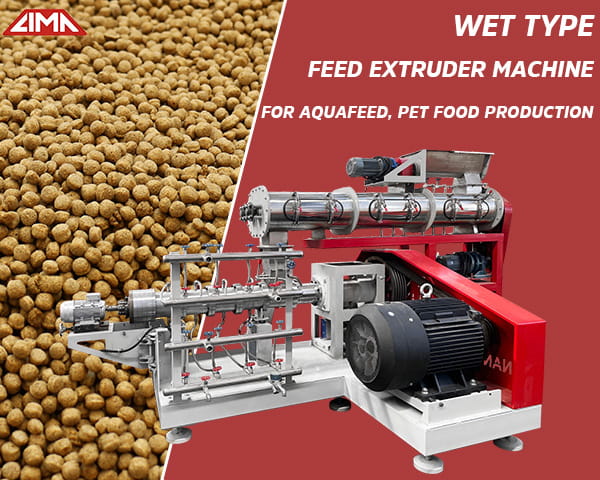
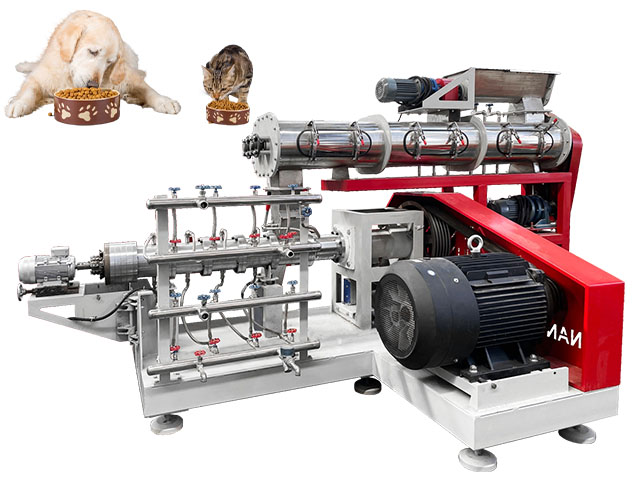
They can also be used for aquaculture feed production (both floating and sinking feeds are possible, requiring different ring dies and conditioning processes), biomass pellet fuel production (wood chips, straw, etc.), and organic fertilizer pelletization (pelleting of fermented livestock and poultry manure), among others.
In summary, ring die pelletizers are industrial-grade solutions designed for large-scale, high-efficiency, and long-term stable operation. Although they require higher initial investment and installation standards, their exceptional production capacity, pellet quality, and operational reliability make them indispensable core equipment for medium-to-large feed mills and biomass energy plants.
Key Differences Between Flat-Die and Ring-Die Pellet Mills
Although both flat-die and ring-die pellet mills are types of feed pellet forming equipment, they differ significantly in structure, production capacity, application scenarios, and long-term operational performance. Simply put, flat-die pellet mills are better suited for small-scale, low-investment production, while ring-die pellet mills are more suited for continuous industrial production in large-scale feed mills.
1. Differences in Production Scale and Application Scenarios
Flat-die pellet mills are typically suitable for small-scale production ranging from tens to hundreds of kilograms per hour, and are commonly found on family farms, small-scale livestock operations, or in start-up feed processing facilities. They feature a compact design, require minimal floor space, and have low facility requirements. In contrast, ring-die pellet mills typically start at a production capacity of 1 ton per hour, with larger models capable of reaching tens of tons per hour, making them more suitable for large commercial feed mills, aquaculture feed plants, and biomass pellet fuel production lines.
2. In terms of structural design, the operating principles of the two machines are entirely different
Flat-die pelletizers use a horizontal die plate structure, where the press rollers rotate above the die plate. Material enters the die holes vertically by gravity and is extruded into pellets. The overall structure is relatively straightforward and simple. Ring-die pelletizers, on the other hand, use a circular die ring, with the press rollers located inside the ring. Material is radially extruded from the interior into the die holes to form pellets. This design makes ring die pelletizers more stable during high-speed continuous production.
3. Differences in Pressure Distribution and Pellet Quality
Due to the difference in linear velocity between the inner and outer rings of the die plate, flat die pelletizers are prone to uneven pressure distribution. After prolonged use, wear in certain areas becomes more pronounced, and uneven discharge may occur in some regions. In contrast, the pressure rollers and ring die of a ring die pelletizer operate concentrically, resulting in a more uniform pressure distribution. Consequently, the pellets produced typically exhibit better density, consistency, and surface smoothness, making them particularly suitable for high-quality livestock and poultry feed, aquaculture feed, and high-density biomass pellets.
4. Differences in Wear Resistance and Service Life
In terms of wear resistance and service life, ring die pelletizers generally hold the advantage. Due to the contact mechanism between the press rollers and the die plate in flat die pelletizers, both the die and press rollers wear out relatively faster, and energy consumption per ton of feed is higher. Ring die pelletizers, on the other hand, are better suited for long-term continuous operation; their ring dies and press rollers generally have longer service lives, and energy consumption per unit of product is lower. Consequently, their overall economic efficiency becomes more evident during long-term operation in large-scale facilities.
5. Differences in Ease of Operation and Maintenance Costs
However, from an operational and maintenance perspective, flat-die pelletizers are significantly easier to operate. They feature a simple structure and are lightweight, making it convenient to replace dies and press rollers. Many users can perform routine maintenance themselves, resulting in lower initial investment and maintenance costs. For small-scale users with limited budgets, flat-die machines present a lower barrier to entry. In contrast, ring-die machines, due to their complex structure and heavy weight, often require specialized tools or even lifting equipment for disassembly and assembly. They demand higher technical expertise and incur higher maintenance costs.
6. Differences in Operational Visibility
Additionally, these two types of equipment differ in terms of operational visibility. The compression area of flat-die machines is relatively open, allowing operators to directly observe material feeding, compression, and discharge. This enables timely adjustments when material jams or pellet abnormalities are detected. In contrast, ring-die machines typically feature a closed compression system where internal operations cannot be directly observed. Instead, they rely more heavily on sensors monitoring current, temperature, and vibration to assess equipment status, thus requiring higher levels of automation control and operational expertise.
7. Differences in Raw Material Compatibility
In terms of raw material adaptability, flat-die pelletizers are better suited for fibrous and biomass-based materials, such as straw, grass meal, and wood chips, offering greater flexibility for small-scale users. Ring-die pelletizers, on the other hand, are more suitable for the production of standardized feed formulations. Especially when used in conjunction with a conditioner, they can significantly improve pellet maturation, stability, and feed digestibility, making them more widely adopted in the large-scale livestock, poultry, and aquaculture feed industries.
Overall, if you prioritize low costs, small-batch production, and the ability to produce multiple varieties, and prefer equipment that is simple and easy to operate, then a flat-die pellet mill is a better fit. However, if you seek high production capacity, continuous operation, consistent pellet quality, and long-term operational efficiency, then a ring-die pellet mill is undoubtedly the more professional and mature choice.
Factors to Consider When Selecting a Pellet Mill
1. Production Capacity of the Pellet Mill
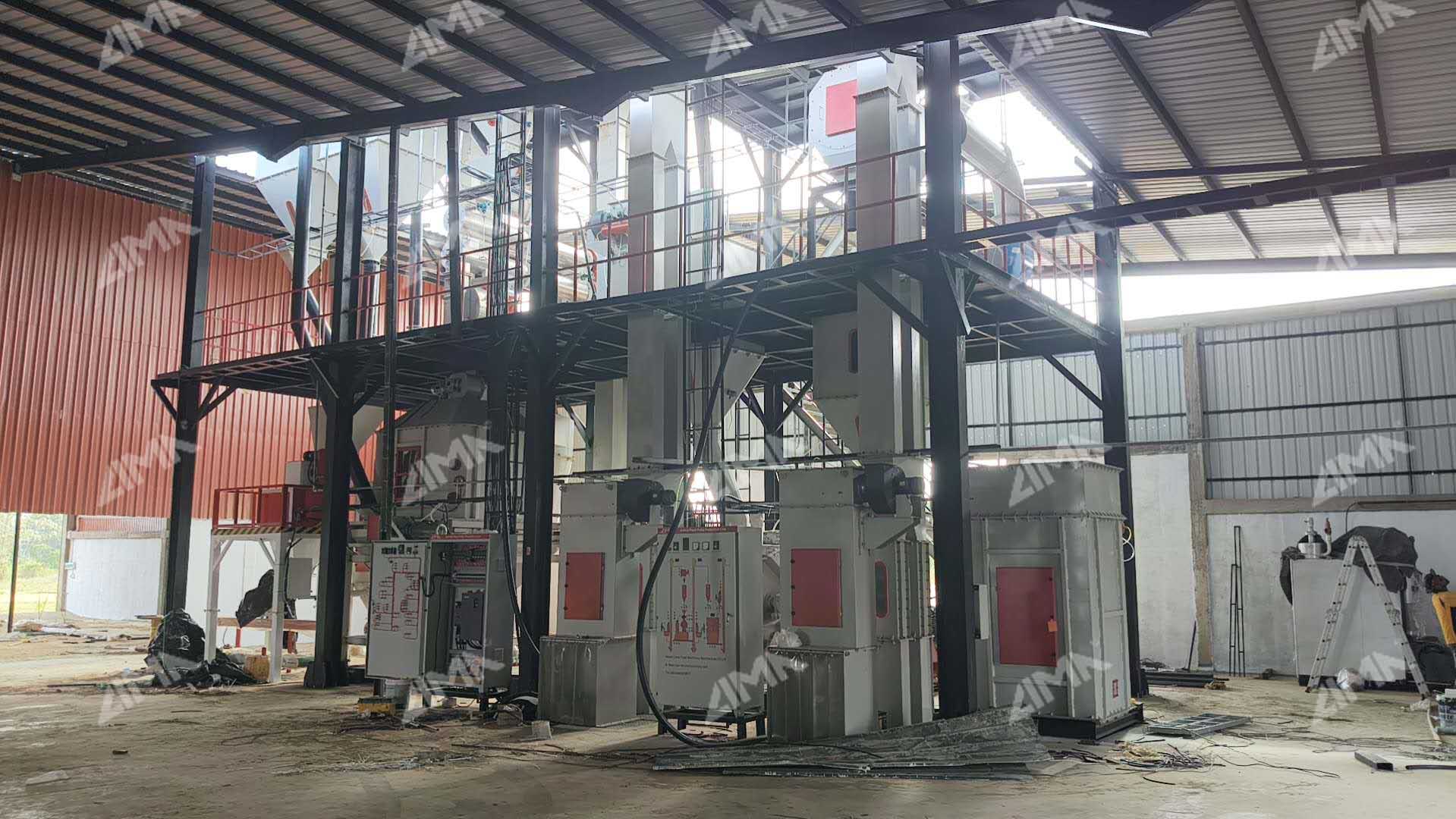
The most critical factor is ensuring the equipment’s output matches your actual needs. If a small farm purchases a ring-die pellet mill, it not only wastes investment but may also result in frequent machine start-ups and shutdowns due to insufficient production volume, leading to accelerated wear and tear. Conversely, if a large feed mill uses a flat-die pellet mill—even with multiple units operating in parallel—it cannot meet industrial requirements for both output and pellet quality.
2. Pellet Quality Requirements
Different animals and growth stages have varying requirements for feed pellets. For example: Laying hen feed requires intact pellets with low powderization rates to minimize waste. Aquatic feed requires pellets that remain stable in water for extended periods (sinking pellets for over 30 minutes; floating pellets require even greater water resistance). Ruminants (cattle, sheep) have specific ranges for pellet hardness and diameter. When selecting a machine, confirm that the equipment can consistently achieve the required pellet hardness and durability metrics.
3. Raw Material Compatibility of Pellet Mills
What are your primary raw materials? Starchy materials such as corn and soybean meal are relatively easy to pelletize, whereas high-fiber materials like straw and rice husks are more difficult to compact, placing higher demands on the die’s compression ratio and the material of the press rollers. Raw materials with high oil content (such as cottonseed meal and rapeseed meal) also require special attention, as oils can reduce friction and pellet hardness.
4. Durability and Build Quality of the Pellet Mill
In a high-quality pellet mill, key components (ring die or flat die, press rollers, main shaft, bearings) should be made of wear-resistant materials, such as high-chromium alloy or alloy steel. Inferior dies may suffer severe wear or breakage after just a few dozen hours of operation, leading to frequent downtime. It is recommended to choose well-known brands or manufacturers with a strong reputation among users.
5. Power Source and Operating Conditions of Pellet Mills
Electric Pellet Mills: The most common type, with relatively low operating costs, suitable for locations with a stable three-phase power supply.
Diesel Pellet Mills: Suitable for scenarios with unstable power supply or outdoor operations, but fuel costs and noise levels are slightly higher.
Gasoline Pellet Mills: Primarily used for very small flat-die machines; they are flexible but have limited power.
Additionally, consider whether the site has sufficient space, ventilation, and dust protection measures.
6. Cost and Long-Term Value of Pellet Mills
Don’t focus solely on the machine’s price. A cheap machine may have short die life, low yield rates, and frequent repairs, making it more expensive in the long run. We recommend considering the following factors comprehensively: initial purchase cost; replacement frequency and unit cost of wear parts (dies, rollers); energy or fuel consumption per unit of product; and the convenience of after-sales service and spare parts supply.
Selecting a Pellet Mill Based on Farm Size
1. Small Farms (Annual Output of Tens to Hundreds of Tons)
Prioritize flat-die pellet mills: Flat-die pellet mills require minimal investment, starting from a few hundred to a few thousand yuan; they are simple to operate and do not require dedicated operators; they allow for flexible formula adjustments and can even utilize farm-produced byproducts such as straw and weeds; they are compact and easy to move, enabling use across different livestock barns. For farms just starting out or those producing feed solely for their own livestock, flat-die pellet mills are a very practical choice.
2. Medium-sized farms (annual output of several hundred to several thousand tons)
Medium-sized farms have more options: If output is not particularly high but flexibility is a priority, a larger flat-die pellet mill—such as a 22kW or 30kW model—can be selected, with an hourly capacity of 500–1,000 kg. If there are plans to expand production or sell feed externally, a small ring-die pellet mill (e.g., with an hourly output of 1–3 tons) should be considered. Although the initial investment is higher, it offers advantages in pellet quality, production stability, and long-term operating costs.
It is recommended to base your decision on your development plans for the next 2–3 years to avoid having to upgrade equipment again in just one or two years.
3. Large Feed Mills (Annual Output of Tens of Thousands of Tons or More)
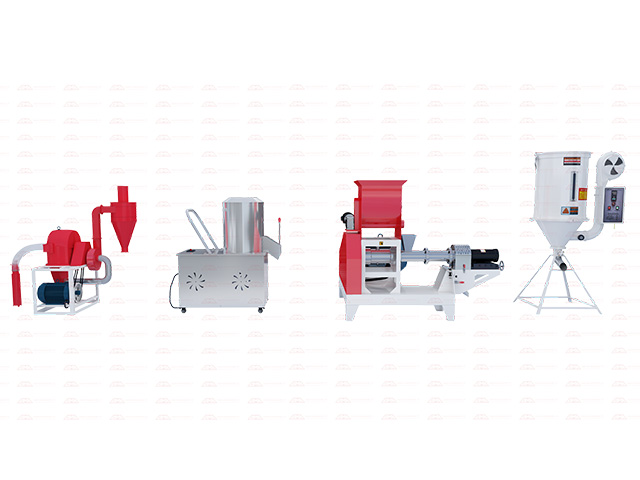
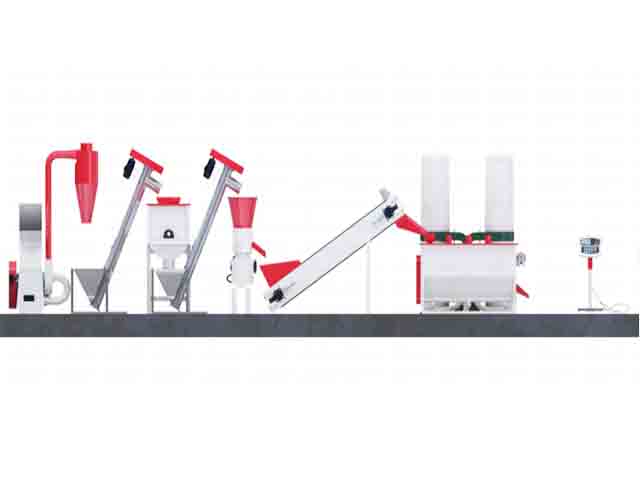
The best choice for large feed mills is a ring-die pellet mill, which can meet the demands of continuous, efficient, and low-cost industrial production. They can be integrated into a complete production line that includes conditioning, cooling, crushing, screening, and packaging. An automated control system is essential to ensure consistent quality and reduce labor costs. Additionally, multiple ring-die pelletizers can be operated in parallel to flexibly switch between different formulations and particle sizes.
If a large feed mill attempts to use a flat-die pelletizer as a substitute, it will face significant disadvantages in terms of production capacity, pellet quality, and cost per ton.
In summary, there is no single “best” answer when selecting a feed pelletizer; the key lies in finding the machine that suits your specific production scale, raw material conditions, and budget. Generally, if you have a small-scale operation, a limited budget, and require flexibility, a flat-die pelletizer is the right choice, as it meets the needs of most small and medium-sized livestock farmers. However, if you operate on a large scale with continuous production and prioritize high-quality pellets and long-term profitability, you must opt for a ring-die pelletizer. Although the initial investment is higher, the overall return on investment is superior.