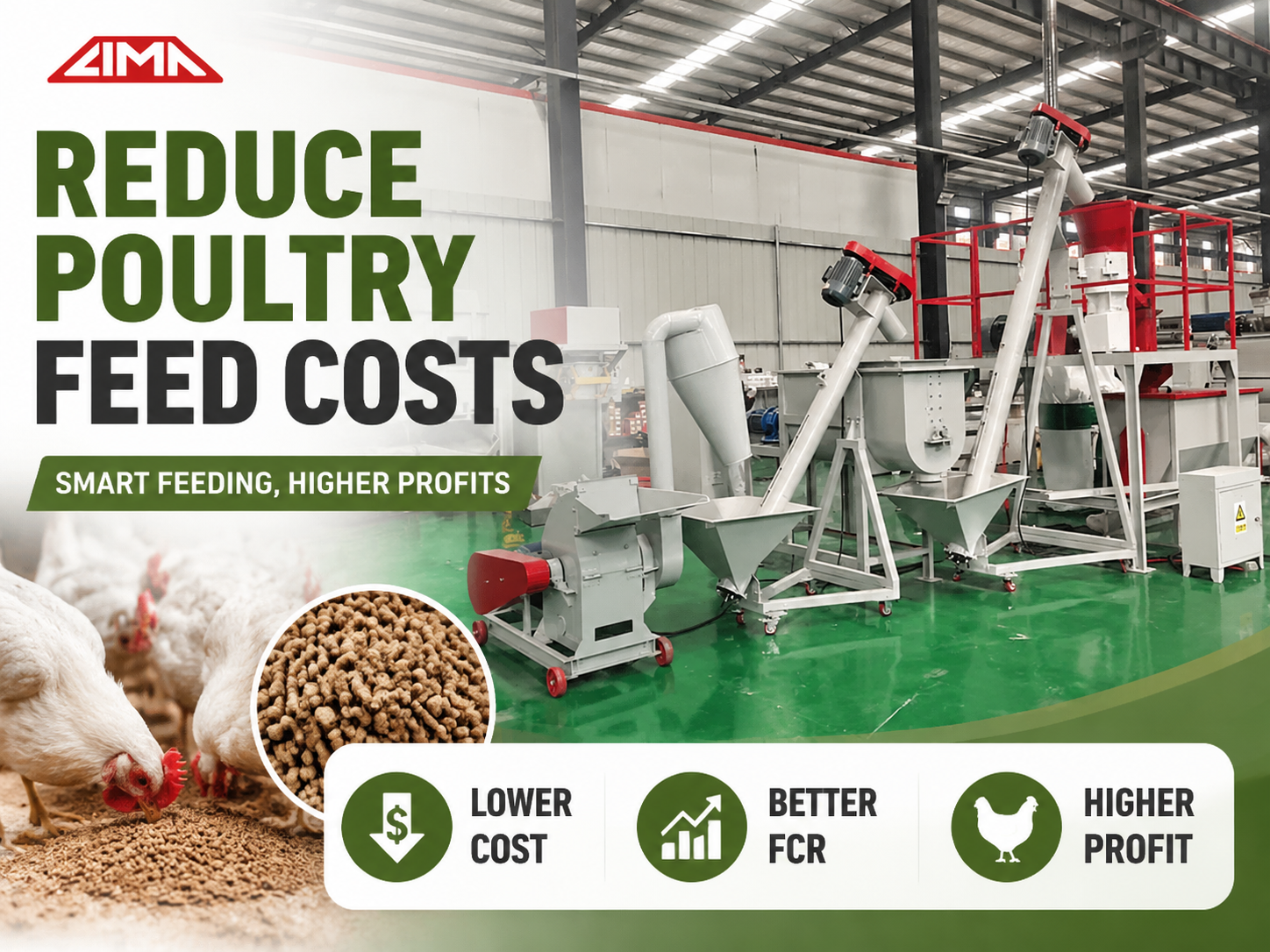
Learn how to reduce poultry feed costs through feed formulation optimization, FCR improvement, raw material selection, and efficient feed production management to increase farm profits.
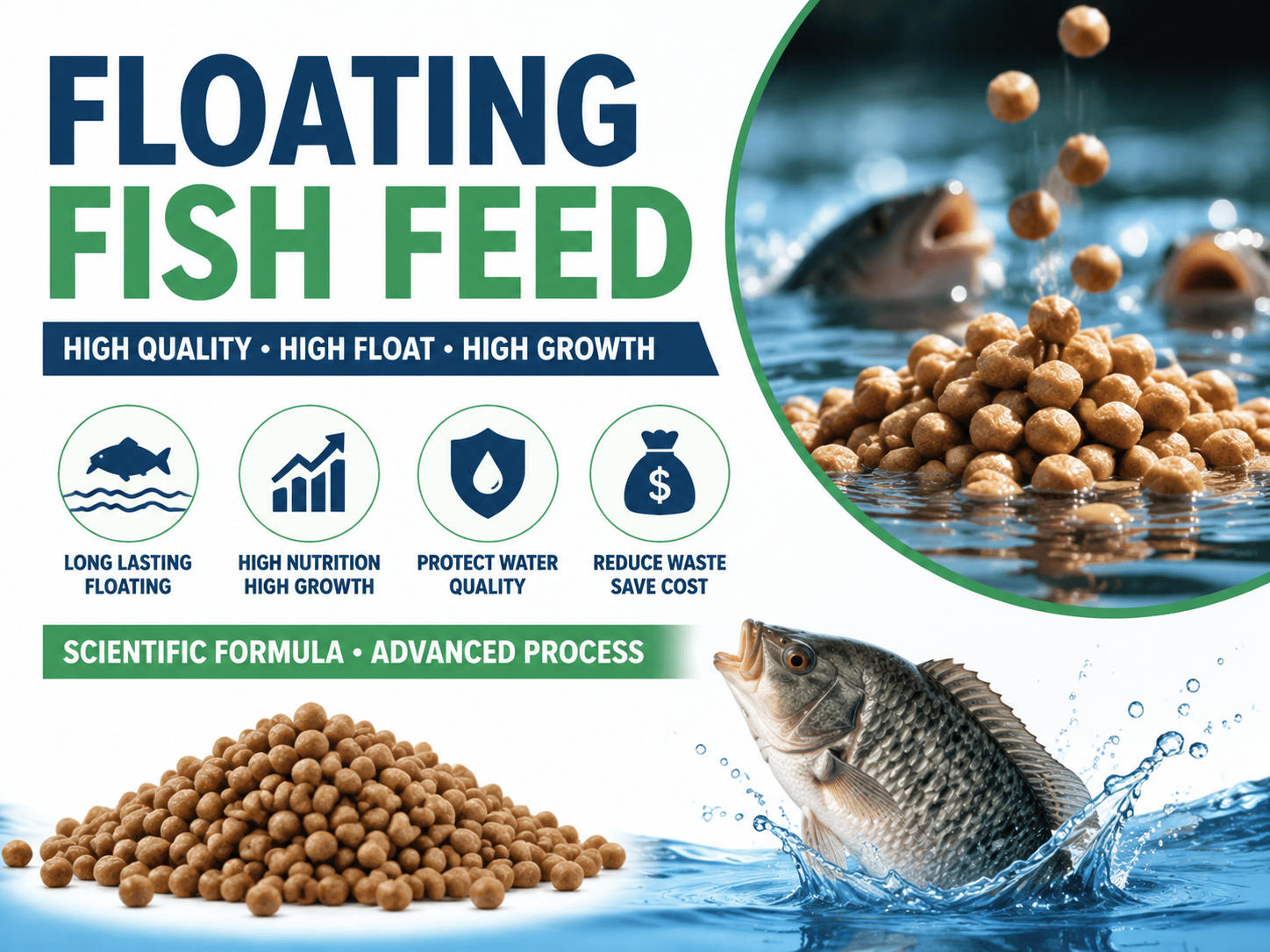
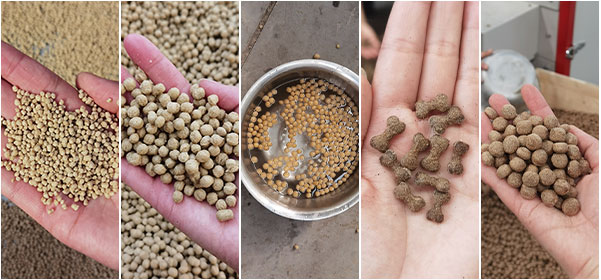
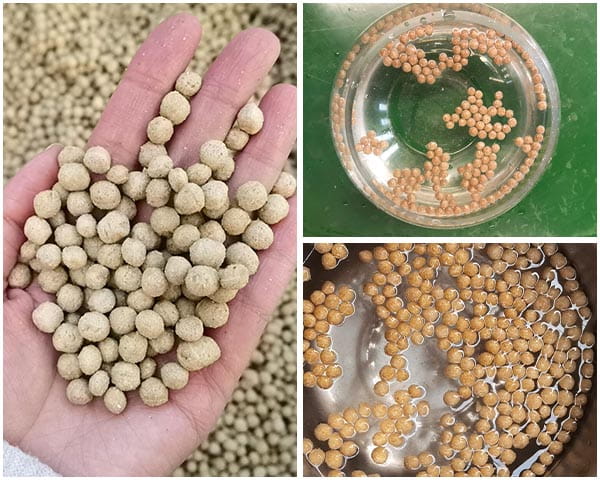
Floating fish feed production process explained in detail, covering raw material selection, formulation, extrusion, drying, cooling and packaging. Learn how to produce high-quality floating feed with efficient equipment and stable performance.
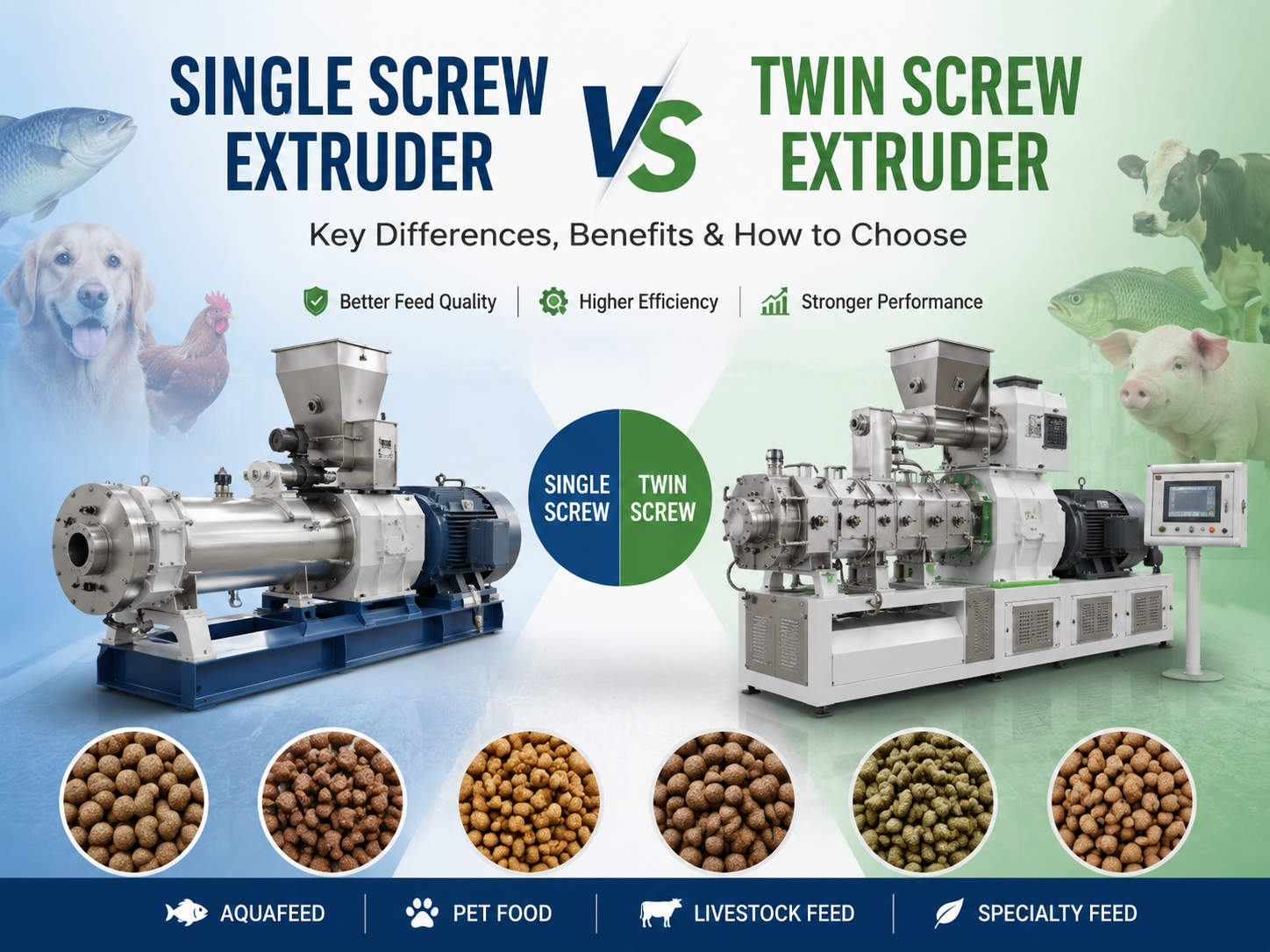
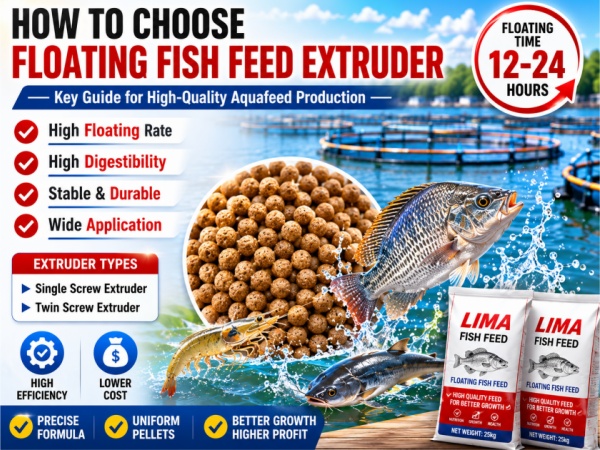
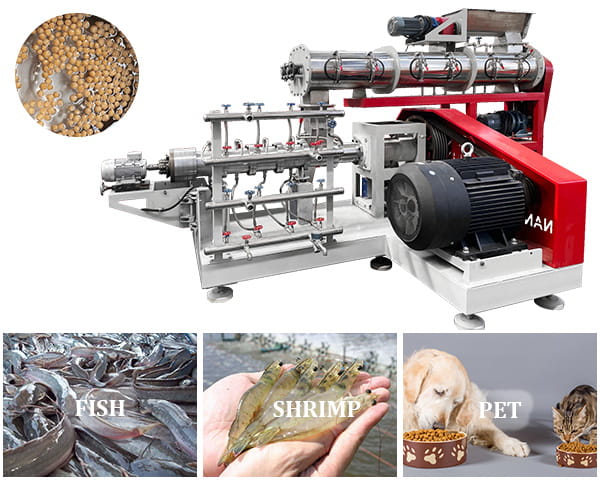
Understand how to select a high-quality extruder for floating fish feed. By comparing single-screw and twin-screw extruders—and considering factors such as production capacity, feed quality, and operating costs—you can find the equipment best suited to your fish feed production needs.
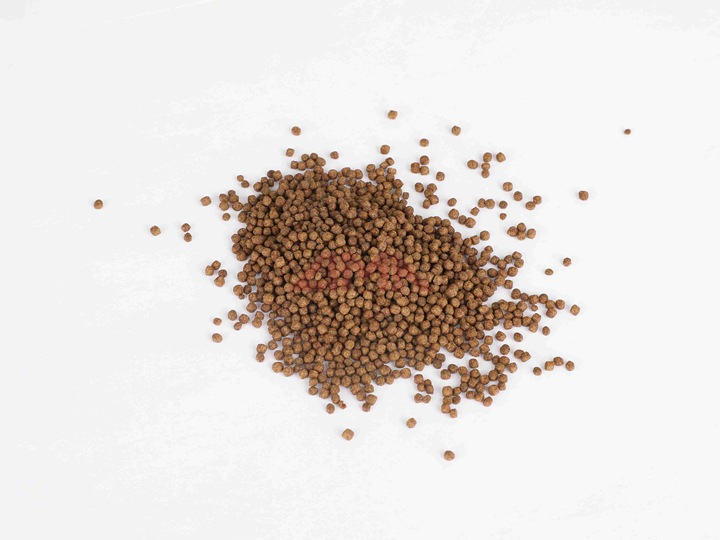
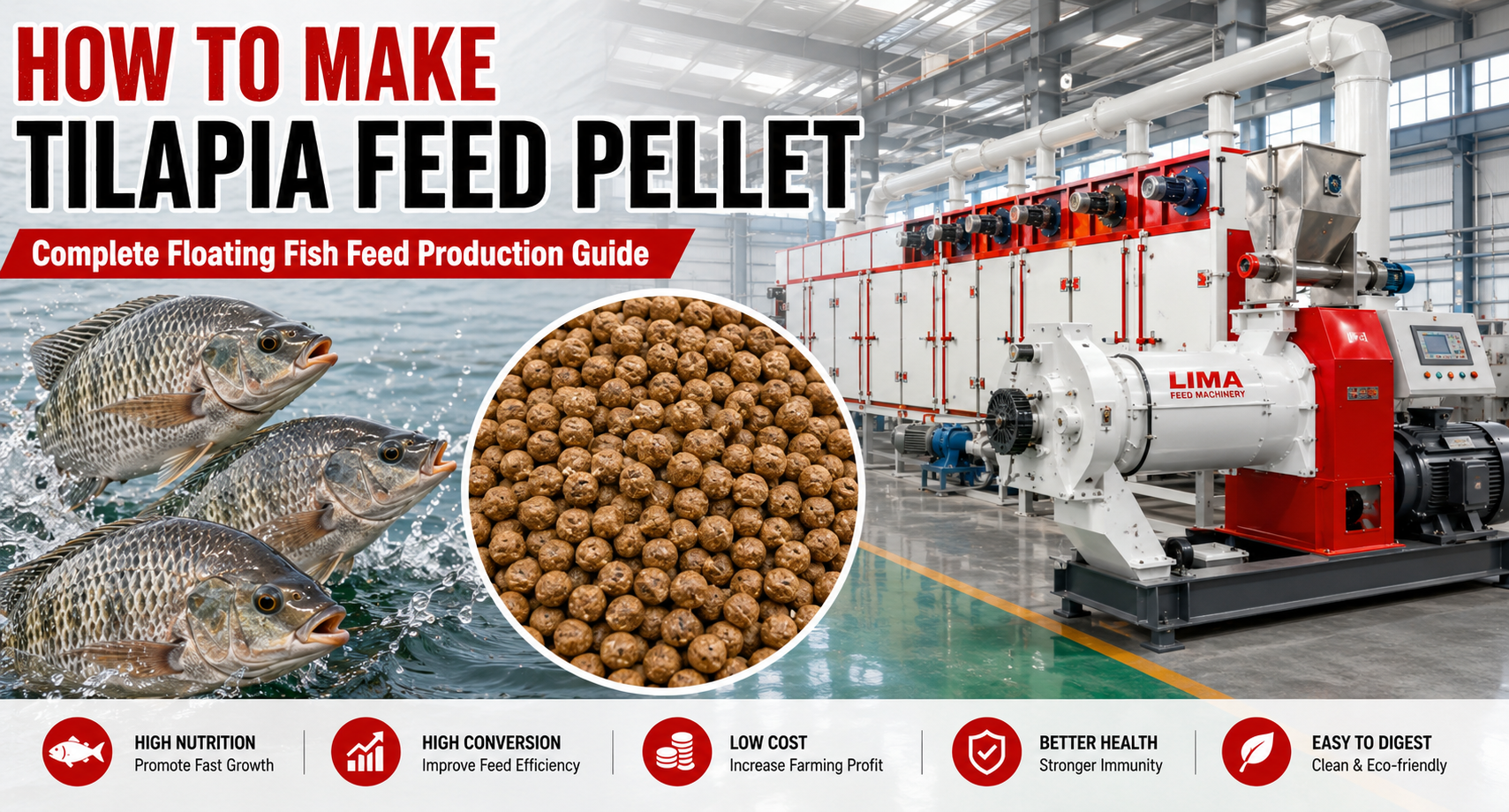
Gain an in-depth understanding of the complete production process of tilapia pellet feeds, covering feed formulation, raw materials, pellet manufacturing steps, quality improvement methods, and feed equipment selection for efficient aquaculture.
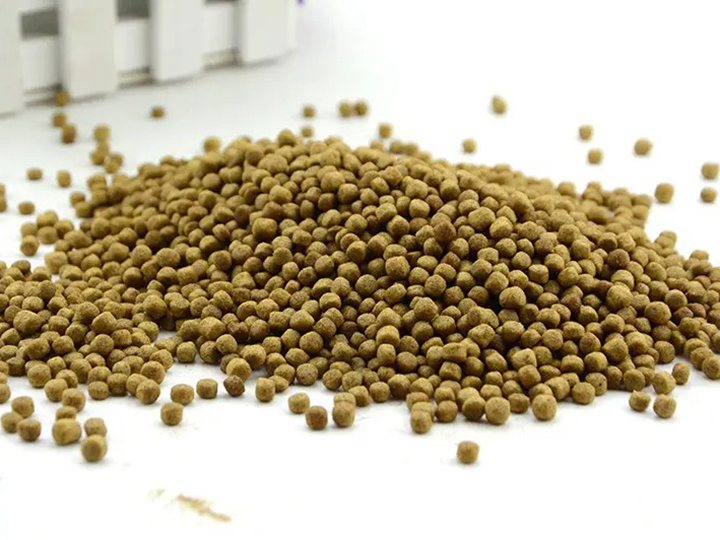
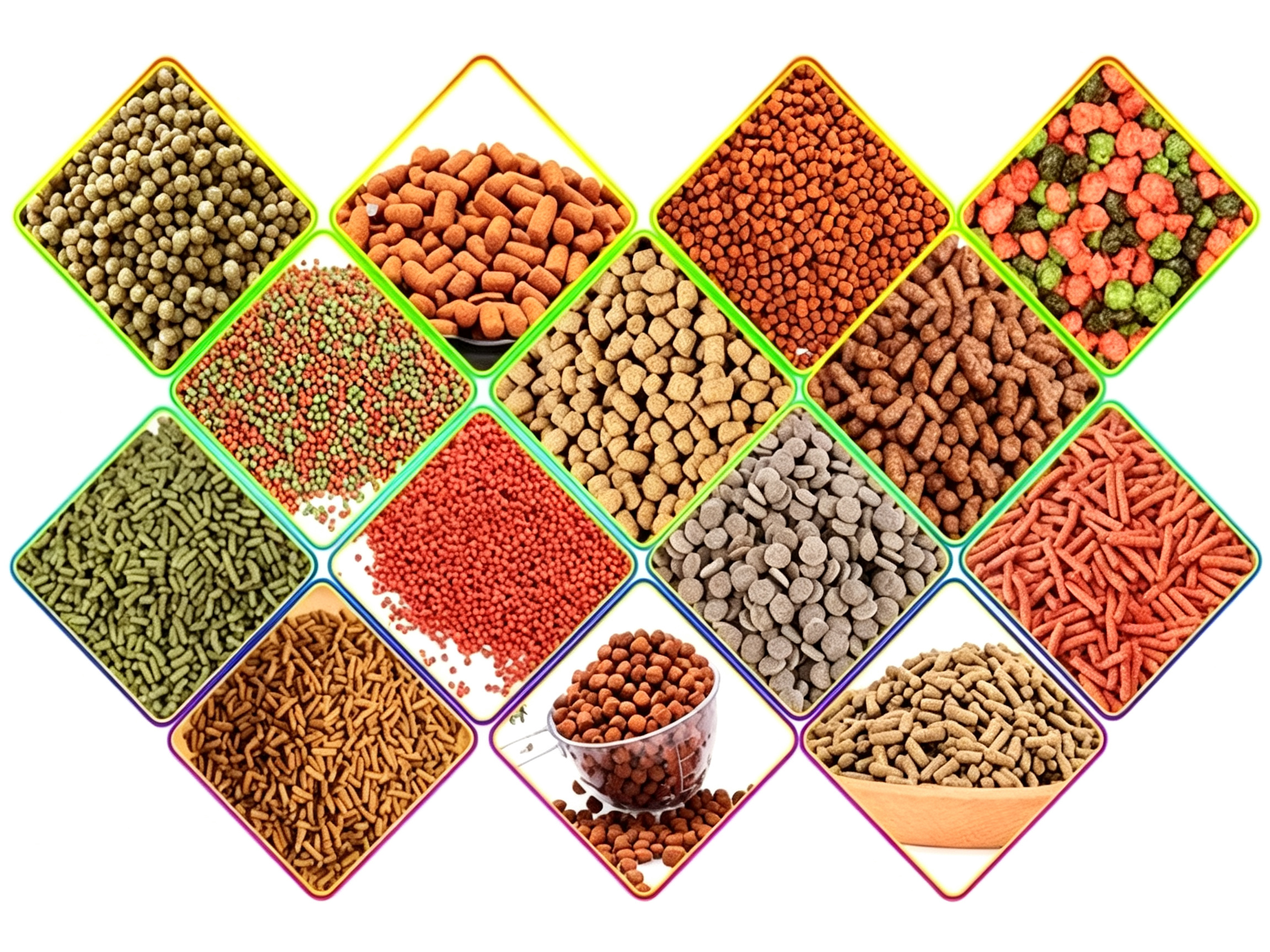
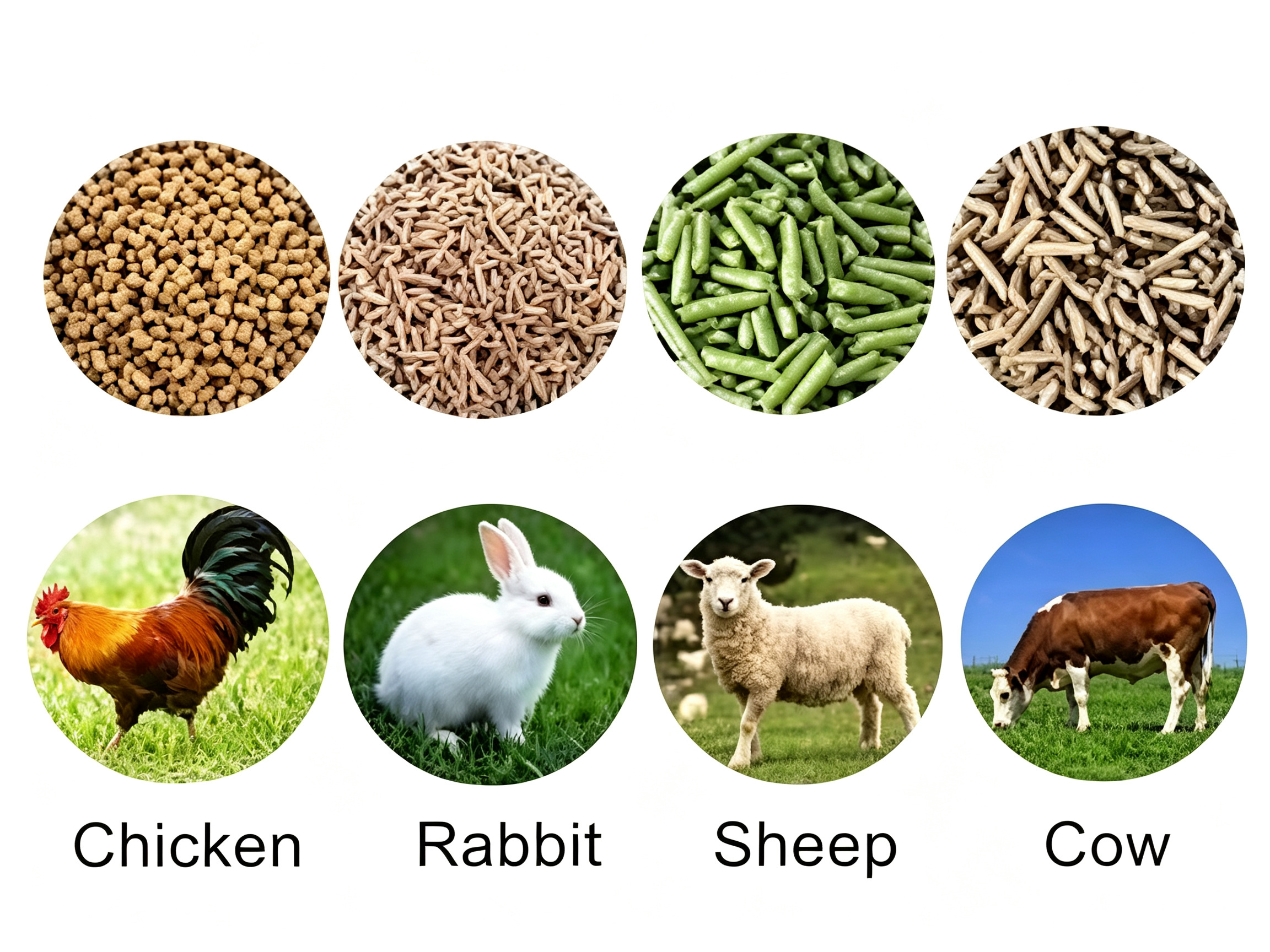
Different animals in different stages of growth, not only need different nutrients, the size of the feed particles also have their own requirements. This matter is actually quite critical – even if the formula is well balanced, if the particle size is not suitable, the animal will either not like to eat, or will not be able to digest the food well, and the waste will be more, which will affect the growth in the end. Each animal’s mouth structure, eating habits, digestive system are different, in order to raise a good, we must match the particle size according to the needs.