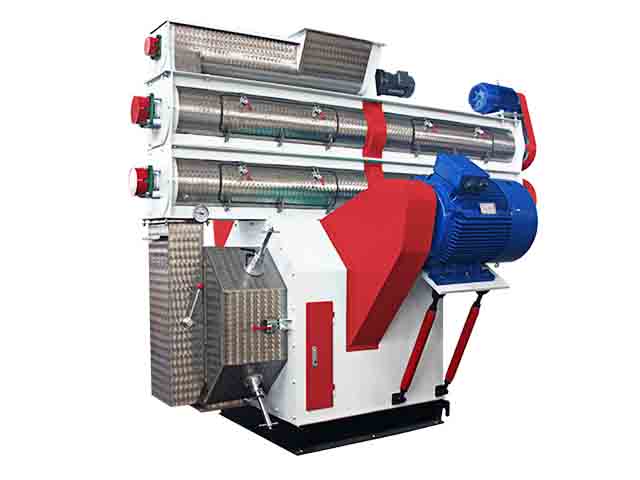
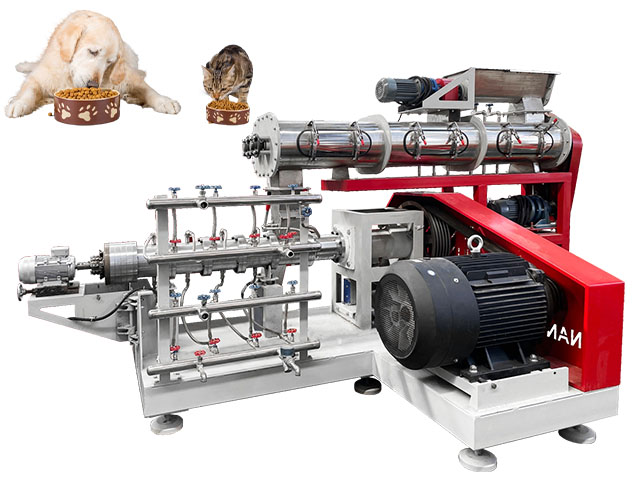
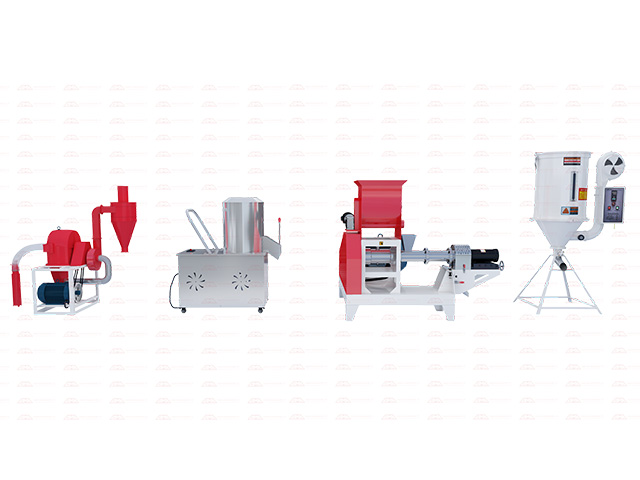
A Comprehensive Practical Guide to Producing Shrimp Feed Pellets
- I. Key Advantages of Shrimp Feed Pellets
- II. Essential Nutritional Knowledge for Shrimp Feed Production
- III. Selection of Core Ingredients for Shrimp Feed Pellets
- IV. Shrimp Feed Formulation Design by Growth Stage
- V. Step-by-Step Production Process for Shrimp Feed Pelletisers
- VI. Quality Control Standards for Shrimp Feed Pellet Production
- VII. Common Production Issues and Solutions
- Conclusion
In the shrimp farming industry, feed quality is a key factor determining survival rates, growth rates and feed conversion ratios. Currently, commercially available shrimp feeds suffer from numerous issues, such as rigid formulations, excessive additives, high costs and poor adaptability, and are unable to precisely meet the nutritional requirements of shrimp across different farming scenarios and growth stages.
By producing shrimp feed pellets in-house using a pelletiser, you can independently adjust formulations, control raw material quality and significantly reduce production costs. Furthermore, the resulting sinking pellets offer excellent water resistance and high digestibility and absorption rates, perfectly suited to the bottom-dwelling, slow-feeding habits of shrimp. Compared to extrusion and puffing equipment, shrimp feed pellets produced by conventional pelletisers have a higher density and better stability in water, effectively reducing pollution from uneaten feed and minimising farming losses.
This article will comprehensively explain the technology for producing shrimp feed pellets according to a standardised process, covering seven key dimensions: the advantages of in-house production, nutritional principles, raw material selection, stage-by-stage formulations, production steps, quality control and troubleshooting. It is suitable for use in small-scale family farms as well as small and medium-sized commercial farms.
I. Key Advantages of Shrimp Feed Pellets
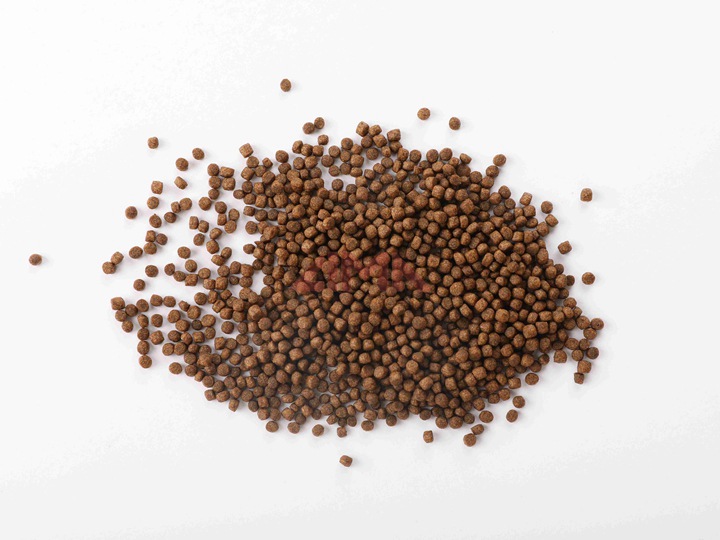
With the scaling up of aquaculture, the cost of purchasing ready-made shrimp feed continues to rise. Furthermore, as industrialised feed is formulated to meet general farming requirements, its formulations are often one-size-fits-all, making it difficult to cater to the specific needs of specialised farming. Producing shrimp feed in-house using a pelletiser has become the mainstream approach to reducing costs, improving efficiency and enhancing farming quality. Its key advantages lie in four areas—cost, quality, adaptability and environmental sustainability—comprehensively optimising farming profitability.
Cost optimisation is the most obvious advantage. High-end commercial shrimp feed is priced at a premium, and long-term bulk procurement can significantly erode farming profits. In contrast, home-made feed utilises locally sourced materials and allows for flexible blending of basic ingredients such as fishmeal, soya meal and cereals, whilst eliminating redundant additives and premium-priced components found in industrial feed. This can reduce overall production costs by 30–50 per cent, with particularly significant cost-saving effects in large-scale farming operations. At the same time, home-made feed can be produced on demand, avoiding the wastage associated with commercial feed becoming damp, spoiling or losing nutritional value during long-term storage.
Quality control is the core value of home-made feed. To extend shelf life and improve visual appeal, industrial feed often contains artificial additives such as preservatives and setting agents, Some substandard feeds contain mouldy raw materials, exceed heavy metal limits or feature mislabelled nutritional claims, which can easily lead to reduced immunity and frequent disease outbreaks in shrimp. Homemade shrimp feed allows for full control over the freshness of raw materials and formulation ratios throughout the process; free from unnecessary artificial additives, it offers higher nutritional activity and greater safety, thereby reducing stress responses and disease incidence in shrimp at source.
Customised formulations are tailored to meet the precise requirements of intensive farming. The nutritional needs of shrimp vary significantly depending on breed, growth stage and farming environment. Commercial off-the-shelf feeds cannot be specifically adapted to these differences, often leading to problems such as nutritional deficiencies in juvenile shrimp, over-nutrition in adult shrimp, and water quality deterioration in high-density farming systems. Homemade feed allows for dynamic adjustment of protein, lipid and mineral ratios based on the growth characteristics of shrimp larvae, juveniles, adults and broodstock, as well as farming scenarios such as ponds, recirculating aquaculture systems and low-salinity environments. This precisely meets the growth requirements of shrimp and effectively reduces the feed conversion ratio.
The environmental and water-saving benefits are significant. Through fine grinding, scientific conditioning and high-pressure pelletisation, home-made shrimp feed produces highly dense, water-resistant pellets that do not disintegrate for 2–4 hours after being placed in the water. This substantially reduces the issues of uneaten feed and water turbidity, lowers the accumulation of ammonia nitrogen and nitrites, improves water quality, reduces the frequency of water changes, and achieves a win-win situation for both ecological and efficient aquaculture. At the same time, it can be formulated with sustainable ingredients such as plant-based and insect-derived proteins, thereby reducing resource consumption within the aquaculture industry.
II. Essential Nutritional Knowledge for Shrimp Feed Production
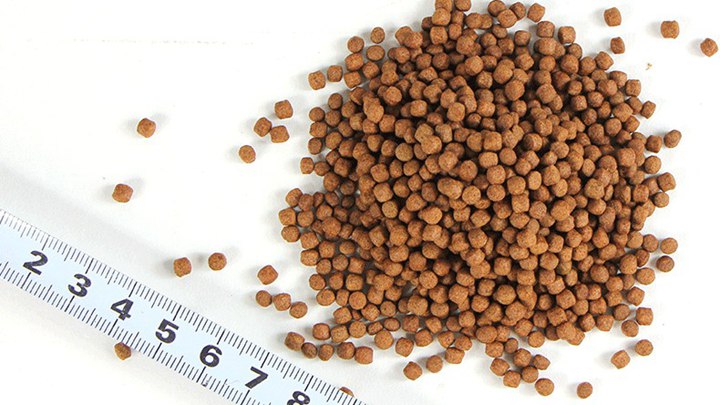
The key to producing high-quality shrimp feed pellets lies in a precise understanding of the physiological and nutritional requirements of shrimp; all formulation design and ingredient combinations must be tailored to the growth characteristics of shrimp. As benthic crustaceans, shrimp lack masticatory organs, have limited digestive capacity and undergo frequent moulting during their growth process, their nutritional requirements differ significantly from those of fish, livestock and poultry. Their efficiency of nutrient absorption depends directly on the balance of the feed’s nutritional composition; a well-designed nutritional programme can promote growth, strengthen immunity, facilitate successful moulting, and reduce feed wastage and environmental pollution. Conversely, an unbalanced diet can lead to stunted growth, moulting disorders and a high incidence of disease.
Protein and Essential Amino Acids
Protein is the most critical nutrient for shrimp growth and accounts for the highest proportion of feed costs. It is primarily used for tissue development, the synthesis of immune enzymes and physiological metabolism, and is the key determinant of growth rate and survival rates. Shrimp cannot synthesise 10 essential amino acids on their own and must obtain them through their feed; among these, methionine, lysine and arginine are limiting amino acids that are scarce in plant-based raw materials, and they directly determine the nutritional value of the feed.
The crude protein requirement of shrimp gradually decreases as they grow: fry and nauplii require an extremely high protein content of 35–50 per cent, with high-density intensive farming requiring the upper limit to be utilised to the full; juvenile shrimp are suited to 34–40 per cent protein; for the grow-out stage of adult shrimp, 30–36 per cent is sufficient to support growth; during the breeding stage of broodstock, the protein content must be increased to 40–45 per cent to ensure reproductive performance. Protein levels must be precisely controlled; if too low, growth will stagnate, whilst if too high, this will not only increase costs but also exacerbate nitrogen pollution in the water. In low-fishmeal formulations, crystalline amino acids must be added to compensate for the nutritional shortcomings of plant-based proteins.
Lipids and Essential Fatty Acids
Lipids provide shrimp with highly efficient energy, aid the absorption of fat-soluble vitamins, and ensure cell membrane synthesis, stress resistance and moulting quality. The standard lipid content in commercial shrimp feed is 5–10 per cent, with a recommended range of 6–12 per cent; the upper limit must be strictly controlled to prevent feed spoilage caused by lipid oxidation and rancidity.
n-3 highly unsaturated fatty acids, such as EPA and DHA, are essential nutrients for shrimp; they cannot be synthesised by the shrimp themselves and are primarily sourced from marine ingredients such as fish oil and squid oil. These directly influence the shrimp’s stress resistance, growth and moulting efficiency. Furthermore, as shrimp have a very limited ability to synthesise cholesterol, 0.1–0.5 per cent cholesterol must be added to the feed; this is particularly crucial for juvenile and broodstock shrimp, as it is key to ensuring a successful moulting rate. Phospholipids, such as lecithin, can optimise lipid absorption whilst simultaneously improving pellet binding strength and water resistance.
Carbohydrates
Carbohydrates are the primary energy source in feed; they can substitute for protein as an energy source, thereby conserving protein and reducing farming costs. Furthermore, through the gelatinisation of starch, they act as a natural binder, significantly improving pellet formation and stability in water. The optimal carbohydrate content in shrimp feed is 15–35 per cent, primarily derived from high-quality ingredients such as wheat flour, cassava starch and rice.
Prawns have a moderate capacity to digest carbohydrates; therefore, crude fibre content must be strictly controlled, as excessive fibre will
compromise the dense structure of the pellets, leading to disintegration upon contact with water and reduced digestibility. Due to its high gluten content and excellent gelatinisation properties, wheat flour is the optimal source of carbohydrates and a binding agent in prawn feed, effectively enhancing pellet durability.
Vitamins and Minerals
Vitamins play a role in the metabolism, immune regulation and antioxidant defence of shrimp. Heat-sensitive vitamins are prone to degradation during the high-temperature pelletisation process; therefore, stable vitamin sources must be selected or appropriate excess supplementation provided. Essential core vitamins include vitamin C, vitamin E and B-complex vitamins; deficiencies can lead to abnormal moulting, reduced immunity and stunted growth.
Minerals are essential for shrimp carapace formation, osmotic pressure regulation and the activation of enzyme activity. The macrominerals calcium and phosphorus must be maintained in a balanced ratio of 1:1 to 2:1 to prevent moulting disorders; trace elements such as zinc, copper and selenium ensure proper blood circulation and immune function. In low-salinity, high-density farming environments, shrimp are unable to obtain sufficient minerals from the water and must rely on precise supplementation via the feed.
Key Points on Functional Nutrition and Environmental Adaptation
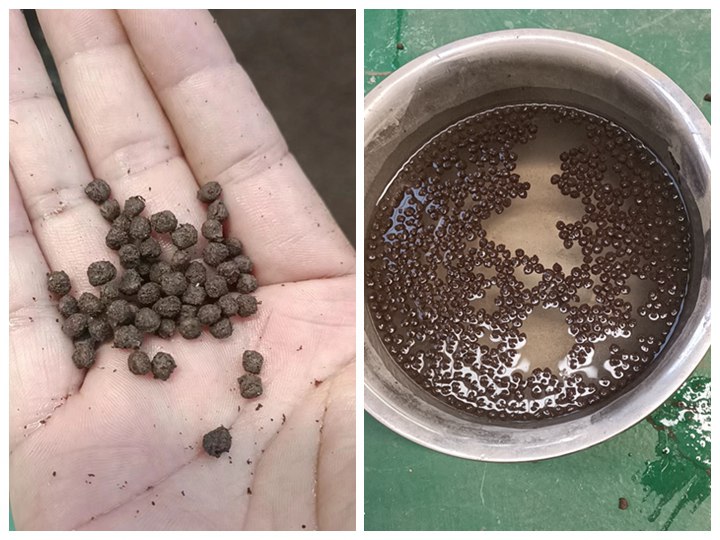
The digestible energy content of shrimp feed should be controlled at 3,000–4,000 kcal/kg, whilst maintaining a balanced protein-to-energy ratio to prevent nutritional imbalances. Additionally, appetite-stimulating ingredients such as squid meal and amino acids should be added to enhance palatability; antioxidants and immune enhancers should also be incorporated to help shrimp cope with stressful conditions such as water quality fluctuations, high temperatures and high stocking densities. Formulations require fine-tuning for different farming environments: in clear-water intensive farming, nutritional density must be increased; in low-salinity farming, additional minerals are required; and during periods of high disease incidence, vitamins and immune-boosting additives should be fortified.
III. Selection of Core Ingredients for Shrimp Feed Pellets
The quality of raw materials directly determines the nutritional level, physical properties and farming outcomes of shrimp feed. High-quality raw materials must simultaneously meet five key criteria: nutritional suitability, high digestibility, good processability, cost-effectiveness, and safety with no residues. Homemade shrimp feed requires no complex additives; by scientifically blending carefully selected core ingredients, one can produce pellets comparable to high-end commercial feeds, whilst avoiding the farming risks associated with substandard ingredients.
Core Protein Ingredients
Protein ingredients determine the core nutritional value of the feed. A blended formula of ‘marine animal protein + plant protein’ is adopted to balance nutritional requirements with cost control. Fish meal is a high-quality animal protein source, containing 60–70 per cent protein. It offers a balanced amino acid profile, high digestibility and natural palatability; typically added at 5–20 per cent, it is a core ingredient in shrimp fry feed. Squid meal and shrimp shell meal are rich in cholesterol, phospholipids and natural palatability enhancers; when added at 5–15 per cent, they significantly improve feed palatability. Krill meal is rich in astaxanthin, which optimises the colour and immunity of shrimp.
Plant-based proteins offer excellent value for money and a stable supply, making them the optimal alternative to fish meal. Defatted soya bean meal, with a protein content of 44–48 per cent, is the most widely used basic plant-based protein, suitable for shrimp at all growth stages; nutritional deficiencies can be addressed simply by supplementing with methionine and lysine. Maize protein meal, wheat gluten and pea protein can enrich the protein profile whilst also acting as binding agents. In large-scale aquaculture, these can be combined with novel protein sources such as black soldier fly larvae meal, which are environmentally friendly and help reduce costs whilst improving efficiency.
Lipid Energy Ingredients
Lipid ingredients are divided into animal and vegetable fats; their combined use helps balance nutritional requirements and costs. Fish oil and squid oil are key sources of EPA and DHA, serving as indispensable functional ingredients in shrimp feed; their inclusion at 1–5 per cent directly determines the shrimp’s stress resistance. Vegetable oils such as soyabean oil and rapeseed oil provide basic energy whilst reducing the cost of oil ingredients. Lecithin promotes lipid digestion and optimises pellet structure; during production, it is recommended to spray a portion of the oil onto the pellets after extrusion to prevent nutrient loss due to high-temperature oxidation.
Carbohydrate Binding Ingredients
Wheat flour is the preferred binding ingredient for shrimp feed; rich in starch and gluten proteins, it undergoes thorough starch gelatinisation following high-temperature conditioning, forming a dense and robust pellet structure that significantly enhances stability and durability in water. Cassava starch and maize flour serve as supplementary energy sources, helping to reduce production costs. The crude fibre content of all carbohydrate ingredients must be strictly controlled to prevent damage to the pellet structure; the overall proportion should be maintained between 15% and 35% to balance energy supply and processing performance.
Functional Additives
Additives are used to enhance nutrition, optimise quality and prevent and control diseases; they are used in small quantities but have a significant effect. Specialised compound premixes for shrimp contain stabilised vitamins and trace elements to compensate for nutritional losses during processing; cholesterol additives ensure physiological requirements for moulting are met; squid liver powder and betaine enhance palatability; natural gluten and sodium alginate act as binders, minimising the need for excessive artificial binders. Additionally, antioxidants, probiotics and astaxanthin may be added as required to prevent oxidation, regulate gut health and enhance body colour, respectively.
Core Principles for Raw Material Selection
All raw materials must be fresh, free from mould, caking or unpleasant odours, with strict control over moisture content, ash content, heavy metals and mycotoxin levels. Avoid relying on a single raw material; instead, achieve nutritional complementarity through the blending of multiple ingredients. Adjust flexibly according to farm scale: small-scale farms should prioritise convenient, high-quality raw materials, whilst large-scale operations should prioritise low-cost, sustainable raw materials. Ensure proper storage of raw materials, keeping them dry and well-ventilated to prevent moisture absorption and spoilage.
IV. Shrimp Feed Formulation Design by Growth Stage
There are significant differences in body size, metabolic capacity and feeding habits across the various growth stages of shrimp; generic formulations may result in wasted nutrients or stunted growth. In line with mainstream farming standards for Litopenaeus vannamei, formulations are designed in stages according to the growth cycle to precisely match nutritional requirements, balancing growth efficiency with economic viability. All formulations are directly suitable for processing in pellet mills.
Formulation for the Larval and Juvenile Stages
At this stage, shrimp weigh between 0.001 and 0.1 g. They grow rapidly but have poor digestive capacity and require extremely high nutrient density. They need feed with ultra-high protein content, high levels of unsaturated fatty acids and ultra-fine pellets; in the early stages, a small amount of live feed may be supplemented. Key nutritional indicators: crude protein 40%–50%, lipids 8%–12%.
Reference formulation: fish meal/krill meal 30 per cent, soya protein concentrate 20 per cent, squid meal 12 per cent, wheat flour 15 per cent, fish oil + lecithin 10 per cent, compound premix 3 per cent. The finished product must be processed into micro-pellets of 100–500 μm in size, which are easily digestible and highly palatable, effectively improving larval survival rates.
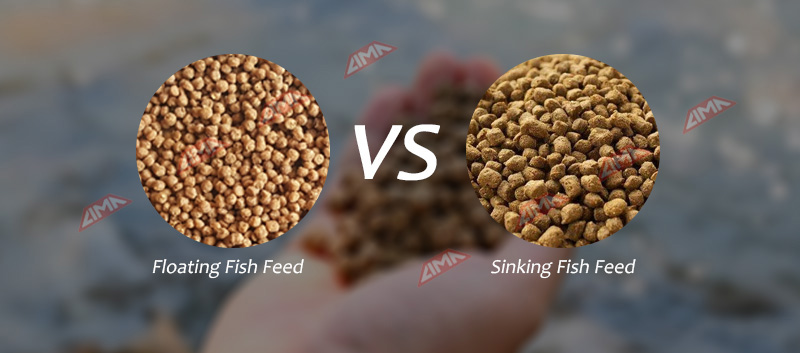
Formulation for the Juvenile Shrimp Rearing Stage
For shrimp weighing 0.1–5 g, having fully transitioned to artificial feed, the key requirements are rapid growth, strengthening immunity and reducing disease incidence. Key nutritional parameters: crude protein 38%–42%, lipids 7%–10%.
Reference formulation: fish meal 20 per cent, soya bean meal 30 per cent, wheat flour 20 per cent, shrimp head meal 8 per cent, mixed oils and fats 6 per cent, premix + functional additives 4 per cent. The finished pellets should have a particle size of 1.0–1.5 mm, be highly water-stable, and suit the juvenile shrimp’s high-frequency feeding habits.
Formulation for the growing stage of medium-sized shrimp
For prawns weighing 5–15 g, which are entering a rapid growth phase, natural feed in the pond can supplement some of their nutritional requirements; the formulation focuses on balancing growth and cost. Key nutritional indicators: crude protein 34%–38%, lipids 6%–9%.
Reference formulation: fish meal 12%, soya bean meal 35%, wheat flour 25%, maize protein meal 8%, mixed oils and fats 5%, premix 3%. The finished pellets should have a particle size of 1.5–2.5 mm; the use of carbohydrates helps to conserve protein, thereby reducing farming costs and water pollution.
Feed formulation for the fattening and harvest stage of adult shrimp
For shrimp weighing 15 g or more, the core objectives are to optimise the feed conversion ratio, improve shrimp meat quality and shorten the farming cycle. Key nutritional indicators: crude protein 32%–36%, lipids 6%–8%.
Reference formulation: fish meal 8%, soya bean meal 40%, wheat flour 28%, vegetable oil 5%, premix 2%. The finished pellets have a particle size of 2.5–3.5 mm; this formulation is highly efficient with low feed conversion, ensuring robust shrimp condition and firm flesh prior to harvest.
Key Points for Customised Adjustments
Intensive clear-water farming requires increased nutrient density; for low-salinity farming, additional potassium and magnesium minerals should be added; and during periods of high disease incidence, vitamin C, E and immune-boosting additives should be reinforced. Specialised formulations for broodstock require an increase in fat content to 8%–12% and protein to over 40% to ensure breeding performance. All formulations can be flexibly adjusted according to local raw material availability, water temperature and stocking density, and optimised through field trials.
V. Step-by-Step Production Process for Shrimp Feed Pelletisers
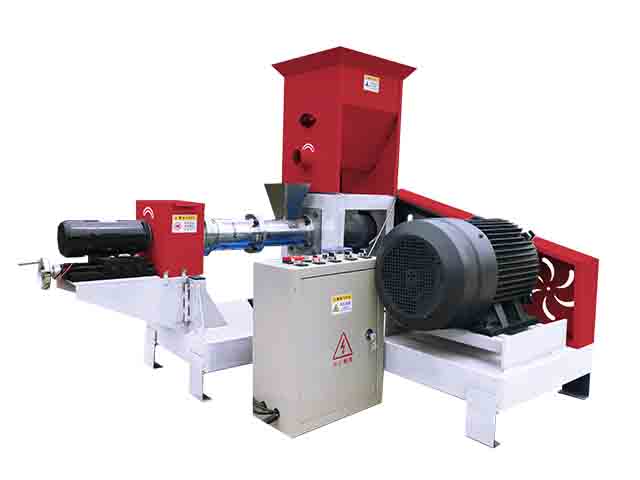
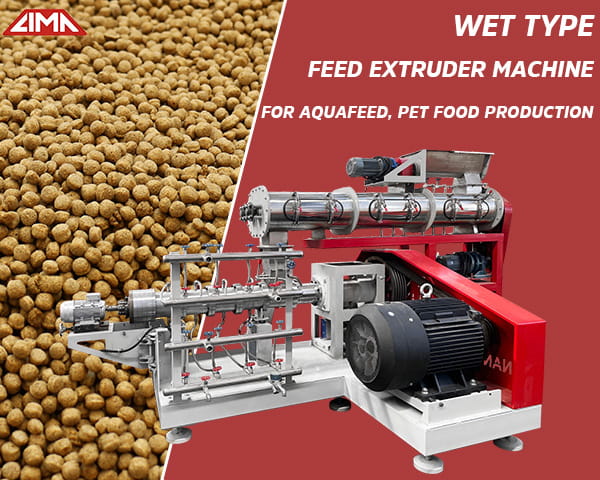
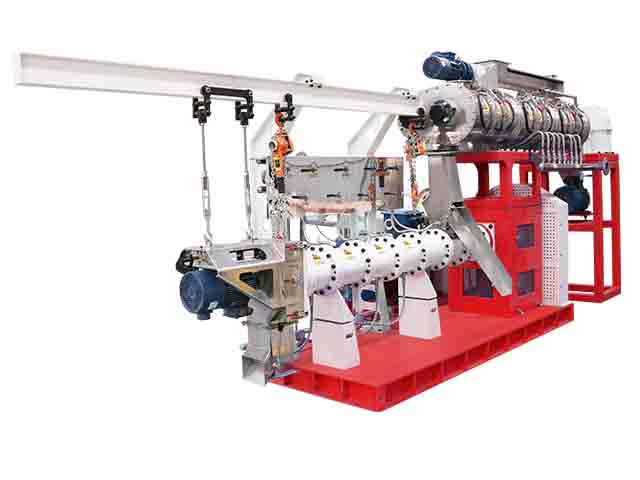
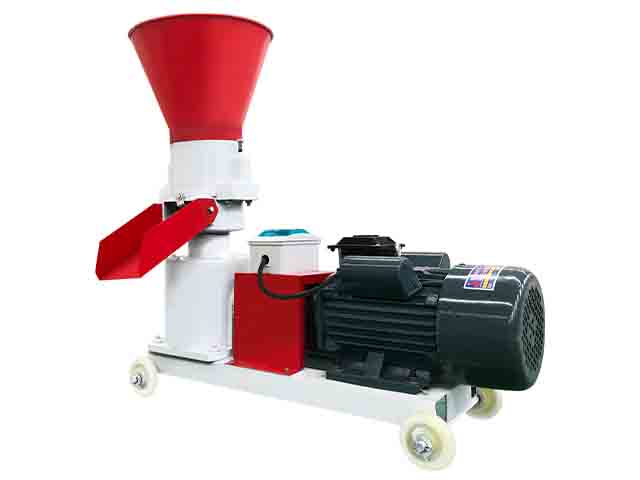
The production of shrimp feed pellets using a pelletiser involves six core processes: raw material grinding, ingredient mixing, steam conditioning, high-pressure pelletisation, drying and cooling, and screening and packaging. The entire process is standardised and easy to operate; small flat-die pelletisers are suitable for small-scale farmers, whilst large ring-die production lines are suited to large-scale mass production. Strict control of process parameters ensures the production of high-quality shrimp feed.
Raw Material Grinding and Particle Size Control
Grinding is the preliminary core process that determines feed quality. Shrimp feed requires a much finer grind than ordinary aquaculture feed; finely and uniformly ground raw materials form the basis for pellets that are water-resistant, easily digestible and free of impurities. Conventional shrimp feed requires grinding to 60–80 mesh, whilst micro-pellet feed for juvenile shrimp must reach 80–100 mesh, with uniform particle size and no coarse particles remaining.
A graded grinding process is employed: first, a standard hammer mill is used for coarse grinding to break large chunks of raw material into small particles; this is followed by fine grinding using an ultra-fine grinder. Once the required standard is met, the material is sieved to remove impurities, whilst oversized particles are recovered for re-grinding. During the grinding process, the moisture content of the raw materials is maintained at 12–14 per cent to prevent clumping and equipment blockages; at the same time, low-temperature processing preserves nutritional activity. The finely ground raw materials significantly improve mixing uniformity and starch gelatinisation, laying the foundation for pellet formation.
Precise Batching and Uniform Mixing
Various raw materials are precisely weighed according to customised formulations, adhering to the mixing principle of ‘dry before wet, heavy before light’. Dry powder ingredients such as protein, carbohydrates and premixes are first added to a horizontal mixer; once thoroughly blended, liquid additives such as oils and water are added in batches. Sufficient mixing time ensures there is no stratification or caking, with the coefficient of variation for mixing uniformity controlled within 10 per cent. Once mixing is complete, the overall moisture content of the material is adjusted to 12–18 per cent to meet the requirements for pellet formation.
Steam conditioning pre-treatment
Steam conditioning is the key to ensuring that shrimp feed meets water resistance standards. Unlike the short-term conditioning used for ordinary feed, shrimp feed requires prolonged high-temperature conditioning. The mixed material is fed into the conditioning equipment, where steam is introduced to raise the temperature to 80–95°C. The conditioning residence time is 2–3 minutes, allowing the starch in the raw materials to gelatinise fully and the proteins to soften, thereby activating natural binding components. This significantly enhances pellet density and stability in water, preventing pellets from disintegrating upon contact with water at source.
High-Pressure Pelletising in the Pelletiser
Dies with appropriate pore sizes are selected according to the growth stage of the shrimp, combined with a high compression ratio of 18:1 to 24:1, to ensure high-density pellets with strong sinking properties. The gap between the press rollers is precisely adjusted; after the equipment has been preheated at low speed, the conditioned material is fed in at a constant rate and formed through high-pressure extrusion. Pellet condition is monitored in real time during production; qualified finished products have a smooth surface, compact texture and uniform colour. Fine-tune the steam volume, feed rate and roller pressure according to the moisture content of the material to prevent issues such as loose pellets, slippage and dust formation. The pelletisation rate for shrimp feed must be steady and uniform to ensure formation quality and avoid pellet defects caused by high-speed operation.
Drying, Cooling and Moisture Stabilisation
Freshly formed pellets are hot and have a high moisture content (18%–25%); they are soft in texture and prone to mould and breakage, so they must be dried and cooled promptly. A gradient drying process is employed, with a gradual temperature increase from 40–70°C, to prevent the formation of a hard outer shell whilst the interior remains damp. The final moisture content of the pellets is controlled at 8–12 per cent to ensure suitability for long-term storage. Following drying, the pellets are rapidly cooled to room temperature using a counter-current cooler to stabilise their structure and prevent condensation, moisture absorption, caking and mould growth during storage.
Screening, Grading and Sealed Packaging
The cooled pellets are graded using multi-layer vibrating screens to remove powder,碎料 and non-compliant oversized pellets; the powder can be recovered and re-pelletised to improve raw material utilisation. Pellets of the appropriate particle size are screened as required to suit feeding at different growth stages of the shrimp. Finally, the compliant finished product is packed into moisture-proof, sealed bags, labelled with the batch number, formulation and production date, and stored in a cool, dry and well-ventilated environment to prevent moisture absorption, oxidation and contamination.
VI. Quality Control Standards for Shrimp Feed Pellet Production
A comprehensive quality control system is key to ensuring consistent feed quality and achieving target aquaculture outcomes. Quality control must encompass the entire process, from raw material intake and production through to finished product dispatch. Through the management of standardised parameters, we ensure the feed is nutritionally balanced, meets physical performance standards and is safe and free from hazards, thereby effectively reducing the feed conversion ratio and improving survival rates in aquaculture.
Quality Control for Raw Material Receipt
All raw materials must undergo dual testing prior to storage: sensory screening for colour, odour and condition to eliminate mouldy, caked or malodorous materials; and sampling for laboratory analysis of basic indicators such as moisture content, crude protein, lipids and ash, whilst screening for harmful contaminants including heavy metals, mycotoxins and pathogenic bacteria. Key nutritional indicators—such as amino acids in fish meal, unsaturated fatty acids in fish oil and cholesterol—are prioritised to ensure raw material quality meets standards, with quality inspection records retained to enable traceability management.
Production Process Quality Control
The grinding process involves real-time monitoring of particle size, fineness and uniformity to prevent the presence of coarse particles; the mixing process ensures uniformity of the material without stratification; temperature, moisture and pressure parameters are strictly controlled throughout the conditioning and pelletising process to ensure stable pellet formation; drying and cooling are strictly regulated to maintain moisture content within the standard range of 8%–12%; the screening process strictly controls the proportion of powder, with the finished product’s powder content kept below 10%. Process parameters are recorded for every production batch, with deviations promptly fine-tuned to prevent batch-wide quality issues.
Physical Quality Standards for the Finished Product
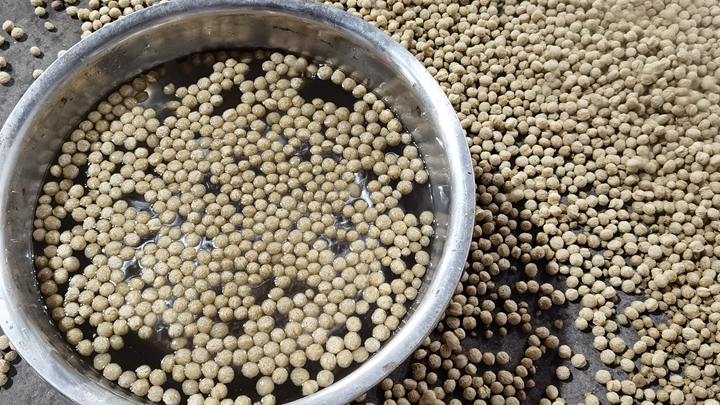
Moisture content of 8%–12%, not exceeding 13%, suitable for standard storage of 3–6 months; Pellet Durability Index (PDI) >95%, ensuring wear resistance and minimal breakage during transport; Excellent stability in water, with dry matter retention of 80%–90% or higher after 2–4 hours of soaking, without disintegration or clouding of the water; Bulk density of 550–650 g/L, meeting sinking performance standards; Particle size is uniform and consistent, precisely matching the feeding requirements of shrimp at corresponding growth stages.
Nutritional and Safety Standards for the Finished Product
The crude protein, crude fat and carbohydrate content of the finished product conform to the formulation design values, with deviations controlled within ±10 per cent; the content of essential amino acids, unsaturated fatty acids, vitamins and minerals is balanced and meets standards; digestible energy is stable at 3,000–4,000 kcal/kg. In terms of safety, the product is free from pathogenic bacteria such as Salmonella and E. coli; levels of mycotoxins and heavy metal residues comply with aquatic feed safety standards; and the product is free from spoilage, off-odours and harmful additives. Field trials in aquaculture show that the feed conversion ratio is stable at 1.2–1.8, with shrimp exhibiting normal feeding behaviour, uniform growth and high survival rates.
Batch Traceability and Continuous Optimisation
A comprehensive batch ledger is maintained, recording raw material batches, production parameters, test data and dispatch information to ensure full traceability throughout the process. A routine sampling and testing mechanism is implemented, with regular nutritional analysis and safety screening. Formulations and production processes are continuously optimised based on feedback from aquaculture operations, fluctuations in raw material prices and advancements in aquaculture technology, thereby balancing quality and cost.
VII. Common Production Issues and Solutions
The production process for shrimp feed pellets is intricate and subject to stringent parameters; common issues such as poor water resistance, brittle pellets, die blockages and nutritional loss frequently arise during production. These are mostly caused by deviations in process parameters, substandard raw materials or inadequate equipment maintenance. By identifying the root causes and implementing targeted corrective measures, the yield of compliant finished products can be rapidly improved, whilst stabilising production efficiency and product quality.
Poor pellet water resistance and rapid disintegration upon contact with water
The key causes are excessively coarse raw material grinding, insufficient starch gelatinisation, inadequate conditioning time, low pellet compression ratio, and a lack of binding agents. Solutions: Increase the fineness of grinding to strictly meet the 60–80 mesh standard; extend the steam conditioning duration and raise the conditioning temperature to ensure complete starch gelatinisation; replace dies with a higher compression ratio to enhance pellet density; appropriately increase the proportion of binding ingredients such as wheat flour and gluten in the formulation; optimise the drying process to prevent the pellets from being dry on the outside but damp on the inside; and allow the pellets to rest for a suitable period after forming to consolidate their structure, thereby significantly improving their stability in water.
Pellets are brittle and produce excessive powder
This is primarily caused by insufficient conditioning, imbalanced moisture content in the raw materials, insufficient binding components, wear and tear on the die and rollers, and rough handling during material transfer. Solutions: Optimise conditioning parameters to ensure the material’s temperature and moisture content meet specifications; precisely control the material’s moisture content to the optimal range of 12%–18%; increase the proportion of natural binding agents such as gluten and starch; regularly replace worn dies and press rollers, and fine-tune the press roller clearance; optimise conveying equipment to minimise pellet breakage caused by impact, and recover powder via screening for re-pelletisation to reduce wastage.
Die blockages and press roller slippage
are often caused by excessively high material moisture content, excessive fat addition, inconsistent raw material particle size, or blockages in die holes due to material build-up. Solutions: Precisely control material moisture content to prevent slippage caused by excessive wetness; switch part of the fat addition to post-spraying to reduce the oil content of the material prior to pelletisation; strictly control particle size during grinding to prevent coarse particles from blocking die holes; regularly clear accumulated material and clumps from die channels; maintain a constant feed rate to match the equipment’s operational load, ensuring smooth extrusion moulding.
Inconsistent pellet size and unstable moulding
Causes include wear on the crusher screens and hammer blades, significant fluctuations in feed rate, and marked differences in raw material texture. Solutions: Carry out regular maintenance and replace crusher components to stabilise the fineness of grinding; control the feed rate at a constant level to avoid fluctuations in equipment load; pre-mix raw materials with different characteristics uniformly before grinding to minimise material variations; increase the frequency of sieving to calibrate particle size standards in real time, ensuring uniformity of the finished granules.
Nutrient loss and deterioration in feed quality
High-temperature conditioning, drying operations and long-term storage can easily lead to the oxidation and loss of heat-sensitive vitamins and unsaturated fatty acids. Solutions: Use stable vitamin premixes; strictly control processing temperatures to avoid prolonged exposure to excessively high temperatures; employ a post-coating process for fats and functional additives to prevent loss due to high temperatures; rapidly cool the finished product and store it in airtight, moisture-proof packaging, adhering to the first-in, first-out principle to prevent spoilage during long-term storage.
Moisture absorption and mould growth in finished products, short shelf life
Caused by incomplete drying, inadequate cooling, poor packaging seals and a damp storage environment. Solutions: Strictly control drying parameters to ensure the finished product’s moisture content meets standards; seal and package the pellets only after they have cooled completely and set; use high-barrier, moisture-proof packaging bags, adding desiccants in humid environments; optimise storage conditions to maintain a cool, dry, well-ventilated and dehumidified environment; and conduct regular spot checks on the finished product’s moisture content and mould indicators.
Poor palatability and low feed intake
The core causes are poor-quality raw materials, the destruction of natural palatability-enhancing components by high temperatures, and nutritional imbalances in the formulation. Solutions: Select fresh, high-quality marine raw materials to retain natural palatability; strictly control processing temperatures to minimise the loss of flavour compounds; appropriately combine palatability-enhancing additives such as squid meal, betaine and composite amino acids; and dynamically fine-tune the formulation through feeding trials to improve palatability.
Conclusion
The core principle of producing in-house shrimp feed pellets is to base the formulation on the nutritional requirements of shrimp, utilising scientific ingredient ratios, standardised mechanical processing and end-to-end quality control to produce low-cost, highly tailored, high-quality aquaculture feed. Compared to commercially available ready-made feed, in-house feed can be precisely tailored to specific farming conditions, effectively reducing the feed conversion ratio, improving shrimp survival rates, minimising water pollution and comprehensively enhancing the economic returns of aquaculture. From raw material selection and stage-specific formulation to mechanical pelletisation, quality control and troubleshooting, meticulous management at every stage is key to producing high-quality shrimp feed. Mastering this comprehensive production process—whether for small-scale, precision farming by individual farmers or large-scale production at small and medium-sized farms—enables autonomy and control over feed production, reduces farming costs and increases efficiency, thereby promoting the high-quality and sustainable development of the shrimp farming industry.