How to Reduce Feeding Costs in Poultry Production
Feed cost is the core factor that affects the benefit of poultry breeding, accounting for 60%~ 70% of the total cost of poultry breeding.In the face of raw materials, energy price fluctuation pressure, the extensive cost reduction is easy to cause the decline of production performance.This paper systematically combs the scientific feed cost reduction scheme in multiple dimensions to provide practical reference for poultry breeding to improve quality and increase efficiency.
1.Understand the Key Factors Affecting Poultry Feed Costs
fluctuations in raw material prices
Corn is the main energy source of poultry feed, accounting for 50%~ 65% of the diet; soybean meal is the core protein raw material, accounting for about 20%~ 30%.The rest of the ingredients include processing by-products such as wheat, sorghum, barley, oilseed meal, oil, fish meal, and distiller’s grains (DDGS).The prices of these commodities are highly volatile and are dominated by global supply and demand patterns.The United States, Brazil, Argentina, India and other major producing areas of drought, floods, monsoon anomalies and other disasters will directly lead to grain production, pushing up raw material prices.At the same time, the human consumption of grain, the production demand of biofuel (corn ethanol), the competition of raw materials for other livestock and poultry breeding, the fluctuation of exchange rate of various countries and the high dependence on raw material import will further raise the cost of feed raw materials.Even a small price increase in corn and soybean meal will significantly increase the cost of feed per unit of poultry output.
Climate and Grain Yield Impact
Poultry feed with grain and oil crops as the core raw materials, the main production areas of extreme weather (drought, rainstorm, flood, high temperature heat wave) will cause corn, soybean production fluctuations.In recent years, climate variability has intensified, and the stability of annual output of agricultural products has declined, which directly magnifies the annual price fluctuation of feed raw materials and brings continuous cost uncertainty to the breeding end.
Energy, transportation and processing costs
Fuel and electricity prices not only affect the cost of grain planting and harvesting, but also directly determine the expenses of feed crushing, granulation, drying, transportation and other processing links.Energy price increases will comprehensively raise the comprehensive cost of feed production and logistics.At the same time, the remote breeding site and imperfect infrastructure will further increase transportation loss and logistics expenses, and aggravate the pressure of feed cost.
2. Improve Feed Conversion Ratio (FCR) to Reduce Poultry Production Costs
Precise Nutrition and Feed Formula Regulation
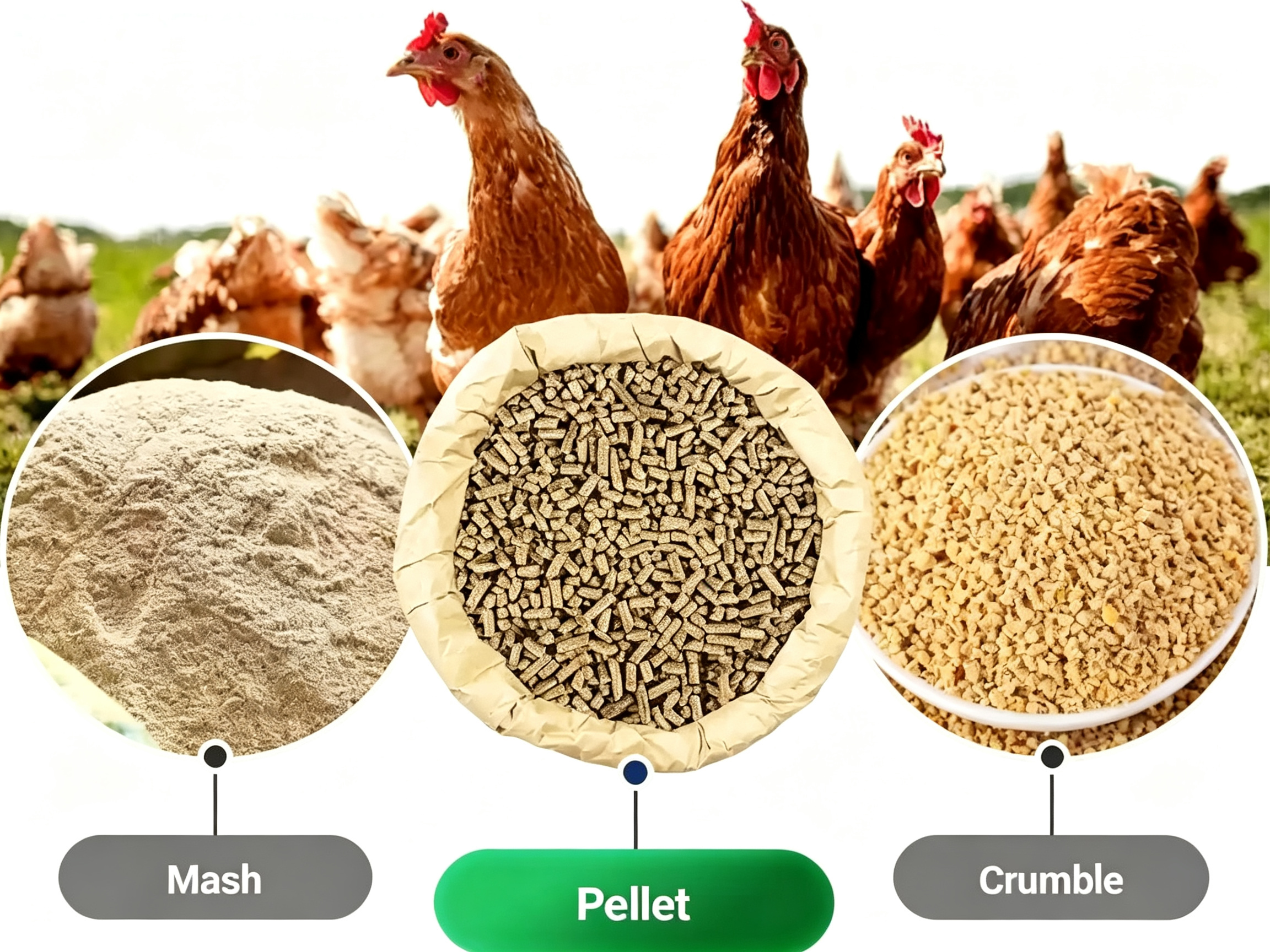
Carry out phased accurate feeding, match corresponding nutrient concentration according to the physiological characteristics of broiler chicken in broiler period, breeding period and fattening period, as well as layer chicken brooding period and laying period, so as to avoid waste caused by overnutrition and limit production performance due to insufficient nutrition.Based on the standard ileal digestible amino acids as the core, the ratio of lysine, cystine, threonine and valine was optimized instead of simply controlling the crude protein content, which could reduce nitrogen excretion and improve nutrient utilization rate.Under the same formula, the FCR of the granular feed and the crushed material is improved by 3%-5% compared with that of the powder feed, and the feeding waste and the feeding energy consumption of the poultry can be effectively reduced.At the same time, the reasonable addition of phytase, xylanase, protease and other complex enzyme preparations, together with probiotics, organic acids, plant extracts and other additives, improve intestinal absorption capacity, can achieve 1%~ 5% FCR increase.
Intestinal health and disease prevention and control
A healthy gut is the basis for efficient absorption of nutrients.Subclinical conditions such as coccidiosis, necrotizing enteritis, and intestinal flora imbalance can significantly increase FCR even if there are no obvious symptoms.Strict biosafety system and immunization procedure shall be established in breeding, the bedding shall be kept dry and clean, the intestinal flora shall be maintained in steady state through intestinal health feed additives, and the abuse of antibiotics shall be avoided.The intestinal development quality of poultry in the first 7 to 10 days directly determines the feed conversion efficiency in the whole process, which is the key node of fine management.
Culture environment and house management
the environment in that house is control within the thermal comfort zone of the poultry, the energy consumption of the poultry for body temperature regulation is reduced, and more nutrition is use for growth and egg laying.Accurately control the temperature, humidity and air quality in the house to reduce the concentration of ammonia, carbon dioxide and dust.Reasonable allocation of trough, water tank, with poultry age adjustment height, trough filling capacity does not exceed 1/3, reduce the waste of throwing.A scientific light program, with appropriate dark rest periods, optimizes FCR without compromising body weight.At the same time, clean water quality and sufficient water supply shall be ensured. Under normal breeding conditions, 1.8L drinking water shall be provided for every 1kg feed intake of poultry. Water shortage and poor water quality will directly reduce feed intake and feed utilization rate.Good bedding management can reduce foot injury and respiratory tract stress, and reduce body energy loss.
3. Select Cost-Effective Feed Ingredients Without Compromising Quality
energy raw material replacing corn scheme
Corn accounts for the highest proportion of feed formula, which can be replaced appropriately according to local price advantage.The feeding value of sorghum can reach 90%~ 95% of that of corn. Low tannin white sorghum can replace corn greatly, and high tannin sorghum needs to be processed with enzyme preparation.Millet raw materials such as pearl millet can replace 30%~ 50% corn, with similar energy and higher protein content.Wheat, broken rice, rice bran and other grain and oil by-products can replace corn when the cost performance is outstanding, and wheat diet needs to be added with non-starch polysaccharide enzyme to reduce intestinal viscosity.Cassava and processing by-products are low-cost energy raw materials after decyanation treatment, and the adding proportion needs to be controlled to avoid the problem of overhigh fiber.Food by-products such as bread crumbs and pasta processing residues can replace corn in large quantities when clean and stable, and can also improve the palatability of feed.
protein material replace soybean meal scheme
Soybean meal as the main high protein raw material, can be replaced by a variety of by-product raw materials.the cost of sunflower meal, rapeseed meal, peanut meal and cottonseed meal is low, but that problems of lack of lysine, high fib content, anti-nutritional factors and the like exist, and the addition proportion of 5%-15% should be controlled and amino acids should be balan.Palm kernel meal is high in fiber content and can be added with 10%~ 15% cellulolytic enzyme.DDGS is rich in protein and energy, and the proportion of high quality products can be controlled between 10% and 15%.In compliance areas, a small amount of animal protein such as fish meal, meat and bone meal, blood meal, etc. can be added, and the addition amount of 2%~ 5% can effectively supplement digestible amino acids.The insect protein such as black soldier fly has excellent quality, and the cost performance continues to improve after large-scale production, which meets the needs of ecological breeding.Moringa leaf, pea and other plant raw materials can also partially replace soybean meal after anti-nutritional treatment.
Comparison of parameters of common low-cost alternative raw materials
The following table summarizes the adaptation proportion, advantages and precautions for use of mainstream alternative raw materials in poultry feed, so as to facilitate and quickly select the proportion and give consideration to cost reduction and breeding performance:
feedstock type maximum addition ratio core advantages precautions for use
low-tannin sorghum 100% replacement for corn the feed value is close to that of corn, that cost is low, and the palatability is good High tannin varieties should be matched with enzyme preparation to avoid indigestion
pearl millet 30%~ 50% Replacement Corn Sufficient energy, higher crude protein than corn, high cost performance No complex machining, gradual replacement
rapeseed/sunflower meal 5%~ 15% soybean meal replacement the source of that plant protein is wide, and the price is stable and low Supplementing lysine, controlling the addition amount to avoid excessive fiber
DDGS 10%–15% high protein and energy, and high utilization rate of by-product Strictly control the quality of raw materials to avoid exceeding the standard of mycotoxin
palm kernel meal 10%–15% Extremely low cost, suitable for large-scale cost reduction Combined with cellulolytic enzymes to reduce intestinal burden
Animal-derived protein (fish meal/meat and bone meal) 2%–5% Rich in digestible amino acids to enhance growth performance Compliant use, strict control of hygiene and freshness
4. Optimize Poultry Feed Formulation to Maximize Nutrient Utilization
precise formulation base on digestible nutrients
The formula is designed by adopting standard ileal digestible amino acid index in the whole process, replacing the traditional accounting method of total amino acid and crude protein, accurately matching the actual absorbed nutrition of poultry and reducing nitrogen waste and excretion.the digestible lysine is taken as a core standard, that proportion of essential amino acid such as cystine, threonine, valine, isoleucine and the like in the protein is optimized, and an ideal protein model is follow.the available phosphorus is calculate by combining phytase parameter, and that energy value of raw materials is evaluated by adopting the standard of available metabolizable energy.Through near-infrared spectrum detection and laboratory routine detection, the nutrition parameters of raw materials are updated in real time, and formula errors caused by batch differences are eliminated.
Staged Precision Feeding Design
refine a breeding and feeding stage, divide that broiler chicken breeding into a pre-chick stage, a chick stage, a breeding stage, a first fattening stage and a second fattening stage, further subdivide a hen brooding stage and an egg laying stage, and adapting to a breeding mode with a super-long egg laying period.gradually reduce that nutrient concentration of the daily ration along with the growth of the age of the poultry to match the gradually reduced nutrient requirement of the organism and avoid the excessive addition of high-price nutrients.The dynamic and precise feeding mode can allocate the ration with high and low nutrient concentration in real time according to the real-time feed intake, growth rate and environmental data of poultry, further improve the nutrition utilization rate and reduce the breeding cost.
Relying on enzyme preparation and additives to improve digestibility
the excessive addition of phytase releases phosphorus, calcium, amino acid and energy combined in phytic acid and reduces the addition of mineral raw materials.Carbohydrate enzymes such as xylanase, dextranase and amylase can decompose non-starch polysaccharides in wheat and high-fiber raw materials, reduce chyme viscosity and release encapsulated nutrients.Proteases can improve protein and amino acid digestibility and support low crude protein diets.Compound enzyme preparation can produce additive synergistic effect, and the nutrient equivalent value of enzyme preparation should be reasonably input in the formula design.At the same time, it is matched with intestinal health care products such as probiotics, organic acids, emulsifiers, etc. to reduce sub-clinical loss and comprehensively improve nutrition absorption efficiency.
Raw material screening and processing technology optimization
raw material with low anti-nutritional factors and high digestibility are preferentially selecte, and that raw materials with low quality are subjected to heat treatment, fermentation, extrusion and other processes to optimize the nutrient utilization rate.the grin granularity of that raw materials can be accurately control, and the moderate coarse grinding can promote the development of the muscle stomach and improve the overall digestibility; and the granulation and the broken granule processing can unify the feeding uniformity and reduce the selective feed waste.Crystal amino acid is added to fine-tune the nutrition ratio, realize the formula effect of low crude protein and high digestible nutrition, and strictly control the upper limit and safety standard of local alternative raw materials.
5. Use Efficient Poultry Feed Production Equipment to Reduce Feed Waste
optimization of fee processing plant equipment
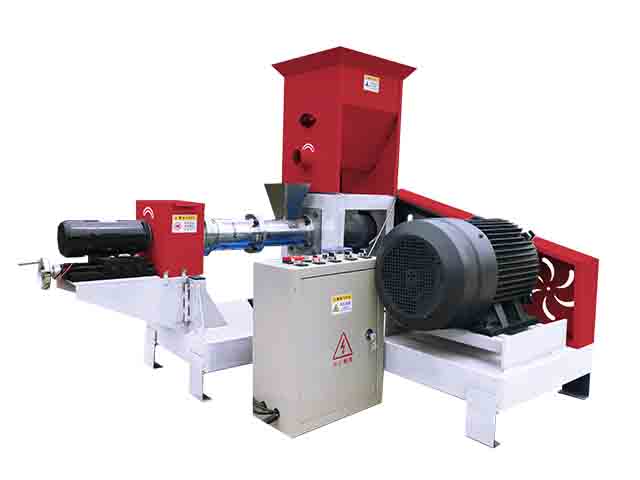
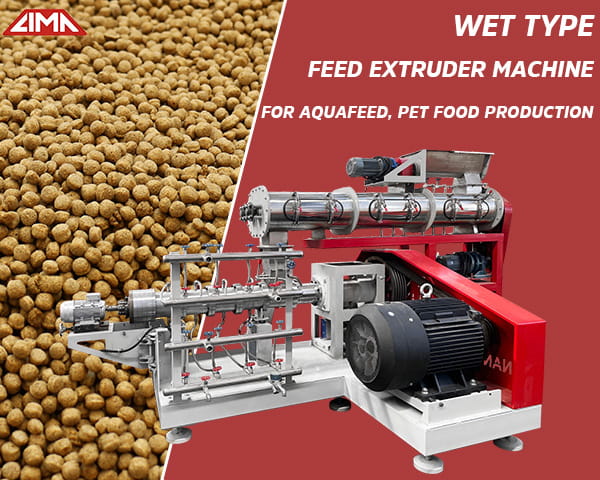
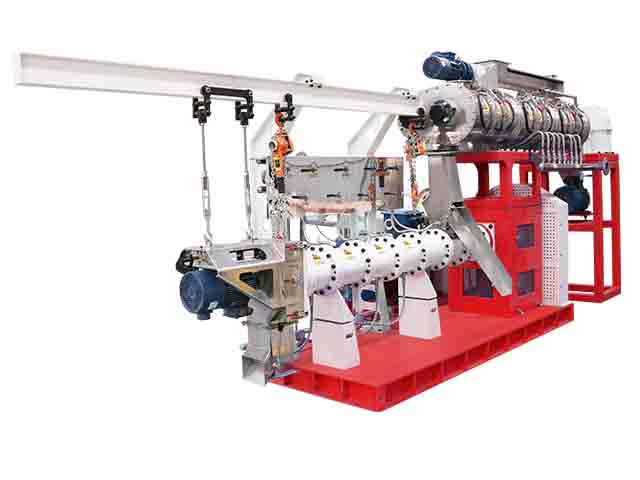
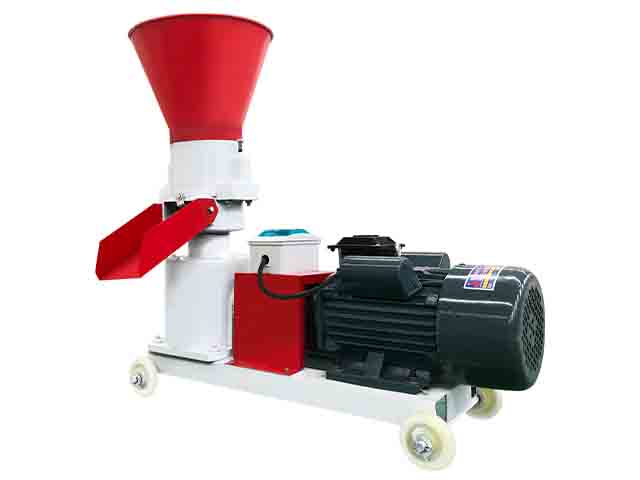
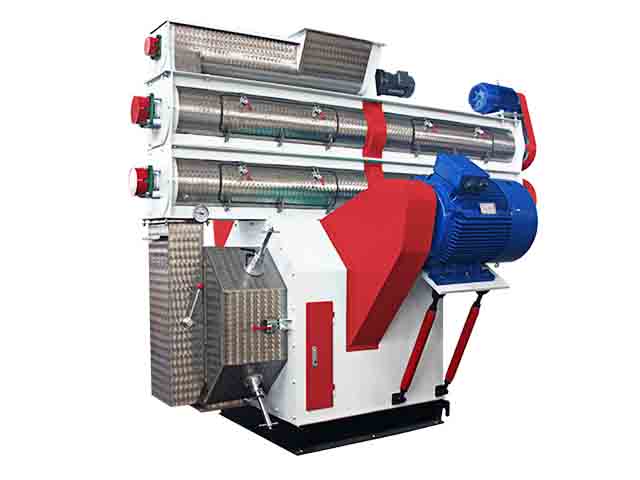
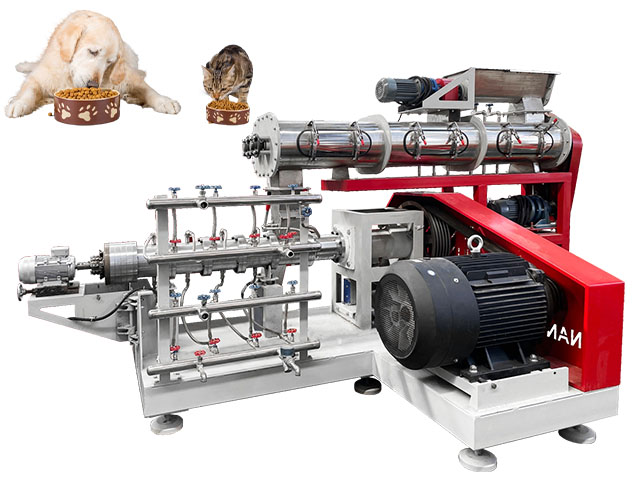
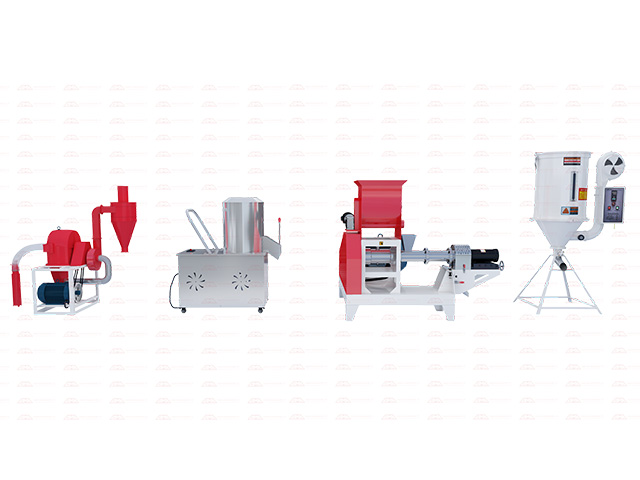
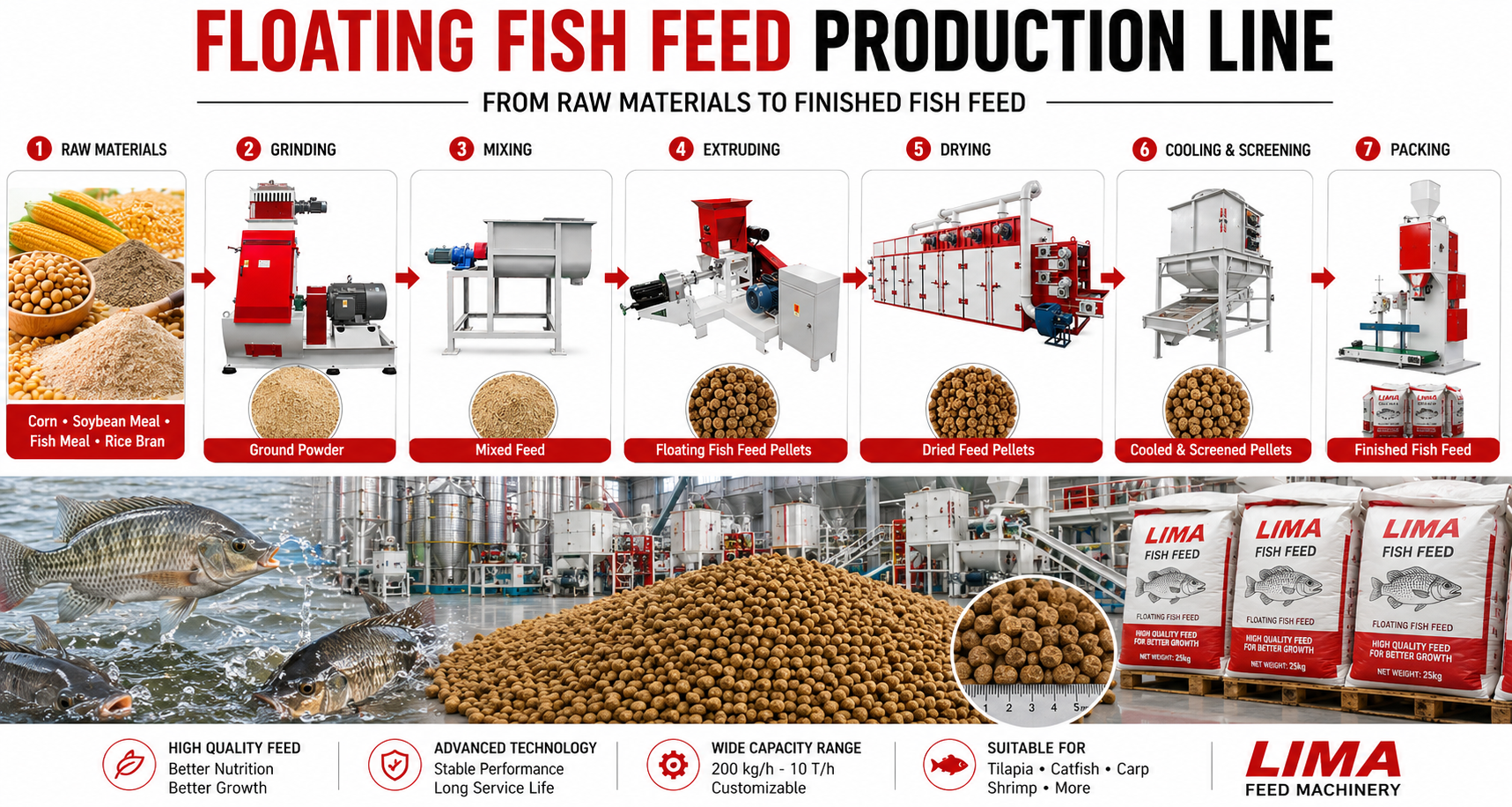
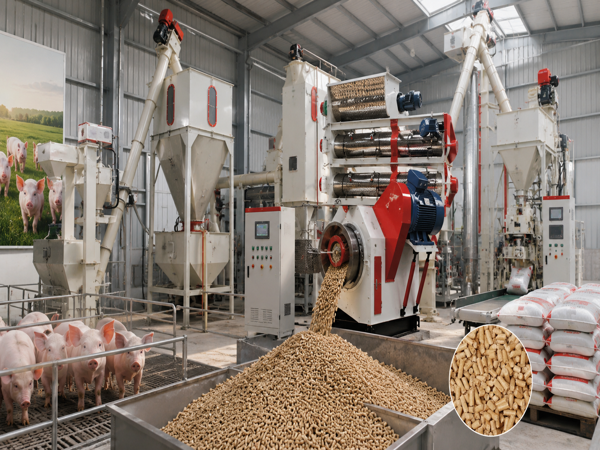
Hammer mill or roller mill shall be adopted to control the grinding particle size stably within 0.5 – 1mm, so as to ensure the uniformity of powder, improve the mixing and granulating effects, and reduce energy consumption and dust waste.Equipped with high-precision electronic weighing equipment (error ±0.3%~ 0.5%) and high-efficiency paddle and horizontal mixers to ensure uniform mixing of each batch of feed and avoid nutrient stratification and uneven growth of chickens.Precision micro-dosing system to eliminate over or under dosing.The starch is gelatinized by steam tempering process to improve the durability of granules. With the combination of 3 – 6mm die hole granulator suitable for poultry breeding, the granular material with low dust and high hardness is produced, which reduces the crushing waste in the process of transportation and feeding. The feeding loss of the granular material can be reduced by more than 10%~ 15%.Equipped with counter-current cooling equipment, screening device, recycling powder particles recycling, with dust removal system to reduce production loss.Relying on PLC automatic control system and near-infrared real-time detection equipment, real-time monitoring of feed moisture, protein and fat indicators, reduce the output of unqualified products, reduce shutdown loss through predictive equipment maintenance, improve production efficiency and reduce processing cost per ton of feed.
Management measures for supporting equipment
According to the poultry age, breeding density, variety matching corresponding feeding equipment, regular maintenance trough, feed line, valve, timely replacement of worn parts, avoid equipment failure caused by feed waste.The trough shall be far away from the sink and perch to prevent the feed from being affected with damp and pollution.The qualified powder produced by screening can be recycled for secondary processing and utilization. The residual feed quantity in the feed tank shall be monitored daily and the feeding speed shall be dynamically adjusted.Small and medium-sized farmers can use PVC tubular feeder, pedal trough, grid tray and other simple anti-waste equipment to realize loss reduction and cost reduction at low cost.
6. Improve Feeding Management Practices to Minimize Feed Loss
Optimization of chute equipment and adjustment mode
Uniform use with retaining edge, grille, prevent grilled feed trough structure, from the hardware to eliminate poultry grilled material thrown.The height of the equipment is adjusted according to the principle of “the height of the trough is the same as the back height” to adapt to the growth speed of poultry.In the breeding and fattening stages, the coverage of the tray shall be strictly controlled to avoid full tank stacking.The automatic feeding system relies on sensing equipment to accurately control materials and eliminate excessive feeding; the loading capacity of the chain chute shall not exceed one third, so as to reduce waste from the source.
Precise feed control and feeding sequence management
a feeding scheme is formulate according to that growth stage and the illumination program of the poultry, feed is carried out according to the needs, and a continuous full-feed feed mode is abandoned.through time feeding and accurate control of that feed amount, the feeding rhythm of the poultry is standardized, and ineffective feeding and fee pollution are reduced.Granular materials and crushed materials are preferentially used to avoid the problems of selective feeding and dust waste caused by powder materials, and ensure that the feeding nutrition of chickens is uniform.
Ensure feeding environment and hygiene
Reasonable planning trough number, ensure that all poultry feed evenly, avoid rob to eat, uneven feeding.The trough shall be fixed in the dry area, far away from the drinking water area and habitat area, so as to prevent the feed from getting wet and going moldy.Regularly clean the residual stale feed and moldy feed in the feed tank, keep the feeding equipment clean, and avoid the breeding of pathogenic bacteria and the decrease of palatability.Extensive feeding management typically results in 10%~ 25% of feed loss, and standardized management can significantly reduce this ineffective cost.
dynamic adjustment of linkage breed performance
According to the poultry species, age, production stage of adaptive feeding scheme, daily feed consumption, the amount of remaining feed, observe the feeding behavior.In case of abnormal fluctuation of feed intake data, timely check feed quality, equipment failure and health problems of chickens.ensure that stability of feed intake, and avoid intestinal flora disorder caused by feed cut-off and deterioration, thereby reducing the fee conversion rate.Linkage in the temperature and humidity, ventilation, bedding management, reduce poultry stress, so that all nutrients for growth and production.Continuously track core indicators such as FCR, flock uniformity, survival rate, bedding status, etc., and dynamically optimize feeding scheme.
7. Improve Feed Quality and Efficiency Through Proper Feed Management
Scientific storage to avoid quality loss
Temperature, humidity, insect pests and storage time are the four core factors that destroy the quality of feed.The feed shall be stored in a cool, dry, ventilated and light-proof independent storage area, and the moisture content of the finished feed shall be controlled within 12%~ 14%.Sealed galvanized bin and sealed material tower shall be used for storage. The storage equipment shall be raised from the ground to prevent the ground from getting damp.Strictly implement the principle of first-in first-out, it is strictly prohibited to new material superposition Chen, empty bin, thoroughly clean and then add new feed.Purchase according to breeding consumption, avoid long-term stockpiling, and further shorten storage period under high temperature and high humidity environment.Patrol the storage area every day to check the problems of mildew, agglomeration, peculiar smell and pest and rat damage. The deteriorated feed shall be discarded immediately, and the mycotoxin and nutrition degradation problems cannot be repaired for the second time.Adopt comprehensive pest and rat prevention measures such as disinfection and sterilization, isolation and mouse catching, keep the storage environment clean and tidy, and eliminate feed pollution and loss.Improper storage will cause loss of vitamins, rancidity of oil and fat, decrease of palatability of feed, and seriously affect production performance.
Standardize transport and batch management
Adapted conveying equipment shall be selected during feed transportation to reduce material drop and avoid particle crushing and dust increase.Strictly distinguish between ordinary feed and drug feed, to prevent batch cross contamination.Regular cleaning pipeline, ground dragon, tower residual Chen, prevent be affected with damp be affected with damp mildew.Qualified screening crushed materials can be recycled, and waste materials with excessive crushed dust shall be treated in time to avoid selective feeding and uneven nutrition.
On-site fine feeding management and control
Continuously optimize the structure, height and filling quantity of the trough, and regularly control the feeding details.According to the illumination rhythm and the feeding law of the chicken flock, the feed is accurately controlled to prevent excessive feeding.Give priority to the use of high-quality granular materials, crushed aggregate, reduce the waste of powder.Ensure adequate feeding space, eliminate feeding competition, and keep the bedding in the feeding area dry and clean.Regularly disinfect and sterilize the feeding equipment, remove the residual deteriorated feed, and ensure the feeding hygiene.
Management and control linkage breeding benefit improvement
All feed control measures shall match the growth stage and breeding mode of chickens, maintain intestinal health and avoid stress dyspepsia through stable, clean and high-quality feed supply.Reduce non-productive energy consumption of poultry and continuously optimize feed utilization in combination with environmental control.Establish breeding data standing book, compare theoretical feed intake with actual consumption, continuously optimize feed management scheme through data re-listing, and realize cost reduction and efficiency improvement closed loop.
8. Frequently Asked Questions About Reducing Poultry Feed Costs
1. Why does feed cost account for the highest proportion of breeding cost?How much space is there for reasonable cost reduction?
The core output of poultry farming (weight gain, egg production) is highly dependent on feed intake and conversion, so feed is the largest cost of farming.Through the comprehensive means of formula optimization, raw material substitution, waste reduction, FCR optimization, fine management and the like, the sustainable feed cost reduction of 5%~ 20% can be realized, and the breeding nutrition standard and the product quality do not need to be sacrificed.
2. What is the core and most effective single means of reducing costs?
Optimizing feed conversion rate (FCR) is the most cost-effective core approach.The overall cost reduction of large-scale farming will be multiplied for every 0.01 ‰ 0.05 FCR optimization.The core landing direction includes high-quality variety breeding, precise nutrition formula, intestinal health care, environmental management and control, and reduction of physical feed waste.
5. What is the impact of the form of powder and granules on cost reduction?
The impact is great.High-quality granular feed and crushed material can effectively eliminate selective feeding, reduce feed throwing waste, make chicken feed nutrition more uniform, stably improve FCR, greatly reduce hidden loss compared with powder feed, and are the basic configuration for cost reduction of large-scale breeding. The core requirements are high particle hardness, less dust and low breakage rate.
6. How can you minimize physical feed waste on farms?
The core measures include: using special trough with anti-grabbing design, adjusting the height with the age of days; controlling the filling quantity of trough to eliminate full trough feeding; supporting automatic feeding system for large-scale field; regularly repairing and maintaining feeding equipment; and doing a good job in moisture-proof, rat-proof and mildew-proof work of feed storage.After the standardized management, the feed waste on site can be directly reduced by 10%~ 25%.