Common faults and solutions of feed pellet machine
- Common faults and core causes of feed pellet machine
- Failure of equipment startup and its solution
- Equipment discharge low, insufficient capacity fault and solution
- Faults of poor quality of feed pellets and improvement methods
- Equipment jam fault and troubleshooting solution
- Wearing parts failure and professional maintenance skills
- Systematic Prevention Scheme of Granule Machine Failure
- Optimization and maintenance skills for long-term performance of pellet machine
- Summarize
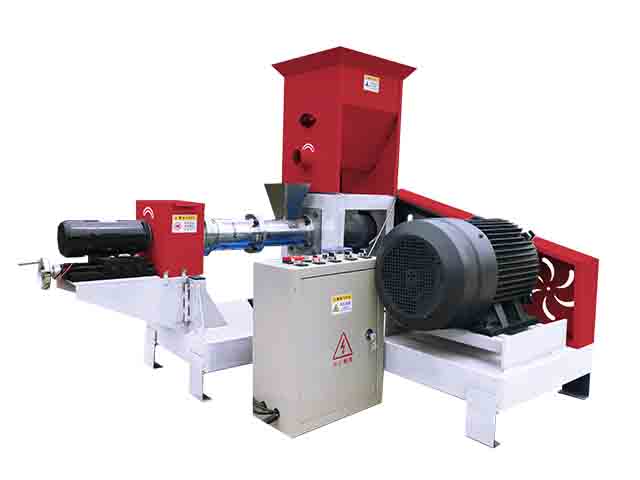
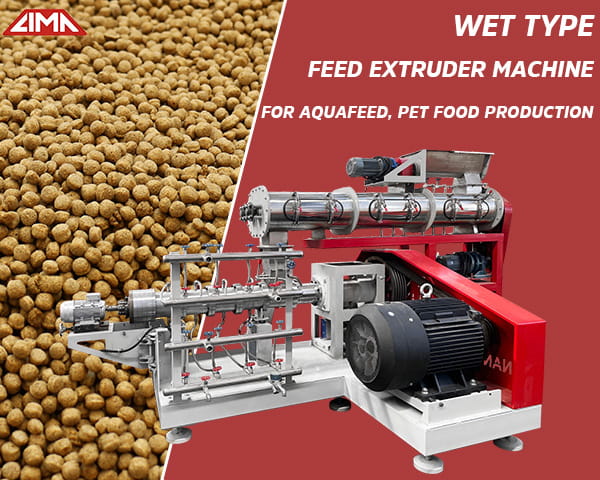
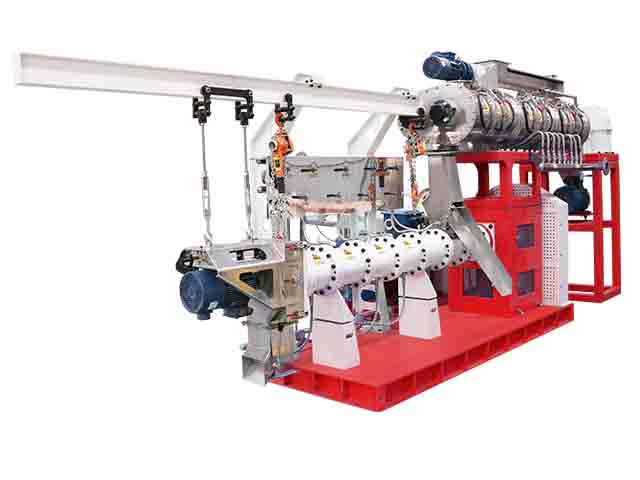
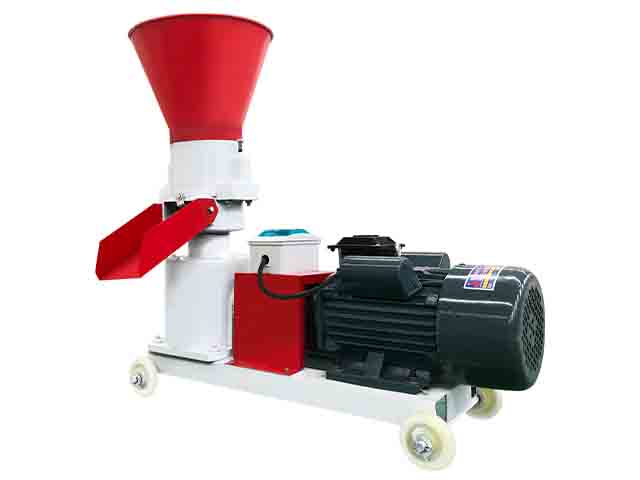
Feed pellet machine is the core equipment of feed production line, widely used in family farms and large-scale feed factories. The stability of equipment operation directly determines the production efficiency, finished product quality and breeding production cost. Sudden failure of equipment will cause shutdown, order delay and accelerated loss of accessories, which will bring direct economic losses to the production subject. The vast majority of particle machine failures are not equipment quality defects, but preventable problems caused by improper raw material control, irregular operation, and untimely maintenance. This paper systematically combs the high-frequency faults of feed pellet machine, deeply disassembles the root causes of faults, provides the troubleshooting, solution and prevention scheme of landing, and supports professional maintenance skills to help the long-term stable and efficient operation of the equipment.
Common faults and core causes of feed pellet machine
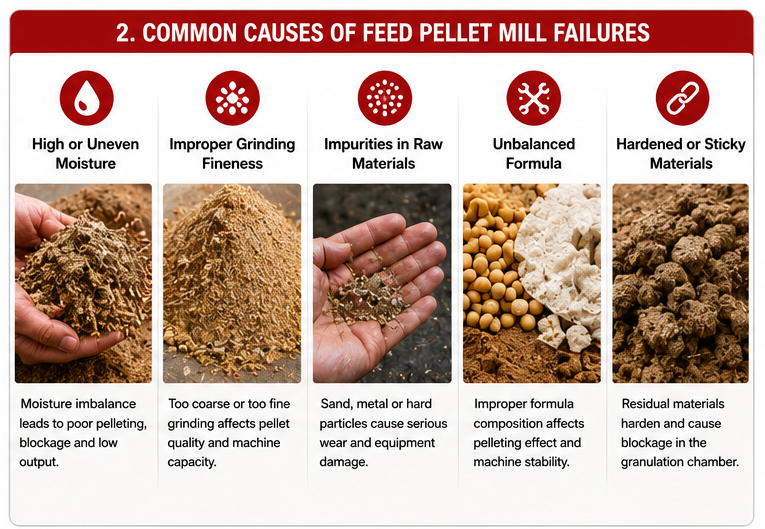
Feed pellet machine is under high pressure, high friction and continuous operation conditions for a long time, and it is easy to have various problems such as insufficient discharge, poor particle quality, equipment jamming, abnormal noise vibration, parts wear and so on. Most users only do temporary fault repair, and the core causes are not eradicated, resulting in frequent failures. All particle machine failures can be classified into three core categories, namely, abnormal raw material properties, mechanical adjustment and wear failures, and irregular operation and maintenance. The superposition of three types of problems will greatly increase the equipment failure rate and shutdown probability.
Raw material level, material moisture content, grinding fineness, formula composition, impurity pollution are the main influencing factors, moisture imbalance, uneven particles, doped sand metal, will destroy the equipment operation balance and particle molding effect. On the mechanical level, improper gap between the press roller dies, die hole blockage, bearing wear, belt aging, and mismatched accessories are the core causes of hardware failures. At the operation and maintenance level, the start-stop process is not standardized, the lubrication is not in place, the cleaning is not thorough, the overload operation and the wear parts are not replaced in time, which will accelerate the aging of the equipment and cause various hidden faults. The following paragraphs disassemble the problems, solutions and prevention points one by one for various high-frequency faults.
Failure of equipment startup and its solution
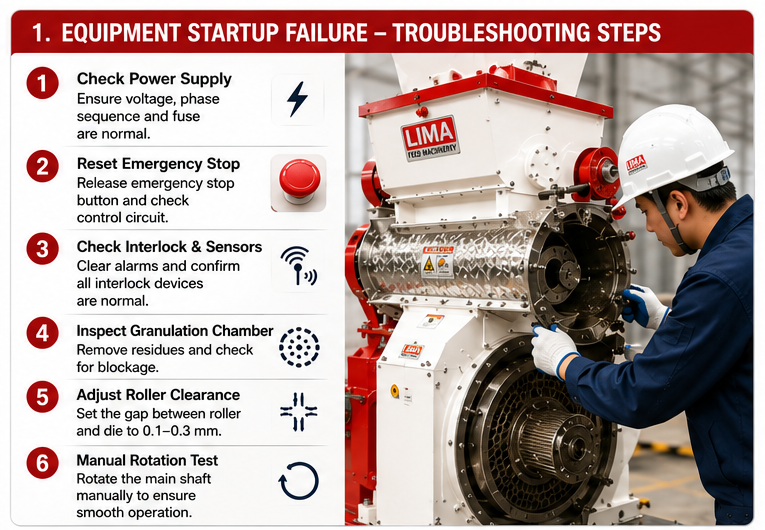
The failure of equipment to start is the most serious sudden failure, which will directly lead to the complete shutdown of the production line. There is no obvious early warning for this fault, and it is difficult for operators to quickly locate the cause, which is easy to delay the production schedule. Granule machine start-up fault is mainly divided into circuit control system fault, granulation chamber mechanical jam, safety pin failure, mold state abnormal, material load exceeds five categories, need to follow the order from simple to complex one by one troubleshooting repair.
Circuit control system failure
Circuit failure is the primary high-frequency cause of equipment start-up failure and is the least difficult to troubleshoot. Common faults include unreset emergency stop, tripping of thermal overload relay, blown fuse, loose and damaged lines, unstable power supply voltage or missing phase. Automatic production line will also appear sensor alarm is not cleared, upstream and downstream equipment interlock trigger, material level sensor abnormal problems, directly lock equipment start-up program.
During troubleshooting and repair, reset the emergency stop button first to unlock the equipment. Check the distribution box and motor junction box, replace the blown fuse, reset the tripping protection device, and investigate the overload source to avoid secondary faults. Fasten all terminals after power failure, check whether there are scorched, damaged and aging problems in the circuit, and repair the damaged circuit in time. Confirm that the power supply voltage and phase match the rated parameters of the equipment, and prevent low voltage and phase loss operation. Automatic equipment shall clear system alarm, verify sensor and interlocking device status, and ensure normal linkage of upstream and downstream equipment before starting equipment.
Mechanical jam and blockage in granulation chamber
Hardening of residual materials, hard impurities stuck in the gap between the press roller and the die, locking of the press roller bearing, and too small a gap between the press rollers will cause the spindle to be stuck, the starting load exceeds the standard, and the equipment protection mechanism is triggered, resulting in failure to start. The fault is concealed, and forced start is easy to burn the motor, damage the mold and transmission structure, and cause major equipment damage.
To deal with the stuck fault, the power-off and lock-up operation must be strictly carried out, and the maintenance shall be carried out after the complete power-off is confirmed. Loosen the adjusting bolts of the press roller, enlarge the gap between the press roller dies appropriately, and thoroughly clean the hardened materials and agglomerated powder in the granulation cavity. Carefully check the die hole and the surface of the roller, remove the stuck metal fragments, sand and other hard impurities. Manually rotate the spindle to confirm that the mold and press roller run without blocking resistance, and calibrate the gap to the manufacturer’s standard 0.1 to 0.3 mm. If the pressure roller bearing lock failure, it is necessary to directly replace the bearing or the whole set of pressure roller components, it is strictly prohibited to start the equipment forcibly with fault.
Break failure of safety pin
The safety pin is the core overload protection accessory of the particle machine. When the equipment load suddenly increases or the hard impurity jams, the safety pin will automatically shear to protect the core high-priced components such as the motor, spindle and mold. After the safety pin breaks, the equipment will lose its transmission ability and fail to start or idle. Some users replace high-strength non-specification safety pins, which will completely destroy the overload protection mechanism of the equipment and cause major mechanical accidents.
Remove the broken safety pin residue from the equipment during inspection, thoroughly clean the materials and impurities in the granulation chamber, and investigate and solve the fundamental problems of machine jamming and overload. Replace the brand-new safety pin strictly according to the original specification. It is forbidden to change the material, thickness and strength of the accessories at will, and retain the basic protection function of the equipment. After replacement, manually turn the gear to confirm smooth operation of the equipment, and then power on the no-load start test.
Mold status abnormal
The new mold is not running-in, the mold hole is blocked in a large area, the mold surface is embedded with hard impurities, and the mold specification does not match the material, which will greatly increase the starting resistance of the equipment, resulting in failure to operate normally. The new mold hole wall is smooth, the friction is insufficient, the material is difficult to extrude, and forced start-up will cause material accumulation and load surge.
Before the new mold is put into production, it must complete the running-in treatment. The oily material of bran and sawdust mixed with vegetable oil is used for low-speed air grinding to polish the inner wall of the mold hole to improve the friction molding effect. For blocked die holes, gently clean them with punches or fine drills of corresponding specifications to avoid damaging the hole wall structure. Check mould aperture and compression ratio to ensure compatibility with current feed formula and replace incompatible mould. Clean up the metal impurities embedded in the mold surface, and repair or replace the severely damaged mold directly.
Material load exceeded
After shutdown, a large amount of materials remain in the granulation chamber, the materials are too hard and dry, and the feeder continues to feed, which will cause the equipment to start with excessive load and fail to operate normally. This fault occurs frequently in the restart scene after emergency shutdown and sudden power failure.
Completely empty the granulation chamber and feeder before restart to reduce the start-up load of the equipment. Fine adjustment of moisture content and grinding fineness of materials, moderate humidification and stirring of hard and dry materials to improve material plasticity. Lock the interlock function of the feeder to ensure that the feeding system stops feeding when the main machine is not started, so as to avoid continuous accumulation of materials. When the equipment is started, it runs at no load first, and then feeds gradually at low speed to resume production smoothly.
Equipment start-up safety specification process
Standardized restart procedures can effectively avoid startup failures and protect core accessories. The operation process is divided into six steps: first, power-off lock machine, thoroughly clean up the internal materials and impurities of the equipment; second, calibrate the gap between the pressure roller molds, replace damaged safety accessories; third, manually turn the machine to confirm the smooth operation of the equipment; fourth, power reset all alarm and protection devices; fifth, no-load start, monitor the equipment for abnormal noise, vibration and overload problems; sixth, low speed feeding, gradually upgrade to the standard production load. In daily production, it is necessary to develop the habit of emptying equipment materials every shift, regularly cleaning impurity removal equipment and lubricating bearings on time to prevent startup failures from the source.
Equipment discharge low, insufficient capacity fault and solution
Insufficient production capacity and unstable discharge are the most common economic failures of pellet machines. The equipment seems to operate normally, but the actual output is far lower than the rated standard, which directly raises the unit feed production cost. The fault has no obvious shutdown warning and is highly concealed. Long-term neglect will cause continuous production loss and profit loss. Insufficient production capacity is mostly caused by abnormal mold state, imbalance of material parameters, improper mechanical adjustment, superposition of transmission system faults, which requires systematic investigation and optimization.
Mold clogging and wear aging
Die is the core part of material extrusion molding, die hole blockage, new die not running-in, die wear reaming, surface damage, will increase the extrusion resistance of materials, directly lead to slower discharge speed, production capacity decreased. The new mold running-in is not in place, the old mold overdue wear, is the core incentive of insufficient production capacity.
Daily production needs to check the mold status regularly, one by one to clean the blocked mold holes, to ensure that all holes are unobstructed. The new mold must complete the oil material running-in process, so that the hole wall forms a moderate roughness and improves the extrusion efficiency. For old dies with enlarged bore diameter, hole wall wear and compression ratio failure, replace them in time to avoid long-term low-capacity operation. Establish mold usage ledger, combine production time and material wear characteristics, predict replacement cycle in advance.
material moisture imbalance
Material moisture content is a key parameter affecting discharge efficiency, and the industry standard adaptation range is 12% to 18%. Too low moisture content, loose powder, poor plasticity, difficult to extrude materials, through the die hole; too high moisture content, materials viscous agglomeration, easy to block the die hole and granulation cavity, resulting in uneven discharge, production capacity decline, but also induced particles moldy deterioration.
The moisture content of materials must be accurately tested before production and fine adjusted as needed. When the moisture content is low, add water evenly and stir to prevent dry materials from caking; when the moisture content is high, reduce humidity by drying and drying, and prohibit wet materials from entering the machine directly. Optimize the conditioning process, stabilize the steam pressure, temperature and material retention time, so that the material can reach the best softening state in the conditioning process, improve the extrusion efficiency, and ensure the uniform humidity of the whole batch of materials.
Improper press roller die clearance
The gap between the roller and the die directly determines the extrusion pressure of the material. If the gap is too large, the extrusion force is insufficient, and the material cannot be discharged smoothly; if the gap is too small, the friction resistance of the equipment increases sharply, the wear of the accessories is accelerated, and the load is too high, the discharge efficiency will also be suppressed, causing abnormal vibration.
Calibrate the gap between the roller dies before starting each shift, strictly follow the manufacturer’s standard of 0.1 to 0.3 mm, and ensure that the gaps on both sides are even and symmetrical. In case of slow discharge and capacity drop during production, priority shall be given to troubleshooting gap deviation and timely fine adjustment. It is forbidden to operate in excess of standard clearance for a long time. After the pressure roller and die are worn, adjust the parameters synchronously. Replace the aging parts in a complete set to ensure the accuracy of extrusion structure.
Roller and die wear mismatch
Roller and die are paired wear parts. After long-term use, the surface texture is smooth and the local wear is uneven, which will lead to insufficient extrusion force, slipping and accumulation of materials, reduced production capacity and increased powder waste. Mixing old and new parts will cause mismatching of extrusion structure and cause continuous abnormal production capacity.
Regularly check the surface condition of the roller shell and the mold, and replace the whole set of accessories when there are problems such as grain grinding and uneven stress. It is strictly prohibited to mix old and new accessories. Select high-quality accessories suitable for feed formula and capacity requirements to improve wear resistance and extrusion accuracy. Lubricate and maintain the bearings to avoid the rotation of the press roller being stuck and the force being unbalanced, and reduce the abnormal wear of the parts.
Abnormal operation of feeding system
The feeding system is responsible for the uniform supply of materials. The wear of the feeding screw, blocking, improper rotation speed, and accumulation of the conditioning blades will cause uneven supply of materials, material failure, and insufficient supply, which will directly lead to unstable production capacity and low overall output. At the same time, it will aggravate the fluctuation of equipment load and increase the probability of failure.
Regularly disassemble and clean the feeding screw and tempering blade, remove the surface area material and lumps, and ensure the smooth transportation of materials. Adjust the feeding speed according to the rated capacity of the equipment, match the running rhythm of the main engine, and prevent insufficient feeding or instantaneous overload. Timely replace the severely worn conveying accessories, maintain sufficient material in the storage bin, avoid overhead material breakage, and achieve continuous and stable feeding.
Mold parameters do not match recipe
The content of crude fiber, fat and starch in different feed formulas is different, and the requirements of die aperture and compression ratio are different. High fiber, high fat feed with high compression ratio die, extrusion resistance is too large, production capacity greatly reduced; small aperture die suitable for large particle raw materials, easy to block, slow discharge problems.
Select special molds according to the breeding category, and match the corresponding aperture and compression ratio parameters for poultry, livestock and aquatic feed respectively. When changing the feed formula, adjust the mold specifications and conditioning parameters synchronously to avoid capacity loss caused by parameter mismatch. Multi-formula production site, prepared a variety of specifications mold, on-demand switching, to ensure production efficiency.
Transmission and powertrain failure
Unstable power supply voltage, loose and slippery transmission belt and insufficient lubrication of gearbox will lead to substandard equipment speed and torque, greatly reduced material extrusion efficiency and low production capacity. This kind of fault has strong concealment and is easily misjudged as material or mold problem.
Regularly check the power supply voltage to ensure that the voltage is stable within the rated range of the equipment. Check, tighten or replace the aged and loose transmission belt in time to ensure power transmission without loss. Regularly fill lubricating oil for gearbox and transmission structure, check motor overload and heating problems, and stabilize equipment power output.
Faults of poor quality of feed pellets and improvement methods
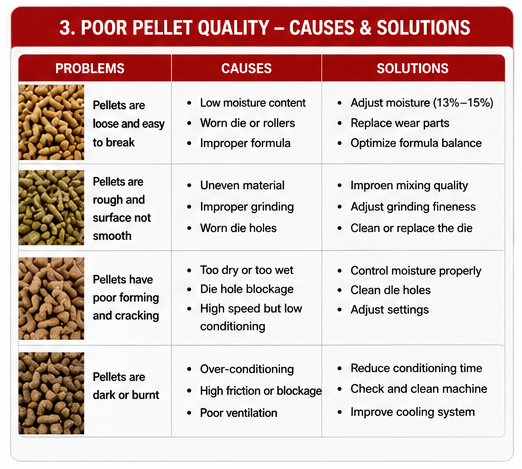
Particle molding quality is the core competitiveness of feed production. Loose particles with more dust, rough and cracked surface, uneven hardness and charring color will not only cause feed waste and transportation loss, but also affect livestock intake and digestion, reduce breeding benefits and damage product reputation. Particle quality problems are mostly caused by improper material parameters, quenching and tempering process, equipment status and operation adjustment. Targeted optimization can quickly improve the quality of finished products.
Loose particles, high dust rate
The hardness of finished particles is insufficient, easy to break, and a large amount of powder is produced during cooling and transportation, which is the most common quality failure. The core causes include low moisture content, insufficient conditioning, insufficient extrusion pressure, too high formula oil, low compression ratio of mold, uneven distribution of materials, insufficient adhesion of materials, low gelatinization degree of starch, and failure to form stable granular structure.
During optimization, the moisture content of the material is stabilized in the optimal range of 12% to 18%, and the adhesion of the powder is improved. Optimize conditioning process, increase steam temperature, prolong material retention time, promote starch gelatinization, enhance particle density. Change the high compression ratio die, increase the extrusion pressure, moderately reduce the formula free grease, and add adhesive if necessary. Replace the worn scraper to ensure uniform distribution of materials, replace the aging roller and mold synchronously to ensure the molding effect.
Rough particle surface, longitudinal cracking
The finished particles have uneven surface, longitudinal cracks, poor quality, low durability and easy to break during transportation. The main causes are high moisture content of material, new die not running-in, uneven fineness of raw materials, partial blockage of die holes, too fast feeding speed, uneven stress after wet molding, uneven raw material particles, and finally lead to particle cracking deformation.
Moderately reduce the moisture content of the material to avoid forming stress cracking. Strictly complete the oily running-in process of the new mold, and polish the inner wall of the mold hole smoothly. Optimize crushing process, unify raw material particle fineness, and eliminate coarse and miscellaneous materials. Clean and repair blocked and damaged die holes, reduce feeding speed, prolong extrusion molding time, eliminate particle surface defects and cracks.
Soft and hard particles, uneven size
The length, hardness and size of particles in the same batch are uneven, which belongs to unstable process failure, mainly caused by fluctuation of quenching and tempering parameters, unstable feeding speed, cutter wear offset, uneven gap between pressing rollers and uneven mixing of materials. There are obvious differences in material forming and cutting effects.
Stabilize conditioning steam pressure, temperature and residence time to ensure uniform softening of materials. Adjust the feeding speed to realize uniform continuous feeding. Regular grinding, replacement of worn cutter, calibration of installation position, uniform particle cutting length. Recalibrate the gap between pressing rollers, replace the parts of pressing rollers with uneven wear, optimize the mixing process of raw materials, improve the uniformity of materials, and stabilize the molding quality.
The particles are burnt and the hardness is abnormally high
Black particles, high hardness, accompanied by motor current rise, mostly in low moisture materials, high compression ratio mold, low speed feeding conditions. Material drying, extrusion friction is too high, quenching temperature is too high, mold compression ratio exceeds the standard, will lead to material friction in the mold hole overheating, there is a scorch hardening problem.
Moderately improve the moisture content of materials, reduce extrusion friction resistance. Replace the low compression ratio mold to adapt to the current feed formula. Slightly increase the feeding speed, shorten the residence time of the material in the mold, and avoid overheating and burning. Accurate control of tempering temperature, strengthen raw material screening, reduce impurity ash content, reduce friction heating incentives.
After cooling, the particles are easy to break
Granule molding state is normal, after cooling cracking, falling powder, broken, the core reason is that the cooling process is not up to standard, the material adhesion is insufficient, the temperature difference is too large. Short cooling time, insufficient ventilation, residual heat and water inside the particles can not be dissipated; rapid cooling will produce stress cracks and reduce particle durability.
Optimize the cooling equipment parameters, extend the cooling time, adjust the ventilation rate, so that the particles can be cooled to normal temperature and the moisture content can be reduced to the storage standard of 10% to 12%. Improve conditioning effect, strengthen starch gelatinization and material adhesion. Gradient cooling method is adopted to avoid cracks caused by rapid cooling. Optimize formula structure, add adhesive raw materials, improve particle structure stability.
Equipment jam fault and troubleshooting solution
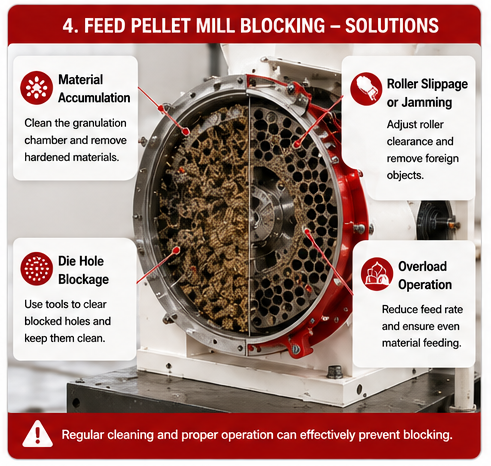
Granulation cavity and mold blockage is the most difficult high-frequency fault of the granulator, sudden blockage will lead to motor current surge, equipment lock shutdown, improper handling is easy to damage the mold, roller, motor and other core accessories, resulting in high equipment loss. Blockage can be divided into three categories: complete blockage, partial blockage and feeding system blockage, which are mostly caused by abnormal material parameters, improper equipment adjustment, impurity invasion and irregular operation, and shall be checked and cleaned according to standardized procedures.
jam fault core cause
Material moisture imbalance is the primary cause, wet material viscous caking plugging holes, dry material friction overheating hardening plugging material. Feeding speed is too fast, the material supply exceeds the extrusion capacity of the equipment, and the granulation chamber will be quickly accumulated. The core reasons for repeated clogging of equipment are abnormal gap between pressing rollers, hard impurities doped in raw materials, insufficient quenching and tempering, mismatch between mold parameters and formula, and hardening of residual materials during shutdown.
Standardized clogging removal process
After the equipment is blocked, it is forbidden to start the machine forcibly. The operation of power-off and locking must be carried out to prevent safety accidents and secondary damage. First stop feeding, cut off material supply, power off warning signs. Open the cover plate of granulation cavity, loosen the pressure roller adjusting structure to release pressure, clean loose and agglomerated materials with wooden and plastic scrapers, and prohibit metal tools from scraping the wall of mold hole. Use the punch of corresponding specification to dredge the blocked die hole from outside to inside, and thoroughly remove the hardened material.
Check granulation cavity, mold, press roller, remove hard impurities and metal fragments, check and replace broken safety pins. Recalibrate the gap between pressing rollers and dies, and clean the residual lumps in feeder and conditioner. After cleaning, start the equipment with no load, confirm that there is no abnormal sound, no jamming, and the current is normal. Then feed at low speed and gradually resume normal production.
Long-term preventive measures for clogging failure
Strictly control the moisture content and grinding fineness of materials, and prevent uneven humidity, hard and wet materials from entering the machine. Optimize the tempering process to improve the plasticity and fluidity of materials. Calibrate the gap between pressing rollers and dies before starting up each shift. It is forbidden to increase the speed suddenly and greatly during production. Improve raw material impurity removal system, regularly clean magnetic separation and screening equipment, and thoroughly remove sand and metal impurities.
According to the formula matching corresponding specifications mold, avoid parameter mismatch caused by clogging. Empty equipment thoroughly at the end of each shift to prevent residual hardening and agglomeration. In case of early warning such as current rise, slow discharge and abnormal sound, the equipment shall be shut down immediately for troubleshooting to prevent serious blockage caused by fault operation.
Wearing parts failure and professional maintenance skills
Die, roller, bearing, scraper, cutter, belt, seal, safety pin are core wearing parts of particle machine, long-term in high pressure, high friction, high temperature conditions, loss speed is fast. Early failure of wearing parts is the core source of equipment productivity decline, quality deterioration and frequent failure. Good maintenance, failure identification and replacement of wearing parts can effectively reduce failure rate, prolong equipment service life and reduce production cost.
Common failure modes of core wearing parts
Die easy to appear hole diameter enlargement, hole wall smooth failure, surface cracking, impurities embedded, hole plugging can not be repaired and other problems; pressure roller common shell wear uneven, grain grinding, shell cracking, bearing locking failure; bearing easy overheating, abnormal noise, gap is too large, sealing failure, grease pollution; scraper wear caused uneven distribution of materials, cutter wear caused by different particle length; Belt aging and slipping will cause insufficient power, frequent breakage of safety pins and leakage of seals will cause various associated failures.
The core cause of accelerated wear of wearing parts
Improper adjustment of the gap between the roller dies is the primary cause of rapid wear of accessories, and too small a gap intensifies friction overload. Hard impurities such as sand and metal in raw materials will scratch the surface of molds and rollers, causing irreversible damage. Insufficient lubrication, grease type mismatch, grease contamination, will lead to rapid bearing failure. Overload operation, frequent start-up and shutdown, dry grinding and idling of equipment, and mixing and using old and new accessories will greatly accelerate the aging and wear of accessories.
Targeted maintenance and replacement programs
Calibrate the gap between pressing rollers and dies every shift to ensure symmetry and uniformity and avoid friction overload. Strengthen raw material impurity removal control, rely on magnetic separation, screening equipment to isolate hard impurities. Establish standardized lubrication system, use original designated grease, maintain bearings on schedule, replace aging seals in time, and eliminate oil shortage and grease pollution.
Standardize equipment operation, prohibit overload, dry mill idle operation, reduce frequent start and stop. Die and roller must be replaced in a complete set to eliminate the old and new mix. Regularly check the condition of scraper, cutter and belt, and replace them in time after wear. Small and vulnerable parts are available for quick replacement and reduced downtime. Combine the operating time and material wear characteristics to predict the replacement cycle of parts and promote preventive maintenance.
Systematic Prevention Scheme of Granule Machine Failure
The vast majority of particle machine failures can be avoided in advance through standardized control, and the effect of active prevention is far better than that of maintenance after failure. Building a prevention system from five dimensions: raw material control, process optimization, equipment adjustment, daily maintenance, and personnel operation can effectively reduce the failure rate, ensure stable operation of the production line, and reduce maintenance and capacity loss costs.
Stable raw material quality control
Strictly control the moisture content of raw materials, grinding fineness, formula stability and cleanliness, and uniformly detect and fine-tune before production to prevent large fluctuation of parameters. According to the mold aperture matching standard grinding fineness, ensure that the material is uniform and delicate. Hard pollutants are removed by multistage screening and magnetic separation, and the equipment and conditioning parameters are adjusted synchronously when the formula is replaced, so as to avoid faults caused by parameter mutation.
Optimization of Quenching and Tempering Process
Stabilize conditioning steam pressure, temperature and material retention time to ensure that the material is fully softened and starch is properly gelatinized. Regularly clean the blade and cavity volume of the conditioner to ensure uniform mixing and transportation of materials. For different feed categories such as aquatic products, livestock and poultry, the conditioning parameters are differentially matched to avoid problems such as blockage, quality defects and insufficient production capacity caused by process mismatch.
Standardized equipment regulation control
The parameter adjustment standards of the curing equipment calibrate the press roller mold gap, cutter position, and feeding speed before starting each shift to ensure accurate scraper position and uniform material distribution. The fine adjustment of equipment parameters shall be combined with the material state and production demand, and it is forbidden to adjust the speed greatly without permission. According to the formula matching corresponding mold specifications, from the hardware adaptation level to avoid failure.
Normalized cleaning and lubrication maintenance
Implement a cleaning system per shift, and thoroughly empty the granulation chamber, feeder, and conditioner of residual materials at the end of production to prevent hardening and caking. Regularly clean heat dissipation, dust removal and impurity removal equipment to ensure clean operation environment. Implement graded lubrication system, fill special grease on schedule, replace aged seals and deteriorated grease, establish maintenance account, and realize fine control.
Standard operation and risk management
Unify the standardized process of equipment start-up, parameter adjustment and fault handling, and eliminate illegal operations such as forced start-up, overload operation and sudden and large speed regulation. Train operators to identify equipment warning signals, and shut down in time for troubleshooting in case of abnormal current, abnormal noise, vibration and fluctuation of production quality. Unify the use of original specifications and grease to ensure the protection function and operation accuracy of equipment.
Optimization and maintenance skills for long-term performance of pellet machine
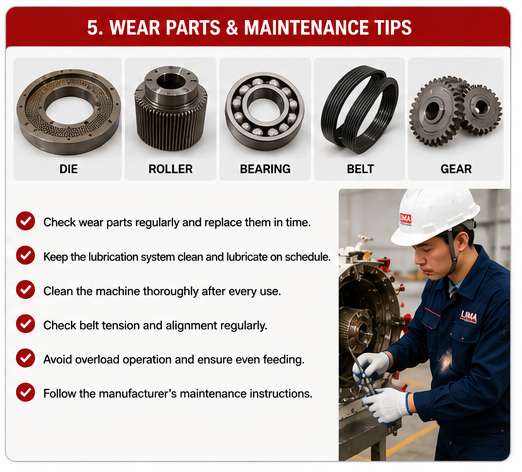
Normalized and systematic maintenance is the key to maintaining high-performance operation of equipment. Through daily inspection, regular maintenance and refined control of accessories, equipment operation status can be continuously optimized, service life can be prolonged, unit production cost can be reduced, and efficient, stable and low-loss operation of equipment can be realized.
Daily startup inspection and maintenance
Before starting up, comprehensively check the gap between the press roller dies, the state of the scraper cutter, the lubrication points, the lines and the working conditions of the impurity removal equipment, and clean up the residual materials and dust of the equipment. Start the equipment with no load, monitor the operation sound, observe the vibration and current status, and confirm that there is no abnormality. Real-time monitoring of particle quality, discharge speed and equipment load in the production process, timely fine-tuning parameters to avoid fault accumulation.
Regular in-depth maintenance
Weekly cleaning feeder, conditioner, granulation chamber accumulation lumps, check belt tension, seals and bearing temperature. Inspect the wear degree of the mold and press roller every month, calibrate the accuracy of the equipment, and tighten the bolts between the body and the motor. Quarterly overhaul of gearbox, transmission system, circuit system, replacement of aging parts and deteriorated lubricating grease, troubleshooting hidden faults.
Fine management of accessories
Set up spare parts inventory system, standby mold, roller, bearing, safety pin, belt, cutter and other core accessories. Record the service life and wear status of accessories, promote preventive replacement, and avoid sudden failure shutdown. Priority is given to the selection of original high-quality accessories to ensure equipment adaptability and operation accuracy, and reduce wear and failure probability.
Summarize
All kinds of faults of feed pellet machine have clear incentives, such as equipment start-up failure, insufficient production capacity, poor pellet quality, equipment blockage, parts wear and other problems. The core root causes are concentrated in four aspects: lack of raw material control, improper equipment adjustment, irregular operation and untimely maintenance. Compared with maintenance after failure, systematic prevention, standardized operation and refined maintenance are the core means to improve production efficiency, reduce production costs and ensure product quality. Accurate matching of equipment parameters and feed formula, strict implementation of daily maintenance, standardized equipment operation, can completely get rid of high-frequency fault trouble, so that the pellet machine can maintain efficient and stable operation for a long time, maximizing the release of production economic benefits.