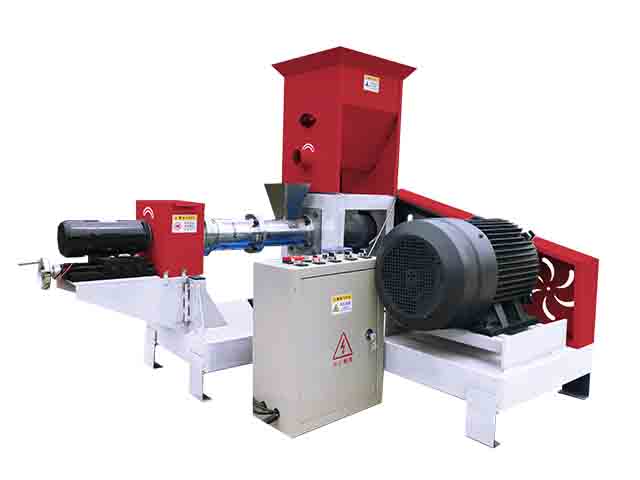
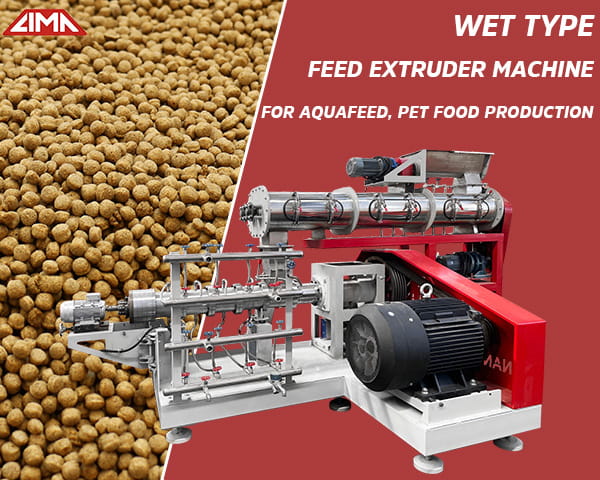
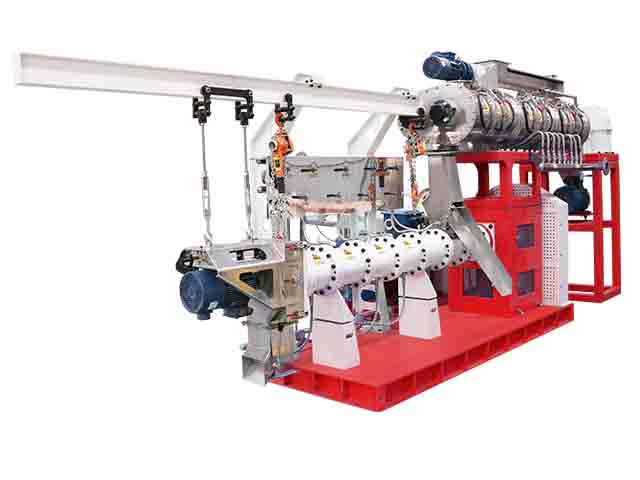
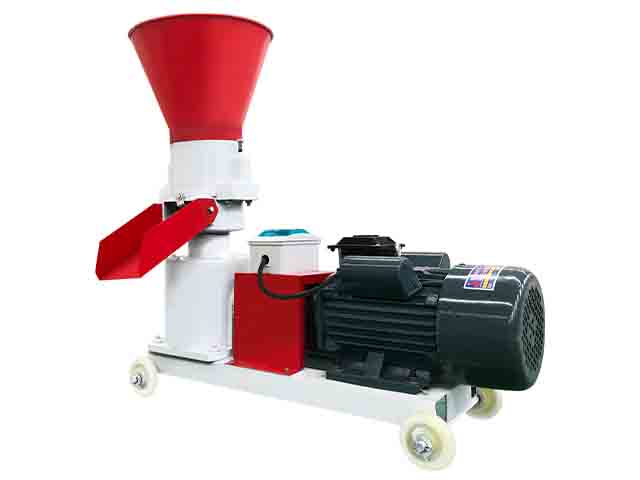
How to Operate the Poultry Feed Mill Machine
Preface
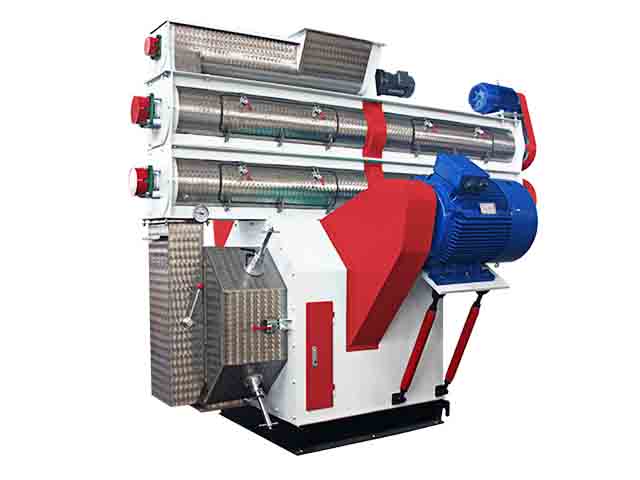
A poultry feed mill machine is the core processing equipment for modern poultry farming, widely used in family retail farming, large-scale breeding farms, and commercial feed processing plants. Standardized operation of the feed mill can efficiently produce standardized pellet feed with balanced nutrition and good palatability. It effectively improves poultry growth efficiency and egg production performance, reduces feed waste and breeding disease risks, and maximizes equipment protection to lower downtime and extend service life.
In actual production, most equipment failures, poor pellet quality and low productivity are caused by non-standard operation, improper parameter adjustment and irregular maintenance. This complete guide sorts out professional operation steps, performance debugging methods, daily maintenance standards, equipment selection skills, fault solutions and common questions to help users operate poultry feed mill machines scientifically and efficiently.
What Is a Poultry Feed Mill Machine?
Core Functions
This equipment balances breeding efficiency and feed nutrition. Through refined processing, feed raw materials achieve uniform particle size, which fits the digestion and absorption characteristics of chickens, ducks, geese and other poultry. It effectively improves poultry growth rate and egg production rate, enhances poultry physical fitness, and reduces disease incidence. Standardized pellet feed also avoids feed waste caused by poultry picky eating and greatly improves feed utilization rate.
With strong adaptability, the equipment covers small household standalone machines and large industrial production lines, fully meeting the breeding and production needs of different scales.
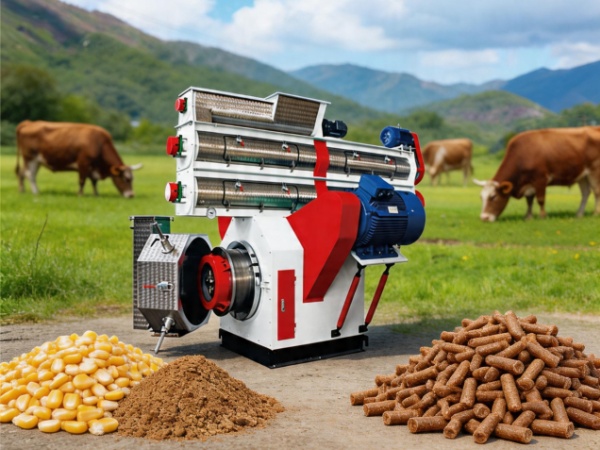
Equipment Advantages
Compared with purchasing finished feed, self-processing feed with professional feed mills can greatly reduce breeding costs. Users can customize exclusive feed formulas according to the growth stages of chicks, breeding chickens, laying hens and broilers to accurately match poultry nutritional needs. Self-processed feed contains no extra additives and is hygienic and safe. Meanwhile, pellet feed solves the problem of poultry picky eating, significantly improves feed conversion rate and reduces breeding economic losses.
What Should Be Prepared Before Operating a Poultry Feed Mill Machine?
Safety Protection Preparation
All operators must receive professional training to master standard operation procedures, emergency shutdown methods and potential operational risks, including equipment rotating parts, dust and noise hazards. Operators must wear complete protective equipment during operation, including goggles, anti-slip gloves, dust masks, safety helmets and sound insulation protective gear.
Check whether the emergency stop button, safety baffles and interlock devices are sensitive and effective, and implement equipment locking and tagging safety specifications. Clean the operation area to ensure unobstructed passages, and confirm the completeness of fire-fighting and first-aid equipment. Inspect circuit connections and grounding devices to ensure stable voltage. For diesel and tractor-powered equipment, fully check the fuel system and mechanical transmission system in advance.
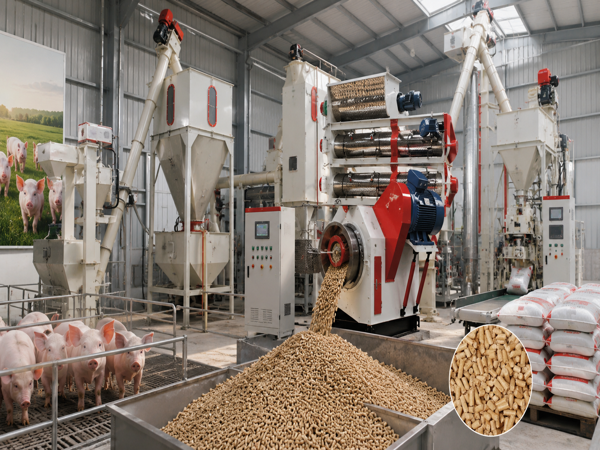
Equipment Inspection and Maintenance Check
Conduct a comprehensive visual inspection of the equipment to eliminate fuselage damage, loose bolts, aging circuits, component cracks and bearing wear. Lubricate equipment bearings, check the gearbox oil level, V-belt tightness and transmission chain condition, and fasten all loose parts.
For new or newly maintained equipment, adjust the gap between pressure roller and mold to the standard range of 0.1-0.4 mm. Perform no-load trial operation to check for abnormal noise, severe vibration and overheating faults. Thoroughly clean residual materials, dust and impurities inside the equipment to ensure the normal operation of cooling, screening and conveying systems.
Raw Material Preprocessing
Strictly control raw material moisture content: flat die equipment adapts to 10%-18% moisture content, while ring die equipment adapts to 13%-25%. Excessive moisture causes machine blockage, while insufficient moisture leads to loose pellets and excessive dust. Ensure the crushed raw material particle size is smaller than the mold aperture, and completely remove hard impurities such as stones and metal fragments to prevent mold and pressure roller damage.
Mix raw materials evenly according to scientific breeding formulas. Properly add binders or edible oil to improve pellet compactness and molding effect. All raw materials must be dedusted and impurity-removed before production.
New Mold and Pressure Roller Running-in
New equipment or newly replaced molds and pressure rollers must be running-in and deburred to improve operation accuracy and finished product quality. For flat die machines, mix 5kg bran, 5kg engine oil and 25kg fine sand, adjust the roller gap to 0.1-0.3mm, and perform no-load running-in for 15 to 40 minutes.
For ring die machines, proportionally increase the running-in materials, adjust the gap to 0.1-0.4mm, and run for 30 to 50 minutes. Sawdust, waste oil and fine sand mixture can also be used for cyclic running-in to preheat the equipment and polish mold holes. Running-in materials can be recycled for repeated use.
Step-by-Step Guide to Operating a Poultry Feed Mill Machine
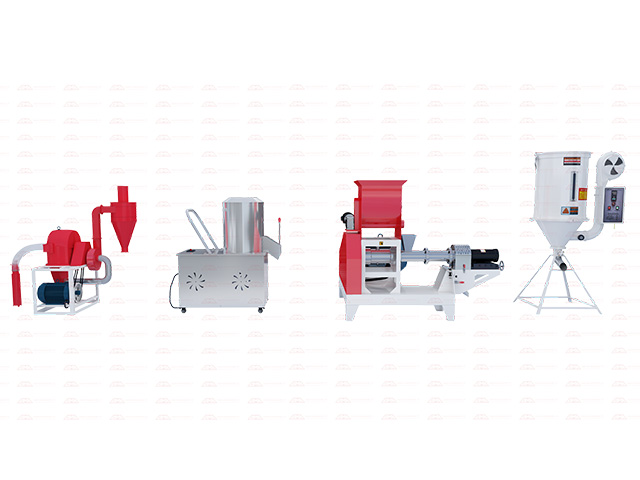
A complete poultry feed production line is a standardized assembly line processing system. Each process is closely connected, directly determining the final feed quality, molding effect and nutritional utilization rate. The following is the universal and practical full-step production process suitable for all types of poultry feed mill equipment.
Raw Material Receiving and Precision Cleaning
As the first core procedure of feed production, this process is responsible for raw material collection and purification. Receive corn, soybean meal, bran, forage powder and various nutritional additives, and conduct comprehensive cleaning through screening, iron removal and dust removal equipment. Thoroughly remove stones, silt, metal fragments and hard straw impurities to avoid equipment damage and feed contamination, ensuring feed hygiene and safety from the source.
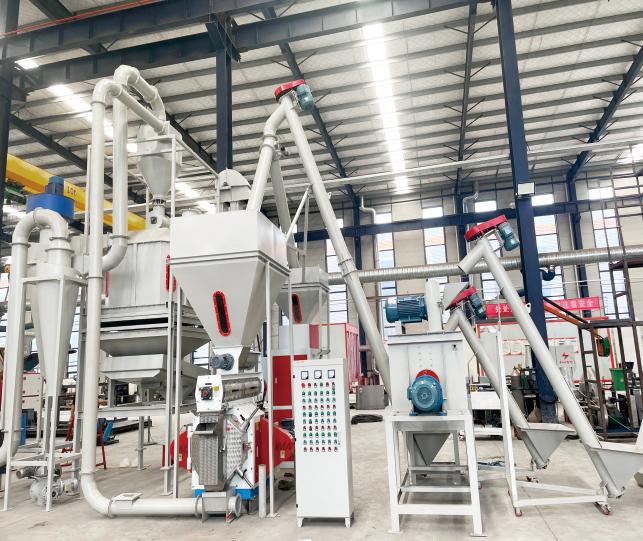
Raw Material Crushing and Refining
Send bulk and whole-grain raw materials to the hammer mill for refined crushing. Control the particle size precisely based on poultry growth stages: 1-2mm for chick feed and 2-4mm for adult chicken, duck and goose feed. All crushed particle sizes must be smaller than the mold aperture. Uniform fine raw materials improve poultry digestion and absorption rate and avoid loose pellets and powder falling problems.
Proportioning and Uniform Mixing
Send proportioned raw materials into horizontal or vertical mixers for full stirring. Adjust mixing time according to material quantity to ensure main materials, auxiliary materials and nutritional additives are fully blended without stratification, caking or local enrichment. Appropriately add water or spray oil during mixing to adjust material humidity and smoothness, ensuring uniform nutrition of each feed pellet and optimizing subsequent molding effects.
High-temperature and High-pressure Pelletizing
Deliver tempered materials to the pelletizer at a uniform speed. Pelletizing is divided into flat die and ring die molding. Under high-pressure extrusion of pressure rollers, materials pass through customized molds to form uniform cylindrical pellets. Flat die equipment is suitable for small-batch intermittent production, while ring die equipment is adopted for large-scale commercial production with higher capacity and better pellet uniformity. Strictly control feeding speed and extrusion pressure to avoid blockage and defective pellets. The standard pellet length is 1.5-2.5 times the mold aperture.
Pellet Cooling and Powder Screening
Freshly made pellets feature high temperature, excessive moisture and soft texture, which cannot be stored directly. Send pellets to cooling and screening equipment for air drying and cooling. Adopt natural or forced air cooling to reduce pellet temperature to room temperature and control moisture content at 12.5%-13.5%, effectively preventing mildew and soft deterioration. Screen out fine powder and broken pellets, and recycle unqualified materials for reprocessing.
Finished Product Packaging and Warehousing
Qualified cooled pellets enter the final packaging process. Automatic production lines complete quantitative bagging, sealing and coding through intelligent packaging machines, while small production lines adopt manual auxiliary packaging. Stack packaged feed neatly and store in dry, ventilated and light-proof warehouses to avoid moisture and mildew. The closed-loop production line realizes standardized, batch and high-quality poultry feed processing.
How to Adjust the Poultry Feed Mill Machine for Better Performance?
Pressure Roller and Mold Gap Adjustment
The gap between pressure roller and mold determines feed compression effect and equipment load. An excessively small gap causes severe component wear and motor overload blockage; an excessively large gap leads to insufficient compression, loose pellets and high dust rate. The standard adjustment range is 0.1-0.4mm. For flat die machines, ensure flexible roller rotation and tight mold fitting; for ring die machines, precisely adjust the gap via the pressure plate. Always test with a larger gap first and gradually tighten to obtain the best pellet molding effect.
Raw Material Moisture Optimization
The optimal moisture content is 13%-20% for flat die equipment and 14%-25% for ring die equipment. Over-dry raw materials cause crispy and dusty pellets, which can be improved by proper water addition or steam tempering. Over-wet raw materials lead to sticky molds and blockage, requiring air drying to reduce moisture. The conventional tempering temperature is 80-85℃, which promotes starch gelatinization and enhances feed adhesion and pellet durability.
Feeding Speed and Compression Ratio Adjustment
Start with low-speed feeding and gradually increase to the rated capacity to avoid motor overload. Control material flow via feed gates and governors to ensure stable and uniform feeding. Increase compression strength for hard raw materials and reduce compression ratio for high-fiber materials to prevent machine blockage.
Mold and Pressure Roller Selection
Select mold apertures according to poultry types: 2.5-3mm for chicks and 4-8mm for adult poultry. Large-aperture molds are not easy to block and have higher productivity; replace severely worn molds and rollers in a timely manner. Control crude fiber proportion: flat die equipment adapts to grass powder proportion ≤55%, and ring die equipment adapts to ≤80% to avoid poor molding caused by excessive fiber.
Auxiliary Parameter Optimization
Adjust belt tightness regularly to prevent slipping and productivity reduction; lubricate bearings timely to lower energy consumption and wear. Keep motor current within the standard range and avoid long-term overload operation. Optimize pellet cooling and screening processes to reduce temperature and moisture rapidly and extend feed storage life. Fine-tune raw material formulas and add compliant binders to further improve pellet quality.
How to Maintain a Poultry Feed Mill Machine?
Regular graded maintenance is essential to extend equipment service life, reduce failure rates and ensure stable production. A complete daily, weekly, monthly and annual maintenance system can maximize equipment performance.
Daily Maintenance
Thoroughly clean residual materials and dust at feed inlets, molds, pressure rollers and outlets after daily operation to prevent material mildew and dry blockage. Visually inspect bolts, belts, molds and rollers for looseness, wear and damage. Lubricate bearing moving parts properly to avoid excessive lubrication and dust accumulation. Check the normal operation of safety protection devices and emergency shutdown functions. Lubricate mold holes with oily materials before shutdown to prevent blockage.
Weekly Maintenance
Comprehensively inspect the tightness and wear of transmission belts, chains and sprockets, and replace aging parts timely. Deeply clean molds and rollers, measure and calibrate roller-mold gaps. Check gearbox oil level and oil quality and replenish oil in time. Clean metal impurities on crusher screens and iron removal magnets to ensure normal impurity removal and screening functions.
Monthly Maintenance
Disassemble and deeply clean mixers, conveyors, granulation bins and cooling equipment to remove internal dirt and accumulated materials. Inspect hammer blade wear and turn over or replace severely worn hammers. Check the wear and offset of elevator hoppers and conveying pipelines. Test circuit and sensor conditions and calibrate the accuracy of batching and weighing equipment. Polish slightly worn molds and rollers, replace severely worn parts and re-run-in the equipment.
Quarterly and Annual In-depth Maintenance
Completely replace gearbox oil and filter elements and conduct in-depth maintenance on the full bearing system. Calibrate the concentricity of belts, pulleys and pressure rollers and adjust the accuracy of all measuring equipment. Conduct an overall inspection of the entire production line to evaluate equipment operation status. Actively replace wearing parts including molds, belts and bearings according to operation time, and contact professional technicians for on-site maintenance when necessary.
How to Select the Right Poultry Feed Mill Machine for Different Production Needs?
Production Capacity Selection Comparison Table
| Breeding Scale | Capacity Range | Recommended Equipment | Application Features |
| Small Family Farming | 50-500kg/h | Flat Die Pellet Mill | Compact size, cost-effective, simple operation and easy maintenance, suitable for small-scale self-use production |
| Medium Breeding Base | 1-5 tons/h | Large Flat Die / Small Ring Die Equipment | Balanced productivity and cost, suitable for large-scale breeding and small commercial feed processing and sales |
| Large Commercial Factory | 5-20 tons/h and above | Ring Die Automatic Feed Production Line | Supports 24-hour continuous operation, large output, stable pellet quality and high automation |
Selection Suggestion: Reserve 20%-30% capacity margin to adapt to later breeding scale expansion. Integrated equipment with crushing, mixing, pelleting and cooling functions is preferred for higher production efficiency.
Flat Die vs Ring Die Equipment Core Comparison Table
| Equipment Type | Applicable Scenarios | Core Advantages | Main Disadvantages |
| Flat Die Feed Equipment | Small-scale farming, intermittent production, self-use | Low purchase and maintenance cost, simple operation, flexible and portable | Fast wear during long continuous operation, average pellet uniformity |
| Ring Die Feed Equipment | Medium and large farms, commercial continuous mass production | High productivity, compact and uniform pellets, wear-resistant, low long-term energy consumption | High equipment cost, complex structure, high technical requirements for operators |
Core Equipment Selection Factors Table
| Selection Dimension | Configuration Type | Application Description |
| Power Mode | Electric Power | Fixed breeding sites, stable power supply, energy-saving and reliable |
| Diesel Power | Remote areas without electricity, suitable for outdoor independent operation | |
| Tractor PTO Power | Mobile farm processing, adaptable to field operation scenarios | |
| Raw Material Adaptability | General / High-fiber Special Type | Match raw materials such as corn, soybean meal and grass powder; high crude fiber formulas require special adaptive models |
| Pellet Quality | Adjustable Aperture Mold | Match different apertures for young and adult poultry; select equipment with stable compression and low dust rate |
| Automation Level | Basic Manual Type | Suitable for small retail farming, low budget and simple operation |
| Semi-automatic Type | Medium farms, with automatic feeding and tempering functions to reduce labor intensity | |
| PLC Full-automatic Type | Large factory assembly lines, intelligent control, labor-saving and standardized production | |
| Site & After-sales | Size, Warranty & Accessories | Reserve ventilation space according to site size; choose regular brands with complete after-sales service and easy-to-purchase accessories to reduce maintenance costs |
Common Operating Problems of Poultry Feed Mill Machines and Solutions
No Discharge or Extremely Low Productivity
Fault Causes: New mold without running-in, blocked mold holes, abnormal raw material moisture content, excessive roller-mold gap, worn parts, belt slipping, insufficient power supply and blocked feeding pipeline.
Solutions: Lubricate and run in new molds with bran and oil mixture; adjust raw material moisture to the standard range; tighten roller gaps and replace worn molds and rollers; fasten or replace aging belts to stabilize voltage; clean blocked feeding ports and pipelines to ensure smooth material transmission.
Equipment Blockage and Stalling
Fault Causes: Excessive raw material moisture, oversized particle size, high fiber proportion, improper roller pressure adjustment, insufficient equipment lubrication and instant overfeeding.
Solutions: Shut down and cut off power immediately, release pressure rollers and clean blocked materials; soak severely blocked molds with diesel for deep cleaning; preprocess raw materials to control particle size, moisture and fiber ratio; calibrate standard roller-mold gaps, lubricate equipment sufficiently and feed materials evenly to avoid overload.
Poor Pellet Quality
Fault Causes: Unreasonable raw material moisture and formula, insufficient binders, incorrect compression ratio and gap debugging, inadequate steam tempering, insufficient starch gelatinization and uneven pressure caused by worn parts.
Solutions: Optimize raw material moisture and add natural binders appropriately; fine-tune roller-mold gaps and compression strength; increase tempering temperature and duration to promote starch gelatinization; replace worn parts and recalibrate equipment operating parameters.
Excessive Finished Product Dust
Fault Causes: Low raw material moisture, insufficient compression strength, uneven raw material mixing, excessive grass powder proportion and inadequate post-pelleting cooling.
Solutions: Properly increase raw material moisture and roller pressure; optimize feed formulas and stir materials evenly to control crude fiber content; extend cooling and screening time to reduce finished product moisture to the standard range.
Abnormal Noise, Severe Vibration and Overheating
Fault Causes: Worn bearings, loose parts, equipment installation deviation, too small roller-mold gap, hard impurities mixed in raw materials, insufficient lubrication and long-term overload operation.
Solutions: Replace worn bearings, fasten all parts and calibrate equipment position; properly enlarge roller-mold gaps; strengthen raw material impurity removal and clean internal foreign matters; fully lubricate equipment, reduce feeding speed and avoid long-term overload operation.
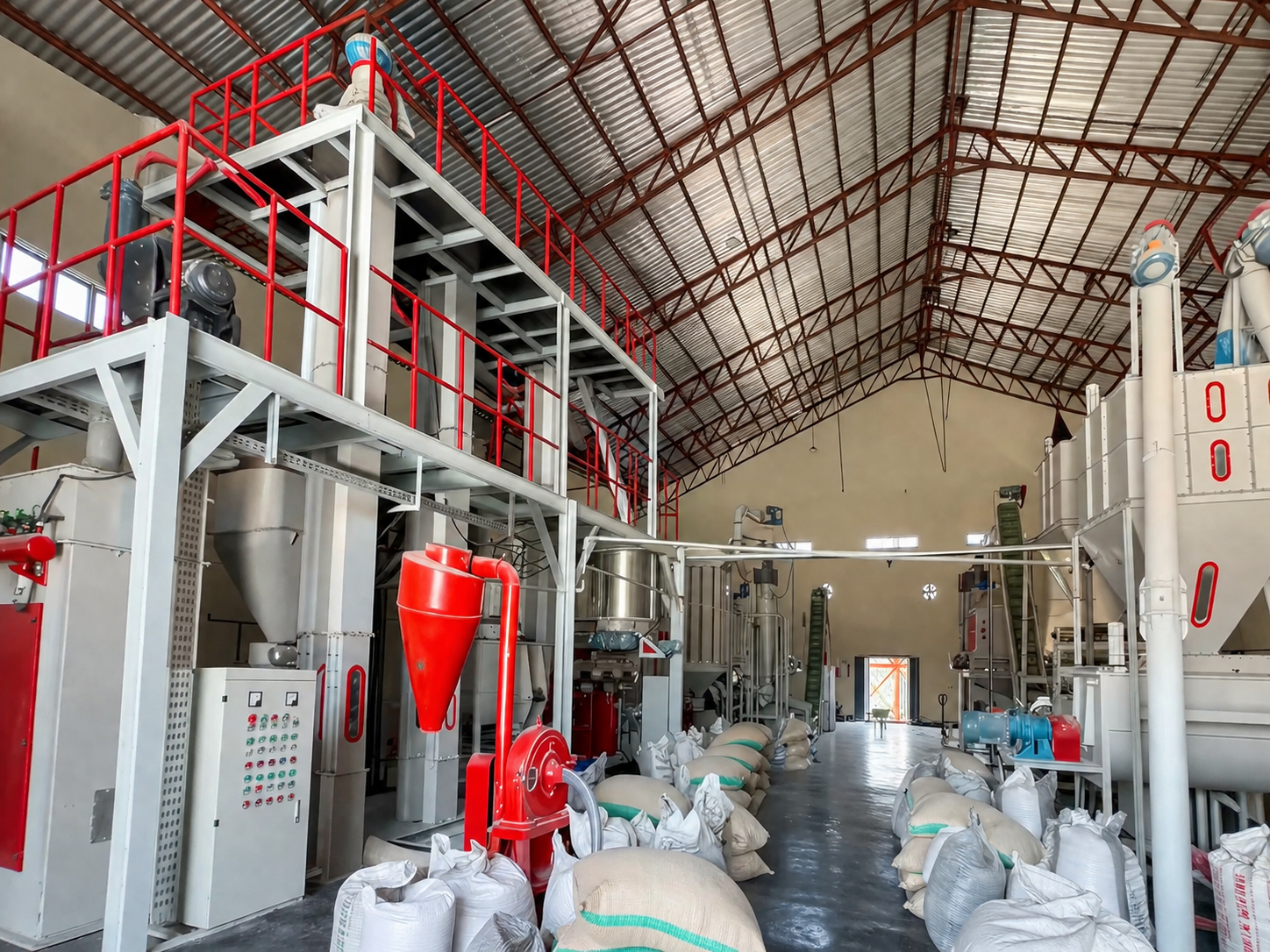
Frequently Asked Questions About Poultry Feed Mill Machines
What is the core function of a poultry feed mill machine?
It processes grains and auxiliary materials into standardized poultry pellet feed through integrated crushing, stirring and pelleting processes. It solves the problems of bulk feed waste, uneven nutrition and poultry picky eating, realizes customized feeding formulas for different growth stages, improves breeding output, and effectively reduces feed purchasing costs to boost breeding economic benefits.
How to choose between flat die and ring die feed mills?
Flat die equipment is suitable for small family farming and intermittent operation with high cost performance and simple maintenance. Ring die equipment is the best choice for large-scale breeding and 24-hour commercial continuous production, featuring larger capacity, more stable pellet quality and lower long-term operation energy consumption.
How to confirm the required equipment capacity?
Small farms adapt to 100-500kg/h equipment, medium bases adapt to 1-5 tons/h equipment, and large commercial factories adapt to 5-20 tons/h production lines. Reserve 20%-30% capacity margin during selection to adapt to future scale expansion and avoid production restrictions.
What is the optimal raw material moisture content for pelleting?
The standard moisture range is 13%-20% for flat die machines and 14%-25% for ring die machines. Low moisture causes loose and dusty pellets, while excessive moisture leads to blockage and mildew. It is recommended to use a moisture meter for accurate detection and adopt steam tempering to optimize material status.
How to maintain the equipment to extend service life?
Adhere to daily cleaning, lubrication and inspection; weekly gap calibration and transmission part maintenance; monthly deep cleaning and wearing parts replacement; quarterly and annual oil replacement and comprehensive equipment calibration. Lubricate molds with oily materials before each shutdown to avoid residual material corrosion and establish a complete preventive maintenance system.
Conclusion
Poultry feed mill machines are essential cost-saving and efficiency-enhancing equipment for modern poultry farming. Standard operation, precise parameter debugging, scientific maintenance and reasonable model selection are the keys to stable equipment operation and high-quality feed production. Matching flat die or ring die equipment according to actual breeding scales and strictly implementing standardized operating procedures can effectively reduce failure rates and operation costs, optimize pellet feed quality, and finally realize high-efficiency and high-benefit poultry breeding production.