Comprehensive Maintenance Guide for Ring Dies in Feed Pellet Production
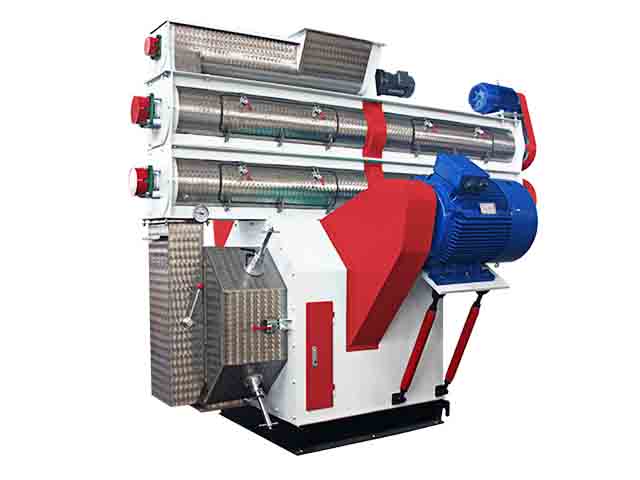
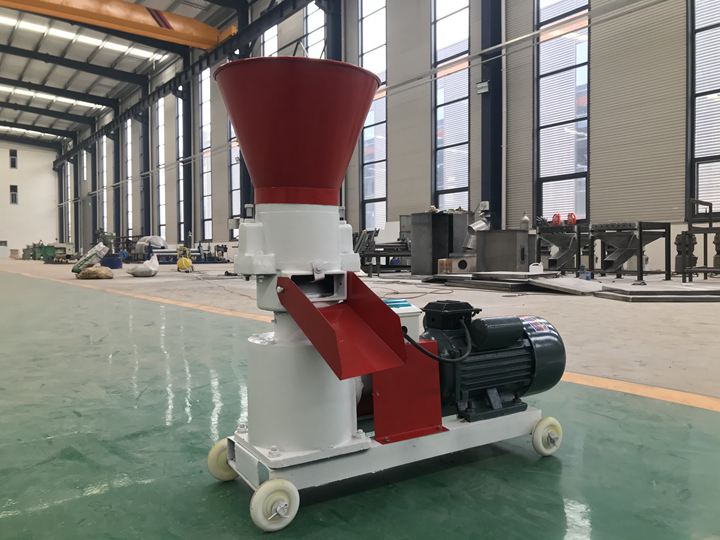
In the industrial production of livestock, poultry and aquaculture feed, pelletisers directly determine the quality of the finished product and production efficiency, with ring dies and flat dies being the core precision wear parts of the equipment. Relying on the high-temperature, high-pressure extrusion action of high-precision die holes and pressure rollers, ring dies can compress conditioned powdered feed into standard pellets. They are key components for ensuring feed pelletisation quality, hardness specifications and nutritional stability, whilst also being one of the core consumables with the highest cost of consumption in feed mills.
The service life of ring dies is entirely dependent on material conditions, equipment parameters and the quality of routine maintenance. Proper maintenance can ensure stable operation for 500–2,000 hours, whilst improper operation and lack of maintenance can rapidly lead to die hole wear, frequent die blockages and premature scrapping, directly driving up production costs per metric tonne of feed, reducing pellet pass rates and lowering equipment uptime. Currently, most feed enterprises prioritise production over maintenance, consistently neglecting fundamental tasks such as ring die cleaning, gap calibration and operating condition control. This makes them highly susceptible to problems such as high powderisation rates, excessive energy consumption and unplanned downtime, resulting in significant waste of production capacity and consumables.
I. Routine Maintenance of Ring Dies for Feed Pelletisers
I. The Core Value of Routine Maintenance for Feed Pelletiser Ring Dies
Ring dies are not merely consumable components; their operational condition permeates the entire feed production process. Whilst daily maintenance may appear straightforward, it actually generates long-term benefits for feed mills across four key dimensions: cost, quality, equipment safety and production stability. It represents the most cost-effective management aspect within feed equipment operations and maintenance.
Reducing Overall Production Costs
Ring dies are high-value precision components; as they are custom-made, their procurement costs are relatively high. Frequent premature scrapping and replacement directly drive up the fixed consumables costs of feed production. Standardised daily maintenance, regular servicing and optimisation of operating conditions can effectively slow the rate of ring die wear, maximising their service life and reducing the frequency of new die procurement at source. At the same time, poor ring die condition indirectly accelerates wear on associated components such as press rollers, bearings and clamping fixtures, creating a chain reaction of wear and tear. Proper ring die maintenance can simultaneously reduce replacement and repair costs for the entire machine’s components, thereby significantly lowering the overall consumables cost per metric tonne of feed produced.
Stable Feed Pellet Quality
A well-maintained ring die features uniform hole diameters, smooth inner walls and standard guide angles. The feed pellets extruded from such a die are of uniform hardness, high formation quality and low powderisation rate; they are less prone to breakage during transport, storage and feeding, thereby effectively reducing material wastage. Conversely, a ring die that is worn, blocked or deformed will result in pellets of inconsistent size and density that are loose and brittle, significantly increasing the proportion of powdered material in the finished product.
Furthermore, a high-quality ring die operating in optimal condition ensures stable pressure and temperature during the extrusion process, promoting thorough gelatinisation of the starch in the feed and allowing the nutritional components to bind more tightly. According to industry test data, a well-maintained chrome-plated ring die retains approximately 15% more feed nutrients than an aged, poorly maintained one, effectively enhancing feed palatability and digestibility, thereby helping to improve the quality and efficiency of livestock, poultry and aquaculture farming.
Improving Production Efficiency
Ring die blockages, uneven wear, deformation and jamming are among the primary causes of sudden shutdowns in feed pelletisers. Unplanned downtime not only interrupts continuous production, but the process of restarting and recalibrating the machine also generates a significant amount of waste, severely affecting production schedules.
Regular maintenance allows potential issues with the ring die to be identified in advance, preventing faults such as blockages, cracks and machine jams, thereby ensuring continuous and stable output and maintaining rated production capacity. Furthermore, a ring die in good condition offers lower operating resistance and reduces the load on the equipment’s motor, effectively lowering electricity consumption during production and achieving energy-efficient operation.
Mitigating Equipment Safety Risks
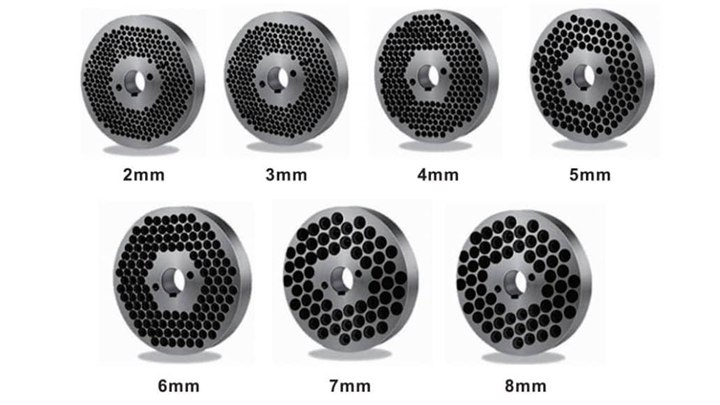
Ring dies that have been neglected for long periods may develop uneven surfaces, severe localised wear and uneven stress distribution. During operation, this can lead to violent vibrations and abnormal noise, which not only affect the stability of the equipment but may also result in safety hazards such as cracking of the ring die and the detachment of fragments. This can easily damage internal components of the machine and may even lead to production safety incidents. Regular maintenance and inspections enable the timely detection of issues such as hairline cracks, material build-up and embedded metallic foreign objects, allowing potential hazards to be addressed in advance. This ensures safe equipment operation whilst reducing mechanical fatigue and extending the service life of the entire pelletiser.
II. Key Causes of Ring Die Wear in Feed Pelletisers
Ring die wear results from the combined effect of multiple factors, including high-pressure friction, high-temperature ageing, mechanical stress and material conditions. The vast majority of ring dies are scrapped prematurely not because they have reached the end of their natural service life, but due to abnormal wear caused by prolonged poor operating conditions and improper operation. Only by accurately identifying the causes of wear can targeted preventive measures be implemented to extend the service life of the ring die at source.
High Levels of Impurities in Raw Materials
Impurities in feed raw materials—such as crude fibre, hard materials that have not been sufficiently ground, silt, and silica—are the primary factors exacerbating ring die wear. During the extrusion process, these hard, high-friction materials continuously abrade the inner walls of the die holes. Prolonged operation leads to scratches, pitting, an increase in hole diameter, and wear and collapse of the hole edges. Some feed mills do not screen their raw materials rigorously enough; the presence of small stones and sand grains in the material significantly increases the wear rate of the ring die, leading to poor pellet formation and a sharp rise in the powderisation rate within a short period.
Localised damage caused by embedded metallic foreign objects
During production, metal debris resulting from equipment wear, as well as foreign objects such as iron nails, iron wire and metal particles mixed in during the harvesting and processing of raw materials, may enter the pelletiser if upstream magnetic separators and screening equipment fail to remove them promptly. Hard metal foreign objects are far harder than the ring die material; during the extrusion process, they can become embedded directly in the die holes or scratch the working surface of the ring die, causing localised dents, cracks and scratches. This results in irreversible localised damage, whilst also leading to uneven stress distribution on the ring die, thereby accelerating overall ageing and wear.
Imbalances in the moisture content of feed materials
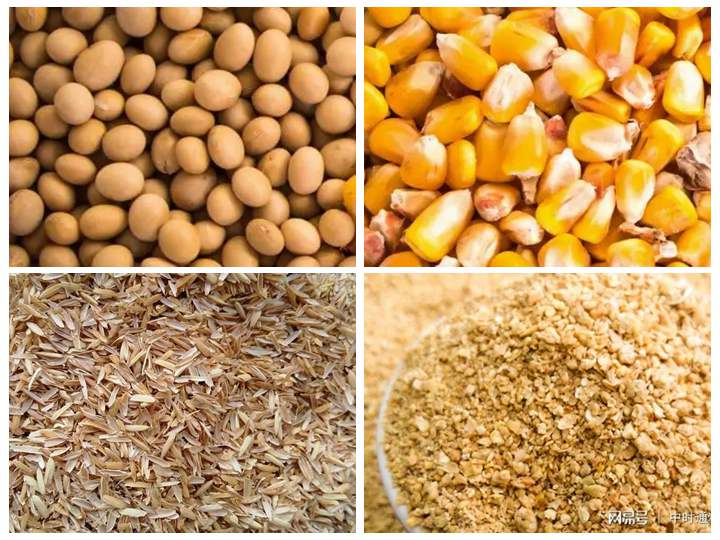
Moisture content is a key parameter affecting ring die wear and pellet formation. Industry standards specify that the optimal moisture content of conditioned feed is 14%–16%; levels that are too high or too low will have adverse effects. When the moisture content is too low, the powder becomes dry and coarse, significantly increasing frictional resistance during extrusion. This causes the operating temperature of the equipment to rise sharply, accelerating wear on the inner walls of the die holes and metal thermal fatigue ageing; When the moisture content is too high, the feed becomes excessively sticky and tends to adhere to the interior of the die holes, forming build-up. Once this hardens over time, it becomes difficult to remove, not only causing die blockages but also leading to corrosion and deformation of the die holes, thereby compromising forming accuracy.
Improper adjustment of the gap between the pressure roller and the ring die
The gap between the pressure roller and the ring die is a core parameter in the commissioning of pelletisers; the gap value directly determines the extrusion pressure and the load on the equipment. If the gap is too small, direct metal-to-metal contact between the pressure roller and the ring die will occur, resulting in high-intensity, hard friction. This will cause severe wear, overheating and deformation of the ring die’s working surface within a short period of time; if the gap is too large, the extrusion pressure on the material will be insufficient, resulting in loose pellets. At the same time, the ring die’s working surface will be subjected to uneven forces, with excessively high local loads, leading to problems such as collapse of the die hole edges and uneven wear on the working surface, which will significantly reduce the service life of the ring die.
Substandard material conditioning and steam quality
Adequate steam conditioning softens feed powder, promotes starch gelatinisation, reduces the difficulty of extrusion, and lessens the operational load on the ring die. If steam pressure is unstable, steam volume is insufficient, or conditioning time is inadequate, the material cannot be sufficiently softened and gelatinised; hard-textured powder will significantly increase the extrusion burden on the ring die and heighten the degree of frictional wear. At the same time, excessive conditioning renders the material too viscous, making it highly prone to sticking and blocking the die holes, which in turn leads to subsequent wear and malfunctions.
Equipment operating under overload
Many feed mills, in an effort to increase production capacity, operate pelletisers at excessive loads over extended periods, exceeding the rated load capacity of both the equipment and the ring die. This results in excessive overall stress on the ring die, accelerating fatigue wear. Furthermore, fluctuating feed rates and uneven material feeding result in uneven stress distribution across the ring die, leading to issues such as localised high-intensity wear, indentations on the working surface and uneven wear of the die holes; over time, this renders the ring die unusable.
Wear caused by hardened material build-up
Failure to promptly clear residual material from the die holes after production, a lack of regular deep cleaning and the omission of oil flushing are the most common operational and maintenance issues in small and medium-sized feed mills. Residual feed left to stand overnight in the die holes will dehydrate and harden, becoming rock-hard. When production resumes, this hardened material will rub violently against the new feed and the inner walls of the die holes. Not only does this make die blockages highly likely, but it also continuously erodes the precision of the die holes, leading to deformation of the hole diameter and rough inner walls, thus creating a vicious cycle.
Improper installation and handling procedures
Ring dies are precision components that are prone to breakage. Careless knocks or drops during handling, violent hammering during installation, uneven bolt torque, or a dirty and contaminated mounting surface can all lead to misalignment of the ring die and excessive vibration during operation, resulting in localised fatigue cracks and uneven wear. Furthermore, bolts that are not sufficiently tightened can cause the ring die to wobble during operation; prolonged vibration will exacerbate die hole deformation and wear on the working surface, significantly shortening its service life.
Mismatch between ring die selection and production material
Different feed formulations and production capacity requirements call for ring dies with different compression ratios, hole diameters and materials. If the compression ratio of the selected ring die does not match the material properties, or if inferior ring dies made of low-grade materials and未经专业热处理 are used, problems such as rapid wear, poor pellet formation and susceptibility to die blockages will occur even under standard operating conditions, making it impossible to meet the demands of long-term, stable production.
III. Standard Practical Cleaning Procedure for Feed Pellet Mill Ring Dies
Cleaning is the fundamental and core task of daily ring die maintenance, and is also key to preventing die blockages, delaying wear and ensuring consistent pellet quality. Improper cleaning methods can compromise the precision of the die holes and cause corrosion of the ring die, whereas a systematic and standardised cleaning procedure can thoroughly remove residual material, protect the inner walls of the die holes, and effectively extend the service life of the ring die.
Safety Preparations Before Cleaning
All cleaning operations must comply with the equipment’s safety operating procedures. First, shut down the machine, disconnect the power supply, and carry out the lockout and tagout procedure to prevent safety accidents caused by accidental start-up. Cleaning must not be carried out immediately after the equipment has been shut down; it is necessary to allow the ring die to cool naturally to avoid thermal stress deformation caused by cleaning whilst the equipment is still hot, and to prevent burns from high temperatures. Depending on the structure of the equipment model, the ring die may be dismantled for cleaning to ensure all areas are thoroughly cleaned. The dismantling process must strictly follow the equipment manufacturer’s operating manual to avoid damaging components through forceful removal. Prepare the appropriate cleaning tools in advance, including non-metallic soft-bristle brushes, compressed air guns, plastic scrapers, specialised non-corrosive cleaning agents and protective gloves. The use of hard tools such as wire brushes or metal scrapers is strictly prohibited.
Preliminary cleaning of loose surface material
Once preparations are complete, first use a compressed air gun to thoroughly blow out the working surface of the ring die and all die holes, removing loose feed powder, debris and dust from the surface. For minor localised material residues, gently scrub with a soft-bristled brush, applying gentle pressure throughout to avoid friction damage to the inner walls of the die holes and the working surface. This step is primarily used for basic cleaning at the end of each production shift to quickly remove surface debris and prevent material residues from hardening.
Oil-Based Flushing for Routine Maintenance
Oil flushing is a standard maintenance practice widely adopted across the industry, suitable for routine maintenance after each shift shutdown and before restarting the machine. Mix fine sawdust or bran with waste engine oil or specialised equipment maintenance oil at a ratio of 10%–20%. After stirring thoroughly, feed the mixture into the pelletiser and run the machine empty for 5–10 minutes. The oil mixture will flow through all die holes, flushing out minute material residues whilst forming a uniform protective oil film on the inner walls of the die holes. This not only prevents material residues from hardening but also isolates them from air oxidation, thereby preventing rust and corrosion of the ring die, whilst simultaneously polishing the inner walls of the die holes to reduce frictional resistance in subsequent production.
Deep Cleaning of Stubborn Material Buildup
For ring dies that have not been cleaned for a long time and contain large amounts of hardened material or are slightly blocked, deep cleaning is required. Place the disassembled ring die in a specialised, non-corrosive cleaning solution to soak, thoroughly softening the hardened material inside the die holes. After soaking, gently clear and clean the die holes from both ends using a soft non-metallic rod or a soft-bristled brush. For stubborn deposits embedded deeply within the die bore, gently pry them out from the outer side of the bore; under no circumstances should forceful drilling or reaming be carried out, to avoid damaging the original bore diameter and precision. Once cleaning is complete, rinse thoroughly with clean water or a specialised solvent, then allow to air dry completely to prevent rust caused by residual moisture.
Surface Repair and Protective Finishing
During the deep cleaning process, simultaneously inspect the condition of the ring die’s working surface. If minor burrs or slight uneven wear are present, perform light polishing to restore the surface flatness. For the entry guide angle of the die bore that has become flattened due to wear, re-chamfer it to optimise material flow and reduce extrusion resistance. Once all cleaning and repairs are complete, apply an even coat of anti-rust maintenance oil, or run a small amount of oil mixture through the die holes again to fill them and form a protective layer, before reinstalling the die or storing it in the warehouse.
Cleaning Frequency and Key Precautions
Basic blow-down and oil flushing must be carried out at the end of every production shift; deep soaking cleaning should be carried out once a week, or promptly when die blockages occur frequently or discharge efficiency drops significantly. During the cleaning process, the use of strong acidic or alkaline corrosive cleaning agents is strictly prohibited. Do not direct high-pressure water jets at the die holes, as this may cause corrosion or erode the precision of the die holes; do not install the die directly onto the machine whilst moisture remains, to prevent oxidation and rusting of the ring die. Furthermore, whilst cleaning the ring die, the upstream iron removal and screening equipment must be cleaned simultaneously to prevent impurities from re-entering the equipment and causing secondary contamination.
IV. Comprehensive Prevention Plan for Ring Die Blockages in Feed Pelletisers
Ring die blockages are the most common fault in feed production and have the greatest impact on production capacity. Not only do blockages require the machine to be shut down and dismantled for cleaning—wasting significant manpower and resources—but repeated blockages also accelerate die hole wear, deformation and scrapping, thereby substantially increasing production costs. Ring die blockages can be comprehensively prevented through multi-dimensional measures such as raw material control, operating condition adjustment and operational maintenance management, thereby reducing the incidence of faults at source.
Strict Control of Raw Material Quality and Impurities
Precisely control the moisture content of the feed material; after conditioning, strictly maintain the moisture content of the feed powder within the 12%–16% range, fine-tuning according to different feed formulations to prevent the material from being too dry (causing excessive friction) or too wet (leading to stickiness and die blockages). Standardise the particle size of the material to ensure uniform fineness of the powder, thereby completely eliminating blockages caused by coarse fibre clumps or large particles. The raw material impurity removal process is enhanced; magnetic separators and screening equipment are cleaned regularly to thoroughly remove metallic impurities,碎石 and hard lumps from the material, thereby preventing hard foreign objects from jamming the die holes. For feed formulations with high fibre and high starch content that are prone to swelling and die blockages, specialised pelletising additives may be added in appropriate quantities to optimise material moulding and reduce the likelihood of die blockages.
Standardised control of conditioning and steam parameters
Stable steam conditioning is key to preventing die blockages. During production, ensure stable steam pressure and temperature; an adequate steam supply will fully soften the powder and gelatinise the starch, allowing the material to pass through the die more smoothly and reducing the likelihood of it adhering to the die holes. Eliminate issues caused by insufficient steam or inadequate conditioning, such as hard material that is difficult to shape, whilst also avoiding excessive conditioning that leads to overly viscous material and die blockages due to accumulation. Depending on production capacity and material characteristics, dynamically fine-tune the conditioning time to ensure the material’s hardness and viscosity are optimised for pelletisation.
Implement a system for flushing with oil and feedstock at start-up and shutdown
Before starting up brand-new ring dies or those that have been idle for a long period, it is essential to run a mixture of oil and feedstock for 5–15 minutes to polish and lubricate the die holes, eliminating dry friction and preventing die blockages caused by dry extrusion of material immediately after start-up. At the end of each production batch and before shutting down the equipment, it is strictly prohibited to stop the machine by simply cutting off the material supply. The die holes must be flushed with an oil-feed mixture to thoroughly remove residual material and form a protective oil film on the inner walls of the die holes, thereby preventing residual material from hardening and caking. During routine production, 1–2 per cent edible oil can be added to the feed powder to provide internal lubrication and reduce the likelihood of the material sticking to the die holes.
Precise adjustment of equipment operating parameters
Before starting the machine each day, precisely calibrate the gap between the pressure rollers and the ring die. Fine-tune the parameters according to the characteristics of the material and the wear status of the ring die to eliminate die blockages and poor moulding caused by improper gaps. Operate strictly within the equipment’s rated capacity; prolonged overloading is prohibited. Ensure a uniform and stable feed rate to avoid material accumulation and die blockages caused by fluctuating feed speeds. Monitor the motor load and ring die temperature in real time during production. Should any warning signs—such as a sudden rise in temperature, abnormal current readings or a sudden drop in output—occur, shut down the machine immediately to investigate and address potential die blockage risks proactively. At the same time, adjust the positions of the cutting blades and deflector plates appropriately to ensure uniform extrusion of the material and prevent localised build-up and blockages.
Routine Inspections and Rotational Maintenance
Adhere to cleaning and inspection procedures during every shift, promptly clearing initial material build-up and minor blockages from the die holes to prevent minor issues from escalating into serious die blockages. Rotate the ring die every 200–250 hours of operation to ensure uniform wear across the working surface and avoid output disruptions or die blockages caused by uneven localised wear. Keep spare ring dies in stock at all times. Idle ring dies should be coated with anti-rust oil, sealed and stored in a dry, well-ventilated area, ready for immediate replacement and maintenance without disrupting normal production. At the same time, strengthen operator training to ensure they are proficient in identifying equipment abnormalities, enabling them to quickly anticipate the early signs of die blockages and intervene promptly.
V. Criteria for the Maintenance and Replacement of Ring Dies in Feed Pelletisers
Ring dies are repairable consumables; minor wear and localised faults can be rectified through refurbishment to restore performance, thereby significantly reducing replacement costs. However, ring dies that are severely aged or structurally damaged must be replaced promptly to prevent a decline in product quality, soaring energy consumption and frequent equipment failures caused by continued production. Accurately distinguishing between when to repair and when to replace is key to cost control in feed mills.
Operating Conditions Suitable for Refurbishment
After 300–600 hours of operation, if the ring die exhibits slight, superficial wavy wear on the working surface or minor unevenness, but the die holes remain intact with no deformation or enlargement, it can be restored to service through polishing and chamfering. If there is a small amount of hardened material build-up or minor blockages within the die holes, these can be rectified through deep cleaning and professional unblocking, provided there is no permanent damage to the die holes. If the edges of the die holes exhibit slight flanging or burrs, with no cracks or collapse, grinding and polishing can restore smooth material flow. Where there is a slight decline in production capacity and a modest increase in powderisation rate (5%–15%), but overall production conditions remain stable with no frequent die blockages or jamming, professional refurbishment should be the preferred option, as it offers far better value for money than replacing the die outright.
Conditions under which a new die must be replaced
The die holes show severe wear, with a noticeable increase in diameter and distortion of the hole profile; the compression ratio has completely failed. The extruded pellets are loose, brittle and of inconsistent size, and the situation cannot be improved even by adjusting operating conditions. The working surface of the ring die exhibits deep indentations and extensive wavy wear, exceeding the wear threshold permitted by the equipment manufacturer. The compression rollers are unable to make uniform contact with the working surface, resulting in a significant drop in production capacity and a continuous rise in energy consumption. Visible cracks appear on the ring die, along with cracks in the bolt holes and extensive pitting, posing structural safety hazards that cannot be rectified. The pulverisation rate of finished pellets consistently exceeds 10–15 per cent, resulting in a significant drop in production capacity and an abnormally high increase in electricity consumption; no improvement is observed even after all operating parameters have been properly adjusted. The ring die has reached its rated service life (500–2,000 hours, determined by material and operating conditions); normal production performance cannot be restored even after flipping, commissioning and repair. Under standard maintenance conditions, die blockages and machine jams still occur frequently, indicating that irreversible damage has occurred inside the die holes, necessitating immediate replacement.
Scientific Decision-Making Principles for Repair and Replacement
During routine production, continuously record key data such as the ring die’s operating time, tonnage produced, pellet powderisation rate, equipment energy consumption and frequency of die blockages. Use changes in these data to predict the ring die’s ageing status. During cleaning and inspection, focus on checking the die bore diameter, working surface flatness and structural integrity to accurately assess the extent of damage. Compare the costs of refurbishment and repair with the cost of purchasing a new die, and, taking into account the remaining service life and downtime losses, select the optimal solution. Adhere to preventive maintenance by rotating the ring die every 200–250 hours, and prioritise the use of new ring dies with new press rollers to maximise equipment performance. Under no circumstances should ring dies with cracks or severe damage be operated whilst faulty, thereby preventing equipment failures and safety incidents.
VI. Standardised Daily Maintenance and Inspection Checklist for Feed Pellet Mill Ring Dies
Standardised daily inspection and maintenance are essential for preventing ring die failures, extending service life and ensuring stable production. Establishing a three-stage maintenance process—before, during and after each shift—can completely eliminate missed maintenance and operational errors, thereby ensuring the long-term, stable operation of the ring dies.
Pre-shift Inspection and Maintenance
Visually inspect the overall condition of the ring die, checking for surface cracks, dents, trapped material and foreign object residues; use a compressed air gun to remove surface debris. Precisely calibrate the clearance between the pressure roller and the ring die to prevent metal-to-metal contact and clearance imbalances. Thoroughly clean the front-end magnetic iron remover and screening equipment, confirming that the impurity removal functions are working correctly to prevent foreign objects from entering the machine. Flush the machine for 5–10 minutes with a mixture of oil and lubricant whilst it is running empty to lubricate and polish the die holes, thereby preparing the machine for start-up. Check the operating condition of the steam system and adjust the moisture content of the feed to the optimal range of 14%–16% to ensure effective conditioning.
Dynamic Monitoring During Production
Monitor the equipment’s motor current, operating temperature and discharge rate in real time; in the event of abnormal fluctuations, shut down the machine promptly to investigate. Continuously observe the quality of the finished pellets and fine-tune equipment parameters based on hardness, pulverisation rate and uniformity. Listen for unusual noises during operation and observe the equipment’s vibration levels; in the event of abnormal noises or severe vibration, promptly investigate potential issues such as ring die misalignment, material build-up or wear. Ensure uniform and stable feeding throughout the process, and prevent overloading or erratic operation.
Cleaning and Maintenance After Shutdown
Upon completion of production, prioritise flushing the die holes with an oil-based mixture to thoroughly remove internal material residues and form a protective oil film. Shut down the equipment and disconnect the power supply in accordance with standard procedures; after allowing the ring die to cool naturally, carry out a comprehensive visual inspection. Remove any embedded metal foreign objects or hardened material build-up from the die holes, and check the wear condition of the working surfaces. If the equipment is to be left idle for an extended period, apply a uniform coat of anti-rust oil for protection and store it in a sealed environment. Keep detailed records of the shift’s operating duration, production tonnage, equipment anomalies and maintenance activities to establish a comprehensive operation and maintenance log. At the same time, lubricate the press roller bearings in accordance with specifications, check the torque of the ring die bolts, and clear dust and debris from around the equipment.
VII. Common Misconceptions and Hazards in Ring Die Maintenance for Feed Pelletisers
The premature scrapping and frequent malfunctions of most ring dies are not due to issues with the quality of the equipment or components, but rather result from habitual operational errors during daily maintenance. Whilst these misconceptions may seem minor, their long-term accumulation can cause irreversible damage to the ring die, significantly increasing production costs.
Neglecting the oil flushing procedure at start-up and shutdown
To save time, many operators omit the oil flushing steps at start-up and shutdown, instead commencing production immediately or halting the machine by simply cutting off the feed. Residual material hardens and forms lumps within the die holes; when the machine is restarted, this hardened material exacerbates friction and wear in the die holes, whilst frequently causing die blockages. This is the primary cause of premature ring die failure.
Omitting routine cleaning, leading to the accumulation of residual material
Failure to clean residual material from the die holes promptly at the end of each production shift allows material to accumulate and solidify over time. This alters the surface roughness and bore diameter accuracy of the die holes, resulting in poorer pellet formation and an increased pulverisation rate. At the same time, it continuously exacerbates localised wear, creating a vicious cycle where blockages lead to increased wear, and increased wear leads to further blockages.
Improper handling and storage of ring dies
Careless knocks and violent prying during the handling of ring dies, as well as storing them directly on the floor or in damp environments without applying protective oil, can lead to physical deformation, surface rust and micro-cracks. Once installed and in operation, this results in increased vibration and uneven wear, significantly shortening their service life.
Failure to Calibrate the Clearance Between the Press Roll and Ring Die Over Time
Some plants calibrate the clearance once during commissioning but fail to re-examine or fine-tune it over the long term. As the ring die and press roll wear down, the clearance gradually becomes unbalanced, leading to issues such as metal-on-metal friction or insufficient compression. This directly causes rapid wear of the ring die and a decline in pellet quality.
Neglecting the cleaning of upstream impurity removal equipment
Failure to clean magnetic separators and screening equipment over extended periods allows metal shavings, sand, gravel and hard impurities to continuously enter the equipment. These repeatedly scratch and impact the die holes, causing localised pitting, scratches and blockages, which severely compromise the precision of the ring die.
Haphazard control of material moisture content and conditioning parameters
Fluctuating material moisture levels and unstable steam conditioning subject the ring die to prolonged exposure to harsh operating conditions characterised by alternating friction overload and sticking/blockage. This doubles the wear rate whilst causing extreme instability in pellet quality and a significant increase in wastage.
Failure to rotate the ring die when due leads to severe localised wear
Prolonged use of the ring die on one side only, without timely rotation and rotation, leads to excessive wear on one side of the working surface, resulting in unevenness and collapse of the die holes. This significantly reduces overall utilisation and causes the die to reach the end-of-life standard prematurely.
Operating with faults and excessively straining the ring die’s service life
In an effort to save on procurement costs, continuing to force the ring die into service despite severe wear, frequent blockages and a significant decline in pellet quality not only continuously increases energy consumption and material wastage but may also trigger safety incidents such as ring die rupture and equipment damage—making it a case of ‘penny wise, pound foolish’.
VIII. Practical Techniques for Extending the Service Life of Ring Dies in Feed Pelletisers
There is no fixed upper limit to the service life of ring dies; by implementing standardised and systematic operational and maintenance management, their service life can easily be extended by over 30 per cent, significantly reducing a feed mill’s consumables costs and downtime losses. Drawing on practical industry experience, we have compiled a set of highly practical techniques for extending service life.
Optimising Raw Material Pre-processing
Standardise the particle size of raw materials to eliminate large particles and clumps of coarse fibre; rigorously screen out impurities and regularly maintain magnetic separators and screening equipment to thoroughly remove hard foreign matter; precisely control the moisture content of conditioned material to a stable level of 14%–16%, thereby reducing the frictional load on the ring die at source.
Strictly Implement the Oil Flushing Maintenance Regime
Standardise oil flushing procedures for start-up and shutdown; new and idle machines must undergo pre-flushing; thoroughly clean the die holes and protect the die during each shift’s shutdown to maintain smooth, residue-free and rust-free inner walls of the die holes, thereby continuously reducing operational wear.
Daily calibration of the working clearance between the pressure rollers and the ring die
Incorporate clearance calibration into the mandatory daily start-up procedure. Make dynamic fine adjustments based on the material and the wear condition of the ring die to ensure moderate extrusion pressure and uniform force distribution, thereby eliminating issues of excessive friction and insufficient extrusion. New pressure rollers must be replaced simultaneously with new dies.
Stabilise steam conditioning production conditions
Ensure stable steam pressure, temperature and conditioning time to allow the material to soften and gel fully, thereby reducing the extrusion load on the ring die, minimising frictional heat generation and material adhesion, and stabilising product quality whilst delaying die ageing.
Adhering to Routine Cleaning and Thorough Inspections
Cleaning is carried out every shift, with weekly deep maintenance and regular comprehensive inspections. Accumulated material and foreign objects are promptly removed, whilst fine cracks and potential wear hazards are identified, ensuring minor issues are addressed early to prevent small faults from escalating into irreversible damage.
Regular rotation to ensure even wear
Strictly adhere to the standard of rotating the die once every 200–250 hours to ensure uniform wear across the entire working surface of the ring die, thereby avoiding excessive localised wear, maximising the die’s overall performance and extending its service life.
Scientific addition of lubricating pelletising additives
Add appropriate quantities of edible oils and specialised pelletising additives in accordance with the feed formulation to improve material flow and lubricity, reduce frictional resistance between the material and the die holes, minimise sticking and wear, whilst simultaneously enhancing pellet formation quality.
Real-time monitoring of production parameters with dynamic adjustments
Monitor core data such as equipment temperature, current, production capacity and pulverisation rate throughout the process; promptly investigate and adjust in the event of anomalies to prevent accelerated ring die wear caused by equipment overload or operational imbalances.
Selecting the appropriate ring die model and material
Based on feed formulations, production capacity requirements and material characteristics, select high-quality ring dies with suitable compression ratios, pore sizes and materials. Ring dies with high wear resistance and proper heat treatment, tailored to specific operating conditions, reduce wear rates at the hardware level.
Standardising operator procedures and establishing maintenance logs
Conduct regular training for operators to eliminate non-compliant operations, rough handling and overloading; Establish comprehensive operation and maintenance logs to record operating hours, maintenance history and faults; optimise operational and maintenance plans through data analysis to achieve refined management.
Make appropriate use of professional refurbishment and repair services
For ring dies with moderate wear, do not replace them indiscriminately; instead, opt for refurbishment and repair by specialist manufacturers. Through processes such as polishing, chamfering and hole profile restoration, the performance of the ring dies can be restored, significantly extending their overall service life and reducing procurement costs.
Standardise handling and storage to prevent secondary damage
Handle ring dies with care during transport; avoid knocks and impacts at all costs. When not in use, thoroughly clean and oil the ring dies for protection before storing them in a dry, well-ventilated and level environment to prevent rust, deformation and cracking.
Conclusion
The maintenance of ring dies for feed pelletisers is a systematic, routine and meticulous fundamental task. Whilst it does not involve complex technical barriers, its value lies in consistency and adherence to standardised procedures. As a core consumable in feed production, the maintenance of ring dies is directly linked to a feed mill’s production costs, product quality, production efficiency and equipment safety. Issues faced by most enterprises—such as short ring die lifespans, frequent die blockages and inconsistent quality—can be thoroughly resolved through standardised cleaning, inspections, operational condition monitoring and maintenance to extend service life.
By moving away from the traditional mindset of prioritising production over maintenance, and establishing a comprehensive operational and maintenance system comprising daily inspections, regular upkeep, scientific repairs and precise replacement, whilst avoiding common operational pitfalls and implementing various techniques to extend service life, it is possible not only to effectively prolong the service life of ring dies and significantly reduce the costs of replacing consumables and equipment downtime, but also to ensure consistently stable feed pellet quality, improve the pass rate of finished feed products and enhance livestock farming profitability, thereby laying a solid equipment foundation for large-scale, standardised and low-cost production at feed mills.