How to Improve the Durability of Feed Pellets
In the large-scale production of livestock, poultry, aquaculture and pet feed, pellet durability is a key physical indicator that determines the quality of the finished feed, its stability during storage and transport, and its utilisation rate in animal husbandry. Many feed mills commonly face challenges such as brittle pellets, high levels of dust in the finished product, crumbling during storage and transport, and stratification during feeding. These issues not only lead to raw material wastage, increased rework rates and higher production costs, but also trigger farming problems such as selective eating, digestive disorders and insufficient feed intake in livestock and poultry, directly affecting the economic returns of livestock farming. Therefore, systematically optimising feed pellet durability and consistently improving the PDI index are key to reducing costs, enhancing efficiency and boosting the market competitiveness of feed products.
What Is Feed Pellet Durability?
Feed pellet durability refers to the core capability of various types of pelletised feed—including those for livestock, poultry, aquaculture and pets—to withstand external forces such as physical compression, friction, impact and shear throughout the entire process of cooling, handling, conveying, screening, bagging, storage, transport and feeding, without suffering excessive breakage or wear, thereby minimising the generation of dust and fine particles. The industry-standard quantitative indicator for this is the PDI (Pellet Durability Index).
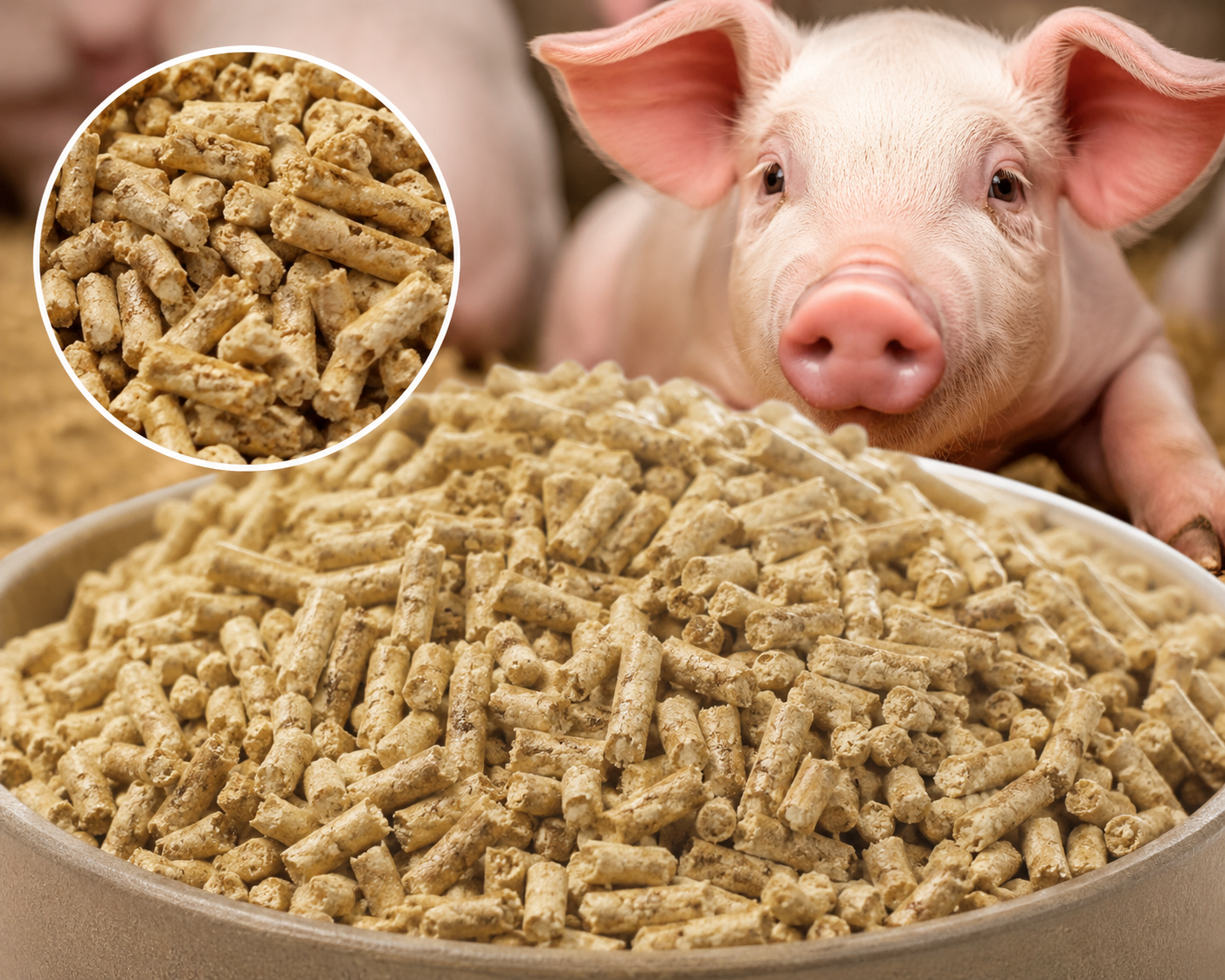
Pellet durability is the key criterion for distinguishing between high- and low-quality feed. High-quality pellets with a high PDI remain intact throughout the entire process, from production and dispatch to consumption by the animals, thereby maximising the retention of feed nutrients and preventing nutrient loss. At the same time, they eliminate issues such as selective feeding, indigestion and nutritional imbalances caused by animals consuming large amounts of dust, effectively improving feed conversion rates. Conversely, pellets with poor durability and substandard PDI values generate large amounts of dust, significantly increasing the factory’s rework and recovery costs as well as dust pollution in the production area. At the same time, they lead to feed wastage and reduced production performance at the farm level, resulting in economic losses on both sides.
Core Testing Standards and Industry Thresholds for Pellet Durability
PDI is expressed as a percentage; a higher value indicates greater resistance to breakage and abrasion, making it a core quality control metric for feed mills. The mainstream industry testing methods are divided into three categories, each suited to different testing scenarios, with clear and uniform standards:
• KSU tumbler test (General National Standard): This method complies with the ASABE/ASAE S269 industry standard and is currently the most widely used testing method in feed mills. Take 500g of pre-screened intact pellets, place them in a specialised rotating drum and tumble for 10 minutes; after a second screening, calculate the value using the following formula: PDI = (weight of intact pellets retained after tumbling ÷ weight of original sample) × 100%. Industry best practice standards: PDI for livestock and poultry feed should be ≥90%–95%; for aquaculture and ruminant feed, this may be adjusted appropriately according to formulation characteristics.
• Holman Pneumatic Test Method (Rapid Screening): This method utilises pneumatic airflow to simulate the friction and impact encountered during feed conveyance and handling. A 100g sample of pellets is exposed to airflow for 30–60 seconds to rapidly assess pellet integrity; it is suitable for high-volume routine quality control screening and offers greater efficiency.
The Core Application Value of Pellet Durability
Enhancing feed pellet durability addresses three core dimensions—production, animal husbandry and economics—and offers significant practical value. In animal husbandry, intact pellets prevent selective feeding by animals, ensuring a balanced intake of nutrients and improving the growth rates and survival rates of livestock, poultry and aquaculture; in production, they can significantly reduce the recovery rate of powdered feed, minimise equipment wear and tear and reduce dust pollution in the workshop, thereby enhancing production line efficiency; economically, they maximise the utilisation of raw material value, reduce production losses and post-sales quality issues, and help feed mills establish a stable product reputation.
Why Do Feed Pellets Break Easily?
The fundamental cause of brittle feed pellets, excessive dust levels and crumbling during storage and transport lies in the weak internal cohesion of the pellets, which renders them unable to withstand various external impacts during production and transit. The industry generally sets PDI 85%–90% as the quality threshold; pellets falling below this value carry an extremely high risk of breakage. Pellet breakage is rarely caused by a single factor; it is usually the result of a combination of issues across multiple processes, such as formulation, conditioning, equipment and cooling. The core causes can be categorised into four main types, accompanied by practical diagnostic techniques to help factories quickly pinpoint the problem.

I. Inappropriate Feed Formulation Design
The formulation is the foundation that determines pellet binding strength and is also the primary reason why 80 per cent of small and medium-sized feed mills fail to meet pellet quality standards. An imbalance in raw material proportions or the absence of binding agents undermines the structural stability of the pellets at the very root. Excessive addition of oil prior to pelletisation forms a lubricating barrier on the surface of the material, significantly reducing friction and resulting in pellets that are too soft and lack sufficient toughness; excessive molasses or refined sugar tends to make pellets soft and sticky, rendering them highly susceptible to abrasion and fragmentation following compression during storage and transport; raw materials with high crude fibre content that have not undergone ultra-fine grinding will create numerous voids and hidden cracks within the pellets, creating structural weak points; whilst insufficient proportions of natural or synthetic binders—such as wheat gluten, lignosulphonates and bentonite—will directly result in inadequate material cohesion, leading to loose and brittle pellets.
II. Inadequate steam conditioning process
Conditioning is a key process for activating the binding properties of the material; failure to meet process parameters is a frequent cause of pellets being brittle and prone to breakage. An imbalance in any one of the following factors—steam temperature, humidity, pressure or residence time—will prevent the starch in the feed from gelatinising fully and the protein’s from being activated, making it difficult for the material to form a stable colloidal binding structure. If the moisture content during conditioning is too low, the pellets will be generally brittle and crack or break under even slight external force; if the moisture content is too high, the material will become soft and sticky, causing the formed pellets to deform and clump, resulting in extremely poor stability during subsequent storage and transport; meanwhile, poor-quality wet steam or unsaturated steam with insufficient pressure fails to effectively soften the material or plasticise the powder, which is the core issue behind the persistently poor pellet quality in most feed mills.
III. Abnormal Operation of Pelletising Dies and Equipment
Pelletising dies are the core component for pellet formation; mismatched die parameters, ageing equipment and imbalanced operating parameters will directly reduce pellet density. Unreasonable design of the die’s compression ratio, pore diameter and effective pore length, or wear resulting from long-term use, will lead to insufficient compression of the material and loose pellets; Excessively high production line speeds result in insufficient residence time of the material within the die, leading to short compression times and poor bonding; blunt pelletising blades cause rough cut surfaces and introduce microscopic cracks, making the pellets highly susceptible to fracture along these cuts during subsequent handling; simultaneously, imbalances in equipment compression pressure—whether excessive pressure causing cracking or insufficient pressure leading to loose pellets—will completely undermine the structural stability of the pellets.
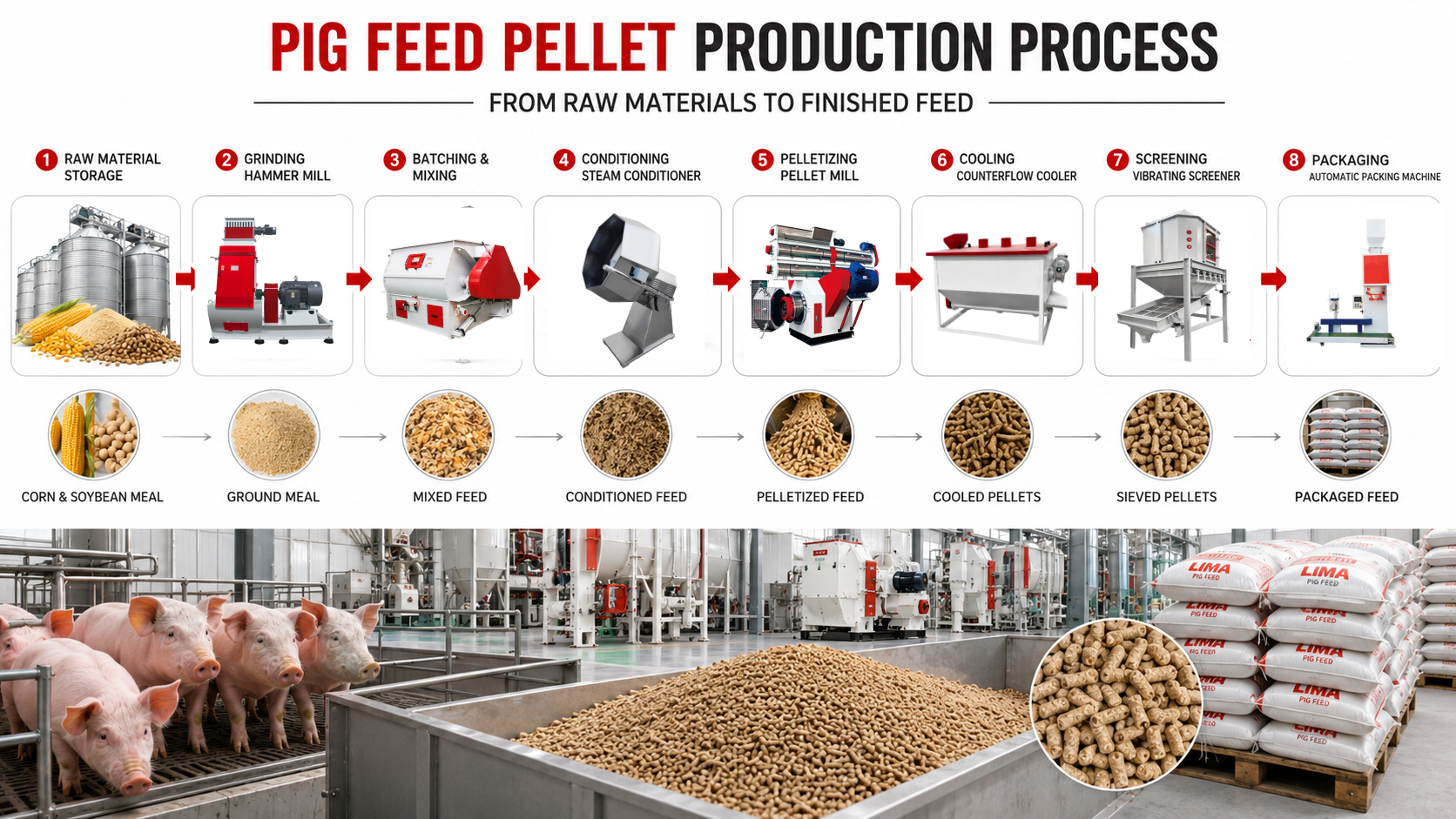
IV. Non-standard cooling processes and post-processing
Granules fresh from the mould are at a high temperature of 70–90°C with a moisture content of 14%–17%; they are soft and their structure is not yet set. Errors in the cooling process can directly ruin the quality achieved in the earlier forming stages. Rapid forced-air cooling, uneven air cooling and excessive drying can create significant thermal stress differences between the interior and exterior of the pellets, resulting in a large number of hidden cracks; insufficient cooling time and uneven material pile thickness can lead to inconsistencies in moisture content and hardness between the interior and exterior of the pellets, resulting in extremely poor overall stability; Furthermore, rough handling—such as excessive drop heights during finished product conveyance, high-speed conveyance and multiple transfers—subjects the pellets to continuous abrasion and impact, resulting in significant powder loss even from high-quality pellets that meet specifications.
How Feed Formulation Affects Pellet Durability
I. High-Quality Binding Ingredients to Enhance Pellet Durability
These ingredients possess excellent gelatinisation and binding properties, as well as structural support capabilities. They are core components for optimising the PDI index of pellets and are suitable for various feed formulations:
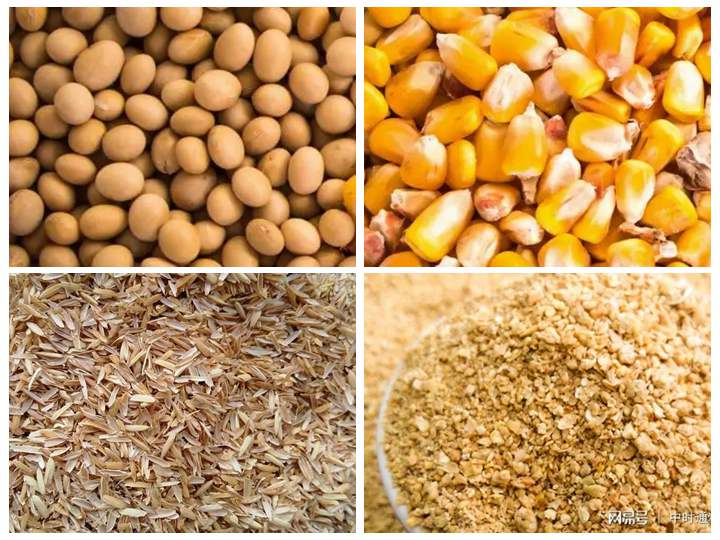
• Wheat and wheat by-products: The most cost-effective natural binders, with wheat gluten protein and starch exhibiting excellent gelatinisation properties. Adding approximately 10% wheat or 1%–2% wheat gluten to the formulation can significantly improve pellet durability; the pelletisation quality of wheat-based feeds is generally superior to that of maize-based feeds.
• High-quality protein ingredients: Ingredients such as soya meal, animal by-products and whey protein can enhance the cohesion between pellets, improving their compactness and toughness, and effectively reducing breakage and wear.
• Fine-textured fibre ingredients: An appropriate amount of coarsely fibrous material, finely ground to an ultra-fine consistency, can form a stable skeletal structure within the pellets, reinforcing their strength without creating structural weak points.
• Compliant pelletising additives: The appropriate addition of lignosulphonate, bentonite, or 1%–2% molasses can help improve material adhesion and specifically enhance pellet quality in difficult-to-pelletise formulations, such as those with high fat or high fibre content.
• Easily gelatinised starch raw materials: Starches from various cereals can gelatinise rapidly under high-temperature, high-humidity conditioning conditions, forming a viscous colloid that firmly binds loose material particles together to construct a stable pellet matrix.
II. Raw materials that compromise pellet durability
These raw materials disrupt the material’s binding structure and create a lubricating, isolating effect; excessive addition significantly lowers the PDI value and is a primary formulation-related cause of pellet brittleness:
• High-fat raw materials: Excessive oil addition prior to pelletisation forms a lubricating film on the surface of the material, reducing compression friction in the die and hindering the tight bonding of pellets; this is the primary cause of brittleness in high-energy broiler chicken feed pellets. Industry standards recommend pre-addition of fats and oils at ≤2% prior to pelletisation; for high-fat feeds, post-pelletisation spray coating is the preferred method.
• Excessive sugar and molasses: High proportions of molasses and monosaccharides cause the pellets to become soft and sticky, making them prone to sticking together and deforming after formation; this results in significant powder generation following compression and abrasion during storage and transport.
• Coarse, hard crude fibre: Excessive amounts of unrefined crude fibre create numerous voids and cracks within the pellets, compromising their overall structure and significantly reducing their resistance to breakage.
• Low-binding by-products: Certain industrial by-products and low-starch raw materials lack gelatinisable starch and viscous proteins, preventing effective binding; excessive addition leads to loose, brittle pellets.
III. Key Practical Strategies for Formulation Optimisation
Formulation optimisation does not require major alterations to the nutritional system; pellet quality can be efficiently improved through fine-tuning of ingredient ratios. Firstly, balance the structure of the main ingredients by using wheat, high-quality starch and protein sources as the core binding foundation, whilst strictly controlling the proportions of pre-added fats and oils and crude fibre. The PQF (Feed Quality Factor) system can be utilised to predict the formulation’s pelletisation performance. Secondly, leverage the synergistic effects of ingredients by scientifically combining starch, protein and moisture, which yields more stable pelletisation results than relying solely on binders. For formulations with high fat and high fibre content that are difficult to pelletise, add compliant pelletising aids as required to precisely improve the PDI value. At the same time, make adjustments tailored to different livestock categories: prioritise optimising the binding system for high-energy, high-fat broiler feed and whey-based diets for piglets, whilst conventional ratios suffice for ruminant and layer feed. Finally, rely on PDI test data for continuous fine-tuning to achieve a balance between quality and cost without compromising nutritional standards.
How Grinding Size Influences Pellet Strength
I. Core Principles Governing the Influence of Grinding Size on Pellet Strength
A fine and uniform grinding size is key to enhancing pellet strength. Finely ground materials have a larger specific surface area, allowing for more uniform heat and moisture penetration during conditioning and more thorough starch gelatinisation. This significantly enhances adhesion and bonding between pellets; following compression moulding, the pellet structure is dense and uniform, free from voids and weak points, resulting in markedly improved impact and wear resistance. Actual production data shows that when maize is ground using a 1.6 mm sieve compared to a 3.2 mm sieve, the PDI value of the finer material increases by 3%–8%, representing a very noticeable improvement in quality.
Conversely, coarse-grained material has a small surface area of contact between particles, resulting in insufficient bonding. After moulding, the product contains numerous internal voids and hidden cracks, leading to a loose and fragile structure. It is highly prone to breakage during handling, storage and transport, leading to a substantial increase in the powder yield and a significantly lower PDI value. Furthermore, materials with an uneven particle size distribution—where coarse and fine particles are mixed—result in pellets with extreme variations in density after formation. This leads to extremely poor overall stability and makes the product highly susceptible to batch-wide breakage.
II. Tailored Particle Size Standards
Extreme fine grinding is not the optimal solution; excessive refinement significantly increases energy consumption during grinding, raises dust levels in the workshop, and yields diminishing returns in terms of durability improvements, whilst potentially affecting the animals’ intestinal health. The industry’s optimal approach is to match specific particle sizes to the type of livestock being reared, balancing pellet quality, rearing outcomes and production costs. The general standard for high-quality pelletisation is to control the geometric mean diameter (GMD) of the material within 500–900 micrometres, with over 90 per cent of the material having a particle size of less than 1–2 mm. In particular, starter feed for chicks and young poultry requires ultra-fine grinding, with a particle size of 300–600 micrometres, to ensure maximum pellet density; pig feed is best suited to a particle size of 500–600 micrometres, balancing digestibility and pellet strength; whilst for ruminant feed, particle size requirements may be appropriately relaxed, though uniformity must always remain the core principle.
III. Practical Production Considerations
Regarding equipment selection, hammer mills achieve a higher degree of fineness with a higher proportion of fine particles, whilst roller mills offer better particle size uniformity; factories may combine the use of both according to production requirements. During production, particle size uniformity is more important than fineness alone; only material with a uniform distribution of coarse and fine particles can form stable pellets. Furthermore, the grinding process cannot be effective in isolation; it must work in synergy with the formulation and steam conditioning process. Only by combining finely ground material with a high-quality conditioning process can pellet durability be maximised; optimising particle size alone cannot completely resolve the issue of pellet breakage.
How Steam Conditioning Improves Pellet Durability
I. The Four Core Principles of Steam Conditioning for Enhancing Durability
Steam conditioning optimises the internal structure of pellets at a fundamental level, comprehensively enhancing their resistance to breakage: Firstly, it thoroughly promotes starch gelatinisation. The high-temperature, high-humidity environment causes starch granules to absorb water, swell and rupture, forming a viscous colloid that acts as a natural binder to firmly bind the material particles together, constructing a dense and stable pellet matrix; Secondly, it activates the binding components of the material. The moisture from the steam softens coarse fibre and protein particles, releasing the raw material’s natural viscous substances and significantly enhancing the adhesion between pellets; Thirdly, it reduces compression resistance in the die. The softened material exhibits improved flowability, ensuring uniform compression within the die and preventing internal cracks and stresses caused by localised pressure imbalances, resulting in more uniform pellet formation; Fourthly, it stabilises the structure of the finished product. Fully conditioned material forms into uniform, dense pellets after moulding, with significantly enhanced resistance to friction and impact, leading to a marked reduction in breakage rates during storage, transport and feeding. Practical tests have demonstrated that raising the conditioning temperature from 60°C to 88°C can directly increase the PDI value by 5%–10%.
II. Four Core Parameter Standards for High-Quality Conditioning
• Temperature: The conditioning temperature for conventional feed is typically controlled between 75–90°C; higher temperatures enhance starch gelatinisation and improve pellet strength. For feeds containing heat-sensitive ingredients such as enzyme preparations, the temperature must be appropriately reduced to prevent nutrient degradation.
• Moisture content: Steam is used to supplement moisture, stabilising the material’s moisture content at 14%–18% prior to entering the die. Moisture is the key medium for starch gelatinisation and material binding; if too low, binding is insufficient; if too high, the material is prone to sticking to the die and clumping.
• Residence time: The material is conditioned for 20–90 seconds. In low-temperature environments, extending the residence time ensures effective penetration; in high-temperature environments, it should be appropriately shortened to balance quality and production capacity.
• Steam quality: Dry, saturated steam must be used. Wet steam introduces free water, causing the material to clump and become soft, whilst superheated steam has low thermal efficiency and poor gelatinisation effects. Pressure regulation, heat retention and condensate drainage must be managed effectively to ensure stable steam quality.
III. Key Points for Optimising Differentiated Conditioning Practices
The conditioning process must be tailored to the specific characteristics of the formulation. High-starch feeds require high-temperature, high-humidity and extended conditioning to maximise binding effects; high-fat and heat-sensitive feeds require a gentle conditioning mode with precise temperature and moisture control to prevent material deterioration, mould adhesion and machine blockages. At the same time, two key pitfalls must be avoided: insufficient conditioning leads to brittle, crumbly pellets and a low PDI, whilst excessive conditioning causes material adhesion, machine blockages, pellet deformation and softness. Only by precisely matching the formulation parameters can optimal quality be achieved.
How to Choose the Right Pellet Mill Die
I. Key Parameters for Die Selection
• Pore Diameter Specifications: Determines the size of the finished pellets and is tailored to different livestock categories: 3–4.5 mm for poultry (with smaller diameters for starter feed for young poultry); 4–6 mm for pig feed; 6–12 mm for ruminant feed; and 2–5 mm for aquaculture feed. Under equivalent conditions, smaller pore diameters result in more thorough compression and better durability, though production capacity is slightly reduced.
• Compression ratio (L/D length-to-diameter ratio): A key indicator for dies, representing the ratio of effective hole length to hole diameter. The higher the compression ratio, the longer the material is under pressure, resulting in denser pellets and greater durability. High-fat, soft broiler feed is suited to a high compression ratio of 10:1–13:1, whilst high-fibre feed prone to machine blockages should use a medium compression ratio to balance quality and output.
• Thickness and effective hole length: The thicker the die and the longer the effective hole length, the more thoroughly the material is compressed and the greater the pellet stability; however, this increases energy consumption and reduces production capacity.
• Material and manufacturing process: Alloy steel dies offer good value for money and are suitable for general-purpose feed; stainless steel dies are corrosion-resistant and suitable for highly saline, corrosive raw materials; high-chromium dies offer high wear resistance and a long service life. Flared feed inlets and stepped hole designs improve feed flow and prevent machine blockages and damage.
II. Practical Tips for Die Selection
Die selection should prioritise matching the characteristics of the feed formulation: choose a high compression ratio for soft, high-fat formulations, and a medium compression ratio for high-fibre, hard formulations. Ensure that the PDI index meets standards first, then optimise production capacity. For customised dies, provide the manufacturer with the feed type, production capacity, equipment model and formulation parameters to ensure a precise fit. New dies must undergo trial runs and commissioning; parameters should be fine-tuned based on PDI values, powder content and equipment energy consumption. Additionally, die wear should be inspected regularly, with timely maintenance and replacement to prevent batch-wide quality issues.
How Proper Cooling Improves Feed Pellet Durability
I. The Role of Standardised Cooling in Enhancing Pellet Durability
Firstly, it solidifies the pellet structure. During the cooling of hot pellets, gelatinised starch and protein binders gradually solidify and harden, allowing the internal structure of the pellets to fully set. This significantly enhances their compressive strength, abrasion resistance and impact resistance, thereby preventing subsequent fragmentation. Thermal stress caused by rapid, uneven cooling can lead to hidden cracks, which are the primary cause of damage during storage and transport. Secondly, it enables precise control of the safe moisture content. Cooling reduces the moisture content of the pellets to the storage standard of 10%–12%, thereby preventing both mould growth, caking, softening and breakage caused by excessive moisture, and the brittleness and fragility resulting from over-drying. Thirdly, it balances the ambient temperature. By keeping the temperature difference between the cooled pellets and the environment within 5–10°C, condensation is prevented, thus avoiding moisture absorption, softening and bacterial growth. Finally, gentle cooling reduces friction and compression damage to the pellets, thereby lowering the rate of finished product turning into powder.
II. Practical Guidelines for High-Efficiency Cooling Processes
Counter-current coolers should be prioritised; as the airflow moves in the opposite direction to the pellets, heat and moisture exchange is more uniform, resulting in cooling efficiency far superior to that of standard equipment. During production, maintain an air velocity of 0.8–1.5 m/s to ensure a uniform bed depth, with a cooling retention time of 10–20 minutes. This guarantees synchronised cooling of the pellets both internally and externally, as well as uniform moisture loss. Strictly avoid non-compliant practices such as rapid cooling with high-velocity air, localised material accumulation and insufficient cooling time, thereby ensuring high-quality pellets right through to the final stage of production.
Frequently Asked Questions About Feed Pellet Durability
1. What is feed pellet durability?
Feed pellet durability is a core quality indicator measuring a pellet’s resistance to breakage, wear and dust generation, with the PDI (Pellet Durability Index) serving as the key quantitative standard. The industry generally classifies pellets with a PDI ≥ 90% as high-quality, durable pellets, whilst those with a PDI < 85% are considered substandard, prone to widespread breakage and excessive dust levels.
2. What is the key significance of improving pellet durability?
Highly durable pellets can significantly reduce feed wastage, lower dust pollution in production areas and rework costs, prevent selective feeding and nutritional imbalances in animals, improve feed conversion rates and farming profitability, whilst also helping feed mills reduce post-sale wastage and enhance the market competitiveness of their products.
3. Does particle size have a significant impact on pellet strength?
It has a significant impact. Uniformly fine-ground material maximises pellet binding, reduces voids and cracks, and significantly enhances pellet strength. In production, particle size uniformity takes precedence over mere fineness; specific particle size standards must be tailored to the type of livestock being reared.
4. What is the role of the cooling process in pelletisation?
Cooling is a critical process for pellet shaping; it solidifies the pellet structure, regulates moisture content for safe storage, balances internal and external temperatures, and prevents issues such as hidden cracks, moisture absorption leading to softening, and brittle breakage. It directly determines the stability of the finished feed throughout storage and transport.
Summary
Improving the durability of feed pellets cannot be achieved through minor adjustments to a single process alone, but rather requires a comprehensive, systematic approach encompassing formulation as the foundation, grinding as the enabler, conditioning as the core, die selection and cooling for shaping. These five key processes are interlinked and work in synergy; amongst them, steam conditioning, formulation optimisation and adjustment of grinding particle size are the core optimisation steps that deliver the fastest results and offer the best value for money, whilst die selection and the cooling process provide the ultimate guarantee of quality.