Pig Feed Pellet Production Process: From Grinding to Packaging
Preface: Pig Feed Pellet Production Process from Grinding to Packaging
With the rapid development of large-scale and intensive pig farming industry, the quality of pig feed pellets directly determines the growth performance, feed-to-meat ratio and economic benefits of pig farming, which is the key to improve the quality and efficiency of the industry. Compared with traditional powdered feed, standardised pig feed pellets are nutritionally balanced, palatable, not easy to mould, low feeding loss, and have become the mainstream choice for feed enterprises and large-scale farms. The core of feed pellet quality depends on the refinement and standardisation of the whole production process. In this paper, the whole process of pig feed pellets from raw material processing, crushing and granulation to finished product packaging is disassembled in detail, explaining the nutritional suitability of the pig programme, the core equipment of the production line, the production of common problems and cost-cutting techniques, providing professional and practical technical references for the standardized production of feed.
Overview of pig feed pellet production
Pig feed pellets are the core breeding consumables of modern large-scale pig breeding industry. Compared with traditional powder feed, pellet feed has multiple advantages such as good palatability, high digestibility and absorption rate, not easy to mould, convenient feeding, low waste rate, etc. It can accurately adapt to the feeding and nutritional needs of pigs in various growth stages, which is the key foundation for improving pig production capacity and reducing breeding losses. Standardised pig feed pellet production process is the core premise to ensure stable feed quality, balanced nutrition and safety compliance.
The complete pig feed pellet production process covers raw material selection, warehousing and storage, crushing, batching and mixing, tempering and pelletising, cooling and screening, and packaging of finished products, etc. The process parameters of each procedure, equipment operation status, and operation specification will directly affect the moulding degree, nutritional value, shelf life and feeding effect of feed pellets. This article will start from the nutritional needs of pigs, systematically dismantle the whole production process of pig feed pellets, the core supporting equipment, common production problems and cost reduction and efficiency programmes, to optimize the production line for feed manufacturers, control product quality, control production costs to provide a comprehensive reference.
Analysis of nutritional requirements of pigs at different stages
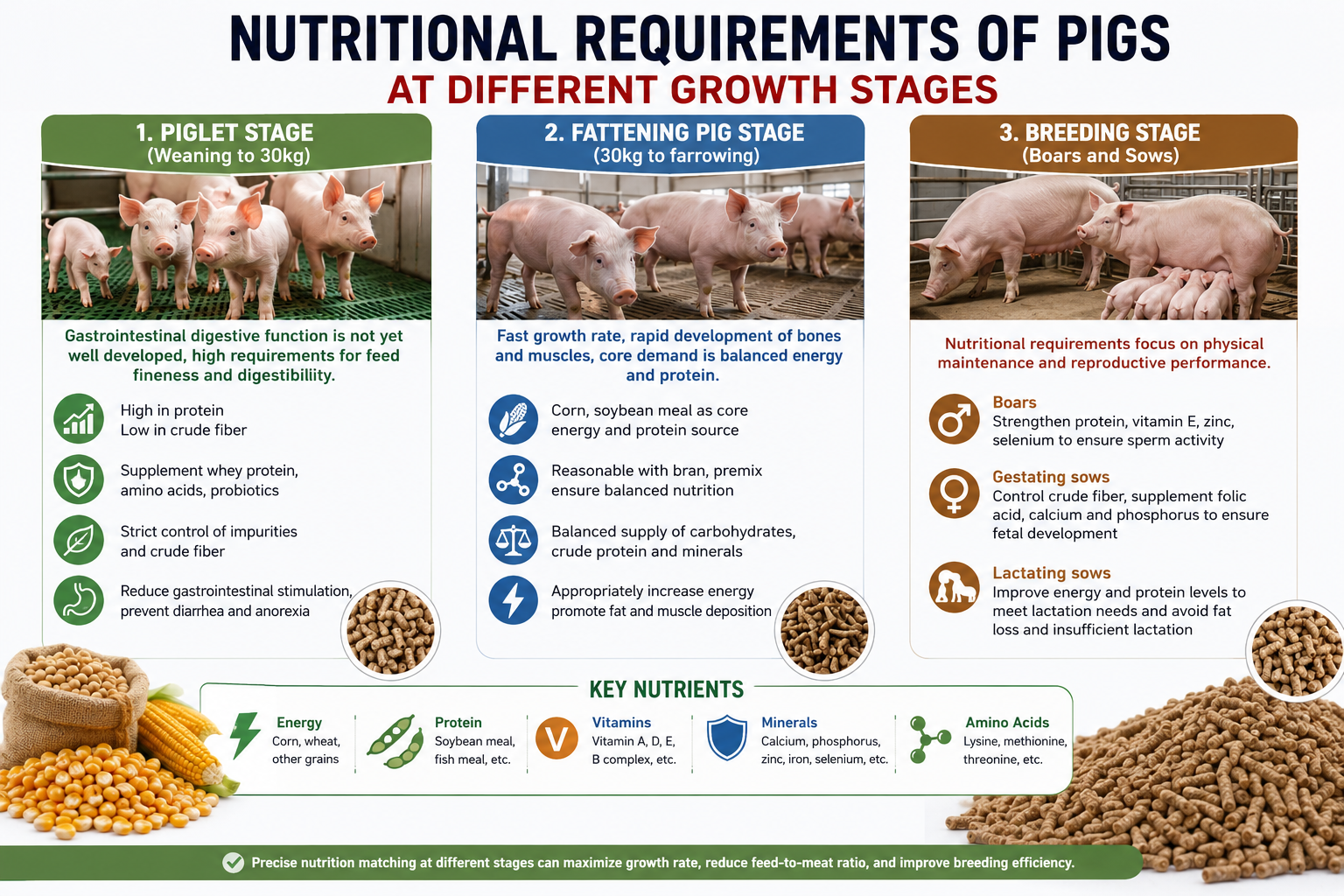
The core principle of pig feed production is to supply energy according to demand, accurate proportioning, all production processes and raw material formulations need to be designed around the physiological characteristics, digestive capacity and nutritional requirements of pigs at different growth stages, only matching the precise nutritional feed can maximally enhance the growth rate of pigs, reduce the feed-to-meat ratio, and reduce the breeding of diseases. Pigs are mainly divided into piglets, fattening pigs, breeding pigs three major stages of breeding, each stage of nutritional requirements differ significantly.
Piglet stage (weaning to 30kg): gastrointestinal digestive function is not yet well developed, gastrointestinal flora is fragile, and the feed fineness and digestibility are very demanding. At this stage, feeds should be high in protein and low in crude fibre, focusing on supplementing whey protein, amino acids, probiotics and other nutrients, and at the same time strictly controlling the content of impurities and crude fibre of raw materials to avoid gastrointestinal stimulation that may cause diarrhoea and anorexia, so as to ensure that the piglets can quickly adapt to the feed intake and get through the weaning stress period smoothly.
Fattening pig stage (30kg to farrowing): fast growth rate, rapid development of bones and muscles, the core demand is balanced energy and protein. Feed should be corn, soybean meal as the core energy and protein source, reasonable with bran, premix, to ensure a balanced supply of carbohydrates, crude protein, minerals, and at the same time, appropriately increase the proportion of energy, to promote the deposition of fat and muscle, and shorten the fattening cycle.
The breeding stage includes boars and sows: nutritional requirements focus on physical maintenance and reproductive performance. Breeding gilts need to strengthen protein, vitamin E, zinc, selenium and other trace elements to ensure sperm activity; gestating sows need to strictly control crude fibre, supplement folic acid, calcium and phosphorus to ensure foetal development; lactating sows need to improve energy and protein levels to meet lactation needs and avoid fat loss and insufficient lactation problems.
Raw material preparation and standardised storage management
Raw material is the foundation of feed quality. High-quality raw material with scientific warehousing method can avoid mould, nutrient loss, impurity overload and other problems from the source, and lay the foundation for subsequent standardized production. Pig feed raw materials are mainly divided into four categories: energy raw materials, protein raw materials, auxiliary materials and premixes, and the pretreatment and storage requirements of each type of raw materials are different.
Common energy raw materials are mainly corn, bran and meal, which are the core source of energy supply for pigs; protein raw materials include soybean meal, fish meal, cotton meal, vegetable meal, etc., which provide protein for the growth of pigs; excipients cover stone powder, calcium phosphate, salt, etc., which are used to replenish mineral substances and regulate the acidity of feeds; premixes integrate vitamins, amino acids, trace elements and additives, which are the key ingredients for precise supplementation of nutrients and enhancement of feed quality. Premix is the key ingredient for precise nutritional supplementation and feed quality enhancement.
Raw materials need to undergo strict acceptance after entering the field, focusing on testing the water content, impurity rate, mould and nutritional indicators, to eliminate mould, lumps, impurities exceeding the standard of poor-quality raw materials into the field. Among them, the moisture content of corn should be controlled within 14%, soybean meal moisture content of no more than 12%, too high moisture content is very likely to lead to heat and mould in the storage process. Acceptance of raw materials need to be classified partition storage, dry raw materials are stored in dry, ventilated, moisture-proof, dust-proof raw materials warehouse, the ground to do a good job of padding to avoid ground moisture infiltration; premix, additives and other fine raw materials need to be sealed and protected from light, away from high temperatures, humid environments, to prevent oxidative loss of nutrients.
At the same time, it is necessary to establish a first-in-first-out management system for raw materials, regularly clean up the dead corners of the silo, investigate the problems of insects, rodents and mould, and control the temperature and humidity of storage according to the characteristics of the raw materials, so as to ensure the freshness and nutritional integrity of the raw materials from the source, and to avoid the problem of raw materials leading to the substandard quality of the finished feeds.
Step-by-step production process of pig feed pellets
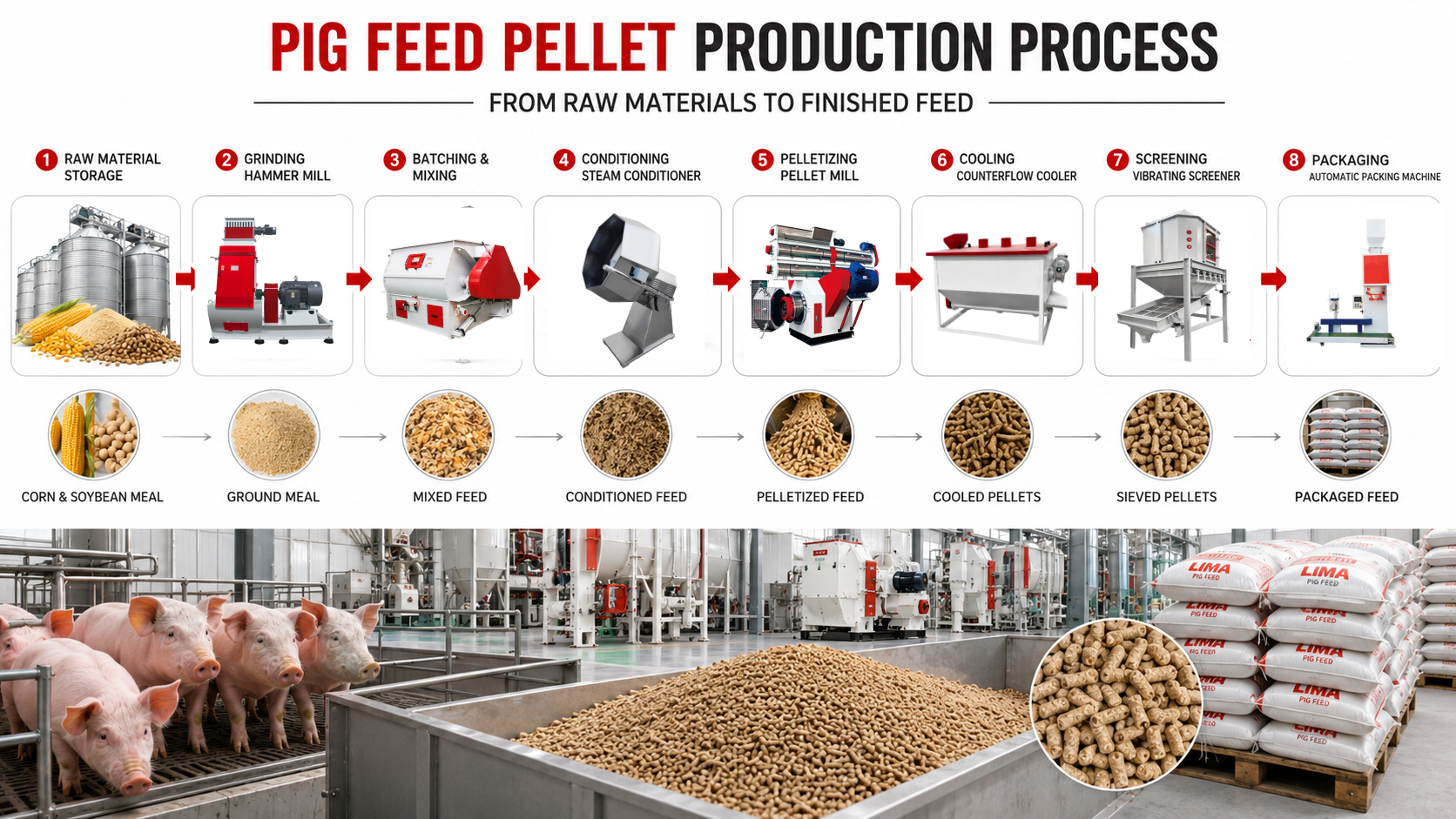
Standardised pig feed pellet production process is interlocked, from raw material pre-treatment to finished product packaging, each step of the process parameters have strict standards, the complete process can be divided into seven core steps, the whole process to achieve refinement and standardisation of processing.
Raw material crushing process
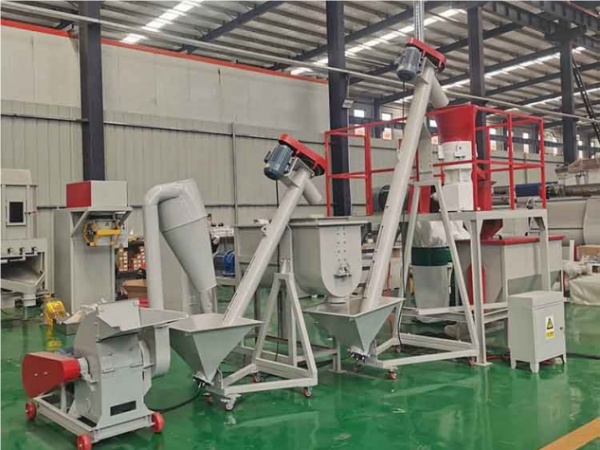
Crushing is the first core process of feed production, which directly determines the palatability and digestibility of feed. Warehousing qualified corn, soybean meal and other lumps, granular raw materials through the elevator into the crusher, according to the growth stage of the pig to adjust the crushing fineness: piglet feed materials need to be ultra-fine crushing, particle size control at 0.8-1.0mm, to ensure that easy to digest; fattening pigs, pig feed particle size can be controlled at 1.0-2.0mm, taking into account the digestive efficiency and production energy consumption. The crushed raw materials can increase the contact area, improve the subsequent mixing uniformity, and at the same time, it is easy for pigs to digest and absorb, reducing the waste of feed.
Precise batching process
Batching is the key link to ensure the nutritional balance of feed, relying on the automatic batching system to complete the precise proportioning. According to the preset formula of pig feed at each stage, the crushed energy raw materials, protein raw materials, auxiliary materials and premixes are measured by the intelligent dosing scale, and the static dosing accuracy of the equipment can reach ≤1‰, and the dynamic accuracy of the equipment is ≤3‰, which can effectively avoid the problem of imbalance in nutritional ratios. The fully automatic batching system can realise the switching of multiple formulas with one key, which can be adapted to the needs of different feed categories, eliminating the error problem of manual batching and guaranteeing the uniformity of nutritional indexes of each batch of feed.
Homogeneous mixing process
After the batching is completed, all the raw materials are sent to the high-efficiency mixer for stirring and mixing, and the core objective is to achieve the uniform integration of all kinds of raw materials and additives, avoiding local nutrient enrichment or deficiency. The conventional mixing time is controlled in 3-5 minutes, and the coefficient of variation of mixing uniformity CV≤5%, to ensure that the nutrient composition of each grain of feed is consistent. During the mixing process, appropriate amount of fat and liquid additives can be added according to the process requirements to enhance the palatability and energy value of the feed, and after the mixing is completed to form a homogeneous powder mixture, which will be sent to the bin to be pelletised for temporary storage.
Tempering and pelleting process
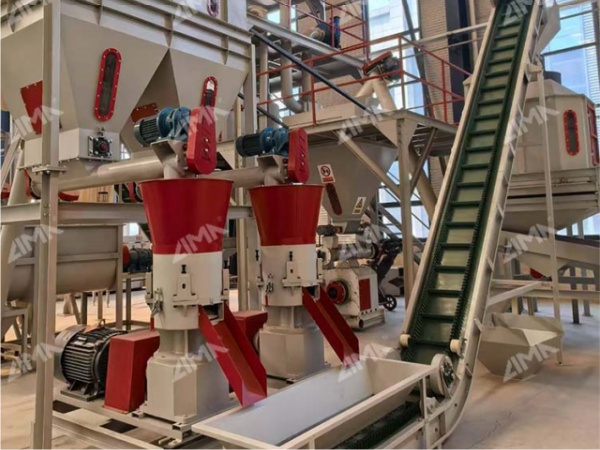
Conditioning and pelleting is the core process of feed moulding, which directly determines the quality and maturity of pellet moulding. After the mixture enters the tempering device, high temperature steam is passed into it for tempering treatment, which raises the temperature of the material to 80-85℃, so that the starch can be fully pasted and the material can be softened, which can not only improve the palatability of the feed and digestibility, but also kill part of the bacteria in the raw material and improve the safety of the feed. The softened material after tempering is fed into the pelleting machine, through the extrusion of ring mould and pressure roller, the material will be extruded out from the mould holes to form cylindrical pellets, and then cut by the cutter into standard length feed pellets according to the demand.
Cooling and screening process
Just finished granulation of feed particles with high temperature, high humidity, soft texture, very easy to deformation, adhesion, mould, need to be sent to the cooler in time for air cooling. Through the negative pressure air cooling process, the temperature of the pellets will be reduced to room temperature and the moisture content will be controlled within 12% to ensure the hardness and stability of the pellets. After cooling, it enters the grading sieve to screen out the broken particles, powder and oversized particles, qualified particles are sent to the finished product warehouse, and the unqualified broken materials and powder can be recycled and re-crushed to make granules, which can effectively improve the utilisation rate of the raw materials, and ensure that the finished particles are neat and even.
Finished product inspection process
Before packing, we need to sample and test the finished pellets, focusing on checking the hardness of the pellets, forming rate, water content, nutritional indexes, hygiene indexes, to confirm that there is no mould, no crushed pellets exceeding the standard, the nutrition is up to the standard, and meets the standard of GB/T 17812-2013 of the feed industry before entering into the packing process, so as to prevent the unqualified finished products from flowing into the market.
Automated Packaging Process
Qualified pellets are sent to the finished product bin through elevator, and then rely on the automatic packaging production line to complete the integrated operation of quantitative weighing, bagging, sealing, conveying and stacking. The equipment can be set according to the demand of different packaging specifications such as 20kg, 40kg, etc., with high accuracy of automatic weighing, with dustproof, moisture-proof, sealing process, effectively preventing the finished feed from moisture mould and contamination in the process of transportation and storage, and finally completing the production of the whole batch of feed pellets.
Pig feed pellet production line core supporting equipment
A complete set of pig feed pellet production line consists of pre-treatment, processing, moulding, screening, packaging, control system and other types of core equipment, the equipment operates in concert to ensure the production line’s efficient, stable and standardised operation, the core equipment and its functions are as follows:
Raw material conveying and cleaning equipment: it mainly includes bucket elevator, primary cleaning screen and permanent magnetic iron remover. Bucket elevator is responsible for the vertical conveying of raw materials to achieve automated loading; primary sieve can filter the raw materials in the straw, stones, debris; permanent magnet remover can remove iron impurities in the raw materials, to avoid damage to the core components of the crusher, pelleting machine, to protect the safety of equipment operation and feed purity.
Crushing equipment: the core of high-efficiency hammer mill, suitable for all kinds of feed material crushing, can be flexibly adjusted crushing fineness, with high crushing efficiency, fineness uniformity, low energy consumption, suitable for piglets, fattening pigs, breeding pigs, different feed crushing process requirements.
Batching and mixing equipment : It consists of fully automatic batching scale and high efficient double shaft mixer. Intelligent dosage scale realises accurate automatic dosage and eliminates manual error; double-axis mixer mixes uniformly and at a fast speed, which can guarantee the uniformity of material mixing and is suitable for batch continuous production.
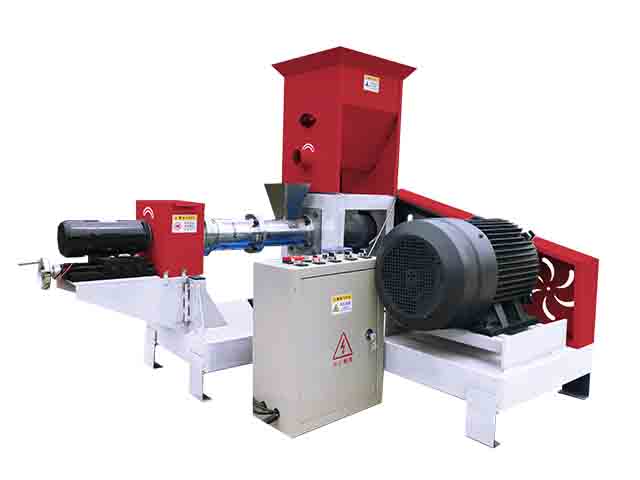
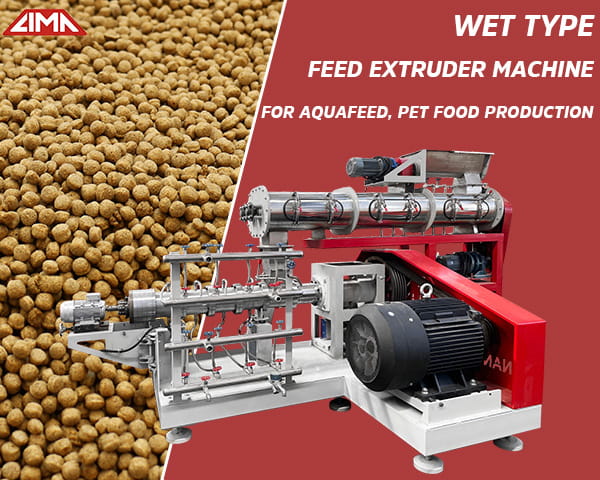
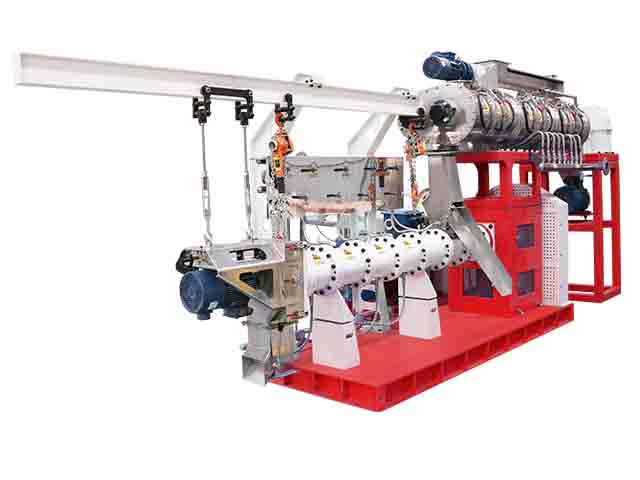
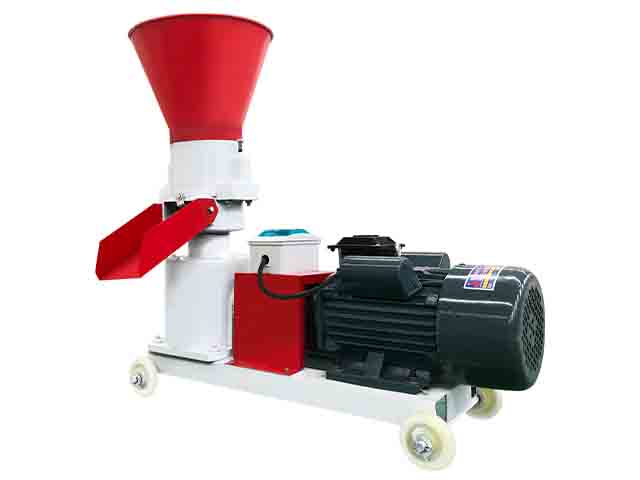
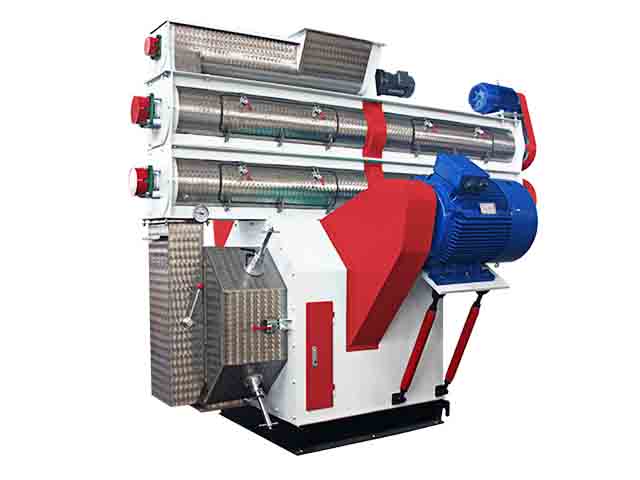
Tempering and granulation equipment: including steam tempering device, ring die granulator. The conditioner provides high temperature steam conditioning environment to ensure the maturity of the material; the ring die pellet maker is the core of the moulding, by replacing the ring die with different apertures, it can produce feed particles with different particle sizes, suitable for different growth stages of the pigs’ feeding needs, the equipment operates stably and has a high moulding rate.
Cooling and screening equipment: mainly counter-current cooler and grading screen. The counter-current cooler has even air cooling, which can quickly cool down and dehumidify the pellets to avoid deformation and mould; the grading sieve can accurately screen the qualified pellets and crushed materials to ensure the uniformity of the finished products.
Finished product packaging and control system: automatic quantitative packaging machine, sewing machine, central control cabinet. The packaging equipment realises automatic weighing, bagging and sealing, which improves the packaging efficiency and standardization; the central control cabinet centralizes the control of the whole production line, real-time monitoring of the equipment operating parameters, production speed and process indexes, and realizes one-key regulation and control, intelligent operation and maintenance, which reduces the difficulty of manual operation.
Common problems and solutions of pig feed pellet production
In the actual production process, affected by the state of the equipment, process parameters, raw material quality, operating standards and other factors, easy to loose particles, too many broken particles, mouldy particles, low output, equipment jamming and other problems, targeted solutions to various types of faults, is the key to ensure production efficiency, stable product quality.
Loose feed particles, insufficient hardness, easily broken
The core reason is that the raw material crushing fineness is not enough, the tempering temperature is low, the steam humidity is not enough, the compression ratio of the ring mould is too small. Solution: Optimise the fineness of raw material crushing, adjust the standard particle size according to the feed category; raise the tempering temperature to 80-85℃ to ensure that the starch is fully pasted; match the appropriate compression ratio of the ring die, and regularly adjust the gap between the pressure roller and the ring die, to avoid the gap being too large, resulting in the lack of firmness of the extrusion.
The rate of finished products is too high and the quality is uneven.
Most of them are caused by incomplete cooling, broken screen of grading sieve, wear of pelletising cutter and irrational proportion of raw materials. It is necessary to prolong the cooling time to ensure the complete hardening of pellets; regularly check and replace the screen mesh and the worn cutter to ensure the even cutting of pellets; adjust the proportion of crude fibre and crude protein in the formula to reduce the proportion of fragile materials.
Mould and water content of pellet feed exceeding the standard
The main causes are excessive moisture content of raw materials, insufficient cooling airflow, humid environment in workshop and poor sealing of packaging. It is necessary to strictly control the moisture content of raw materials to prevent the production of raw materials exceeding the standard; adjust the air volume of the cooler and extend the cooling time, so that the moisture content of the finished products can be stably controlled within 12%; keep the production workshop dry and ventilated, optimise the packaging sealing process, and do a good job in moisture-proofing of the finished products in the storage.
Granulator clogging
The common reasons are too much raw material impurities, humidity imbalance of tempering materials, ring die hole clogging, pressure roller wear and tear. Need to do a good job of raw materials in addition to impurity cleaning work, every shift to clean up the upper mouth of the pelleting machine magnet impurities; precise control of steam humidity and temperature, to avoid over-drying or over-wetting of the material; regularly clean up the ring die hole accumulation of material, the establishment of the equipment account, and timely replacement of worn out ring die, pressure roller parts.
Poor feed palatability
It is mostly caused by insufficient tempering, deterioration of raw materials and imbalance of additives. It is necessary to optimize the tempering process to ensure that the materials are fully cooked; strictly screen the raw materials to eliminate mouldy and expired raw materials; and accurately control the ratios of all kinds of flavour additives and nutritional additives to improve the palatability of feeds.
Pig feed production cost optimisation
Feed production cost directly determines the economic benefits of farming and feed production enterprises. Under the premise of guaranteeing feed quality and nutritional standards, through multi-dimensional optimisation of process optimisation, equipment operation and maintenance, raw material control, energy consumption control and other optimisation, we can effectively reduce the comprehensive cost of production and enhance the competitiveness of the market.
Optimise raw material procurement and proportioning to reduce raw material costs : Raw material costs account for more than 80% of the total cost of feed production, which is the core of cost reduction. We can focus on purchasing bulk raw materials in bulk to reduce the unit price of procurement; under the premise of meeting the nutritional needs of pigs, we can reasonably replace high-priced raw materials, and use compliant low-priced meal, agricultural by-products and auxiliary materials to moderately replace part of the high-priced soybean meal and fishmeal, so as not to affect the quality of the feed and at the same time compress the cost of the raw materials; at the same time, we can strictly control raw material losses, and reduce the loss of mildew and insect damage through scientific warehousing, so as to improve the utilization rate of the raw materials.
Optimise the production process to reduce material waste: accurately regulate the crushing fineness, mixing time, tempering temperature and other process parameters to avoid excessive crushing, mixing for too long resulting in waste of energy and material loss; improve the recycling mechanism of crushed materials, screened crushed particles, powder recycling secondary processing, to achieve zero waste of raw materials; optimise the granulation process, improve the granule shaping rate, and reduce the rate of output of defective products.
Strengthen equipment operation and maintenance, reduce energy consumption and maintenance costs: establish regular maintenance and overhaul system for equipment, clean up equipment accumulation of materials and impurities every shift, lubricate transmission parts on a regular basis, and replace worn-out parts in time to avoid equipment failure and downtime leading to production loss and high maintenance costs; reasonably regulate the equipment operating load according to the production line capacity to avoid equipment running empty, overloaded operation, and reduce electric power energy consumption; optimize the ring die and pressure roller matching, improve equipment production and reduce power consumption, By optimising the matching degree of ring mould and pressure roller, it improves the production efficiency of the equipment and reduces the energy consumption per unit of product.
Intelligent management and control, saving labour costs: upgrading the fully automated batching, mixing, granulation, packaging integrated production line, with the central intelligent control system, reducing manual operation positions; to achieve one-key control of production parameters, automatic operation and maintenance monitoring of equipment, reducing the rate of manual error, while reducing manual input, significant savings in long-term labour costs.
Strict control of warehousing and logistics costs: scientific planning of raw materials and finished product storage capacity, production on demand, to avoid a large number of finished products, raw materials, long-term backlog of storage costs and mould loss; optimize the packaging specifications of finished products and logistics and distribution solutions, batch distribution, reduce unit transportation, packaging consumables costs.
Conclusion
Pig feed pellet production is a set of standardised, refined and systematic processing process, from raw material selection, pre-treatment, step-by-step processing and shaping to finished product packaging and storage, each link of process control, equipment operation and maintenance, and detail management, all of which have a direct impact on feed quality and production costs. Only by accurately matching the nutritional needs of pigs at all stages, standardising the whole production process, skillfully solving all kinds of production failures, and optimising production costs through multi-dimensional means, can manufacturers continue to produce high-quality and cost-effective pig feed pellets, and help the large-scale pig industry to improve quality, increase efficiency and reduce costs and increase income. In the future, with the upgrading of feed processing intelligence and refinement technology, the feed production efficiency and quality stability will be further improved, promoting the high-quality development of the livestock breeding industry.