Duck Farming vs Chicken Farming: A Complete Guide for Beginners
What Is Duck Farming?
Basic definition and industrial orientation of duck breeding
Duck breeding is a large-scale and normalized poultry breeding mode, mainly domesticated domestic ducks (mainly domesticated mallard duck varieties and muscovy ducks). Its core uses include meat duck breeding, duck egg production, duck feather harvesting, and can also be used for farmland pest control, ecological comprehensive breeding and other scenarios.As an important branch of poultry breeding, the overall scale and economic value of duck breeding industry is second only to chicken breeding industry. It is one of the core breeding projects that supply poultry meat and eggs worldwide and help farmers increase their income.
Core culture advantages and product characteristics
The core advantages of duck breeding lie in duck resistance, high environmental adaptability and low breeding threshold.Ducks have excellent disease resistance and are naturally good at foraging. They can adapt to wet environments such as wetlands, swamps, rice fields and ponds where chickens are difficult to survive.Compared with chickens, ducks in traditional free-range mode do not need fine care and have lower requirements for housing hardware.Ducks can feed on insects, field snails and weeds independently, and can also feed on kitchen scraps, greatly reducing the purchase cost of artificial feed.The advantages of product end are also significant, duck eggs weigh 10 – 20 grams more than ordinary eggs, and the nutrient density is higher; duck meat is mellow, unique in flavor, and highly recognized in the market.In addition, ducks mostly lay eggs in the early morning or at night, which is convenient for centralized harvesting, and the egg laying cycle is longer and the stability is better.
What Is Chicken Farming?
Basic definition and industrial status of chicken farming
Chicken breeding is the most popular and industrialized poultry breeding project in the world. It is mainly divided into two core categories: commercial broiler breeding and laying hen breeding. At the same time, it includes niche modes such as family courtyard free breeding and characteristic ornamental chicken breeding. The core output is chicken and eggs, which is the main source of global affordable animal protein.The chicken industry has a high degree of industrialization and a perfect industrial chain, which supports global food security, agricultural economic development and a large number of jobs. It is the core pillar industry of modern animal husbandry.
Core farming categories and breed characteristics
Broiler breeding takes rapid fattening and efficient meat production as the core goal, relying on optimized hybrid varieties to realize efficient breeding, mainstream varieties include Cornish hybrid chicken, Cobo broiler, Hubbard broiler, etc.Under intensive and standardized breeding conditions, commercial broilers can reach market weight of 2 – 3 kg in only 5 – 9 weeks, with high growth efficiency.Large-scale broiler farms generally adopt constant temperature closed housing and bedding ground breeding mode, equipped with full-automatic feeding, ventilation and temperature control equipment, standardized control in the whole process, so as to maximize breeding capacity and slaughter efficiency.
Layer breeding focuses on stable, high-yield egg production, and the mainstream breeding varieties are commercially preferred strains such as white Laihang hybrid layers.Under standardized feeding, commercial laying hens can start laying at 16 – 21 weeks of age, with an annual output of 280 – 320 high-quality eggs. The breeding cycle of a single batch is 12 – 18 months. After the end of the cycle, they are uniformly eliminated and replaced.In the family free-range breeding scene, Rhode Island red chicken, Plymouth rock chicken and other dual-purpose varieties are the most common, which can meet the demand for meat and egg production at the same time; there are also various ornamental chicken and racing chicken varieties, which meet the needs of niche breeding and leisure viewing.
Duck Farming vs Chicken Farming: Key Differences
Biological habits and varietal attribute differences
The core difference between duck breeding and chicken breeding is essentially the difference in biological habits between waterfowl and land fowl, which directly determines the completely different breeding environment, daily management and product characteristics between the two.Clearly distinguishing the core differences between the two types of breeding is the key premise for farmers to adapt to the site, control costs and improve breeding income.
From the biological habits, chicken is domesticated from red jungle chicken from the land poultry, head with comb and pendant, prefer dry growth environment, rely on digging for food, night has the habit of climbing perch.In high-density caged and captive environment, chickens are prone to aggressive behaviors such as feather pecking, fighting and bullying, which need manual intervention and control.Ducks are waterfowl, with webbed feet and flat beaks. Their feathers are extremely waterproof and suitable for wet water environments.Compared with chickens, ducks have docile temperament, stable activity, extremely low probability of cannibalism and fighting among themselves, and their natural foraging ability far exceeds that of chickens, and their environmental adaptability is stronger.
Difference between feeding nutrition and feed utilization
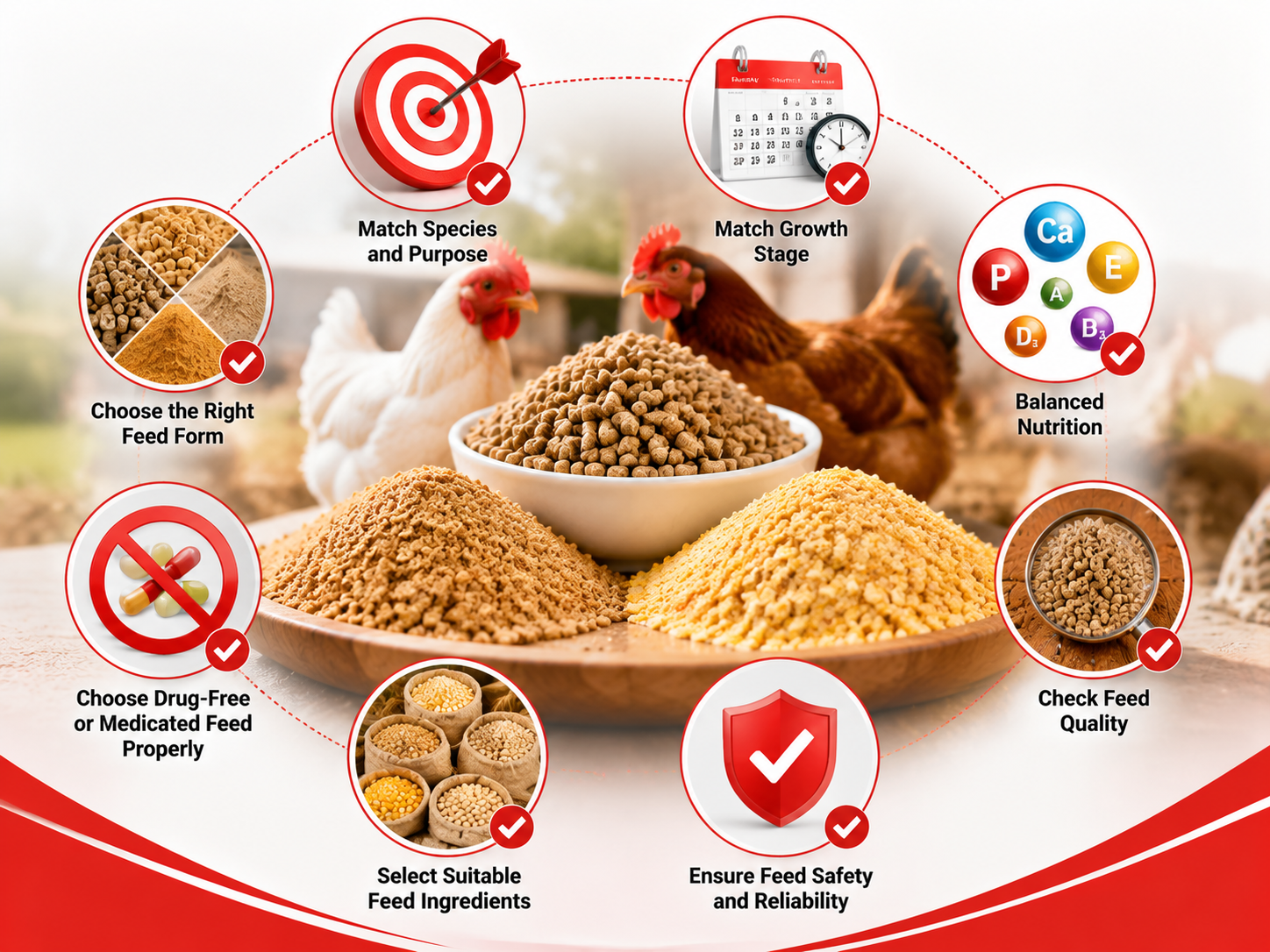
Feeding nutrition and feed utilization have their own advantages and disadvantages.Both chickens and ducks can eat conventional grain compound feed, but ducks have more special nutritional requirements: ducklings ‘niacin requirements are 20%-60% higher than chicks, and lack of niacin easily leads to skeletal development abnormalities and leg lesions.Adult ducks produce meat to support larger, high-nutrition eggs and eat 20%-30% more than chickens of the same stage.However, ducks have strong foraging ability in the field, and the consumption of commercial feed can be greatly reduced by eating insects, weeds and field snails in the free-range mode.In terms of feed conversion rate, commercial broilers have more obvious advantages, with a feed to meat ratio of 1.5 – 2.0, which is better than 2.3 – 2.7 for meat ducks; at the same time, chicken feed is more standardized, with wider procurement channels and better cost performance.
Difference between growth cycle and egg and meat products
The differences between growth cycle and product characteristics are outstanding.Broiler chickens can be sold in 5 – 9 weeks. The white chickens produced are tender and have low fat content. They are the most widely consumed poultry meat in the world. The market volume is huge.Meat duck can reach the same weight on the market in 6 – 8 weeks. Duck meat is darker in color, rich in oil and rich in flavor. It mainly focuses on high-end catering, characteristic fresh food market, and has higher premium ability.In terms of egg production performance, laying hens start laying at 16 – 21 weeks, with an annual output of 250 – 320 eggs; high-yielding laying ducks start laying a little later (24 – 28 weeks), but the annual output can reach 250 – 340 eggs, which is equal to or even better than laying hens.A single duck egg weighs 70 – 80 grams, which is about 30% larger than an egg (50 – 60 grams). It has higher nutritional content of fat, protein, and Omega-3, and a thicker eggshell. Moreover, some people with egg allergies can eat duck eggs normally. The product has obvious advantages in differentiation.In addition, ducks have a longer laying cycle and a more stable stability throughout the year.
Duck Farming vs Chicken Farming: Costs and Profitability
Comparison of initial capital and start-up costs
In terms of initial infrastructure and start-up funds, the start-up costs of chickens and ducks for small-scale courtyard breeding are basically the same, while large-scale commercial breeding differs greatly.20 – 50 family chickens, chicken houses, activity sites, infrastructure investment of about 500 – 2000 US dollars, low price of chickens, easy to purchase.However, large-scale commercial broiler farms need to invest high funds to build constant temperature systems, automation equipment, biosafety prevention and control systems, and the entry threshold is extremely high.Small-scale duck breeding (50 – 200 ducks) can meet the breeding demand without complex perches and egg boxes, and the infrastructure investment is lower, but additional water supply facilities such as ponds and drinking water systems need to be built.According to the Indian breeding data for 2025 – 2026, the overall start-up investment of 200 duck farms is about US$560 – 1100, which is a significant cost-effective advantage.In most areas, the unit price of duck seedlings is slightly higher than that of chicken seedlings, but the overall investment of small duck farms is more controllable.
Comparison of product revenue and premium space
At the revenue level, both have advantages.In the egg market, duck eggs are bigger, more nutritious, unique in taste and have a natural premium.The unit price of duck eggs in Indian market is 8 – 12 rupees, which is 5 – 7 rupees higher than eggs; duck eggs in European and American specialty markets can be sold for 7 – 12 US dollars per dozen, far more than ordinary eggs, and the stable production cycle of duck eggs is longer and the long-term income is more stable.In the meat market, chicken is a common food for the masses. The market volume is huge and the turnover is fast, which is suitable for large-scale profit; duck meat has unique flavor, accurate audience, higher unit price of high-end catering and characteristic market, and larger profit space for single product.At the same time, duck breeding can harvest additional duck down and duck feather by-products, ecological breeding mode can also save agricultural materials cost, comprehensive additional income is better than chicken breeding.
Overall profit model and adaptation scenarios
The difference of profit mode is clear: intensive commercial chicken breeding relies on large-scale stock, short turnover cycle to make profits, single profit is meager, but the overall revenue scale is large, cash flow is stable, mature industrial chain is more suitable for large-scale layout of enterprises.The profit advantage of small and medium-sized retail duck breeding is more prominent. Relying on low infrastructure investment, natural foraging cost reduction and product premium, the overall profit margin can reach 30%-45%.The annual net profit of 200 standardized duck farms in India can reach US $3000 – 3600. The breeding data of Indonesia, Vietnam, Egypt and other countries confirm that the input-output ratio of small and medium-sized ducks is better than that of local ordinary chickens, and the premium advantage of niche characteristic market is very significant.
Duck and Chicken Farming Equipment and Feed Requirements
Duck core breeding equipment configuration
Duck farm breeding equipment to ventilation, water purification, temperature control, feeding as the core, adapt to duck like water, afraid of stuffy, humid breeding characteristics.Standardized duck houses should be equipped with good ventilation system, timely discharge of moisture and harmful gases, to avoid mold breeding and disease problems.Basic equipment includes automatic feeder, clean drinking water, ventilation fan, duckling insulation heating equipment, lighting system, feces cleaning equipment.Large-scale duck farms will be equipped with fully automatic water feeding and feeding equipment to greatly reduce labor costs and improve feeding uniformity.At the same time, it needs supporting water facilities, drinking tanks or small pools to meet the physiological needs of ducks swimming in water and soaking their heads, which is the core equipment configuration different from chicken breeding.
Chicken core breeding equipment configuration
Chicken equipment is configured differently according to broiler and layer categories, and the overall automation and standardization are higher.General infrastructure includes feeding system, drinking water equipment, ventilation and temperature control equipment, lighting equipment and feces cleaning equipment.Commercial broiler farms shall focus on setting up constant temperature ventilation system and automatic feeding equipment to ensure rapid fattening; laying hen farms shall be additionally equipped with special cages, laying auxiliary equipment and automatic egg picking equipment to improve egg collection efficiency.Large-scale chicken farms have a high penetration rate of full-automation equipment, which can realize the whole process automation of feeding, drinking water, ventilation and excrement cleaning, and adapt to high-density intensive breeding mode.
Core requirements for universal feed for chickens and ducks
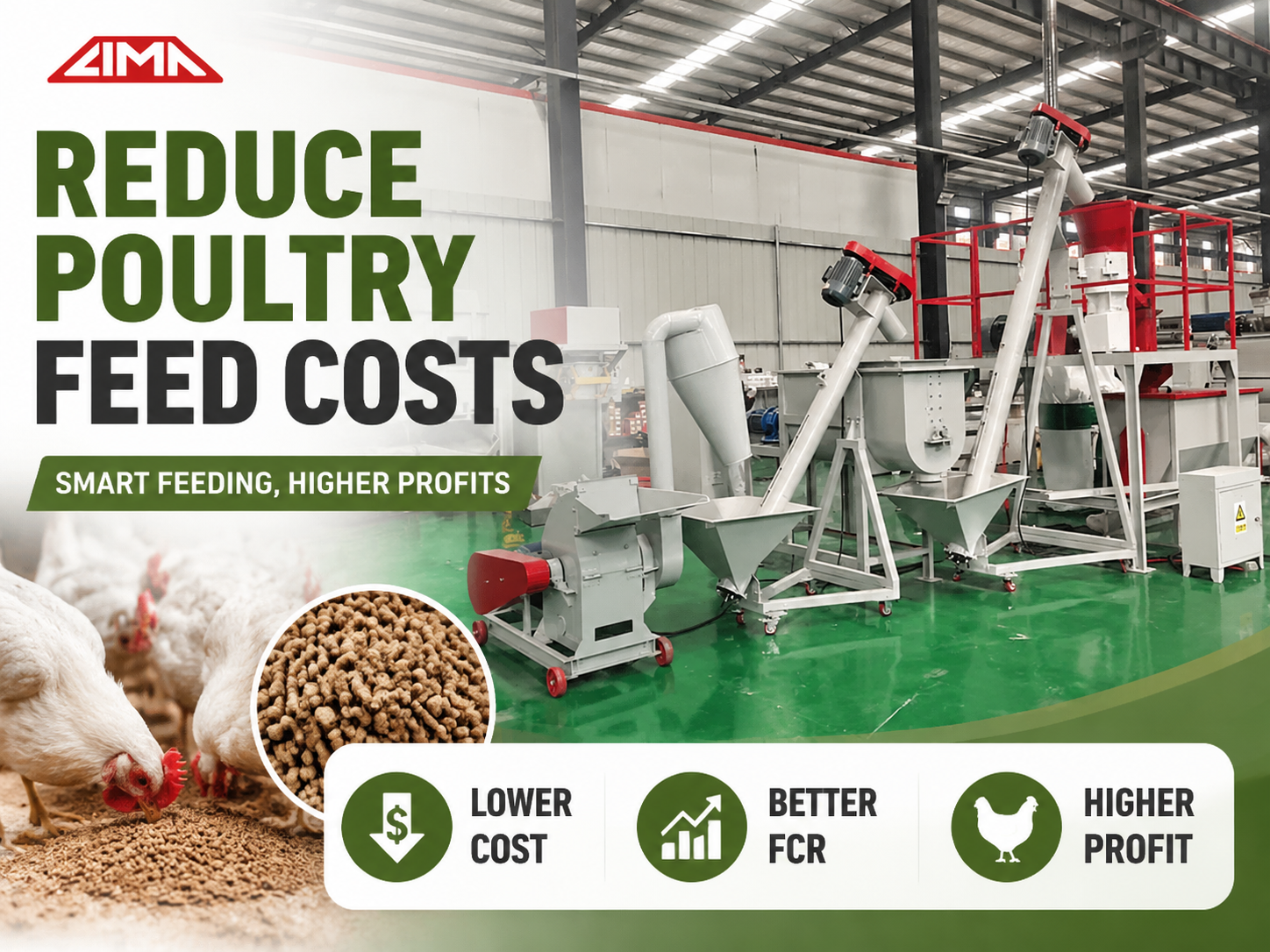
Feed is the largest operating cost of poultry breeding. Chicken and duck breeding requires balanced nutritional feed that covers core nutrients such as protein, energy, vitamins, and minerals to meet the needs of different growth stages.The feed formula of young birds, breeding birds and laying birds shall be accurately distinguished. Young birds shall focus on growth and development nutrition, while laying birds shall focus on stable and high yield nutrition.Commercial feed core raw materials include corn, soybean meal, wheat, rice bran, fish meal and multi-dimensional mineral additives, which can be made into powder or pellet, which is more convenient to store, feed and reduce waste.
Large-scale self-batching production equipment
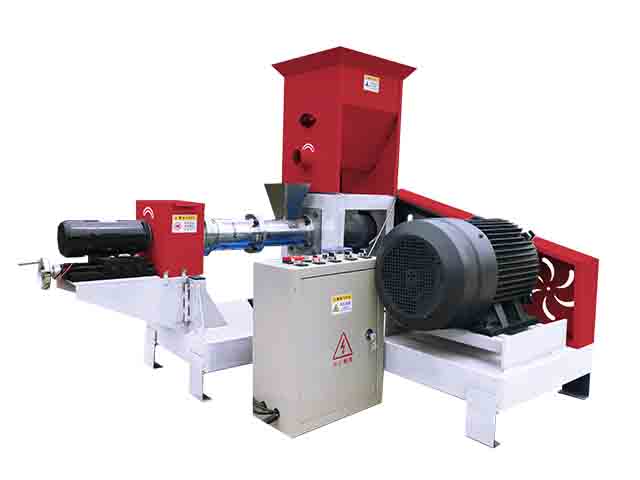
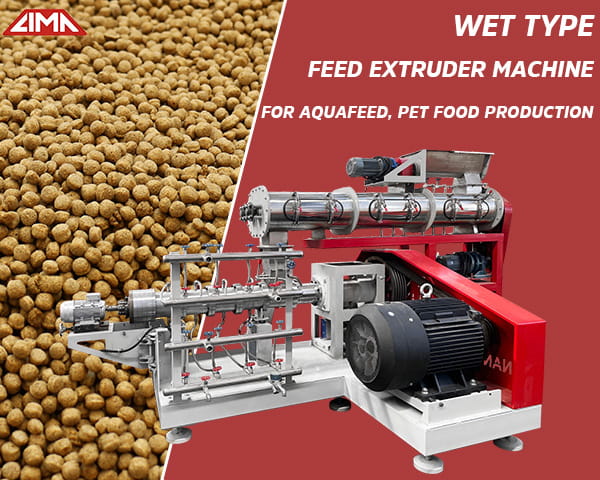
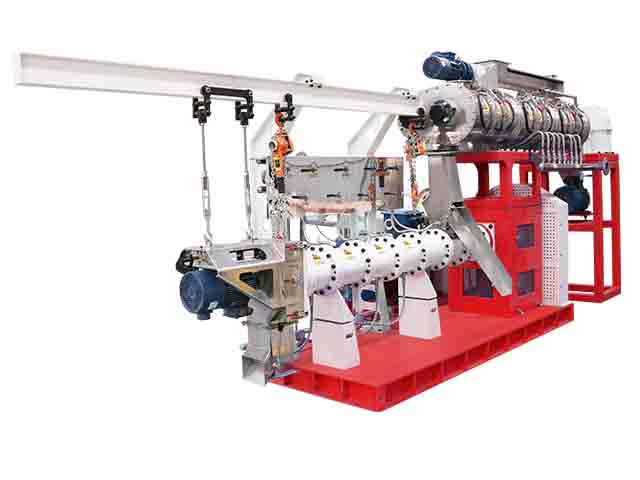
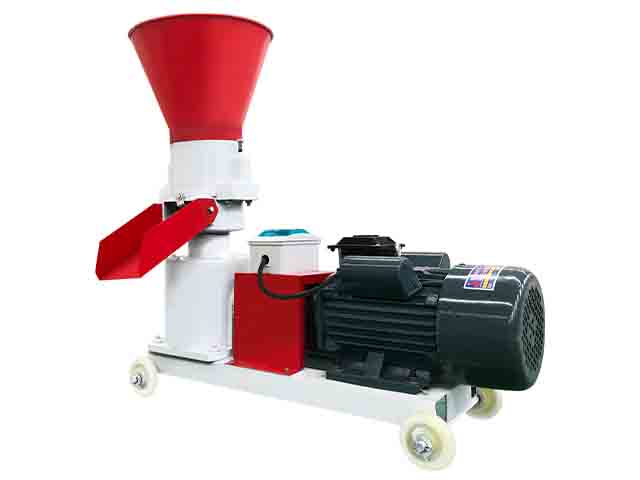
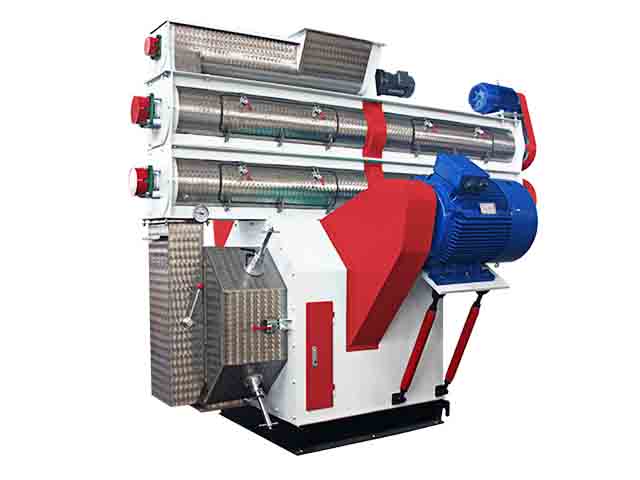
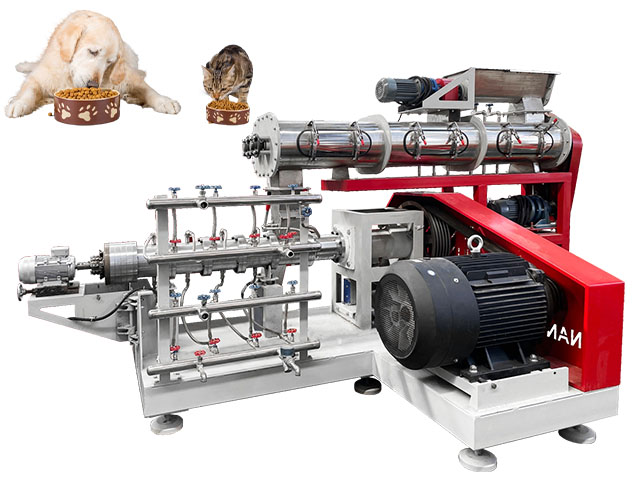
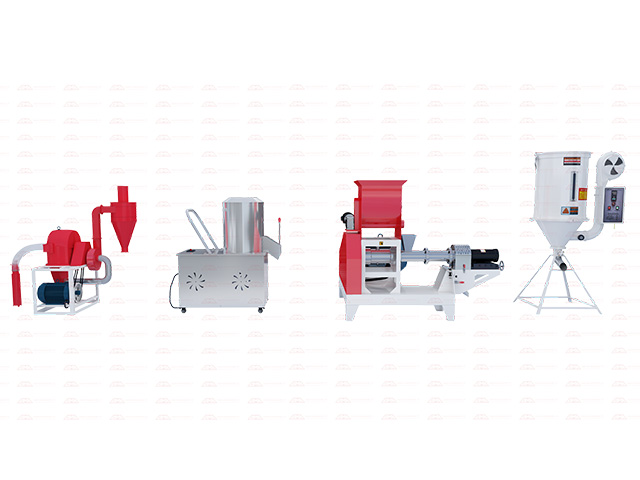
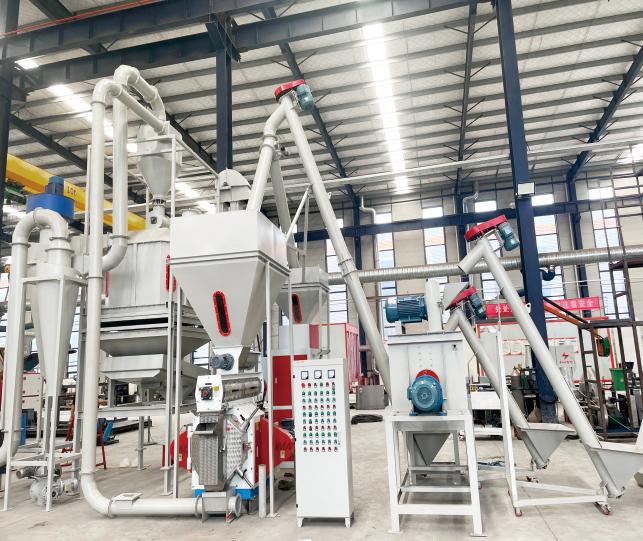
Medium and large chicken and duck farms can independently configure feed processing equipment to achieve independent ingredients, accurate prosecution, and reduce feeding costs.The complete set of feed production equipment includes grinder, feed mixer, pelletizer, cooling and screening equipment, packaging equipment.Feed pellet machine can compress mixed raw materials into uniform pellets, improve poultry intake efficiency, reduce feed waste and facilitate long-term storage.Farmers can flexibly select equipment models and production capacity according to breeding scale, daily feeding amount and breeding category.
Duck and Chicken Housing and Management Practices
Comparison of Mainstream Housing Systems for Chicken and Duck
Chicken house breeding system is divided into intensive, semi-intensive, free-range courtyard three categories.Intensive mode adopts bedding flat culture, cage culture, three-dimensional poultry house and constant temperature closed chicken house, which can store tens of thousands of birds in a single farm, which is suitable for commercial mass production; semi-intensive combination of indoor enclosure and outdoor grassland gives consideration to efficiency and activity space; courtyard free culture is equipped with simple chicken house, perch rack and egg box, which is suitable for small-scale family breeding.
Duck house system includes intensive, semi-intensive, ecological synthesis, yard free breeding four categories.Intensive use of leaky floor, ventilation temperature closed shed, focusing on solving the problem of moisture ponding; semi-intensive closed breeding at night, outdoor stocking during the day; ecological comprehensive mode relying on rice fields, fish ponds to build farm scenery, greatly reducing the dependence on housing; courtyard free breeding only needs simple low shed, focusing on supporting water facilities.On the whole, the duck house structure is simpler, and the chicken house has higher requirements for standardized hardware.
Site design and space standards
The general design standards of chicken and duck pens are good ventilation, no draught, smooth drainage, sun protection and anti-freezing. The east-west direction is adopted to reduce sun and temperature rise, and the sawdust, straw and rice husk bedding are used to absorb moisture and inhibit bacteria.The hen house core is configured with perch racks and laying boxes. Each adult chicken only needs 6 – 10 inches of perch space, and each laying box is configured for 4 – 5 hens. The breeding density is 0.5 square feet/chick, 1.5 – 2.5 square feet/chick, and 2 – 3.5 square feet/adult layer.
The duck house does not need to climb the perch frame, and the whole ground perches.Ducklings are initially raised at 0.5 sq ft/bird, 4 – 8 weeks later raised to 2 – 4 sq ft/bird, adult ducks indoors at 3 – 5 sq ft/bird, with outdoor play areas of more than 10 sq ft.The core differentiation requirements are that drinking and swimming facilities that can immerse the head must be equipped, and drainage and bedding replacement frequency must be strengthened to avoid moisture diseases.
Daily standardized feeding management process
General daily management: feed clean feed regularly and supply clean drinking water; pick up eggs every day, ducks lay eggs in the early morning, chickens lay eggs scattered during the day; inspect poultry status normally, isolate sick and weak individuals in time, and clean up dead birds; strictly implement biological safety prevention and control, disinfect personnel, isolate new birds, isolate wild birds, and avoid epidemic risks such as avian influenza; thoroughly kill and disinfect during empty house period, and make organic fertilizer by resource utilization of poultry feces.
Differentiated management: chickens focus on controlling stress behaviors such as feather pecking and fighting to ensure stable supply of habitat and egg box; ducks focus on ensuring clean water source, sufficient playing space, avoiding wet diseases of eyes and respiratory tract, and at the same time, field pest prevention and control can be carried out by relying on stocking.Chicken and duck can be mixed, but it is necessary to supplement niacin required by ducks, supply water in different areas, increase the frequency of bedding replacement, and avoid population competition.
Which Is More Suitable for Beginners: Duck or Chicken Farming?
The core advantages of novice chickens
Chicken breeding is the most stable entry choice for breeding novices. The core advantages lie in perfect supporting resources, low breeding threshold and gentle learning curve.First, chicken seedlings, feed, equipment, veterinary technology, teaching materials are fully covered by the whole network. Novices can quickly find solutions when encountering diseases, stress and feeding problems. After-sales and technical support are mature.Second, the chicken house management is simple, no need to match the water source, only need to do a good job of dry environment, habitat, egg box maintenance, daily care clean worry, no muddy wet trouble.Third, chicken feed standardization is high, no additional special nutrition, chicken seedlings cost-effective, easy to obtain, can easily buy de-temperature seedlings, high-yield layer seedlings.Fourth, chicken, eggs market universal, wide audience, self-use, mature sales channels, no slow sales risk.
Novice chicken short board: chickens are easy to peck, bully and other behaviors, closed breeding stress is stronger, respiratory tract diseases, parasite problems high incidence, environmental dryness, natural enemy protection requirements are higher.
Adapting Advantages of Novice Duck Raising
Although the popularity of duck breeding is lower than that of chicken breeding, it adapts to specific novice scenes and has outstanding advantages.First, ducks have strong physique, strong disease resistance, moisture resistance and temperature difference tolerance. After brood survival, group diseases rarely break out, and the novice fault tolerance rate is higher.Second, the foraging ability is extremely strong. In the free-range breeding scenario, it can independently prey on pests, weeds and field snails, greatly reducing the cost of feed procurement and having higher cost performance for long-term breeding.Third, the duck house is simple to build, without perches, complex laying facilities, low simple shed can meet the needs, gentle and quiet, no fierce struggle.Fourth, duck eggs have higher quality, longer stable production cycle, market premium, suitable for long-term small-scale income increase, and at the same time can give consideration to courtyard and farmland ecological pest control.
Novice duck breeding short board: The demand for playing in water leads to wet and muddy site, and the cleaning frequency is higher; exclusive high-nicotinic acid feed or nutritional supplement is required, and the seedling and veterinary resources are less than those of chickens; some duck breeds have strong flight ability and higher fence protection requirements.
New precision breeding selection recommendations
Pure novice, narrow site, dry living area, indoor captivity, the pursuit of low management difficulty, priority to chicken.It is recommended to breed 4 – 6 Rhode Island Red, Opington, self-segregated high-yielding layers, suitable for family free breeding, stable production and worry.
With outdoor space, own pond canal, wet and rainy area, low feeding cost, pursuit of product premium and ecological breeding, duck breeding is preferred.Beginners are recommended to breed Peking duck (meaty meat), Khaki Campbell duck (high-yielding eggs), Indian running duck, which is suitable for novice management rhythm.
Advanced mixed breeding: Novices can first raise chickens to consolidate basic breeding experience, and after proficiency, they can be mixed with ducks.Common poultry feed and niacin supplement for ducklings, water supply in different areas, increase the frequency of bedding replacement, reserve sufficient space for activities, and avoid population competition.
Duck Farming vs Chicken Farming FAQ
What is the core difference between raising ducks and chickens?
The core difference is that the variety attribute is different from the breeding scene: chicken is a six-year poultry, suitable for dry, closed and intensive breeding, industrialized maturity and walking volume; duck is a waterfowl, suitable for wet, water-side and open ecological breeding, with stronger disease resistance, higher product premium and more outstanding ecological value.Chicken farming focuses on large-scale mass production and stable cash flow; duck farming focuses on low investment, high single product profit and ecological circular breeding.
Chicken duck which kind of breeding meat, egg production is higher?
In terms of global overall production capacity, the total output of chicken and eggs far exceeds duck meat and duck eggs, and the market volume gap is very large.Compared with single production capacity, the annual egg yield of high-yield duck is flat or even higher than that of laying hen, and duck eggs are bigger, higher nutrition, longer egg laying cycle and better stable yield; meat duck and broiler chicken have similar production cycle, but broiler chicken has more uniform weight, meat quality is suitable for mass market, duck meat is mainly featured in high-end market.
Can chicken and duck coops be used universally?
Not fully universal.Chicken houses must be equipped with perches and egg boxes, focusing on drying and ventilation; duck houses do not need climbing facilities, must be equipped with water, soaking water sources, drainage, moisture, bedding replacement requirements are higher.In order to raise ducks in pure duck house, water source should be added and drainage should be optimized.
Is there a big difference between chicken and duck breeding equipment and management?
Basic equipment (heat preservation, ventilation, feeding, drinking water, enclosure) is universal, and differentiated equipment is chicken perch, egg laying box and duck water facilities.In terms of management, chickens focus on controlling dry environment, pecking behavior and egg stability; ducks focus on controlling clean water quality, moisture resistance and nutrition balance (nicotinic acid supplement).Duck more worry disease resistance, chicken supporting technology more perfect.
Can chickens and ducks be mixed?
Mixed breeding can be done, but detailed adjustments are needed: use general poultry feed and add additional niacin to ducklings; set up drinking water points in different areas to avoid water pollution; expand breeding space and increase the frequency of litter replacement; monitor population conflicts in real time to avoid food grabbing and squeezing. problem.Reasonable polyculture can take into account the advantages of both and adapt to courtyard comprehensive culture.