Feed Pellet Mill for Cattle Farming
Feed Pellet Mill for Cattle Farming
What Is a Feed Pellet Mill for Cattle Farming?
Cattle breeding special feed pellet machine, also often referred to as feed pellet molding machine, pellet tablet machine, is the core feed processing equipment in the field of cattle and sheep breeding. Its core function is to process the mixed feed raw materials that have been prepared and pretreated into cylindrical feed particles with uniform density and regular shape through high-pressure extrusion and temperature-controlled shaping, which is specially suitable for the feeding, digestion and growth needs of cattle herds. It is an indispensable basic equipment for modern large-scale cattle raising.
Mainstream Equipment Types and Power Configurations
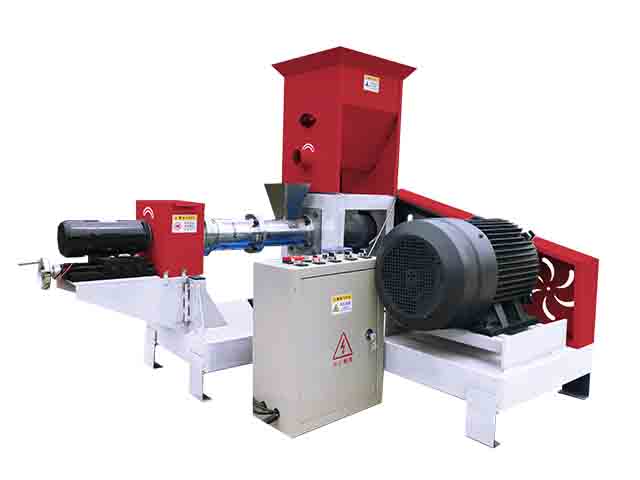
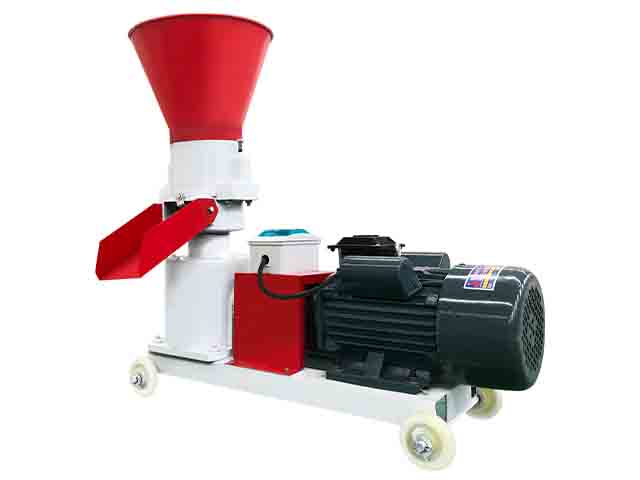
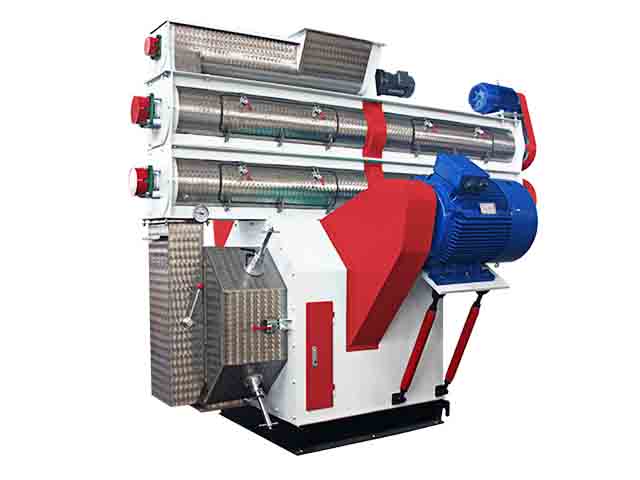
Flat Die Pellet Mill
Flat mold pellet machine has simple structure, low cost, low threshold for equipment operation and maintenance, capacity range of 60-1000kg/h, belongs to small and medium-sized equipment, highly suitable for daily production of family retail investors and small farms. The equipment supports intermittent operation and energy consumption is suitable for small-scale farms. The disadvantages are low efficiency and limited capacity in large-scale continuous production.
Ring Die Pellet Mill
The ring mold pellet machine belongs to industrialized high-end equipment, with a capacity of 1-15 tons/hour or even higher, suitable for large-scale breeding bases and commercial feed processing plants. The equipment adopts annular mold design, with more uniform pressure, better molding effect, higher particle density, storage resistance, high energy consumption utilization rate, strong durability of equipment, and continuous stable operation for 24 hours. The only short board is the equipment procurement cost and relatively high maintenance cost.
Why Use Feed Pellets for Cattle Farming?
Optimize Feed Digestibility and Improve Breeding Efficiency
The high temperature and high pressure conditioning process in the feed granulation process can promote the starch in the feed to fully gelatinize, destroy the anti-nutritional factors in the raw materials, soften the crude fiber structure, better adapt to the rumen digestion mechanism of cattle, and greatly improve the overall digestion and utilization rate of the feed. Compared with traditional bulk feeding, pellet feed can effectively improve feed conversion rate, accelerate calf growth rate, improve weight gain efficiency of beef cattle, improve milk yield and milk quality of dairy cows, and comprehensively improve breeding economic benefits from growth and production dimensions.
Enhance Feed Storage and Feeding Safety
The high temperature treatment in the granulation process can effectively kill harmful microorganisms such as Escherichia coli and mold in the feed, and reduce the risk of mildew and germ breeding in the feed. The formed pellet feed has a firm structure and is not prone to moisture, agglomeration, and delamination. Compared with loose powder, it can effectively avoid problems such as nutrient loss, insect infestation, and mildew during storage, and greatly extend the feed storage cycle. Stable feed quality can reduce gastrointestinal diseases, mildew poisoning and other problems of cattle, reduce the risk of breeding diseases, and ensure the healthy growth of cattle.
Flexible Feed Formulation to Meet Diverse Breeding Needs
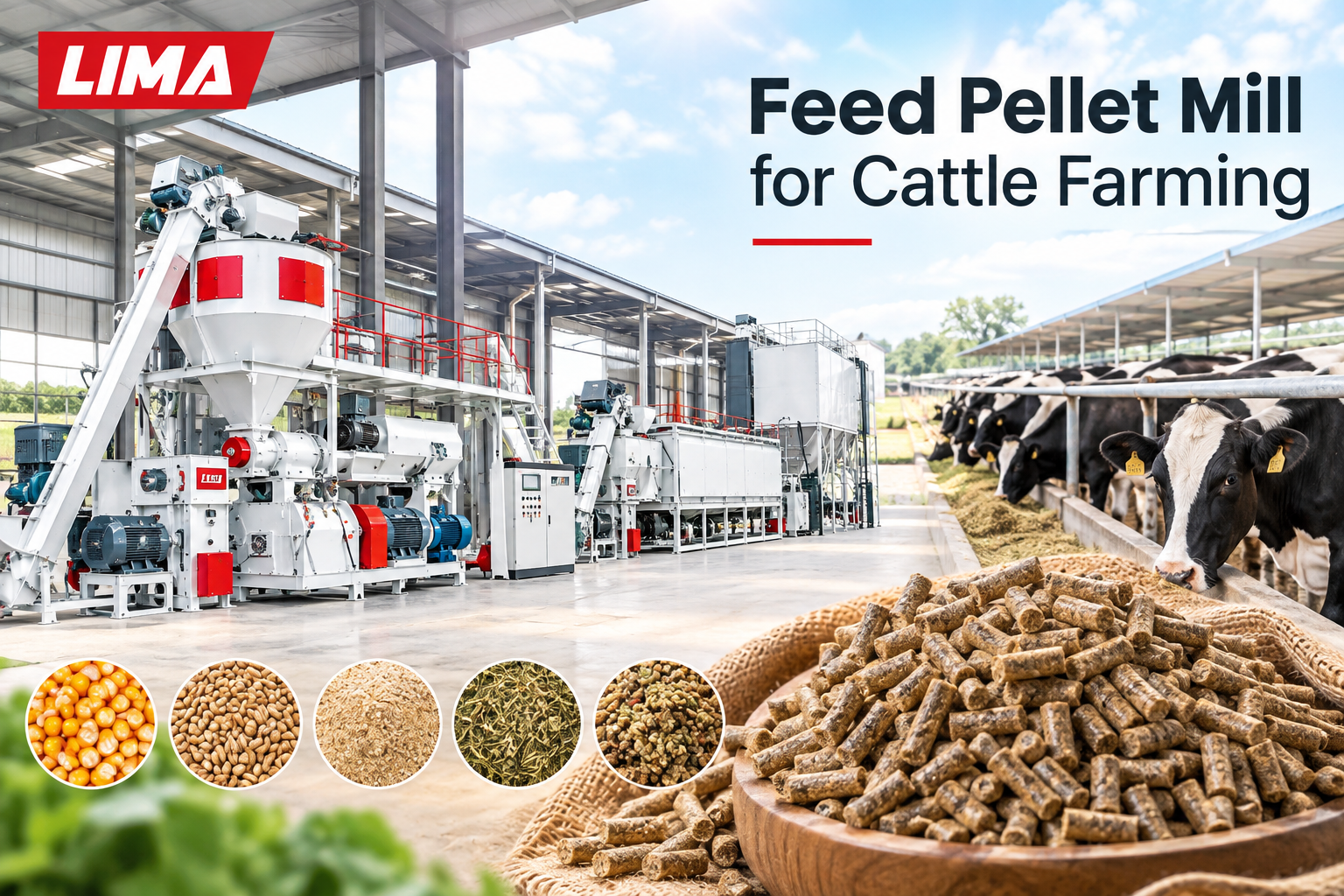
Using pellet machine to make cattle feed, farmers can rely on local crop straw, agricultural and sideline products, grain and oil processing scraps and other raw materials to independently prepare feed formula, without relying on commercial finished feed. It can not only adjust the nutrition ratio according to different breeding categories and growth stages of dairy cows, beef cattle, calves and fattening cattle, accurately match the breeding needs, but also maximize the use of local cheap raw materials, reduce the cost of feed procurement, and realize low-cost and customized breeding. It should be noted that pellet feed can not completely replace coarse feed, and proper amount of forage and straw should still be matched in the breeding process to ensure the rumen health of cattle.
What Ingredients Are Used to Make Cattle Feed Pellets?
Energy Feed Raw Materials
Energy raw material is the core component of cattle feed, accounting for 20%-60% of pellet feed formula, mainly for herd growth, lactation, daily activities to provide carbohydrates and energy, directly determine the herd growth rate and production performance. Common energy raw materials are corn, wheat, barley, sorghum, oat and other grains, among which corn has the widest applicability and the highest energy conversion rate, which is the mainstream core raw material. At the same time, rice bran, wheat bran and other agricultural and sideline products can also be used as auxiliary energy raw materials, which can not only supplement energy, but also add a small amount of protein and crude fiber to enrich the nutritional structure of feed.
Protein Feed Raw Materials
Protein raw material is the core nutrition of cattle muscle growth, milk synthesis and immune repair, and is an indispensable component in feed ratio. In breeding, priority is given to the use of more cost-effective vegetable protein raw materials, including soybean meal, cottonseed cake, peanut cake, rapeseed meal, sunflower seed meal and other oil processing leftovers. Among them, soybean meal has high protein content and stable quality, and is a universal high-quality protein raw material. In some high-end breeding scenarios, a small amount of animal protein such as fish meal can be added, and at the same time, non-protein nitrogen raw materials such as urea can be added in an appropriate amount to supplement nitrogen elements for ruminants. The dosage shall be strictly controlled to avoid exceeding the standard and causing diseases.
Coarse Fiber Forage Raw Materials
As ruminants, cattle crude fiber is the core nutrition to maintain rumen motility and digestive function, which is indispensable. Crude fiber raw materials mainly include alfalfa, grass, hay and other high-quality forage grass, as well as wheat straw, corn straw, straw, peanut seedlings and other crop residues. At the same time, beet residue, soybean hull, cottonseed hull and other auxiliary materials can also be used as crude fiber sources, which can not only improve the crude fiber content of feed, ensure rumen health, but also enhance the particle molding degree and improve the storage resistance of feed. The proportion of high fiber raw materials is controlled at 10%-20%, which is suitable for the digestive physiological characteristics of cattle.
How to Make Cattle Feed Pellets with a Pellet Mill?
Raw Material Screening and Pretreatment
The first step of feed processing is raw material screening and pretreatment to ensure the quality of pellet feed from the source. First, strictly screen all kinds of raw materials, remove moldy, rotten and deteriorated raw materials, remove stones, metal impurities, sediment and other foreign matters in raw materials through sieve and magnet equipment, so as to avoid damaging equipment and affecting feed safety. For straw, hay, peanut seedlings and other long roughage, it is necessary to chop it into 1-2cm pieces in advance for subsequent crushing and processing. At the same time, the moisture content of raw materials shall be controlled. Wet raw materials shall be dried in advance to prevent mildew during processing and storage, laying a foundation for subsequent procedures.
Crushing and Refining of Raw Materials
All kinds of raw materials after pretreatment are put into a hammer mill for grinding and processing, and the particle size of raw materials is controlled within 3-4 mm. Refining the particle size of raw materials can improve the stirring uniformity, particle molding degree and feed digestibility. In the process of crushing, it is necessary to distinguish the types of raw materials. Grain and concentrate raw materials shall be crushed more finely. The particle size of coarse fiber raw materials such as straw and forage grass shall be relaxed appropriately to avoid excessive crushing and excessive dust. Raw material crushing too coarse will lead to loose particles, easy to break, too fine dust, particles too hard, affecting herd intake and digestion, need to strictly control crushing standards.
Precision Mixing
All the crushed raw materials, additives and liquid auxiliary materials are uniformly put into a feed mixer for 5-10 minutes to be fully stirred to realize uniform distribution of nutrient components. The mixing process should follow the principle of first solid, then liquid, first mix grain, cake, crude fiber raw materials, dry powder additives, and then slowly spray molasses, water and other liquid materials to ensure that each mixture has the same nutritional ratio. Small-scale breeding scenarios can be manually assisted with stirring, and large-scale production relies on professional mixers to greatly improve mixing accuracy and efficiency and avoid local nutrient imbalance.
Feed Conditioning Optimization
Conditioning is a key process to improve the quality of pellet feed, which is necessary for large-scale production. Small equipment can simplify operation. Through steam heating and spray humidification, the temperature of the mixture is raised to 70-90 °C, and the moisture content is adjusted to 15%-18%. High temperature and humidity environment can promote starch gelatinization, strengthen raw material cohesion, make particles more compact and durable, kill harmful bacteria in raw materials, soften crude fiber, improve feed digestion and utilization rate. Small flat-mold pellet machine does not need professional steam conditioning, can adjust humidity by adding water, molasses, relying on the heat generated by equipment extrusion friction to complete simple conditioning.
High-Pressure Pelletizing
The mixture after conditioning is put into the hopper of the granulator at a constant speed, and the equipment is started to complete the granulation molding. The continuous pressure of the press roller forces the mixture through the die holes to form strips of feed, which are then cut into standard length pellets by custom cutters. During the processing, the mold should be changed according to the herd type, and the calf should use 3-4mm mold hole, and the adult cow should use 6-8mm mold hole. At the same time, control the feeding speed to avoid overload of the equipment and ensure uniform particle density and length. The temperature of the newly formed particles can reach 80-90 °C, and the texture is soft, belonging to the normal processing state.
Pellet Cooling and Drying
High temperature molding particles have high moisture content, soft texture, and are easy to mold and agglomerate when stored directly, so cooling and drying is an essential process. The large-scale production line uses a counter-flow cooler, which can cool the particles to normal temperature in about 10 minutes and reduce the moisture content to 13%-14% of the safe storage standard. In the small-scale breeding scene, the particles can be evenly spread, naturally ventilated and cooled, and the hardness of the fully dried particles reaches the standard and the structure is stable, which can effectively avoid deterioration and damage during storage.
Screening, Grading, Storage and Packaging
The cooled particles are screened by vibrating screen to remove dust, broken particles and residual particles. The screened broken materials and dust can be recycled and processed again to avoid waste of raw materials. For calf breeding needs, large pellet feed can be crushed into fine pellets, suitable for calf intake. Finally, the finished particles are bagged and sealed according to the specification of 25-50kg, marked with formula and production date, stored in a cool and dry place, or directly stored in bulk to complete the whole processing flow.
What Equipment Is Needed for Cattle Feed Pellet Production?
Core Production Equipment
The core equipment is the foundation of feed pellet production, covering the whole process from raw material treatment to finished product molding. All large-scale and standardized production scenarios need to be equipped, which is the key to ensure production efficiency and feed quality.
Raw material cleaning equipment includes vibrating screen, stone remover and magnetic separator, which are mainly used to remove sediment, stones and metal impurities in raw materials, protect subsequent processing equipment, improve feed purity and avoid breeding safety risks from the source. Raw material storage bin and storage tower can realize batch storage of raw materials and adapt to continuous production.
The grinding equipment is mainly hammer grinder, equipped with forage chopper and straw crusher, which can take into account the grinding and processing of grain concentrate and coarse fiber forage, adapt to the processing requirements of all types of feed raw materials, and ensure that the particle size of raw materials is uniform and up to standard. Mixing equipment is divided into horizontal and vertical mixers, which can adapt to different batches of raw materials to achieve accurate mixing of nutrients.
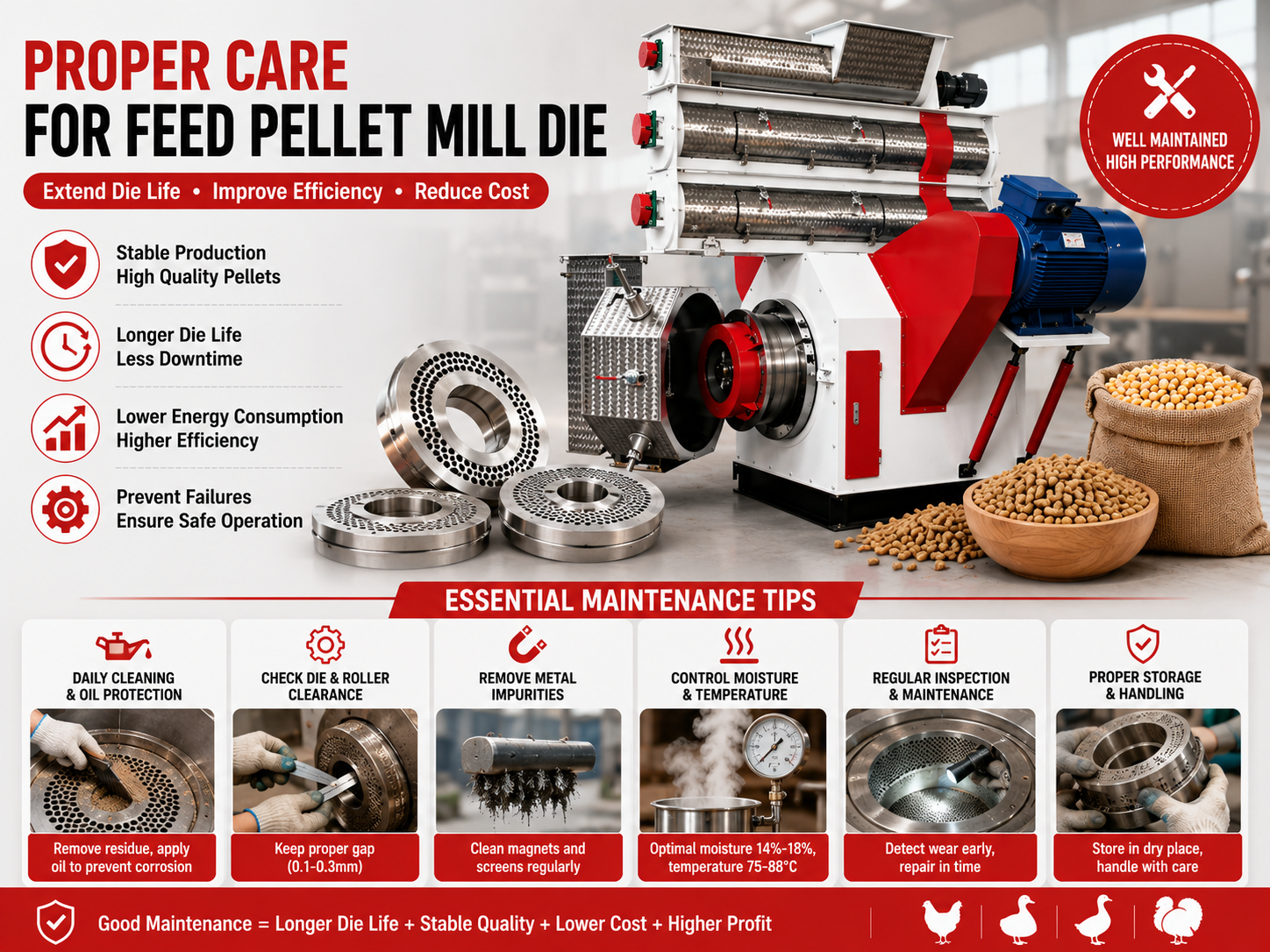
The core equipment of particle forming is flat die and ring die particle machine, which can be flexibly selected according to production scale, equipped with special die, pressure roller and cutter to meet the production needs of different specifications of particles. Steam conditioning machine is the core equipment, which can greatly improve the quality of particles. It is an essential equipment for commercial production lines.
The post-treatment equipment includes counter-current cooling machine, vibrating screening machine and automatic packaging machine, which are respectively responsible for cooling and drying of particles, screening of defective materials and quantitative packaging of finished products, so as to realize the standardization of the whole production process.
Auxiliary Equipment
Auxiliary equipment is mainly used to improve the level of production automation, optimize the production environment, ensure the stable operation of equipment, and adapt to medium and large breeding production lines. Conveying equipment includes screw conveyor, belt conveyor and bucket elevator, which realizes automatic transfer of raw materials and semi-finished products, reduces manual intervention and improves production efficiency. Dust removal equipment through cyclone dust removal, pulse dust removal system, collect dust in the production process, improve the workshop working environment, avoid dust pollution and safety hazards.
In addition, the liquid addition system can accurately control the addition amount of molasses, grease and other liquid accessories to ensure accurate formula; the steam boiler provides stable steam heat source for the tempering machine; the PLC automatic control system can realize one-button start and stop of the equipment, intelligent parameter adjustment, and adapt to large-scale intelligent production. For high humidity forage grass raw materials, can be equipped with drying equipment to ensure that the moisture content of raw materials standards.
Key Selection Points
Equipment selection should give priority to matching its own production scale, raw material type and breeding budget, and eliminate overkill and equipment overload operation. High crude fiber straw raw materials need to be equipped with wear-resistant molds and powerful crushing equipment to avoid excessive equipment loss; diesel power equipment can be selected for unstable power grid sites. At the same time, priority should be given to selecting equipment with solid materials, universal accessories and perfect after-sales service, paying attention to the quality of fragile parts such as molds and pressure rollers, maintaining regularly, prolonging the service life of equipment and ensuring long-term stable production.
What Types of Cattle Feed Can Be Made with a Pellet Mill?
Complete Compound Pellet Feed
The complete compound pellet feed is the most comprehensive feed type, which contains all nutritional components such as energy raw materials, protein raw materials, crude fiber forage grass, minerals, vitamins, etc., with scientific proportioning and balanced nutrition, and can be directly fed as staple food for cattle, and only a small amount of high-quality forage grass can meet the growth and production requirements. The feed is suitable for intensive dairy cattle breeding and beef cattle fattening farms, can thoroughly solve the problems of unbalanced nutrition and feed waste, can stably improve the milk yield of dairy cows and accelerate the beef cattle fattening speed by adopting standardized nutrition proportion, and is a mainstream feed for modern large-scale breeding.
Concentrate Supplementary Pellet Feed
The concentrate pellet feed belongs to a high-nutrition auxiliary feed, is a forage grass with high energy and high protein and does not contain a large amount of crude fiber, and is mainly used for feeding with field forage grass, silage and straw roughage to make up for the shortcomings of single nutrition and insufficient energy protein of roughage. The feed is suitable for grazing culture and semi-intensive culture modes, can supplement nutrition according to the nutritional defects of roughage, has extremely high cost performance, can effectively improve the growth efficiency and production performance of grazing cattle, and is suitable for daily feeding of various cattle.
High-Fiber Forage Pellet Feed
The high-fiber forage grass granule is made of coarse fiber raw materials such as alfalfa, pasture, various crop straws, peanut seedlings, beet pulp and the like as the core and matched with a small amount of concentrate. The high-fiber forage grass granule has high coarse fiber content, perfectly adapts to the ruminant digestion characteristics of cattle, and can effectively maintain rumen peristalsis and digestion functions. The feed solves the problems of difficult storage, fussy transportation and low utilization rate of loose straws and pasture, converts low-value roughage into high-utilization-rate granulated feed, greatly improves the utilization rate of agricultural and sideline products, is suitable for daily health-care feeding of various cattle, and is particularly suitable for breeding of dairy cows and replacement cows in a dry period.
How to Choose a Feed Pellet Mill for Cattle?
Determine Equipment Capacity According to Breeding Scale
Equipment capacity selection is the core of purchase. It is necessary to accurately match the number of cattle and daily feed demand, reserve 15%-25% capacity margin to adapt to the expansion of breeding scale and seasonal production demand, and avoid equipment overload or idle. For small cattle farms with less than 20 heads, the daily feed demand is 100-200kg, which is suitable for 100-200kg/h capacity equipment; for 20-80 medium-sized farms, the daily demand is 300-800kg, and 300-800kg/h equipment is selected; for 80-300 large-scale farms, 1-3 tons/h capacity equipment is suitable; large-scale commercial feed production requires a large-scale circular mold production line of more than 5 tons/h. It is strictly prohibited to small capacity equipment overload operation, avoid equipment loss, particle quality decline.
Choose Between Flat Die and Ring Die Models
The flat-die granulator has high cost performance, simple operation, convenient maintenance, small equipment volume and small occupied area, supports intermittent start-stop operation, and is perfectly suitable for small-scale breeding production below 1 ton/h. The mould of the equipment can be turned over for use, with longer service life and wide adaptability to raw materials. It can be used to process various crude fiber and concentrate formulations. It is the first choice for individual investors and small farms.
The ring-mold granulator mainly features high capacity, high efficiency, high quality, uniform equipment pressure, high density of formed granules, good product appearance and storage resistance. It supports 24-hour continuous production, with higher energy consumption utilization rate and remarkable cost-performance advantages for long-term large-scale production. However, the equipment procurement and maintenance cost is higher, and the operation is more professional, which is only suitable for medium and large-scale commercial production scenarios with a capacity of more than 1 ton/h.
Match Die Specifications to Material Properties
Mold is the core accessory to determine the particle specification and quality, which shall be accurately selected according to the breeding objects. 3-4mm fine hole mould is special for calves, 6-8mm general mould is selected for adult cows and beef cattle, and 10mm large hole mould can be selected for special fattening needs. The replaceable mould can greatly improve the universality of equipment. At the same time, the compression ratio of the mould shall be adjusted according to the feed formula. The mould with high compression ratio shall be selected for the high-fiber straw feed to ensure the compaction of granule molding; the mould with low compression ratio shall be selected for the high-starch concentrate formula to avoid the influence of over-high granules on ingestion and digestion. The equipment for long-term processing of high-fiber raw materials shall be equipped with forced feeding structure to avoid problems such as material blockage and poor forming.
FAQ About Feed Pellet Mills for Cattle
What Is the Core Role of the Cattle Feed Pellet Mill?
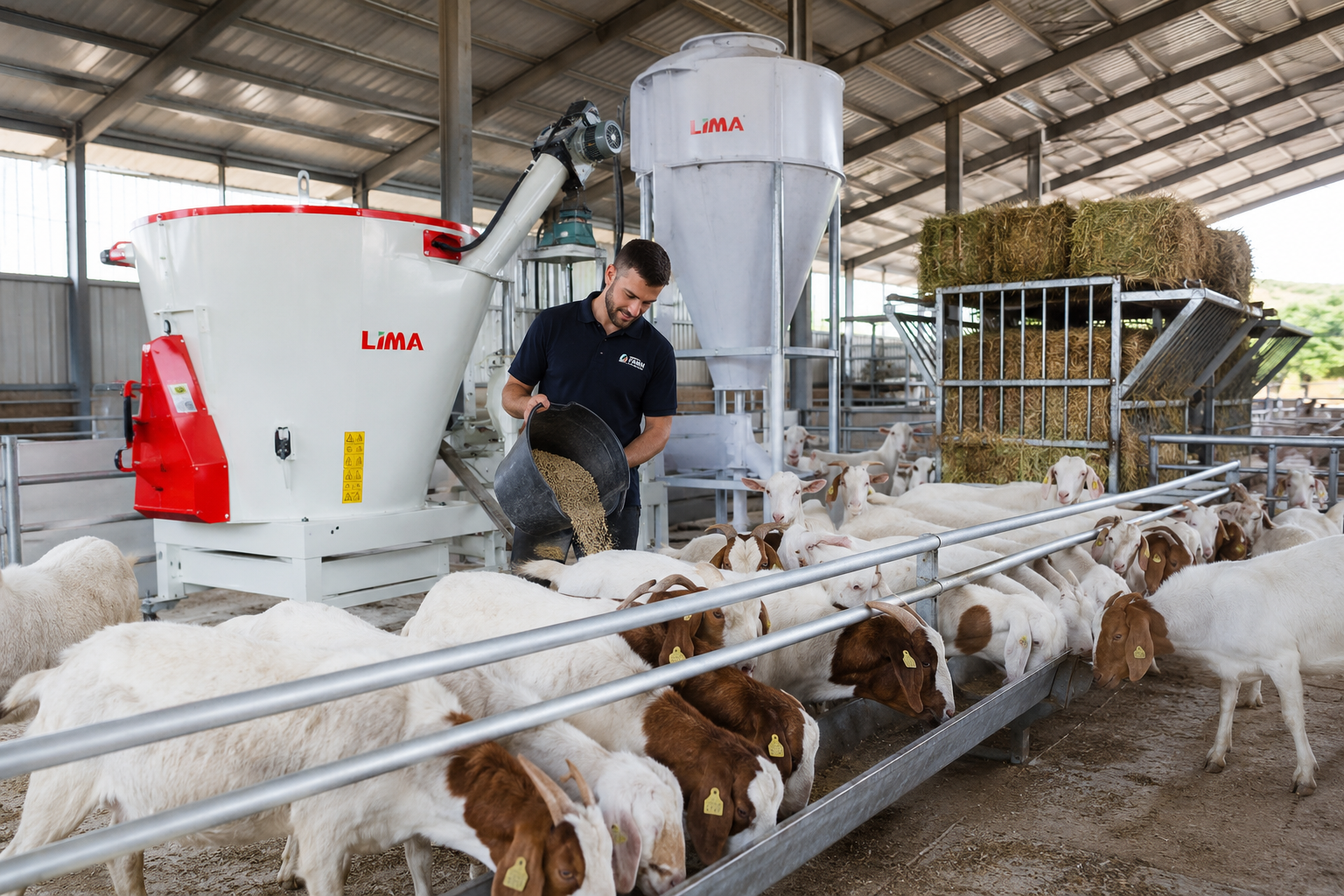
Cattle feed granulator is a feed processing equipment specially adapted to ruminant breeding. Its core function is to process all kinds of grains, cakes, straws, additives and other raw materials into granulated feed with uniform nutrition, unified specification, storage resistance and easy digestion through crushing, mixing and high-pressure molding. The equipment can realize the self-customization of the feed formula, reduce the feed waste, improve the feed utilization rate, reduce the breeding cost, improve the growth and production performance of cattle, and adapt to the production requirements of cattle farms of various scale.
What Are the Core Advantages of Pelleted Feed Compared to Bulk Feed?
The core advantages are concentrated in five dimensions: one is to eliminate picky eating, reduce feed waste and no dust loss; second, the nutrition is uniform and stable, and the nutrition proportion of each feed is consistent to avoid nutrition imbalance; third, high density, easy storage and transportation, saving storage and labor costs; fourth, high-temperature processing, sterilization and quality improvement, feed safer, storage-resistant; fifthly, the digestion and utilization rate is high, which effectively improves the benefits of weight gain and milk production, and reduces the comprehensive cost of breeding as a whole.
What Pellet Specifications Can the Pellet Mill Produce?
By replacing the molds with different apertures, the product can meet the requirements of cattle breeding in the whole stage. Calves and young cattle are suitable for 3-6mm fine particles, which are good in palatability and easy to digest; adult dairy cows and beef cattle are suitable for 6-8mm particles, which are suitable for feeding and digestion; high-strength fattening cattle can choose 10mm large particles to meet the demand of large feed intake, and the specification is flexible and adjustable.
Do Small Farms Need a Full Production Line?
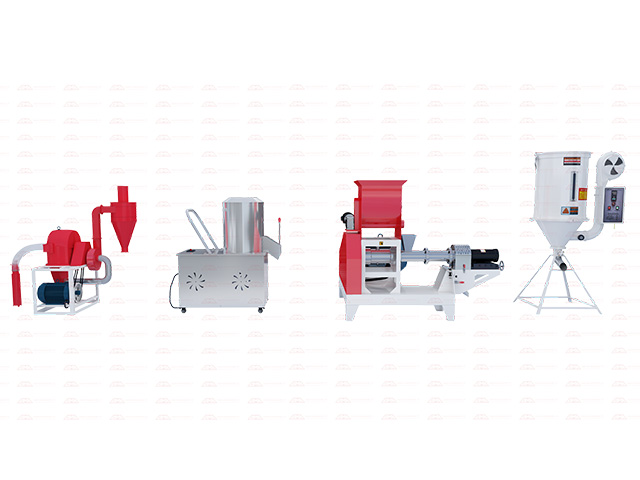
Not at all. The small-scale household farm only needs to be matched with a crusher, a stirrer and a small-scale flat-die granulator, and can completely meet the daily production requirements by natural cooling and manual screening and packaging, and has low equipment investment and simple operation. The full set of automatic production line is only suitable for medium and large-scale breeding and commercial feed processing scenarios, pursuing high capacity, high automation and high quality production.