Common Misunderstandings and Avoidance Methods of Novice Poultry Breeding
The entry threshold for poultry breeding is low, but novices generally have cognitive bias and non-standard operation problems, which can easily lead to high poultry dead panning rate, serious feed waste, unstable production capacity, breeding losses and other problems. The success or failure of poultry farming does not lie in complex technology, but in avoiding high-frequency basic misunderstandings. The vast majority of novice breeding problems focus on eight major sectors: variety adaptation, henhouse environment, feed control, feeding operation, disease prevention and control, brooding management, density planning and cost data, which can be predicted and corrected accurately in advance. Among them, feed processing and feeding management is the core of breeding profitability, which directly determines the feed conversion rate, poultry health status and final production capacity. This paper focuses on the real breeding pain points of novice, eliminates the invalid theory, accurately combs all kinds of common misunderstandings, with strong landing avoidance programs, to help farmers quickly establish a standardized breeding system, reduce cost efficiency, stable output.
- Common Misunderstandings and Avoidance Methods of 1. Variety Selection
- Misunderstandings and Avoidance Methods of 2. Coop Design and Environmental Management
- Misunderstandings and Avoidance Methods of Feed Material Selection and Proportioning Breeding
- Misunderstandings and Avoidance Methods of Daily Feed Feeding
- Mistakes and Avoidance Methods of Disease Prevention and Control Management
- Core Misunderstandings and Avoidance Methods of Chick Breeding Management
- Breeding Density and Daily Operation and Maintenance Misunderstanding and Avoidance Methods
- Mistakes and Avoidance Methods of 8. Data Monitoring and Cost Control
Common Misunderstandings and Avoidance Methods of 1. Variety Selection
1. Blind selection of products, ignoring suitability
Most novice selection only depends on seedling price, appearance and purchasing convenience, ignoring the adaptability of varieties to their own breeding conditions, climate environment, feeding system and market demand, which is the primary incentive for initial losses in breeding. The growth characteristics, nutritional requirements and environmental tolerance of different poultry breeds vary greatly: fast large broilers focus on feed conversion weight gain, high-yield laying hens focus on continuous egg production and eggshell quality, and local slow breeds adapt to extensive breeding mode. Blind selection of products will directly lead to slow growth, high dead panning rate, substandard egg production, high feed cost, and subsequent fine management can not make up for the short board of variety suitability.
The core principle of avoiding this misunderstanding is “set goals first, then select varieties”. Farmers need to clarify the core objectives of breeding in advance, accurately distinguish between broiler fattening, laying hens stable production, breeding and other positioning, combined with the local climate, chicken house hardware, feeding capacity and market marketing screening of suitable varieties, from the source to eliminate the problem of variety mismatch, for the follow-up efficient breeding to build a solid foundation.
2. Ignore the differences in feed conversion of varieties.
There are essential differences in the growth rate and feed conversion efficiency of different poultry varieties, and it is impossible to use a set of feeding programs. Commercial fast-growing broilers are adapted to high-protein, high-energy high-density nutritional feed, with short growth cycle and fast weight gain. Local slow varieties and mixed-use varieties have long growth cycle and are adapted to medium and low-concentration nutritional feed. Excessive high-concentration nutrition will cause waste and metabolic burden. High-yield laying hens have strict requirements on the ratio of calcium, phosphorus and vitamins. Novices generally use unified universal feed, resulting in a disconnect between nutrient supply and variety demand, either insufficient nutrition restricts production capacity, or excessive nutrition causes waste, feed conversion rate continues to be low, and profit margins continue to be compressed.
The targeted solution is personalized feed ratio and processing control. Farmers can rely on feed processing equipment to flexibly adjust the ratio of feed protein, energy and minerals according to the breeding varieties and growth stages. At the same time, they can accurately control the thickness and mixing uniformity of feed particles, adapt to the digestion ability and growth requirements of different varieties, fully release the genetic advantages of varieties, and maximize the utilization efficiency of feed.
3. No long-term seedling supply planning
Most novices only pay attention to the quality of single seedling procurement, lack of long-term supply chain planning, and purchase hatchery seedlings without formal qualifications and quality assurance at will. This kind of seedlings generally have problems such as gene instability, weak congenital constitution, recessive bacteria, low immunity, etc. After entering the market, the growth is uneven, the weak chick rate is high, and the dead panning rate exceeds the standard. Even if the follow-up feed is of high quality and the environment meets the standard, it is difficult to completely repair the congenital development defects, and the whole breeding loss remains high.
Farmers need to connect with regular hatcheries for a long time, establish stable seedling supply channels, and ensure that each batch of seedlings has unified genes, physical health and controllable quality. Stable seedling quality can enable farmers to accurately iterate feed formula and breeding scheme, gradually form a standardized breeding mode suitable for their own site, and continuously improve the stability of breeding.
4. Varieties and feed strategies do not match
After the variety is determined, the nutritional needs of poultry will be fixed, and the feed strategy must accurately match the characteristics of the variety, and novices often have the problem of disconnection between the variety and the feed scheme. Rapid growth of meat poultry seedlings need high amino acids, high energy feed to support rapid weight gain; high-yield laying hens need to balance calcium and phosphorus, stable energy supply, to ensure eggshell quality and sustainable egg production rate. A single general feed will cause nutritional imbalance, causing a series of problems such as slow weight gain, egg production fluctuations, decreased immunity, and weak disease resistance.
Through independent feed processing, the formula ratio, particle size and mixing uniformity can be flexibly controlled, the digestive characteristics and production needs of different varieties can be accurately adapted, the problems of poultry picky eating and uneven nutritional intake can be eliminated, the production potential of varieties can be fully utilized, and the advantages of high-quality varieties can be transformed into real breeding capacity.
Misunderstandings and Avoidance Methods of 2. Coop Design and Environmental Management
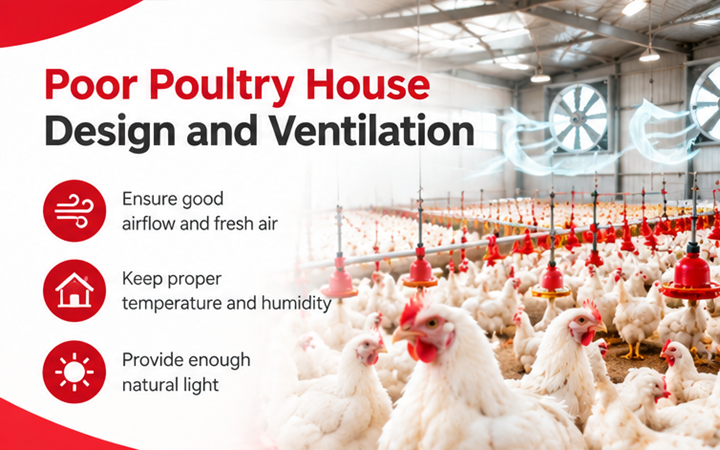
1. The ventilation is not smooth, and the environment in the house is blocked.
In order to maintain a stable temperature in the house, novices generally over-seal the chicken house and ignore the ventilation design, resulting in air blockage and poor circulation in the house. Poultry manure continues to produce ammonia, breeding dust, moisture, harmful gas accumulation for a long time can not be discharged, resulting in serious deterioration of air quality. The dirty air will continue to stimulate the poultry respiratory mucosa, reduce the desire to feed, causing chronic respiratory problems. At the same time, poultry will consume a lot of physical energy to resist the harsh environmental stress, unable to use nutrition for growth, weight gain and egg production, directly leading to frequent disease, feed conversion rate decreased significantly.
The core of scientific ventilation is uniform ventilation, no wind blowing. Farmers can use the roof air outlet and side wall air inlet with negative pressure exhaust equipment to build a three-dimensional ventilation system, continuously replace the dirty air in the house, discharge moisture, ammonia and dust in time, and at the same time avoid cold air blowing directly on poultry, maintain fresh air and stable environment in the house, and lay an environmental foundation for efficient feeding.
2. single temperature control, ignoring the temperature gradient
The misunderstanding of temperature control management focuses on the three major problems of single temperature measurement method, no temperature gradient, and lack of heat preservation. Novices only rely on the single-point value of thermometer to judge the overall temperature, ignoring the temperature difference between the corners, ground and areas of the chicken house. At the same time, most simple chicken houses do not have perfect heat preservation and insulation facilities. They are exposed to hot and sultry in summer and cold in winter. Poultry is in a state of stress with alternating cold and heat for a long time. Under high temperature environment, the feed intake of poultry drops sharply and the metabolism is disordered; under low temperature environment, poultry needs to consume a lot of feed energy to maintain body temperature, which greatly increases the energy consumption and feed cost of breeding. Chicks have poor body temperature regulation ability and are extremely sensitive to temperature difference. They are prone to problems such as piling up, eating less, lagging development, squeezing deaths and injuries.
Optimizing the thermal insulation structure of the wall and roof of the chicken house, with a controllable ventilation system, can accurately stabilize the temperature in the house and create a comfortable growth zone for poultry. Stable temperature environment can make poultry maintain regular feeding, efficient digestion and metabolism, give full play to the nutritional value of high-quality feed, and avoid the loss of production capacity caused by environmental stress.
3. Dampness and lack of humidity control of bedding
Poor drainage of the chicken coop site, insufficient ventilation, leaking roof and low-lying terrain will all lead to long-term damp and moldy bedding. Wet bedding is a breeding ground for germs, eggs and ammonia, which will not only cause fester and leg diseases of poultry feet, but also increase the risk of respiratory tract infection. At the same time, the humid environment will restrict the free movement of poultry and normal feeding, resulting in uneven group growth, an increase in weak birds, and a decline in overall production capacity.
Hardware optimization can raise the floor of the chicken house, improve the drainage system of the site, widen the roof eaves, and block the accumulation of moisture from the source. In daily management, continuous ventilation and regular replacement of bedding materials should be coordinated to keep the bedding dry and clean, ensure smooth poultry activities and feeding, and build a solid foundation for environmental health.
4. Breeding density exceeds the standard and layout is unreasonable
In order to pursue the yield of breeding, the novice generally blindly increases the number of breeding, resulting in excessive breeding density and crowded chicken coop layout. High-density farming will block the vent, compress the feeding channel, increase the difficulty of daily cleaning, killing, operation and maintenance, and cause serious competition for food and drinking water. Excessive intake of strong poultry, insufficient intake of weak poultry, poor group growth uniformity, increased stress response, serious waste of feed, and a significant decline in overall breeding efficiency.
The breeding layout should take into account the three cores of density, ventilation and operation and maintenance. The standard breeding density should be set according to the age, variety and chicken house volume of poultry. The distribution tank, water tank and habitat area should be evenly arranged. Sufficient ventilation channels and operation space should be reserved to ensure the free feeding and normal activities of poultry and maintain smooth air circulation in the house.
5. The location direction is unreasonable and the micro environment is bad.
The location and orientation of the chicken house directly determine the quality of the breeding microenvironment. Novices choose the site at will and set the orientation randomly, which is prone to problems such as low-lying water accumulation, blocked ventilation, exposure to the sun in summer, and direct blowing of cold wind in winter. The harsh site environment will make poultry in a state of chronic stress for a long time, digestive and metabolic disorders, feed digestion and utilization rate is greatly reduced, even if fed with high-quality feed, do a good job in daily management, can not make up for the continuous capacity loss caused by the environment.
The breeding site is given priority to areas with high terrain, smooth drainage and good lighting and ventilation. The long side of the chicken house is built along the dominant wind direction all the year round, so as to maximize the use of natural wind for ventilation, avoid strong light exposure and direct cold wind blowing, reduce the cost of artificial environment control and stabilize the breeding microenvironment.
The breeding environment is the core guarantee of feed conversion efficiency, which directly determines whether the feed value can be landed. Excessive ammonia, imbalance of temperature and humidity, crowded space, damp bedding and other adverse environments will continue to inhibit the digestive function and immunity of poultry, making high-quality feed unable to give full play to its nutritional advantages, resulting in the problem of “eating more, growing slowly and low production capacity. Only by ensuring that ventilation, temperature control, humidity and density all meet the standards and eliminating the environmental stress of poultry, can feed nutrition be efficiently converted into growth rate and egg production capacity, and the quality and efficiency of breeding can be improved.
Misunderstandings and Avoidance Methods of Feed Material Selection and Proportioning Breeding
1. Greedy low-cost selection of inferior feed raw materials
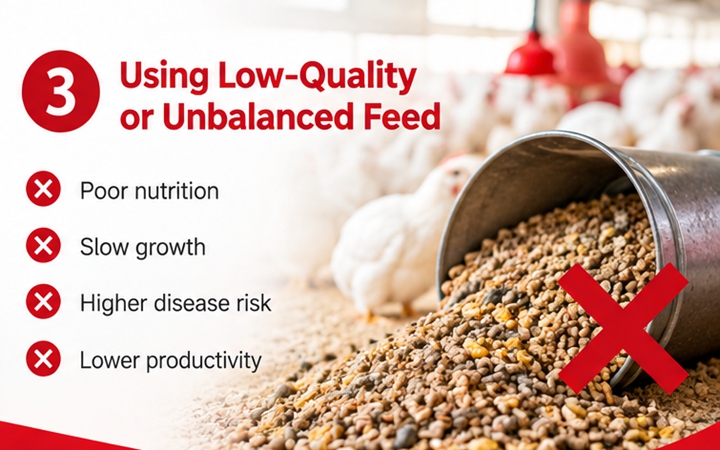
Feed is the largest cost of poultry breeding, accounting for more than 60% of the total breeding cost, and it is also the easiest link for novices to step on the pit. Most novices give priority to purchasing low-cost and inferior feed or raw materials in order to reduce short-term costs. Such feed generally has problems such as poor nutrition standard, unstable composition, excessive impurity filling, excessive mycotoxin, etc. Long-term feeding of inferior feed will lead to delayed growth of poultry, thin body, low immunity, decreased egg production, poor eggshell quality, seemingly saving the cost of feed procurement, but in fact triggered a series of hidden losses such as increased dead panning rate, increased input of veterinary drugs, prolonged growth cycle, etc., comprehensive breeding costs rose sharply.
Feed quality control needs to adhere to the principle of priority of raw materials, reject low-cost inferior raw materials, preferably fresh, standard, non-moldy high-quality raw materials. Through independent procurement and independent processing of feed, the quality of raw materials can be controlled throughout the process, harmful substances and impurity pollution can be eliminated, and each batch of feed can be nutritionally stable, safe and controllable, and the breeding risks caused by feed can be avoided from the source.
2. Feed does not match poultry growth stage
The physiological structure and nutritional requirements of different growth stages of poultry are significantly different, and the nutritional ratio of brooding period, breeding period, fattening period and laying period is completely different, but novices generally use the 1 general feed to feed the whole process, which can not adapt to the stage demand. Chickens have delicate intestines and stomach and fast development speed, and need feed support organ development with high protein and precise amino acid ratio. Poultry in the breeding period need to optimize the ratio of energy and protein to adapt to bone and muscle growth. Egg-laying poultry need special feed with high calcium, high phosphorus and balanced vitamins to maintain egg-laying performance. Universal feed can easily lead to excess or lack of nutrients, which seriously restricts the growth and production capacity of poultry.
The core of fine feeding is the precise ratio in stages. Farmers need to flexibly adjust the core nutrient ratios such as feed protein, energy, calcium, phosphorus and vitamins according to the age, growth status and production objectives of poultry, so as to realize the precise feeding in stages, adapt to the growth and development needs of poultry, and maximize the utilization value of feed and breeding capacity.
3. Ignoring the morphology and uniformity of feed particles
The uneven thickness of feed particles, insufficient mixing and improper shape are the breeding misunderstandings that novice can easily ignore but have great influence. Too fine grinding of feed will produce a large amount of dust, which will not only easily cause waste of feed, but also stimulate the respiratory tract of poultry and cause discomfort. Too coarse particles will lead to picky eating and partial eating of poultry, only eating raw materials with good palatability, and the remaining coarse particles will accumulate, deteriorate and become moldy. Uneven mixing will cause stratification of feed nutrition, with huge differences in nutrition of poultry in the same batch, eventually leading to uneven group growth and unbalanced production capacity.
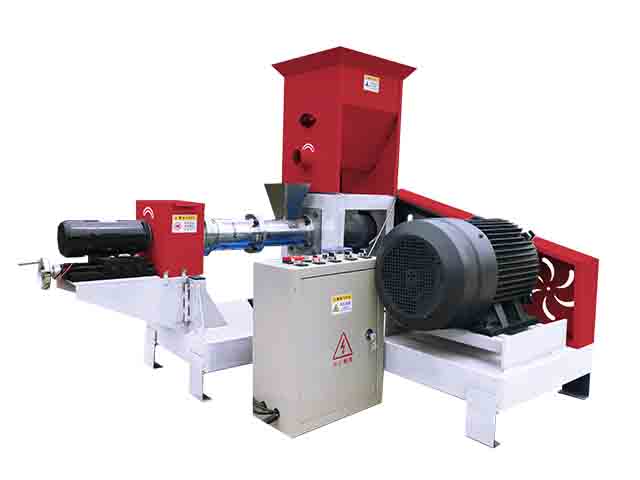
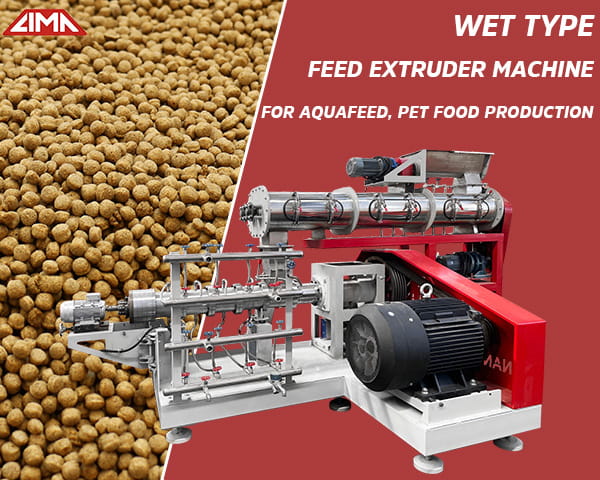
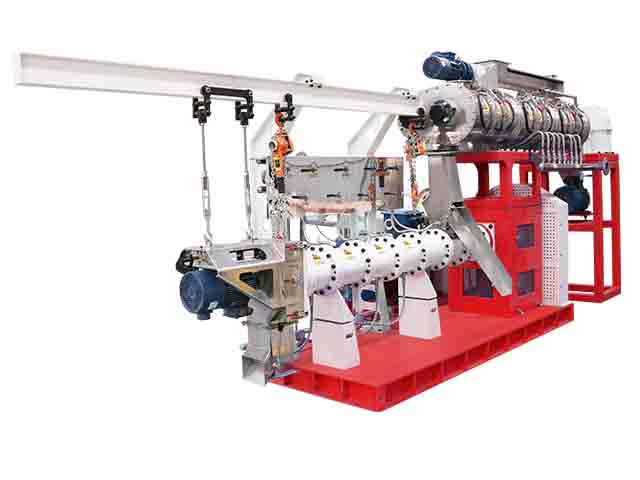
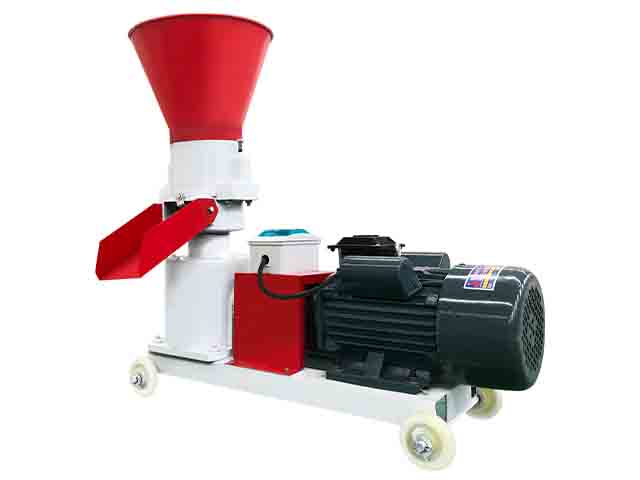
Through standardized feed processing equipment, the grinding thickness can be accurately controlled to achieve uniform mixing of raw materials in all directions, and can be processed into powder or granular materials according to the needs of breeding. Standardized processing can completely solve the problems of dust, picky eaters, uneven nutrition, feed waste, etc., improve feed palatability and uniformity, and ensure that each poultry eats the same nutrition.
4. Neglecting anti-nutritional factors and feed digestibility
Corn, soybean meal and other raw feed raw materials contain a variety of anti-nutritional factors, which can not be degraded without professional processing, which will directly hinder the digestion and absorption of nutrients in poultry intestines and stomach. Novices often feed directly after mixing raw materials, ignoring the importance of processing technology. Even if the feed formula is accurate and the raw materials are of high quality, poultry will have the phenomenon of “sufficient surface feeding and lack of actual nutrition”, and the growth rate, immunity and production performance will be low for a long time.
Scientific grinding and mixing process can effectively destroy the hard structure of raw materials, degrade most of the anti-nutritional factors, promote the full integration of various nutrients, and greatly improve the digestion and absorption rate of feed. Poultry can efficiently absorb protein, energy and trace elements in feed, maximize the nutritional value of feed, and help healthy growth and stable yield.
5. Improper storage of feed causes deterioration and loss
Improper management of feed storage will directly destroy high-quality feed. Novices generally have problems such as feed stacking on the ground, damp and airtight warehouses, long batch hoarding, and lack of rat and insect prevention and control. This type of storage will lead to moisture-absorbing caking, moldy, breeding bacteria and eggs, a large number of nutrients loss, while producing mycotoxins. Poultry long-term intake of spoiled feed, will cause gastrointestinal diseases, poisoning, decreased immunity, resulting in mass health problems.
Feed storage strictly follow the principles of drying, ventilation, off the ground, a small amount of frequent processing, according to the demand for aquaculture processing, to avoid long-term hoarding. The warehouse shall be kept ventilated and dry, and the feed shall be stored away from the ground without moisture. The work of moisture-proof, insect-proof and rat-proof shall be done normally to ensure that each batch of feed is fresh, clean and nutritionally complete.
Independent feed processing is the core advantage of novice breeding. Compared with the disadvantages of fixed formula, uncontrollable quality and large batch difference of finished feed, independent processing can flexibly adjust formula and processing technology according to breeding varieties, growth stages and seasonal environment, control feed particles, uniformity, nutrition ratio and safety in the whole process, stabilize feed quality, reduce waste and loss, improve poultry feeding efficiency and immunity, fully empower all aspects of breeding, and improve overall breeding efficiency.
Misunderstandings and Avoidance Methods of Daily Feed Feeding
1. The feeding time is chaotic and the supply is unstable.
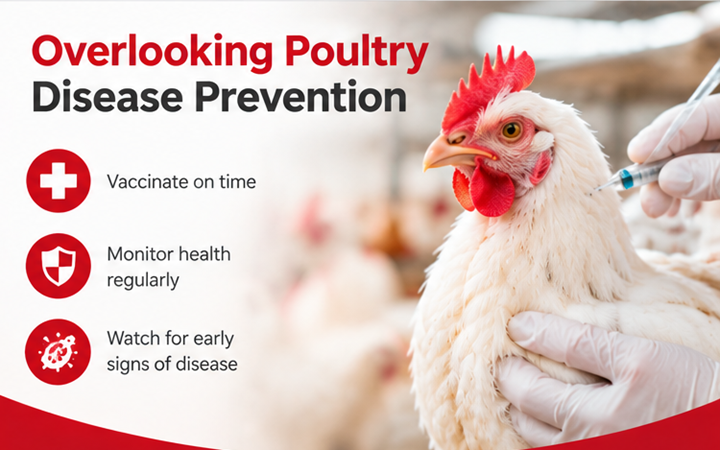
The growth of poultry depends on the regular and stable feeding rhythm, but the novice feeding operation is random, the feeding time is not fixed, the trough is frequently empty, and the single feeding is too much, which seriously disrupts the metabolic law of poultry. Long-term empty trough will cause hunger stress in poultry, and subsequent concentrated overeating will lead to indigestion and blocked nutrient absorption. Excessive feeding will cause feed accumulation, oxidation, mildew and deterioration, causing a lot of waste. Irregular feeding will eventually lead to uneven growth of poultry, egg production fluctuations, feed conversion rate continued to be low.
Farmers need to establish a standardized fixed feeding schedule, regular quantitative and accurate feeding, to maintain the trough perennial feed, no accumulation of spoiled feed. The self-processed feed with balanced nutrition and uniform particles can help poultry form stable feeding habits, ensure stable nutrition intake and metabolic law, and continuously improve growth and production performance.
2. Unreasonable configuration and placement of trough
Insufficient number of chutes, centralized placement, inappropriate height and inadequate cleaning are high-frequency misunderstandings of daily feeding. Insufficient configuration of the pre-breeding trough will lead to fierce competition for feeding, strong poultry occupy feeding resources, weak poultry long-term feeding shortage, group weight gap continues to widen, out of the column uniformity is very poor. At the same time, the residual material and dirt in the trough are not cleaned in time, which will breed bacteria and mold, cause secondary pollution of feed and endanger the health of poultry.
According to the scale of breeding and the age of poultry, sufficient trough equipment shall be provided and placed evenly and scattered. The height of the trough shall be adjusted in real time with the growth of poultry to ensure that all poultry can eat easily. Normalized cleaning and disinfection of the tank, to prevent the accumulation of residual material and feed pollution, to achieve balanced feeding, safe feeding.
3. feed sudden change, no transition adaptation period
The adaptability of poultry intestines and stomach is weak, and it is highly sensitive to the changes of feed taste, particle morphology and nutrient concentration. When novices change feed formula and switch feed brands, they often replace them directly at one time without any transitional adaptation period, which can easily lead to gastrointestinal disorders of poultry, sudden drop in feeding willingness, decline in feed intake, short-term growth stagnation and egg production fluctuation, seriously affecting the stability of breeding.
Feed replacement must follow the principle of gradual and orderly progress, gradually increase or decrease the proportion of new and old feed in 3 to 5 days, and smoothly complete the transition of changing materials. Relying on the flexibility of independent feed processing, the particles, taste and formula can be fine-tuned to minimize the stress of changing materials and ensure the continuity of feed intake and growth of poultry.
4. Ignore feed hygiene and pollution prevention and control
Feed hygiene is the bottom line for healthy poultry breeding. Novices generally attach importance to feeding and neglect killing. The accumulation of residual materials in the trough, feeding equipment, processing equipment and storage areas are not disinfected for a long time, and moisture-proof and insect-proof measures are missing, which can easily lead to the contamination of feed by mold, pathogenic bacteria and rat insect excrement. Contaminated feed can directly induce gastrointestinal diseases and decreased immunity in poultry, and even if the feed formula is of high quality and well-processed, it cannot avoid health risks and significantly offset the benefits of farming.
Daily breeding needs to regularly clean up residual materials and moldy feed, regularly kill feed chutes, processing equipment and storage areas, strictly implement moisture-proof, insect-proof and rat-proof measures, ensure fresh, clean and pollution-free feed in the whole process, and build a solid foundation for the healthy growth of poultry.
5. The feeding scheme is not adjusted with the weather environment.
Seasonal temperature changes directly affect the poultry feeding desire, metabolic rate and nutritional needs, novice year-round to follow the same feeding program, can not adapt to environmental changes. Under high temperature weather in summer, poultry’s heat dissipation and energy consumption increase and their desire to eat greatly decrease. Conventional feeding amount will lead to insufficient nutrient intake and growth stagnation. Under low temperature environment in winter, poultry need more energy to maintain body temperature. Conventional energy ratio feed cannot meet the demand for keeping out the cold, which will consume its own reserve nutrition, resulting in slow growth and reduced egg production.
Farmers need to adjust the feeding strategy according to the seasonal dynamics, choose the cool time in the morning and evening to feed in summer, fine-tune the nutrient ratio to adapt to high temperature metabolism, and appropriately increase the energy density of feed in winter to meet the needs of poultry to keep out the cold. Through independent feed processing, the formula can be adjusted quickly and accurately, adapt to seasonal changes, and maintain stable feeding efficiency and growth capacity.
6. No monitoring of feeding data, problem discovery lags behind
The vast majority of novices only rely on the naked eye to observe the mental state of poultry to judge the growth situation, do not record the amount of feed, surplus, daily feeding data, completely rely on experience breeding. Small fluctuations in feed intake are the core early warning signs of poultry disease, feed deterioration and environmental discomfort, which cannot be accurately captured by the naked eye. The lack of data monitoring will lead to the continuous accumulation of various hidden problems, which will eventually lead to large-scale growth retardation, disease outbreaks, mass deaths and injuries, resulting in significant breeding losses.
Daily breeding needs to establish a basic data recording system to record feed delivery, surplus and consumption data on a regular basis and monitor changes in feeding patterns. Self-processed feed has stable performance and clear feeding rules. Once data abnormalities occur, it can quickly investigate environmental, health and feed problems, intervene in advance, avoid risks, and realize fine breeding.
Mistakes and Avoidance Methods of Disease Prevention and Control Management
1. Heavy treatment, light prevention
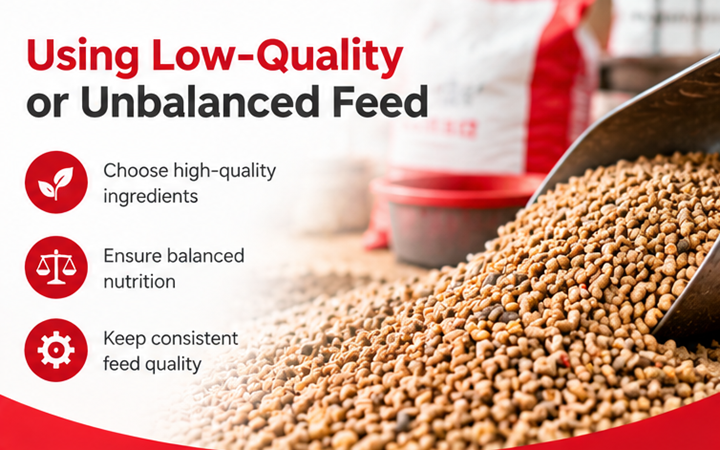
Disease prevention and control is the core guarantee of breeding profit, but most novices uphold the passive breeding thinking of “disease retreatment” and ignore the daily pre-prevention work. The initial symptoms of poultry disease are extremely hidden, and signals such as slight decline in food intake, mental malaise, and abnormal feces are easily ignored. When obvious symptoms appear, the bacteria have spread in a large area. Even if the follow-up treatment is cured, the poultry will have irreversible problems such as growth lag, production capacity decline, permanent damage to immunity, and the breeding loss cannot be recovered.
The core logic of disease prevention and control is prevention over treatment. Through daily fine inspection, monitoring of food intake data and normal control of the environment, abnormal signals are captured in advance. At the same time, relying on high-quality and balanced processed feed and stable and comfortable breeding environment, poultry’s own immunity is improved, the probability of epidemic disease occurrence is reduced from the source, and the high loss of passive treatment is avoided.
2. Vaccination operation is not standardized
In order to save short-term costs and avoid operational troubles, some novices have the problems of delaying and omitting the vaccination process. At the same time, there are widespread problems such as improper cold chain storage of vaccines, inaccurate timing of vaccination and irregular operation, which directly lead to vaccine immune failure and blank protection. Poultry lacks a complete immune protection system, and has no resistance to various viral and bacterial diseases. It is very easy to break out group diseases, causing mass deaths and injuries and huge economic losses.
Farmers need to combine the epidemic characteristics of local diseases, breeding varieties and breeding models, formulate standardized and normalized immunization procedures, strictly implement the cold chain storage of vaccines, precise timing of vaccination, standardized operation procedures, build a comprehensive health protection system, and build a strong barrier for disease prevention and control.
3. There are loopholes in environmental sanitation killing
Dirty and messy environmental sanitation is the core carrier for the breeding and spread of germs. Novice normalization has problems such as fecal accumulation, residual material residue, long-term non-replacement of bedding materials, and non-disinfection of breeding tools across houses. This kind of problem will lead to a large number of bacteria in the house, ammonia concentration exceeds the standard, continue to damage the poultry respiratory tract and body surface protective barrier, easily induce respiratory diseases, intestinal diseases and various secondary diseases, continue to affect the health and growth capacity of poultry.
Establish a normal health system of daily cleaning and weekly elimination, timely clean up feces, residues, waste bedding and other breeding garbage, regularly carry out comprehensive cleaning and elimination of chicken coops, feeding equipment and breeding tools, completely cut off the transmission route of germs, and maintain a clean and safe breeding environment.
4. Ignoring the effects of stress and nutrition on disease resistance
Chronic stress caused by crowded environment, temperature fluctuation, feeding disorder and poor ventilation is the invisible killer of poultry immunity. Poultry that have been in a state of stress for a long time have high stress hormones in the body, the function of the immune system continues to weaken, and their resistance to various bacteria is greatly reduced, and they are extremely susceptible to various diseases. At the same time, the imbalance of feed nutrition ratio, uneven mixing and low digestibility will lead to insufficient nutrient intake of poultry, imperfect immune system development and weak disease resistance.
Through the reasonable control of breeding density, stable environmental temperature and humidity, standard feeding and rest, completely alleviate the chronic stress of poultry. Relying on high-quality feed with precise matching and uniform processing, it provides comprehensive and balanced nutrition for poultry, helps the development and function of the immune system, and strengthens the anti-stress and disease resistance of poultry.
5. New poultry not quarantined
The introduction of new seedlings and reserve breeders is the main way to enter the market for exogenous diseases, and the misunderstanding of direct polyculture, non-isolation and non-quarantine is common for novices. New poultry with healthy appearance may carry recessive bacteria and viruses. Direct mixing with the original flock will cause rapid spread of bacteria and cause epidemic outbreaks. At the same time, foreign breeding equipment, transport vehicles without killing the entry, will also bring in exogenous bacteria, causing breeding risks.
Strict implementation of the new poultry isolation and quarantine system, isolation and observation of new birds for 3 to 5 days after entering the site, and mixed breeding after confirming that there is no abnormality in health; All foreign equipment and vehicles must be completely eliminated before entering the site, and the defense line for prevention and control of exogenous diseases must be built in all directions to protect the existing breeding results.
Core Misunderstandings and Avoidance Methods of Chick Breeding Management
The brooding period is the core window period of poultry physical development, gastrointestinal establishment and immune formation, which directly determines the survival rate, uniformity and later growth capacity, and is the most critical stage of the whole breeding. The misunderstanding of novice brooding focuses on the four major plates of inaccurate temperature control, unbalanced ventilation, inconvenient feeding and untimely parameter adjustment, which can easily cause irreversible physiological defects in chicks and affect the benefits of the whole breeding process.
1. single temperature control judgment, uneven heat distribution
Novice brooding temperature control generally has the problem of single judgment and uneven heat distribution, relying only on the single point value of the thermometer to determine the temperature, ignoring the actual behavior of chicks and the temperature difference between the chicken house area. Too high temperature will lead to chicks eat less, dehydration, mental malaise; low temperature will cause chicks get together extrusion, cold stress, development lag. At the same time, the unreasonable layout of heating equipment will cause local uneven heating and cold, chicks gather together, uneven feeding, uneven growth, and a significant increase in the rate of weak chicks.
The temperature control of brooding needs to take the behavior state of the chicks as the core judgment standard, follow the comfortable state of “uniform dispersion, free feeding and high activity”, and steadily gradient cooling according to the age of the day. Reasonable and uniform arrangement of heating equipment, to create a global uniform constant temperature area, with dry and thick bedding, to ensure the stable development of chicks, synchronous growth.
2. Insulation and ventilation imbalance
Novices generally have the misconception that “heat preservation cannot be ventilated, and ventilation will cool down”. In order to ensure the brooding temperature, the chicken house is completely closed. The continuous accumulation of moisture, ammonia, dust and dirty air in the house in a closed environment seriously stimulates the delicate respiratory tract and intestines of chicks, inhibits feeding and growth and development, and greatly increases the risk of respiratory and intestinal diseases, which is an important incentive for the high mortality rate during the brooding period.
During the brooding period, the air-free slow ventilation mode is adopted. Under the premise of no rapid cooling and no direct cold wind blowing on the chicks, the dirty air in the house is regularly replaced, heat preservation and ventilation are realized simultaneously, and the air in the house is kept fresh and humid, thus providing a comfortable environment for the healthy development of the chicks.
3. Inconvenient feeding and drinking water, no dynamic adjustment of parameters
During the brooding period, the chutes and sinks are placed in a remote and unsuitable height, which will directly lead to chicks being blocked from eating and drinking water, insufficient long-term nutrition intake, imperfect gastrointestinal development, and a lifelong physiological short board. At the same time, the novice did not dynamically adjust the brooding temperature and feeding mode according to the age of the chicks, which could easily lead to cold and heat stress and metabolic disorder, resulting in chaotic growth rhythm.
The feeding equipment is centrally arranged in the core activity area of chicks, the height of the equipment and brooding parameters are adjusted in real time with the growth of age, and the special brooding feed with fine particles, balanced nutrition and easy digestion is matched to help the chicks’ intestines and stomach develop rapidly and grow smoothly, and build a solid foundation for later breeding.
Breeding Density and Daily Operation and Maintenance Misunderstanding and Avoidance Methods
1. Density control imbalance
The imbalance of breeding density is divided into two types of problems: excessive density and low density, which will cause the loss of breeding benefits. Excessive density will lead to fierce competition for food intake, insufficient space for activities, deterioration of the environment in the house, chronic stress of the group, and a large amount of nutrition of poultry is consumed for survival and adaptation, which cannot be converted into weight gain and egg production capacity. Too low density will lead to too high allocation of fixed costs such as site, temperature control equipment and labor, serious waste of resources, and failure to give full play to the advantages of large-scale breeding. At the same time, uneven site layout is prone to local clusters, further widening the gap in group growth.
Farmers need to combine poultry varieties, age, ventilation conditions, chicken house volume, planning scientific and reasonable breeding density, evenly divide the breeding area, avoid the problem of local cluster, take into account the welfare of poultry growth and large-scale breeding benefits, maximize the utilization of site resources and breeding capacity.
2. Irregular daily management
Poultry is highly dependent on the regular and stable breeding environment, feeding, inspection, killing, light work and rest confusion, will directly lead to poultry metabolic disorders, persistent stress, the most intuitive impact is the decline in feed conversion rate, unstable production capacity, disease risk increased. The daily management of novice fragmentation and randomization is the core invisible reason for the fluctuation of breeding capacity and low profit.
Establish a standardized daily and weekly breeding process, fix the operation time of feeding, inspection, cleaning, killing and lighting, and create a stable and predictable breeding environment. Let the poultry maintain a stable feeding and metabolic state, fully release the feeding value of high-quality feed, and steadily improve the breeding capacity.
Mistakes and Avoidance Methods of 8. Data Monitoring and Cost Control
1. Lack of data-based breeding monitoring
Novices generally rely on naked eye experience to judge the breeding effect, lack of data monitoring thinking, do not record poultry weight, feed consumption, dead panning rate, egg production and other core data, can not capture the growth lag, feed waste, production capacity decline and other hidden problems. At the same time, some farmers record data after not re-disk, not optimized, resulting in the long-term existence of breeding short board, management level can not be iteratively upgraded, breeding benefits stagnant.
Build a simple landing data monitoring system, regularly sample weighing, record food consumption and dead panning data, compare the standard data of varieties with previous breeding batches, and accurately locate the breeding short board. According to the data feedback targeted optimization of feed formula, breeding environment and management program, the formation of data-driven breeding optimization closed loop, continuous quality reduction.
2. Cost perception is one-sided and control is weak.
Novice cost control generally has the problem of one-sided cognition and lack of planning, focusing only on the dominant procurement costs of seedlings, feed, equipment, etc., completely ignoring the huge invisible costs such as high dead panning rate, prolonged growth cycle, feed waste, veterinary drug loss, unstable production capacity, etc. At the same time, there is a lack of breeding budget and cash flow planning, the use of funds is chaotic, and the wrong feed cost is regarded as a fixed expenditure, the purchase unit price is blindly lowered, the optimization of feed conversion rate is ignored, and the final comprehensive breeding cost remains high and the profit is meager.
The whole breeding process needs to do a good job of budget planning and cash flow control, taking into account the explicit costs and hidden costs. Abandon the “low price first” procurement thinking, to feed conversion rate, survival rate, capacity stability as the core benefit evaluation criteria. Through independent feed processing, standardized environment and feeding management, from the source to reduce waste, reduce losses, improve efficiency, to achieve scientific cost reduction and efficiency.
3. Equipment procurement heavy low price, light cost performance
Equipment procurement errors focus on heavy low-cost, light cost, novice priority to buy low-cost inferior breeding and feed processing equipment. This kind of equipment has insufficient grinding accuracy, poor mixing uniformity, high failure rate and low stability, which directly leads to uneven feed particles, nutritional imbalance and large batch quality difference. It not only has high maintenance cost and delayed breeding progress, but also continuously affects poultry feeding and growth capacity. Long-term breeding loss far exceeds the equipment purchase price difference.
Equipment procurement should take long-term cost performance, stability and accuracy as the core standards, and give priority to feed processing equipment with mature technology, stable performance and high processing accuracy. Through stable and standardized feed processing technology, we will continue to improve feed utilization, reduce breeding waste and equipment loss, and reduce comprehensive breeding costs in the long term.
In summary, the profit core of novice poultry farming lies in the precise avoidance of various basic and detailed misunderstandings, and the organic combination of eight systems: variety adaptation, environmental control, precision feed processing, standardized feeding, disease prevention and control, scientific brooding, density planning, and data-based cost control. The vast majority of breeding losses are not caused by technical problems, but by avoidable losses caused by inadequate detail management, irregular operation and cognitive bias. Relying on standardized feed processing equipment and refined breeding processes, it can effectively reduce poultry stress and disease risks, reduce feed waste and capacity loss, steadily improve survival rate, feed conversion rate and production stability, and help novice farmers quickly get rid of breeding difficulties. To achieve large-scale, high-quality, sustainable and stable profits.