Turkey Farming Guide for Beginners
Turkey breeding has considerable income and flexible mode, which is a characteristic breeding project suitable for novices. Turkey breeding has its own technical standards, and novice blind breeding is prone to various problems. This article explains the practical operation skills of turkey breeding in detail from eight core dimensions, so as to help novice scientific breeding, avoid risks and make stable profits.
How to Start a Turkey Farming Business
Market research and business solution development
Market research is the key first step in turkey farming start-ups, determining the farming model and profit ceiling. The market demand covers four categories: whole fresh meat, divided chicken, deep-processed products and turkey seedlings. The consumption shows significant seasonality, and domestic and foreign festivals are the peak periods of demand and profit.
Farmers need to sort out local competitive products, distinguish the pricing difference between mass wholesale and high-end characteristic breeding, and lock appropriate sales channels. Novices can give priority to local retail investors and small restaurants. There are five mainstream farming models in the market, and novices are recommended to choose commercial meat breeding with quick returns.
At the same time, it is necessary to formulate and perfect a business plan, strictly control the breeding scale and cycle, calculate various costs and benefits, predict risks such as epidemic diseases and price fluctuations, and reasonably plan the start-up cycle of the project.
Site selection, housing construction and infrastructure support
The location of turkey breeding sites is crucial, which needs to ensure smooth drainage, clean water sources and complete natural enemy protection. Turkeys require different living spaces at different growth stages: seedlings need 0.15-0.25 square meters of indoor space, adult turkeys need 0.75-1.5 square meters or more, and 2-4 square meters of outdoor grazing space per bird.
Turkey housing should be ventilated and thermostable with natural enemy prevention measures. The ground shall be paved with dry shavings bedding, while sawdust and newspaper are prohibited. Complete feeding, temperature control, ventilation and disinfection equipment shall be equipped. The initial temperature for chicks should be stabilized at 35℃, with a weekly temperature reduction of 3℃.
In addition, a biological safety management system shall be established, including regular disinfection, isolation of newly introduced chicks, supporting sewage discharge and outdoor shading facilities to stabilize the breeding environment.
How to Choose the Best Turkey Breeds for Farming
Core considerations for variety selection
Seed Selection by Combining Growth Cycle with Market Return
Different turkey varieties vary greatly in growth cycle, meat quality and market income, directly affecting capital turnover and profit space. Commercial fast-growing varieties can be sold in 14-22 weeks with rapid capital recovery and high meat yield. Their light-textured meat is suitable for supermarkets and mass wholesale markets.
Traditional native varieties have a longer growth cycle of 24-28 weeks or even longer, but feature tight meat texture and rich flavor with high market premium, ideal for high-end catering and direct member sales. Farmers can balance breeding speed and product income according to their capital status and sales channels.
Breeding Selection Based on Breeding Conditions and Variety Characteristics
Novices should focus on the breeding threshold, disease resistance and site adaptability of turkey varieties. Commercial broad-breasted turkeys have a high feed conversion rate but require artificial insemination, leading to a high breeding threshold. Improper management may easily cause limb and visceral lesions.
Traditional varieties support natural breeding with stronger stress and disease resistance, boasting a higher survival rate for novice breeders and being suitable for self-breeding of small farms. Large-scale farms with complete supporting facilities can choose commercial large-scale varieties, while novices, small-site farms and farms in extreme climate areas are recommended to prioritize native small varieties with strong adaptability and high fault tolerance.
Variety Quick Selection Guide
Breed selection can be accurately matched according to farming modes:
- Intensive large-scale breeding: Choose broad-breasted white feather and broad-breasted bronze turkeys for fast growth and high meat yield, suitable for supermarket wholesale channels and rapid profit acquisition.
- Outdoor ecological free-range breeding: Prioritize traditional varieties such as Bourbon Red and Narragansit with superior meat quality and high market premium, suitable for high-end direct sales and self-breeding.
- Small-scale novice breeding: Select mini white feather and Beltsville white turkeys that balance meat and egg production.
- Ecological characteristic breeding: Adopt minority native varieties to build differentiated market advantages.
Novices can also mix commercial and native varieties to balance short-term profits and long-term market layout.
Turkey Housing and Equipment Requirements
Functional design of partitioned housing
Turkey pens shall be divided into brood areas and breeding areas according to growth stages. The brood area for 0-8 week-old chicks needs constant temperature, windproof and sealed safe space with pine shavings paved on the ground. The initial temperature is controlled at 32-35℃ and reduced by 3℃ every week to avoid diseases caused by cold wind stimulation.
The breeding area for turkeys over 8 weeks old shall be well ventilated, windproof, rainproof and natural enemy-proof with sufficient enclosure height, preventing stress caused by cramped space and ensuring free movement and feeding of turkeys. Outdoor free-range breeding shall be equipped with closed night housing and daytime grazing grassland, and isolated from other poultry to prevent cross infection.
Housing Core Construction Standard
Turkey housing design follows six core standards to stabilize the breeding environment:
- The ventilation system integrates natural ventilation and mechanical exhaust to timely discharge harmful gases.
- Perfect heat preservation and insulation measures to maintain the optimal adult turkey temperature at 18-24℃.
- Full-area hard protective nets and underground embedded protection structures to completely block natural enemy invasion.
- Provide 14-16 hours of light during the growing season to promote feeding and growth.
- Adopt an all-in and all-out breeding mode for convenient batch cleaning and disinfection.
- Install low perches for native varieties while omitting perches for fast-growing heavy varieties to adapt to different growth characteristics.
Specification for configuration of complete aquaculture equipment
Standardized professional breeding equipment is required to meet the breeding needs of all growth stages. Temperature control equipment prioritizes heat preservation plates and infrared heaters for safety, stability and adaptability to different breeding scales.
Feeding equipment and trough specifications shall be adjusted in real time according to growth stages, with height matched to turkey backs to reduce feed waste. Diversified qualified drinking water equipment shall be fully distributed to ensure clean water quality, with antifreeze equipment equipped in low-temperature areas.
Auxiliary equipment including cleaning, disinfection, ventilation and lighting devices are indispensable. Breeding farms need additional egg laying boxes and isolation areas, while large-scale breeding can be equipped with intelligent equipment to reduce labor costs.
Biosafety and Daily Management Points
Daily breeding management must strictly implement biosafety regulations and control personnel access. Breeders must complete disinfection and wear special work clothes before entering the breeding site.
Stick to the all-in and all-out breeding mode. Thoroughly disinfect and sterilize the site after each batch of turkeys are sold, and keep the site empty for purification. Conduct grouped breeding by age and pen. Newly introduced seedlings shall be raised in isolation for observation and mixed into the flock only after confirming health.
Regularly replace wet bedding, adjust indoor humidity and ammonia concentration, prevent and control rodents and wild birds, and adjust ventilation timely to fundamentally avoid germ breeding and exogenous disease invasion.
Turkey Feed Requirements and Nutrition
Core Nutrition Principles
The core goal of turkey feeding is energy supplementation. The whole growth process requires a precise balance of metabolic energy, crude protein, essential amino acids, minerals and vitamins. Lysine, methionine, cystine, threonine and arginine are essential amino acids for turkey growth; calcium and available phosphorus determine bone development; various vitamins ensure turkey immunity and metabolic function.
Different turkey varieties have distinct nutritional needs: Commercial fast-growing varieties require high-quality, high-protein and high-energy refined feed with a high feed conversion rate but poor foraging ability. Native traditional varieties grow slowly, tolerate coarse feed and have strong foraging capacity. Although they do not need ultra-high-concentrate feed, their long growth cycle and large activity range lead to higher overall feed consumption.
Feed intake and conversion standards
Commercial fast-growing turkeys have an extremely high feed conversion rate, reaching 2.0-2.5:1 in high-quality breeding environments. Female turkeys consume 40-60 pounds of feed in total, while larger male turkeys with longer growth cycles consume over 100 pounds, featuring fast slaughter speed and high breeding efficiency.
Native free-range turkeys have a low feed conversion rate of 4-5:1 or higher, with long growth cycles and large activity leading to higher concentrated feed consumption. However, in high-quality grazing environments, turkeys can supplement nutrients by eating grass, insects and grains, replacing 20%-40% of concentrated feed and effectively reducing feeding costs. Farmers need to regularly weigh turkeys to monitor growth and adjust feeding amount and feed formula to ensure uniform flock growth.
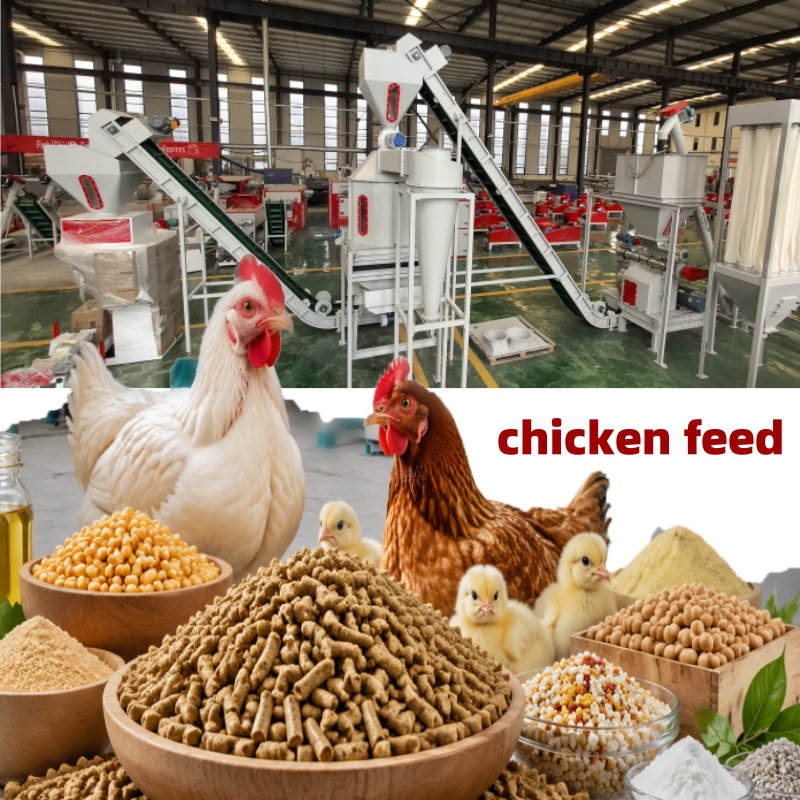
Practical feeding skills and pit avoidance points
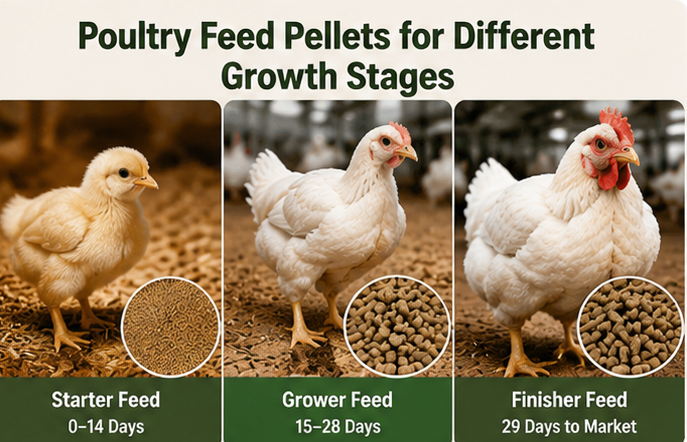
Match feed forms to growth stages: Use fine powder and granular debris for seedlings for good palatability and easy digestion; adopt full granular feed during growth and slaughter stages to reduce waste and improve feeding efficiency. Adopt free feeding mode to ensure turkeys can eat at any time and avoid growth retardation caused by limited feeding.
Carry out scientific nutrition supplementation and disease prevention: Regular finished feed contains complete vitamins and minerals without daily additional supplementation. Seedling stage can focus on supplementing niacin and essential amino acids. During disease-prone periods, use insect-repellent and disease-preventive feed under veterinarian guidance, and strictly abide by the drug withdrawal period to ensure meat safety.
How to Make Turkey Feed for Different Growth Stages
Core Nutrition Indicators at Different Growth Stages
| Growth Stage | Week Age | Crude Protein | Metabolizable Energy (kcal/kg) | Core Features |
|---|---|---|---|---|
| Seedling Brooding Stage | 0-8 weeks | 26%-28% | 2800-2950 | High amino acid ratio supports rapid skeletal and muscle development, determining chick survival rate and subsequent growth performance |
| Growing Period | 8-12 weeks | 20%-24% | 2900-3150 | Gradually reduced protein proportion and steadily increased energy to adapt to rapid growth |
| Breeding & Fattening Period | 12 weeks to slaughter | 14%-18% | 3100-3500 | High energy and low protein formula to boost weight gain and slaughter weight |
| Adult Breeder Stage | Mature | 14%-17% | – | Increased calcium ratio and controlled energy intake to prevent obesity and ensure egg production and breeding performance |
Staged Self-Made Feed Formula (Weight Ratio)
Brooding Feed (0-8 Weeks, ~27% Protein)
Formula Ratio: Corn 40-48%, 48% protein soybean meal 30-47%, fish meal/meat and bone meal 6-12%, wheat bran 5-10%, calcium hydrogen phosphate/bone meal 2-2.5%, limestone 1-1.5%, salt 0.3-0.5%, compound premix 0.5%, appropriate vegetable oil (optional)
100kg Standard Mix Example: Corn 40kg, soybean meal 30kg, fish meal 12kg, wheat bran 10kg, bone meal 3kg, limestone 2kg, premix 0.5kg, salt 0.5kg. Garlic and moringa powder can be added to enhance immunity.
Growth Feed (7-14 Weeks, 20%-23% Protein)
Formula Ratio: Corn 45-65%, soybean meal 20-32%, fish meal 3-5%, wheat bran 10-15%, calcium hydrogen phosphate 1.5-2%, limestone 1-1.5%, salt 0.3-0.5%, premix 0.5%
100kg Standard Mix Example: Corn 45kg, soybean meal 22kg, peanut cake 10kg, wheat bran 15kg, fish meal 4kg, bone meal 2kg, limestone 1.5kg, premix 0.5kg
Fattening Feed (Over 13 Weeks, 15%-18% Protein)
Formula Ratio: Corn 55-80%, soybean meal 15-20%, bran 10-20%, calcium hydrogen phosphate ~1%, limestone 0.8-1%, salt 0.3%, premix 0.5%, appropriate vegetable oil (optional). No additional animal protein is required.
Core Adjustment: Greatly increase corn proportion, reduce protein raw materials, and focus on high-energy fattening.
Free-Range Exclusive Formula (Post-Brood Period)
Adopt low-protein growing meal for free feeding, supplemented with whole corn, oats, wheat and natural field grasses. Adapt to the growth characteristics of native varieties and balance breeding cost and growth efficiency.
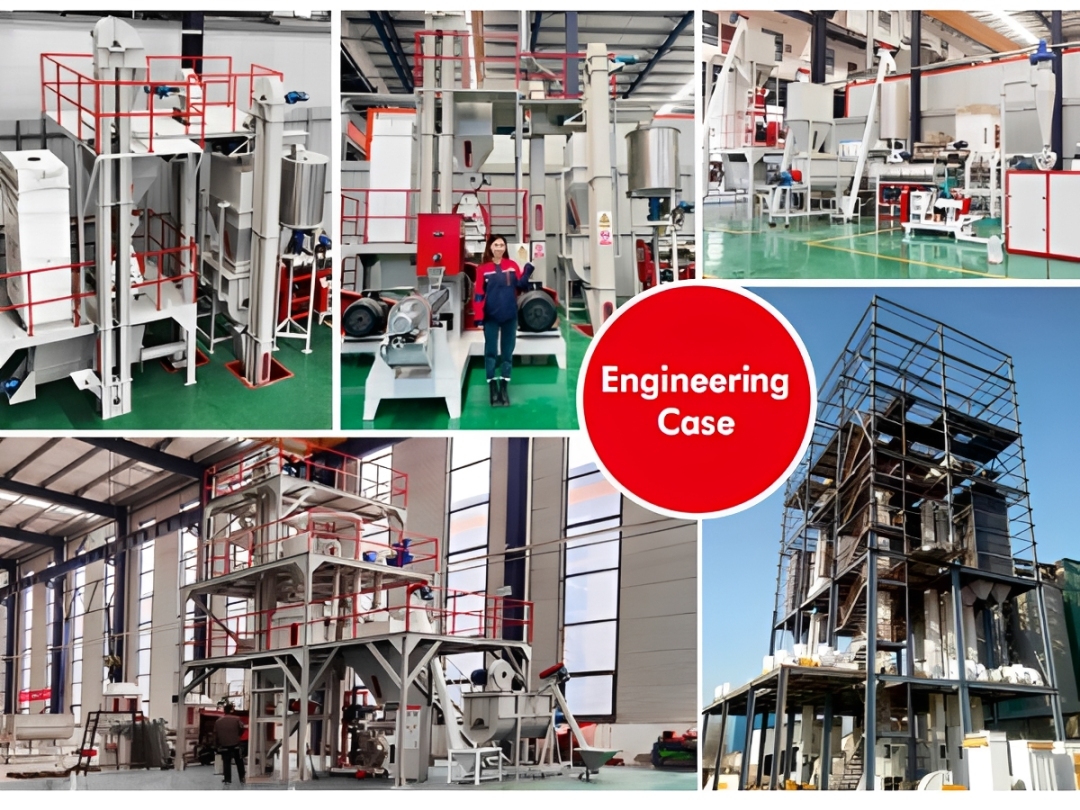
Turkey Feed Production Process and Equipment
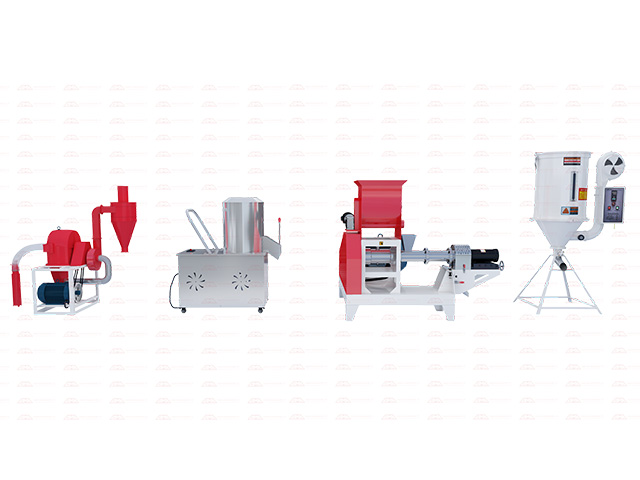
Standardized Feed Production Process
1. Raw Material Acceptance and Cleaning
Purchase core raw materials including corn, soybean meal, fish meal, bran and premix. Inspect raw material quality one by one, eliminate moldy, deteriorated and impure materials. Remove stones, metals, dust and other pollutants through screening and dust removal equipment, and store qualified raw materials in dry, insect-proof and moisture-proof silos to ensure feed quality from the source.
2. Crushing and Grinding
Adjust the grinder screen according to turkey growth stages: crush seedling feed to 1-2mm fineness and adult turkey feed to 2-3mm fineness. Crush grains and cake raw materials to standard fineness to improve digestion, absorption and mixing uniformity, avoiding nutritional imbalance caused by uneven particle size.
3. Accurate Batching
Weigh all raw materials strictly in accordance with staged formulas. Mix bulk raw materials first, and add trace raw materials such as vitamins, amino acids and salt last. Adopt manual weighing for small-batch materials and automatic batching systems for large-scale production to ensure precise proportioning.
4. Stir and Mix
Put proportioned raw materials into a mixer and stir for 3-10 minutes until the color and nutrition are completely uniform. Add liquid raw materials such as vegetable oil and molasses as needed to avoid local nutritional imbalance and ensure consistent nutritional content of each batch of feed.
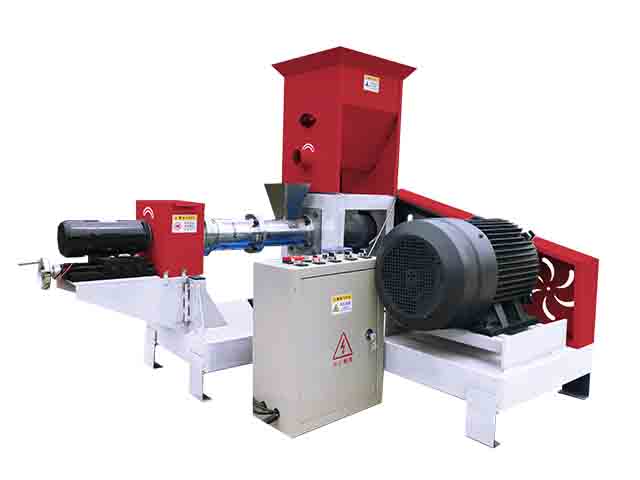
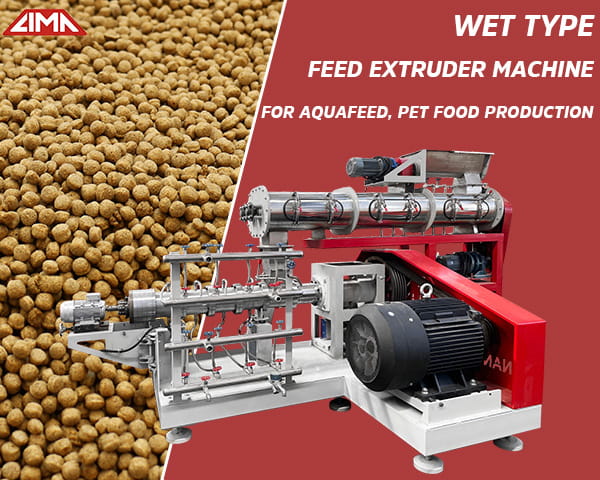
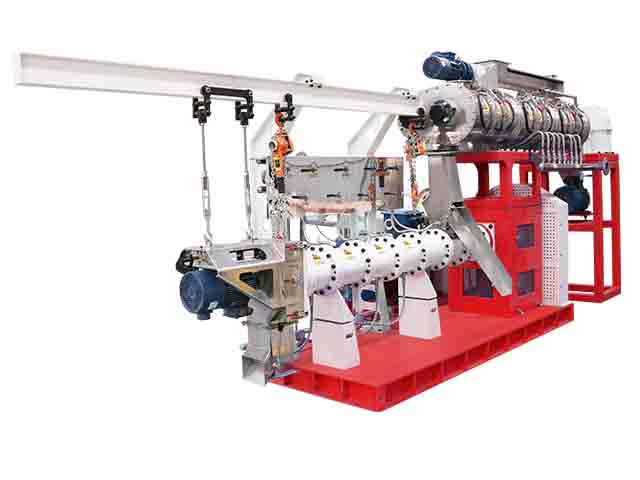
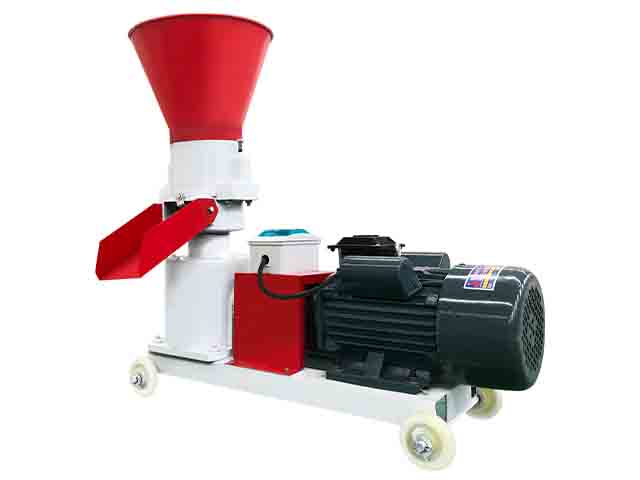
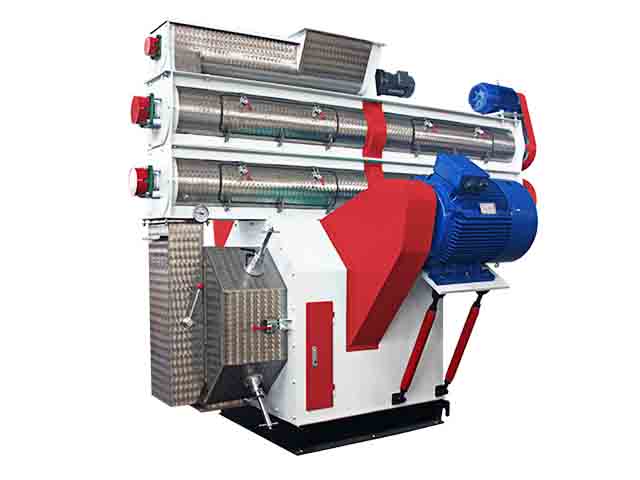
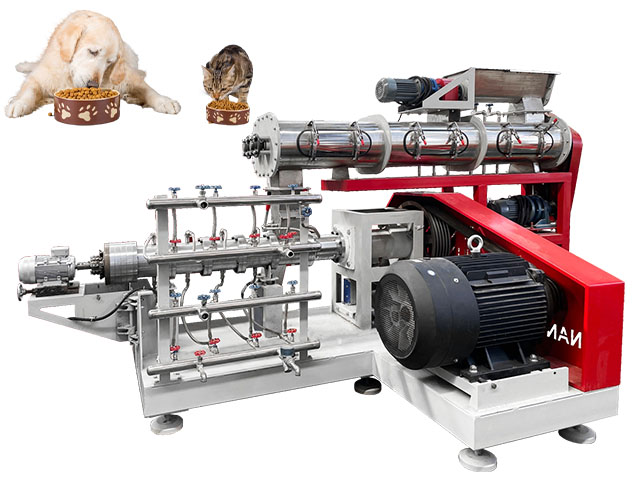
5. Conditioning Granulation (Optional for Scale Breeding)
Granulation is recommended for commercial breeding. Conduct steam conditioning at 70-90℃ to gelatinize starch, improve feed palatability and digestibility, and kill harmful bacteria in raw materials. Match particle sizes with growth stages: 2-3.5mm for chicks and 5-8mm for adult turkeys. Chick feed can be granulated and crushed into broken materials. Small-scale free-range breeding can omit granulation and directly use powder feed.
6. Cooling and Screening
High-temperature granulated feed has high temperature and humidity, which needs to be cooled to room temperature by countercurrent cooling equipment to prevent mildew during storage. Screen out oversized particles and powder through screening equipment, and recycle powder for secondary processing to ensure uniform feed particles.
7. Packaging and Storage
Package and seal qualified feed, mark the production time and applicable growth stage. Store in a cool, dry, pest and rat-proof warehouse, use up in a short time to prevent nutrient loss and mildew caused by long-term storage.
Turkey Farming Costs and Profitability
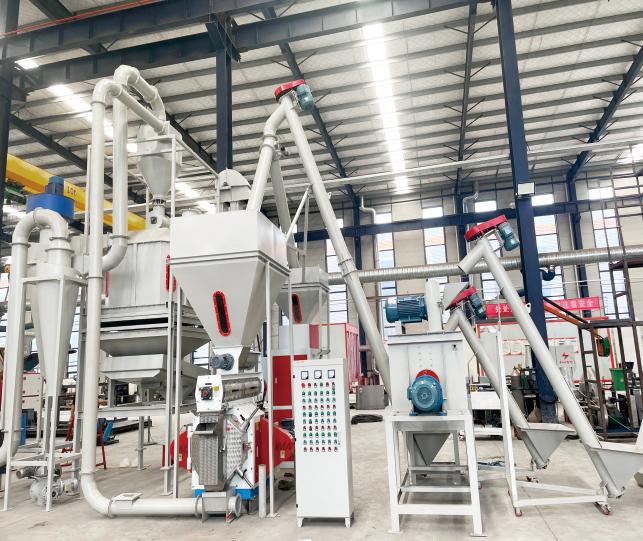
Farming Scale and Start-Up Capital
- Small-Scale Trial Breeding (50-100 Birds): Start-up capital of $2,000-$12,000, mainly used for simple housing construction, protective fences, brooding equipment, feeding and drinking facilities, first-batch seedlings and basic tools. Self-owned land can greatly reduce site costs, making it the most suitable entry scale for beginners.
- Medium-Scale Breeding (200-500 Birds): Start-up capital of $15,000-$30,000, supporting standardized housing upgrading, automatic equipment, improved protection systems, and small-scale slaughter and storage facilities to enhance independent operation capacity.
- Large-Scale Breeding: Start-up capital of $50,000-$300,000 or more, covering fixed asset investments such as standardized breeding plants, full-set automatic equipment, cold chain storage, processing production lines and site renovation, suitable for enterprise-based industrial operation.
Core fixed asset investments include seven categories: housing site renovation, brooding temperature control equipment, feeding and drinking water systems, outdoor protective fences, seedling procurement, breeding tools, and processing and storage equipment. Most fixed assets can be reused for years to amortize long-term breeding costs.
Revenue Channels and Profit Margins
- Conventional Commercial Turkeys: Sold through wholesale and supermarket circulation channels at a unit price of $1.5-$4 per pound, with single revenue of $50-$100 per bird. Profits are thin and rely on large-scale sales for revenue growth.
- High-End Free-Range Organic Native Turkeys: Mainly sold through direct sales, farmers’ markets, high-end catering and customized member channels at a unit price of $4-$12 per pound, with single revenue of $80-$200 per bird. The high market premium brings far higher single-head profits than ordinary commercial turkeys.
- Diversified Income Channels: In addition to live turkey and fresh meat sales, expand revenue through egg sales, breeding seedling sales, organic fertilizer sales from turkey manure, deep-processed turkey products and farm sightseeing experiences to boost overall breeding income.
How to Reduce Turkey Feed Costs and Improve Farm Efficiency
Optimize Nutrition Formula and Implement Precise Phased Feeding
On the premise of meeting core nutritional indicators, dynamically replace high-cost raw materials with low-cost alternatives according to local market prices. Add phytase, carbohydrase, probiotics and other additives to improve feed digestion and absorption rate and increase weight gain per unit feed.
Prioritize pellet feed over dusty powder feed to reduce waste, stabilize the feed-meat ratio and control feed dust content below 10%. Avoid excessive nutritional cutting for cost reduction; balanced high-quality feed can reduce mortality and improve overall breeding returns.
Standardize Feeding Management to Eliminate Feed Waste
Adjust trough height in real time according to turkey growth stages, keeping it level with turkey backs to avoid feeding difficulties from excessive height and feed contamination from trampling due to low height. Avoid overfeeding to reduce feed spilling and mildew waste.
Regularly clean residual feed in troughs and recycle usable materials to prevent long-term mildew deterioration. Ensure sufficient clean drinking water throughout the breeding cycle, as water shortage directly reduces feed intake, causes growth retardation and lowers feed conversion rate.
In high-temperature summer periods, feed turkeys during cool morning and evening hours to improve feed intake. Supplement gravel year-round to help turkeys digest fodder and grains and enhance digestive efficiency.
Optimize Breeding Management to Indirectly Reduce Losses
Reducing mortality is the core hidden cost reduction method. Improve the biosafety system through regular disinfection, scientific seedling rearing, standardized vaccination and daily inspection to reduce disease casualties, avoiding wasted feed, labor and site investment.
Optimize the housing environment by accurately adjusting ventilation, temperature, breeding density and bedding humidity to reduce turkey stress and stabilize the feed conversion rate. Match breeds with breeding modes: choose fast-growing and high-conversion commercial varieties for intensive breeding, and rough-feed-tolerant native varieties for outdoor free-range breeding to improve efficiency from the source.
Establish a breeding data account to record daily feed intake, weight gain, feed-meat ratio and mortality, discover management problems in a timely manner and optimize strategies in advance. Purchase raw materials in batches at low prices and store scientifically to avoid price fluctuation risks and reduce procurement costs.
Summary
The core profit logic of turkey breeding lies in scientific variety selection, standardized housing management, precise staged feeding and refined cost control. Novice breeders do not need to blindly invest in large-scale breeding, but can carry out breeding step by step according to their own site conditions, capital reserves and sales channel resources.
Strictly implement staged breeding technical specifications, do a good job in site maintenance, feed proportioning and biosafety protection to effectively avoid breeding risks and reduce losses and waste. By controlling core breeding details and accumulating breeding experience continuously, breeders can realize stable turkey growth, effectively improve breeding income and build a sustainable characteristic turkey breeding industry.