Why is Feed Pellet Mill Die Essential for Animal Feed
In the modern animal feed production system, the pellet machine is the core equipment for processing powdered raw materials into finished pellet feed, and the pellet machine mold is the core precision component of the whole equipment, which is called the “heart” of the pellet machine in the industry. The performance, specifications and working conditions of the mold directly determine the pellet forming effect, the quality of the finished feed product, the production line capacity, the energy consumption cost and the service life of the equipment. A large number of feed processing plants have problems such as excessive particle dust, substandard hardness, poor yield, frequent machine blocking and high energy consumption. Most of the core causes are improper mold selection, mismatched parameters or inadequate operation and maintenance. In order to help feed manufacturers fully grasp the core value and application points of pellet machine molds, this paper focuses on eight core dimensions and systematically disassembles the relevant professional knowledge of pellet machine molds.
What Is a Feed Pellet Mill Die?
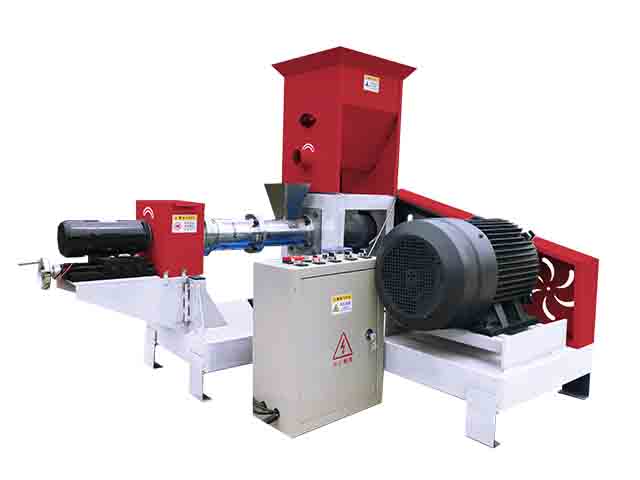
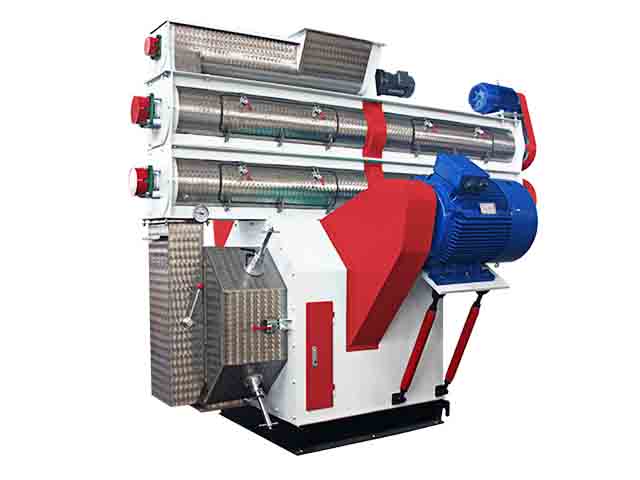
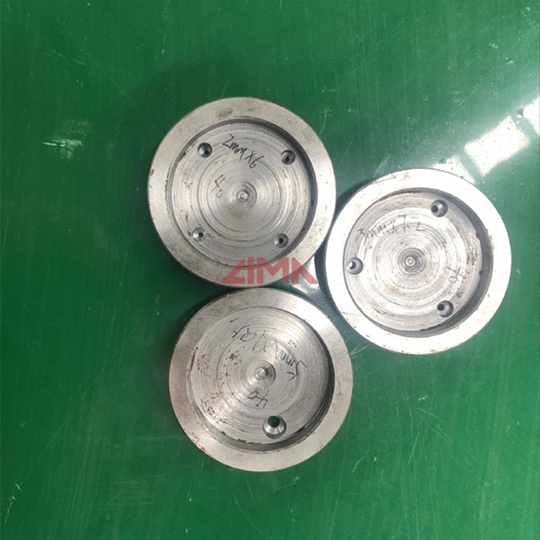
Feed pellet machine mold is the core precision working parts of pellet machine, made of high strength alloy or stainless steel, mainly divided into industrial production suitable ring mold and small equipment adaptation of the flat mold two categories, relying on precision drilling structure with pressure roller extrusion, cutting knife cutting, loose powder high pressure processing into uniform specifications, density compact cylindrical feed particles; Core parameters such as die hole diameter, compression length, compression ratio and pressure relief structure directly determine particle size, hardness and durability. Meanwhile, die hole arrangement, material performance and running speed also deeply affect equipment productivity, wear resistance and production stability.
How Does a Feed Pellet Mill Die Work?
The core of the feed pellet machine mold is to use high pressure extrusion and friction heating to push the powdered feed through the precision die hole to complete the densification, shaping and bonding of the material, which is divided into four standardized processes. First, the powdery feed is softened and humidified by steam conditioning, starch viscosity is activated, and the powdery feed is evenly spread on the working surface of the mold; secondly, the running mold and the driven pressure roller form a high pressure area, and the powder is pressed into the mold hole to complete preliminary densification; thirdly, the material is continuously pressed in the mold hole, rubbed and gelatinized, compacted and molded, and different feed formulas such as aquatic products, high fiber, high fat, etc. can be adapted by adjusting the compression ratio and pressure relief structure; Finally, the material is extruded out of the die hole to form a strip-shaped material body, which is cut into standard particles by a cutter, and the finished product is obtained after subsequent treatment. In addition, the mold is divided into two working modes: ring mold adopts internal pressure and external extrusion mode, which is suitable for large-scale continuous production; flat mold adopts vertical pressing discharge mode, which has simple structure and is mostly used for small-scale batch production.
Why Is Feed Pellet Mill Die Essential for Animal Feed?
Feed pellet machine mold is an irreplaceable core component in animal feed production, which directly determines the pellet molding quality, breeding benefit and factory production benefit, and is an indispensable core accessory for standardized pellet feed production. Its core values are mainly reflected in the following four aspects:
Shaping the physical form of high-quality feed and solving the problem of powder shortage
The traditional powdery feed has loose structure, easy moisture absorption and agglomeration during storage, nutrition stratification, large dust emission, high loss during transportation and feeding, poor palatability, easy to cause animal picky eating, respiratory tract discomfort and increased diseases, and is difficult to adapt to modern large-scale breeding. With the help of the high-pressure extrusion molding process of the pellet machine mold, the powder can be compacted and solidified into granular feed with compact structure, regular shape and difficult to break, which fundamentally solves all kinds of use defects of the powder and is an important basis for the standardized production of modern feed.
Accurate control of feed quality to meet differentiated farming needs
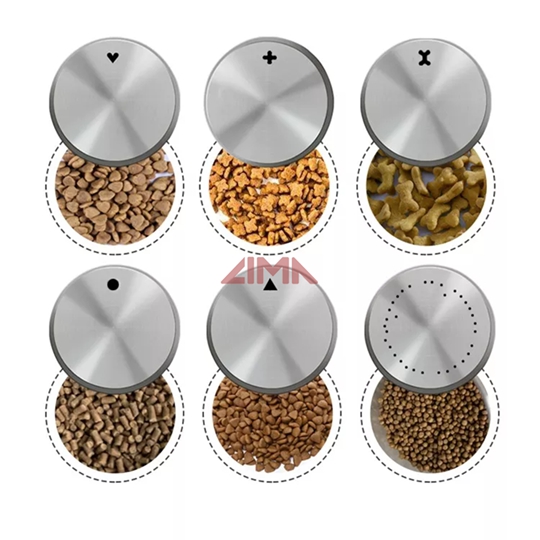
By accurately adjusting core parameters such as mold aperture, compression ratio and pressure relief structure, feed pellets of different specifications, hardness and durability can be customized to meet the feeding needs of poultry, pigs, ruminants, aquatic products and animals at various growth stages. Reasonable die hole size can adapt to animal feeding diameter, avoid feeding difficulties and feed waste; adaptive compression ratio can improve particle compactness, effectively reduce the production, transportation, feeding process of debris and dust. Uniform and regular granules can eliminate the problems of picky eating and unequal nutrient intake of animals, improve feed digestion and absorption rate, reduce feeding loss, effectively improve animal growth state, and assist breeding to improve quality and efficiency.
Improving the economic benefit of aquaculture and feed hygiene
The pellet feed formed by die high-pressure extrusion has compact structure, stronger storage stability and transportation performance than loose powder, is not easy to absorb moisture, agglomerate and mildew, can effectively prolong the storage shelf life, is not easy to break, stratify and spill during transportation and feeding, comprehensively reduces the storage and transportation loss of feed, and helps enterprises reduce material waste and economic loss. In terms of technological advantages, the high pressure and friction high temperature produced by die extrusion can promote the full gelatinization of feed starch and softening of crude fiber, greatly optimize the palatability and digestibility of feed, improve the feeding efficiency and growth speed of livestock and aquatic animals, effectively improve the core breeding indicators such as feed meat ratio and feed egg ratio, and realize cost reduction and efficiency increase. At the same time, the instantaneous high temperature and high pressure in the forming process can kill some pathogenic bacteria and eggs in the feed, improve the hygiene safety level of the feed, reduce the incidence of animal intestinal diseases, and assist green standardized breeding.
Manage production line capacity and reduce overall operating costs
The special mold adapted to the production line and feed formula is the key to stable production, high efficiency and low cost operation and maintenance of feed factories. The die with accurate parameters and excellent materials has smooth discharge and uniform extrusion resistance, which can effectively reduce the failures such as plugging and jamming, reduce the frequency of equipment downtime, and ensure the continuous and stable operation of the production line. At the same time, reasonable compression ratio and pass design can reduce equipment operating load, save production energy consumption and improve overall production capacity. On the contrary, the mold specifications, parameters, materials and production conditions do not match, will directly lead to production capacity decline, energy consumption soaring, but also accelerate the wear and aging of molds, pressure rollers and other accessories, increase operation and maintenance costs and feed production losses. It can be seen that the mold selection adaptation directly affects the production efficiency and long-term economic benefits of the feed plant, and is the core vulnerable parts that determine the comprehensive operation level of the plant.
What Factors Should You Consider When Choosing a Feed Pellet Mill Die?
Feed pellet machine mold selection is a systematic work, need to combine breeding category, feed formula, production objectives, equipment parameters comprehensive consideration, accurate matching of parameters, in order to take into account pellet quality, production capacity and mold life, the core selection elements are mainly divided into the following seven points:
Determine die hole diameter according to culture type and growth stage
The diameter of the die hole directly determines the size of the finished particle, which needs to be accurately matched with the feeding habits and growth stages of different animals. Among them, chicks and shrimps are suitable for small apertures of 1.5 – 2.5mm; piglets, middle-aged poultry and conventional fish are suitable for apertures of 2.5 – 4mm; fattening pigs, meat ducks and rabbits are suitable for apertures of 3 – 4.5mm; large livestock such as cattle and sheep are suitable for apertures of 4 – 6mm and above.
According to the feed formula characteristics targeted selection
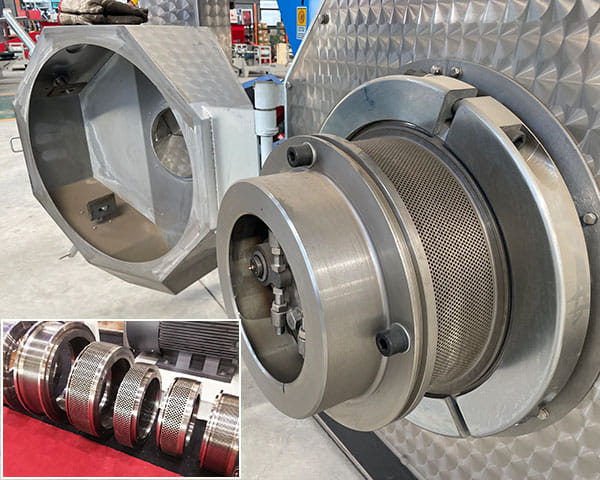
Material characteristics of different formulas are quite different, and corresponding mold parameters need to be matched. High-fiber ruminant feed is suitable for matching with medium and high compression ratio molds with pressure relief structure to avoid machine blocking and excessive wear; high-fat poultry feed has good lubricity, and high compression ratio molds can be selected to improve particle hardness; high-mineral, matte formula needs to select high-wear-resistant molds; high-moisture, high-salt aquatic feed preferably adopts high-chromium stainless steel molds to improve corrosion resistance.
Accurate matching of feed compression ratio parameters
Compression ratio (effective length/pore diameter) is the core index of mold selection, which directly determines particle hardness, durability and production energy consumption. The higher the compression ratio, the better the particle quality, but the higher the risk of clogging and power consumption. The general adaptation standards in the industry are: poultry feed 1:4 – 1:8, pig feed 1:5 – 1:10, high fiber ruminant feed 1:7 – 1:12, aquatic heavy feed needs a high compression ratio of more than 1:12 to ensure soaking stability.
Reasonable selection of mold material and heat treatment process
Mold material determines wear resistance and service life, conventional livestock feed can choose 20MnCr5, 42CrMo alloy steel, strong toughness, wear resistance, high cost performance; aquatic products, high salt, high humidity, corrosive feed adaptation X46Cr13 and other high chromium stainless steel, moisture resistance and corrosion resistance. With high-quality carburizing, quenching heat treatment process, can give consideration to mold surface hardness and core toughness, effectively prevent mold cracking, deformation.
Strictly ensure that the mold is compatible with the equipment model
When selecting, it is necessary to completely match the brand model of the pellet machine, the outer diameter width of the mold and the installation method (clamp type/bolt type). At the same time, it is necessary to combine the equipment power to adapt the die hole arrangement and the opening rate to ensure stable operation of the equipment, uniform and smooth discharge, and avoid problems such as vibration, material blocking and insufficient production due to inconsistent models.
Balancing productivity and pellet quality with production targets
According to the production scale, the production capacity and quality are selected, and the large-scale and standardized mass production line is preferred to select the ring mold with high opening ratio to maximize the production capacity; for the small production line and the scene where frequent replacement of feed formula is required, the mold with strong versatility and convenient disassembly can be selected to balance the production efficiency and refueling cost.
Comprehensive consideration of operation and maintenance costs and long-term cost performance
Selection can not only look at the purchase unit price, but also comprehensively calculate the core indicators such as mold service life, production cost per ton, failure rate, etc. The high-end high-quality mold has higher investment in the early stage, but it is wear-resistant and durable, with low failure rate, smaller loss per ton of feed production, and long-term operation cost performance is far superior to low-cost ordinary molds.
Flat Die vs. Ring Die: Which Feed Pellet Mill Die Is Better?
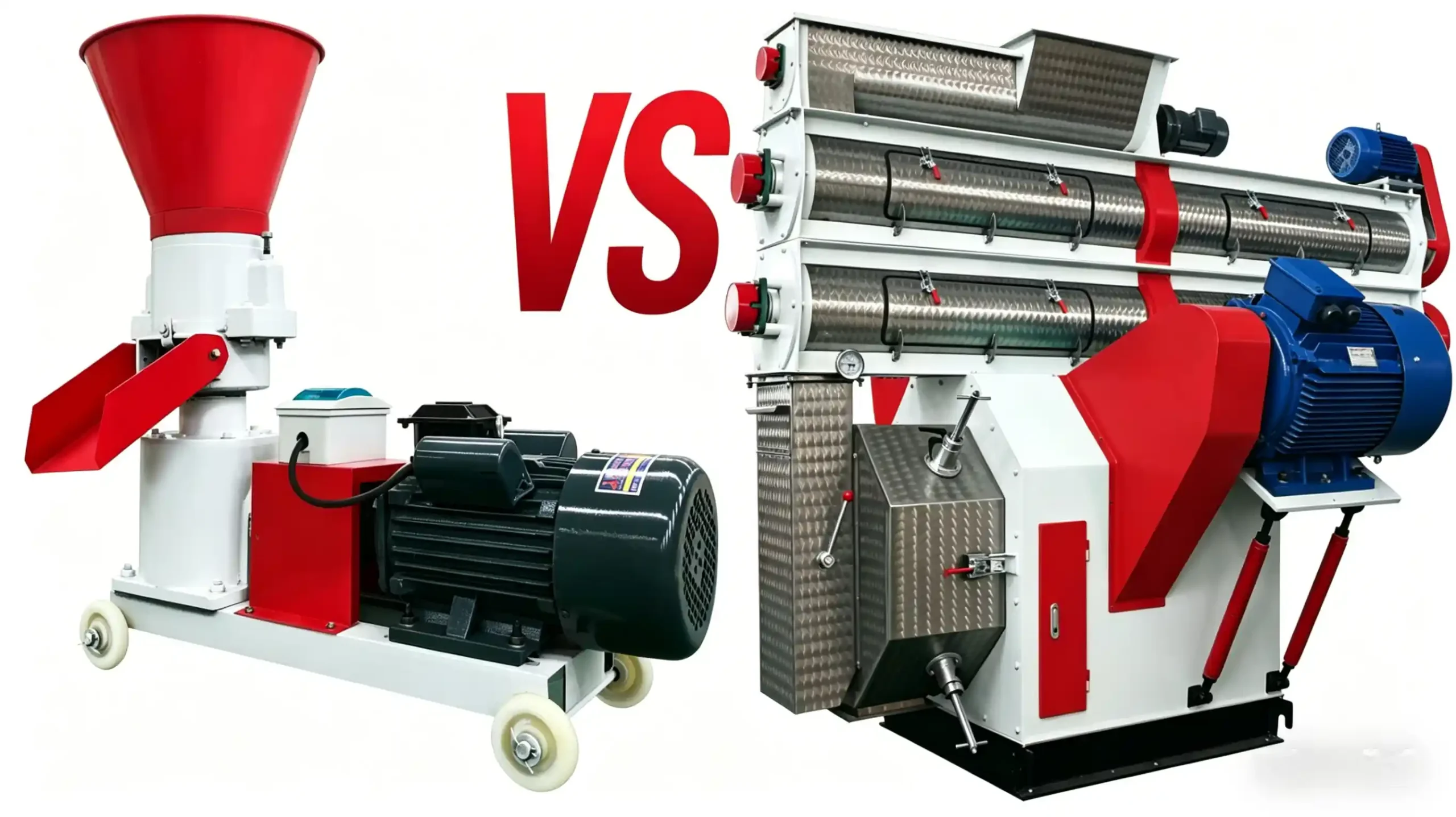
Ring mold and flat mold are the two main mold types of feed pellet machine, there is no absolute difference between advantages and disadvantages, the core difference lies in the adaptation scene, capacity scale, equipment cost and production effect. Feed manufacturers can reasonably select according to their own production volume, formula frequency, quality requirements and budget. The following is a clear distinction between the applicable scenarios and performance characteristics of the two molds through sub-analysis and parameter comparison.
Features and application scenarios of ring mode
The ring die is an annular cylinder structure, and the die hole runs through the radial direction of the cylinder wall. When working, the die rotates and the built-in pressure roller extrudes the material outward. It is the mainstream standard of industrial scale feed production. Its core advantages are large production capacity, stable discharge, uniform particle quality, hourly output of more than 1 – 20 tons, strong continuous operation capacity of equipment, uniform overall wear, lower energy consumption per unit feed, and can be adapted to mass production of all kinds of commercial feeds such as poultry, pigs, ruminants and aquatic products. The shortcomings are that the equipment cost is high, the structure is precise, the maintenance and debugging, the mold replacement needs professional operation, and the initial investment and technical threshold are higher.
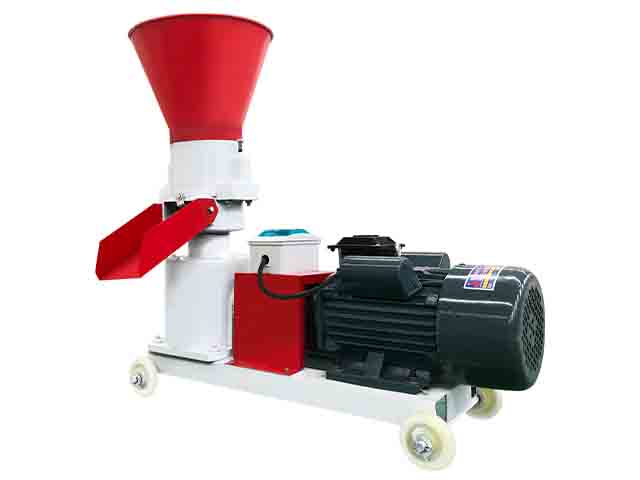
Flat mold characteristics and applicable scenarios
The flat die adopts plate disk perforated structure, which can extrude material vertically from die hole by pressing roller vertically. The whole structure is simple, the cost is low, the disassembly is convenient and the maintenance cost is low. The mold is suitable for small-batch, multi-formula and intermittent production mode. It is widely used in farm self-use, small-scale processing plant and feed formula test scenarios. It is better for fluffy and low-density materials. The short board is obvious, the production capacity is limited, the hourly output is only 50kg-1.5 tons, the long-term continuous operation is prone to local severe wear, the particle density and uniformity are weaker than the ring mold, and the energy consumption is high and the production efficiency is low under the large-scale production condition.
Comparison of core parameters between ring die and flat die
| contrast dimension | circular mould | flat-die |
| applicable scenarios | Large-scale commercial feed plant, continuous mass production | Small-scale farming for own use, formula testing, small-scale production |
| production capacity | High, hourly production 1 – 20 tons or more | Low-medium, hourly output 50kg-1.5 tons |
| particle quality | Uniform density, high hardness, good durability | Good quality, but weak uniformity and compactness |
| energy consumption efficiency | Low energy consumption and high efficiency in large-scale production | Good adaptability for small batches, high energy consumption for large-scale production |
| Wear and life | Uniform wear, continuous operation longer service life | Local wear is serious, and the long-term service life is short. |
| Cost and maintenance | High cost, complex mold replacement, professional operation and maintenance required | Low cost, simple disassembly, convenient maintenance |
| material suitability | Adapting to various conventional commercial feed formulas | Suitable for fluffy, low density, niche test materials |
Selection Summary Suggestions
In pursuit of high productivity, stable high quality, long-term continuous commercial production, priority is given to ring mold; budget is limited, production scale is small, frequent replacement of feed formula is required, and self-use or experimental production is mainly used, and flat mold is preferred.
How to Extend the Service Life of a Feed Pellet Mill Die?
Feed pellet machine mold belongs to high loss precision parts, service life directly affects the production cost and production stability of feed mills. Through scientific means such as precise selection, standardized operation and refined operation and maintenance, the service life of molds can be effectively prolonged and the production cost per ton of materials can be reduced. Specific maintenance and life extension measures mainly include the following five items:
Source precise selection matching
According to the fixed feed formula of the production line, the corresponding die hole diameter, compression ratio and die material are matched to achieve special die use, so as to avoid mixing the feed formula with great difference in characteristics such as high fiber, high grease and high matte in the same set of die, and reduce fatigue damage of the die. At the same time, it is suggested that the new mold should be matched with the brand-new pressure roller to ensure the uniform meshing and synchronous wear of the roller mold, and ensure the stable working condition of the mold from the source.
Optimize equipment operating parameters
Strictly control the core operating parameters and stably control the roller die gap to 0.1 – 0.5mm. If the gap is too small, it will easily cause metal friction and mold cracking. If the gap is too large, it will easily cause material slipping and local wear. Reasonable adjustment of feeding scraper and guide structure to ensure that the material evenly spread the mold working surface, avoid local overload wear; optimize steam conditioning process, accurately control the temperature and humidity of the material, reduce the friction resistance of the material in the mold hole, reduce mold wear.
Strict impurity removal protection
Establish a normalized impurity removal mechanism, regularly clean equipment magnets, screens and impurity removal devices, and completely block metal debris, sand, and hard impurities from entering the die hole. Impurity is the main cause of hole scratch, hole plugging, deformation, do a good job of impurity protection, can effectively avoid the irreversible hard damage of the mold, maintain the stability of the precision of the hole.
Implement daily cleaning operation and maintenance
After daily production, use special materials such as oily rice bran and sawdust to wash the mold holes to thoroughly clean up the residual feed in the holes to prevent the materials from drying and hardening and corroding the inner wall of the mold holes. Regularly check the blockage, wear and deformation of the die hole, and dredge the blocked hole in time; regularly tighten the die bolts and clamp accessories to avoid loosening and partial wear of the die caused by equipment vibration, and ensure stable operation conditions of the equipment.
Standardize the process of storage and mold replacement
Idle mold should be thoroughly cleaned, coated with rust preventive grease, stored in a dry and ventilated environment to prevent moisture corrosion. When replacing the mold, thoroughly clean the bonding surface of the equipment to ensure that the mold is installed smoothly and aligned accurately to avoid assembly deviation; prevent cold and hot temperature shock damage to the mold, and timely replace the pressure roller according to the mold wear progress to avoid the overall loss of the mold due to mismatch of parts.
How to Choose the Right Feed Pellet Mill Die for Your Feed Production?
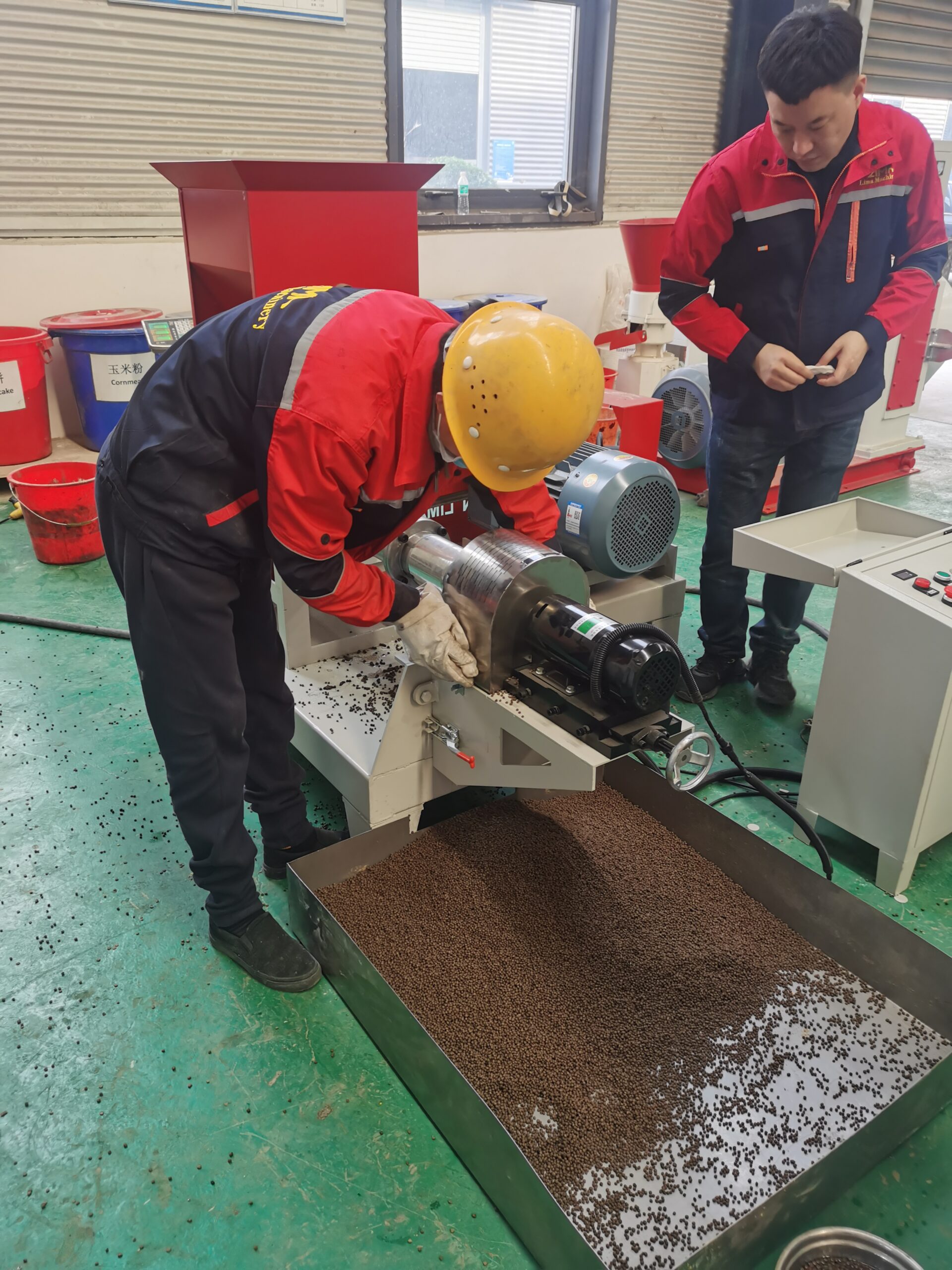
The special mold adapted to the production line is the core key to ensure the quality of finished feed products, stabilize production efficiency and reduce operation and maintenance losses. Following the standardized selection process, it can effectively avoid selection errors and achieve a multidimensional balance between particle quality, production capacity, energy consumption control and mold service life. The complete mold selection process consists of six core steps:
Clarify the core production requirements of the production line
In the early stage of model selection, it is necessary to accurately sort out the basic production conditions, determine the target particle size according to the breeding category and animal growth stage, and define the design capacity of the production line, particle hardness and durability quality standards. At the same time, comprehensive statistics of crude fiber, oil and mineral content of main feed formula provide accurate data basis for subsequent mold parameter matching.
Precision matching mold core design parameters
The key parameters of the die are determined based on production requirements and feed formula, and the appropriate die hole diameter is selected according to feeding standards; the compression ratio is matched according to material characteristics, the high compression ratio is selected for aquatic high stability feed, the medium compression ratio is adapted for soft poultry feed, and the high fiber feed is matched with the pressure relief structure to optimize the extrusion effect; the die hole arrangement mode is selected according to mass production requirements, and the high open hole ratio structure is selected for mass production, and the standard balanced arrangement is selected for multi-formula universal production.
Scientific selection of mold materials and processing technology
Combined with the feed corrosion and wear characteristics of the preferred choice of mold materials: conventional livestock and poultry universal feed matching alloy carburized steel mold, both wear resistance and cost performance; aquatic products, high salt, high humidity and other corrosive feed, preferably high chromium stainless steel mold. At the same time, high-quality molds with precision drilling, smooth hole wall and standard heat treatment process are preferred to ensure the molding effect and service life from the source.
Strictly check the compatibility of equipment
Ensure that the mold is completely matched with the existing equipment, strictly matching the model of the particle machine, the outer diameter size of the mold, and the installation and fixing method. Simultaneously check the adaptability of mold linear speed, working surface area and equipment rated power, eliminate the problems of equipment jamming, overload, vibration and uneven discharge caused by inconsistent models, and ensure the stable operation of production lines.
Comprehensive balance between cost of use and production practicality
Abandon the selection error of only looking at the purchase unit price, and comprehensively consider the cost performance in combination with the production mode. Long-term fixed single formula production, priority customization of special molds, long-term benefits are better; frequent replacement of formula production lines, selection of universal molds, reduce mold replacement costs. Focus on calculating the cost of using a single ton of feed for the mold, and give priority to selecting high cost-effective products with low failure rate, wear resistance and durability.
Commissioning and Optimization of Production Parameters
After installation, the new mold needs to be tested and debugged on the machine to monitor the core indicators such as production line capacity, equipment energy consumption, particle dust rate and particle durability in real time. Combined with on-site production, fine-tune feed conditioning temperature, material humidity, roller die gap, feeding speed and other parameters, so that mold performance and production line conditions perfectly match, to achieve optimal production status.
Common Problems Caused by the Wrong Feed Pellet Mill Die
Poor particle quality, excessive dust particles. The core reasons are that the compression ratio is too low, the die hole design is unreasonable, the material is not fully extruded, and the bonding effect is poor, resulting in soft particles, easy crushing, and substandard durability. A large amount of dust is generated during transportation and feeding, resulting in feed waste and uneven animal feeding, which seriously affects the breeding effect.
Die holes are frequently blocked and production is stuck. It often occurs in the scene of high fiber and low grease formula with too high compression ratio mold. The extrusion resistance of the material is too large to discharge smoothly, resulting in blocking and shutdown, which not only reduces production efficiency, but also causes motor overload and partial damage to the roller mold.
Production line capacity is insufficient, output is not up to standard. Die hole opening rate is too low, compression ratio is too large, hole diameter and material fluidity do not match, will greatly increase the discharge resistance, equipment discharge speed becomes slow, can not reach the design capacity, resulting in production schedule lag, unit production cost increase.
Equipment energy consumption soared, frequent overload of motors. Too high compression ratio, rough inner wall of die hole and poor adaptability of die material will greatly increase the operating load of equipment, continuously high power consumption, long-term operation is easy to cause motor heating, tripping and accelerated wear and aging of transmission parts.
Die wear too fast, service life is reduced. matte, high mineral formula using ordinary soft mold, or compression ratio, roller die gap parameters do not match, will cause rapid wear of the mold local, hole deformation, hole wall scratches, not only frequent replacement of accessories increase costs, but also lead to particle quality continued instability.
Conclusion
Feed pellet machine mold is the key component of feed production, which plays a decisive role in feed quality, production efficiency and breeding benefit. It can compress inferior powder into compact, hygienic and high-quality granules, optimize palatability and nutrient absorption rate, and reduce feed loss and animal diseases. Die diameter, compression ratio, material and other parameters directly affect the production line capacity, energy consumption and operation stability, improper selection will lead to dust, blocking, low capacity, wear and many other problems. Reasonable selection of ring die and flat die, scientific selection and standard maintenance can stabilize production and prolong die life. It is an important measure for feed mills to improve quality, increase efficiency and reduce cost and stabilize production to select and operate molds well.