Complete Poultry Feed Formulation Guide
In poultry farming industry, feed is the core element that determines farming efficiency, poultry growth status and product quality. A set of accurate and scientific feed formula can effectively reduce breeding loss, improve feed utilization rate, stabilize broiler growth rate, ensure laying performance and reduce poultry disease incidence. It is the core means of reducing cost and increasing efficiency in poultry breeding.
1. What Is Poultry Feed Formulation?
Poultry feed formula design is a professional technical process of scientifically matching all kinds of feed raw materials according to the precise proportion according to the varieties, growth stages and production targets of different poultry such as broilers, laying hens, turkeys, ducks and quails, and preparing complete rations with balanced nutrition, uniform proportion and suitable physiological needs of poultry. Simply put, it is to customize the exclusive “nutritional meal” for poultry through standardized proportion, which fully meets all the nutritional needs of its growth, breeding, egg production and weight gain.
Different from the extensive mixing method of random raw materials, professional feed formula design has strong scientificity and pertinence, and the core value is reflected in three dimensions.
First, ensure the healthy growth of poultry, improve the metabolism, immunity and reproductive function of the body, and avoid problems such as growth retardation, decreased egg production rate, poor eggshell quality and weak health caused by nutritional imbalance.
Second, maximize the production benefit of breeding, improve feed conversion rate, shorten the broiler slaughter cycle and prolong the high yield cycle of laying hens.
Third, control the breeding cost, optimize the raw material ratio under the premise of meeting the nutrition standard, reduce the waste of feed, reduce the pollution of breeding waste to the environment, and realize green breeding.
2. What Ingredients Are Used in Poultry Feed Formulation?
Energy Sources
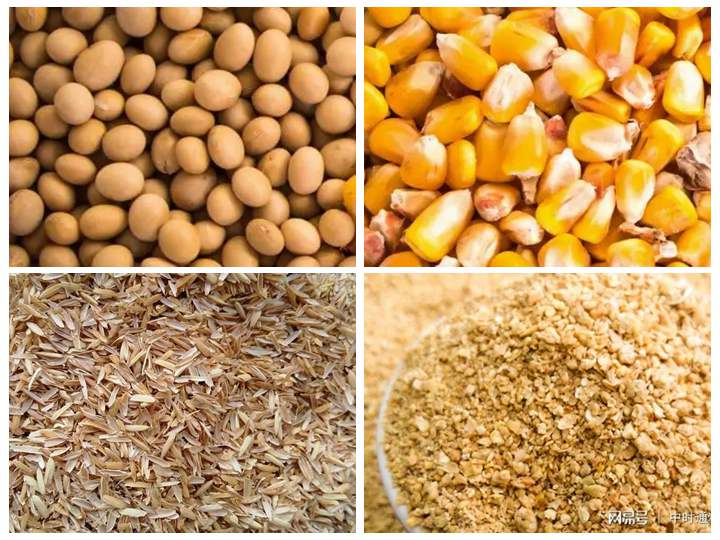
Energy raw materials are the main components of poultry feed, accounting for 50%-70% of the total, is the core energy source to maintain poultry life activities, support growth and weight gain, egg production metabolism, mainly carbohydrates, supplemented by a small amount of natural fat. This kind of raw material has high cost performance, good palatability and easy digestion, and is the basic base of feed formula.
Common grain raw materials include corn, wheat, sorghum, barley, oats, rice, millet, etc., among which corn is the most common core energy raw material for poultry breeding in the world, with high metabolic energy and excellent palatability, suitable for all poultry categories and growth stages. Wheat and sorghum can be used as corn substitute raw materials to adapt to the rich local raw material resources of the farm scene. In addition, grain processing by-products are also high-quality energy raw materials, including wheat bran, rice bran, corn bran, alcohol grains (DDGS), processed bran meal, etc. These raw materials are cheap and can effectively reduce feed costs, supplement dietary fiber and promote gastrointestinal motility of poultry.
Protein Sources
Protein is the core nutrition of poultry muscle development, feather growth, egg formation and body repair, and it is also the raw material category with the highest cost in feed formula. Poultry cannot synthesize lysine, methionine and other essential amino acids independently, and must be ingested through feed. Therefore, the quality and proportion of protein raw materials directly determine poultry growth and production performance. Protein raw materials are divided into two categories: plant protein and animal protein.
Plant protein is the mainstream choice of large-scale breeding, with higher proportion, better cost performance and stable source. The core raw material is soybean meal, the crude protein content can reach 44%-48%, the amino acid ratio is balanced, and it is the most core plant protein source of poultry feed. Animal protein raw materials have higher protein content, more comprehensive amino acids and better digestion and absorption rate, mainly including fish meal, meat meal, meat and bone meal, poultry by-product meal, blood meal, hydrolyzed feather meal, etc.
Fats and Oils
The oil raw material accounts for 2%-5% of the feed, and its core function is to improve the energy density of the feed, supplement essential fatty acids such as linoleic acid, improve the palatability of the feed, soften the feed texture, reduce the dust of the ingredients, and increase the feed intake of poultry. Common oils are divided into vegetable oils and animal oils. Vegetable oils include soybean oil, corn oil and rapeseed oil. Animal oils include poultry oil and butter. Oil seeds such as full-fat soybeans can also be used as natural oil supplement materials. Adequate oil supply can effectively increase the weight gain rate of broilers and improve the eggshell luster and egg yolk quality of laying hens.
Minerals
Minerals are divided into macro-minerals and micro-minerals, which are key substances for poultry bone development, eggshell formation, body fluid metabolism and enzyme activity regulation. The demand for constant minerals is large, and the core includes calcium, phosphorus, sodium, magnesium and potassium, among which calcium and phosphorus are the most core mineral elements in poultry breeding. The demand for calcium by laying hens is particularly strict. The calcium content in feed during laying period shall reach 3.5%-4%, mainly supplemented by stone powder and oyster shell powder; phosphorus is mainly supplemented by dicalcium phosphate and bone meal. The ratio of calcium and phosphorus shall be strictly controlled in breeding, and the standard ratio is about 2:1. Sodium is mainly added through salt to maintain the balance of body fluids in poultry.
Vitamins
Poultry itself can not synthesize sufficient vitamins, must be supplemented by exogenous feed, vitamins directly affect poultry metabolism, immunity, reproductive performance and growth and development. Vitamins are divided into fat-soluble and water-soluble two categories, fat-soluble vitamins include vitamins A, D, E, K, responsible for vision protection, bone development, antioxidant, coagulation function regulation; water-soluble vitamins include B vitamins, biotin, folic acid, choline, etc., participate in the body energy metabolism, neuroregulation and embryonic development. In actual production, all vitamins are added through standardized vitamin premix, with accurate dosage and balanced proportion, which is an indispensable core excipient of feed.
3. How to Formulate Poultry Feed for Different Growth Stages?
Broiler Feed Formulation Rules
| Poultry category | growth stage | Core feeding objectives | nutritional standard parameter | Recipe core points |
| broiler chicken | Brood period (0-14 days old, 0- 0.5 kg body weight) | Establish and perfect immune system, promote chick growth and feather development, protect delicate stomach, build up breeding foundation. | Crude protein: 22%-24% Metabolizable energy: 2950-3100 kcal kg Lysine: 1.3%-1.4% Calcium: 0.9%-1.0% Available phosphorus: 0.45%-0.5% | Select high-quality, easily absorbable protein raw materials, strictly control the amount of crude fiber added, reduce the burden on the stomach, adapt to the digestive ability of chickens, and ensure healthy survival and rapid development. |
| Growth period (14-35 days old) | Promote skeleton and muscle frame development, optimize feed conversion rate, achieve steady weight gain, balance growth rate and breeding cost. | Crude protein: 20%-22% Metabolizable energy: 3050-3150kcalkg | Moderately reduce protein ratio, increase the proportion of corn and other energy raw materials, balance amino acid structure, and control raw material cost while ensuring normal growth. | |
| Fattening period (from 35 days old to slaughter, weighing more than 2-3kg) | Maximize weight gain efficiency, improve chicken carcass quality, reduce breeding costs, and ensure that the quality of the slaughter reaches the standard. | Crude protein: 18%-20% Metabolizable energy: ≥3100kcalkg Calcium: 0.8%-0.9% | Greatly increase the proportion of grain and oil, reasonably reduce the amount of high-protein raw materials, and set the withdrawal period of additives as needed to ensure the safety and quality of broiler products. | |
| Layer | Chick stage (0-8 weeks old) | Promote the overall development of skeleton and organism, cultivate healthy chicken body, and lay a solid foundation for subsequent breeding and egg production. | Crude protein: 20%-22% Metabolizable energy: 2900-3000kcalkg Calcium: 0.9%-1.0% | Balanced nutrition ratio easy digestion, appropriate reduction of nutrient density, to avoid excessive nutrition caused by chicken obesity, early maturity, adaptation layer slow breeding law. |
| Growing period (8-18 weeks) | Control the chicken body to grow at a constant speed, accurately regulate the weight, avoid being too fat or too thin, ensure the uniformity of the chicken flock, and ensure timely production. | Crude protein: 16%-18% Metabolizable energy: 2800-2900kcalkg Calcium: 0.9%-1.2% | Reduce nutrient density of feed as a whole, balance metabolism and bone development, stabilize growth rhythm of chicken flock, and avoid excessive individual differences. | |
| Expected Date of Birth (16-20 weeks) | Reserve calcium and reproductive nutrition in advance, smooth transition to egg production period, prevent soft shell eggs and broken eggs from occurring frequently after opening. | Calcium: 1.2%-2.5%(gradient increase) protein, metabolic energy to maintain stable standards | Gradually increase the proportion of calcium raw materials such as stone powder, do not randomly adjust the ratio of protein and energy, and smoothly complete the feed transition from breeding period to laying period. |
4. Sample Poultry Feed Formulas for Broilers and Layers
Broiler Feed Formula Samples
Broiler brood feed (0-14 days old, target crude protein 22%-24%, metabolizable energy 3000kcal/kg): corn 52kg, 48% soybean meal 32kg, fish meal/poultry by-product meal 6kg, vegetable oil 4 kg, stone powder/calcium hydrogen phosphate mixed raw material 1.8 kg, salt + premix + functional additives 1.5- 2 kg, the rest part with wheat bran fine adjustment balance. The formula has high protein and high digestibility, and completely meets the requirements of immune construction and rapid growth of chicks; and the daily feeding amount of a single chick in the early stage is controlled to be 40- 60g.
Feed for broilers during growing period (14-35 days old, target crude protein 20%-22%, metabolizable energy 3050-3150kcal/kg): corn 57kg, soybean meal 27kg, fish meal 5kg, vegetable oil 5kg, stone powder/calcium hydrogen phosphate 1.7 kg, salt + premix 1.5 kg, balance balance of remaining raw materials filled with bran. The formula moderately improves energy supply, reduces protein ratio, optimizes feed conversion rate, and adapts to the rapid development stage of muscle.
Fattening feed for broilers (from 35 days old to slaughter, target crude protein 18%-20%, metabolic energy above 3100kcal/kg): corn 62kg, soybean meal 22kg, vegetable oil 5kg, fish meal 4 kg, stone powder/calcium hydrogen phosphate 1.3 kg, premix + salt 1.5 kg, balance ratio of other accessories. The formula has high energy and low protein, effectively reduces the cost of breeding raw materials, ensures rapid weight gain of broilers, and the ideal feed to meat ratio can be controlled at 1.5-1.8:1.
Layer Feed Formula Samples
Feed for laying hens (0-8 weeks old, target crude protein 20%-22%, metabolizable energy 2900kcal/kg, calcium 1%): corn 52kg, soybean meal 28kg, fish meal 6kg, wheat bran 7kg, stone powder/calcium hydrogen phosphate 1.8 kg, premix + salt 1.5 kg. The formula is balanced in nutrition and easy to digest, adapts to the skeleton and body development of laying hens, and avoids the problems of premature maturity and obesity caused by excessive nutrition.
Layer breeding feed (8-18 weeks old): on the basis of young feed, moderately increase the proportion of corn and bran, reduce the amount of soybean meal and fish meal, control the crude protein to 16%-18%, reduce the overall nutrient density, realize the uniform growth of chickens, and ensure that the weight at the beginning of production meets the standard.
Pre-production feed for laying hens (16-20 weeks old): Gradually increase the proportion of stone powder added, increase the calcium content of feed from 1% to 2.5%, maintain the stability of protein and energy, reserve calcium for subsequent large-scale egg production, and reduce the root cause. The incidence of soft-shell eggs, broken eggs, and deformed eggs.
5. How to Calculate Poultry Feed Formulation?
Confirm Precise Nutritional Requirements
Firstly, according to the poultry species and growth stage, determine the core nutrition index threshold, including metabolizable energy, crude protein, lysine, methionine, calcium, available phosphorus, vitamins, minerals and other key parameters. General reference standards: broiler brood feed crude protein 23%, metabolizable energy 3050kcal/kg, lysine 1.1%, calcium 0.95%; laying hen feed crude protein 17%, metabolizable energy 2800kcal/kg, calcium 3.8%. All indexes shall be referred to the corresponding poultry breed breeding manual and NRC industry standard to ensure the scientificity of the formula.
Collect Raw Material Nutrient Parameters and Cost Data
Collect measured nutritional data for all available raw materials, giving priority to laboratory values to avoid deviations from common theoretical data. Core parameters of mainstream raw materials: corn crude protein 8%-9%, metabolizable energy 3350kcal/kg, lysine 0.25%, calcium 0.02%;48% soybean meal crude protein 48%, metabolizable energy 2450kcal/kg, lysine 2.8%, calcium 0.3%; fish meal crude protein 60%-65%, metabolizable energy 2800kcal/kg, lysine 4.5%, calcium 5%-8%; calcium content of stone powder 38%. At the same time, the real-time purchase price of each raw material is recorded to provide data support for low-cost formula optimization.
Formula Optimization, Auxiliary Addition and Verification
After the basic raw material ratio is completed, it is necessary to add premix, enzyme preparation, salt, amino acid and other auxiliary materials. The addition ratio of conventional premix is 0.5%-2.5%. At the same time, the golden ratio of calcium and phosphorus is strictly controlled to ensure nutritional balance. After all the raw materials are mixed, it is necessary to check whether the total ratio is 100%, calculate the theoretical nutritional value of the finished feed, and verify the formula effect through laboratory testing and small batch trial feeding. Observe core data such as poultry feed intake, weight gain rate, egg production rate, disease incidence rate, feed to meat ratio, etc., and continuously fine-tune the formula according to breeding performance to realize dynamic optimization.
6. How to Produce Poultry Feed Based on Feed Formulation?
Raw material crushing pretreatment
Large solid raw materials such as corn, soybean meal and cake meal need to be professionally crushed to unify the particle size of raw materials and eliminate the difference between size particles, which can not only improve the mixing uniformity of subsequent raw materials, but also refine the feed texture, adapt to the digestive characteristics of poultry stomach and improve the nutrient absorption rate. Crushing particle size is strictly divided according to poultry growth stage: chicken feed particle fineness is controlled within 1mm, fine and no coarse particles, protecting delicate stomach; feed particle size is controlled at 1-2mm in breeding period and fattening period, giving consideration to digestibility and feed structure. The uniformity of crushing process shall be controlled to avoid excessive crushing to produce a large amount of dust, which may cause feed waste and stimulate poultry respiratory tract, and at the same time, the problems of uneven particles and nutrition stratification caused by insufficient crushing shall be eliminated.
Accurately weighed ingredients
The accuracy of ingredients is the core to ensure the effectiveness of the formula. The calibrated high-precision electronic scale is used throughout the process, and the weighing error is strictly controlled within 0.5%-1%. The processing follows the scientific feeding principle of “first large materials, then small materials”, giving priority to weighing corn, bran, soybean meal and other bulk basic raw materials, and then accurately weighing premix, amino acids, enzyme preparations, functional additives and other trace raw materials separately. For trace auxiliary materials, carrier dilution pretreatment can be carried out in advance to avoid concentrated accumulation and uneven distribution of trace raw materials, prevent local nutrition from exceeding the standard or nutrient deficiency, and ensure uniform nutrition ratio of each batch of feed.
Uniform mixing of multiple raw materials
After the accurate ingredients are completed, enter the mixing process, use horizontal or vertical mixer for uniform stirring, the conventional mixing time is controlled at 3-10 minutes, and the mixing time can be appropriately extended for small batch processing to ensure the full fusion of various raw materials. The feeding sequence is strictly standardized: grain energy raw materials are added first, protein raw materials are added, and finally oil and various trace additives are added. The final input of oil can effectively absorb powder dust, improve feed palatability, enhance raw material adhesion, and lay the foundation for subsequent granulation. After mixing, the nutrient variation coefficient of the feed should be controlled within 5%-10%, andthe feed should be pelletized at high temperature.
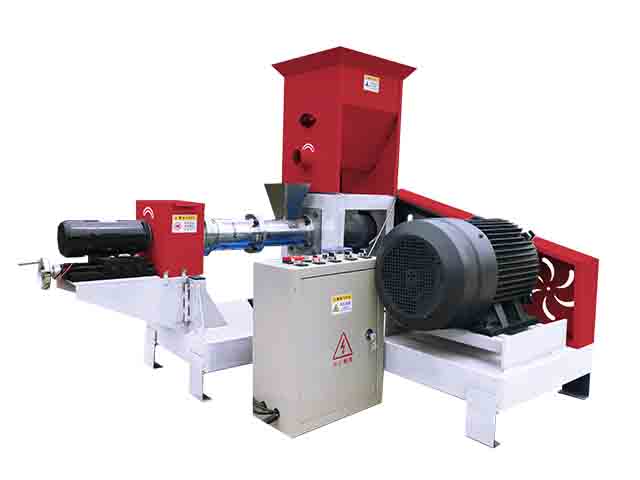
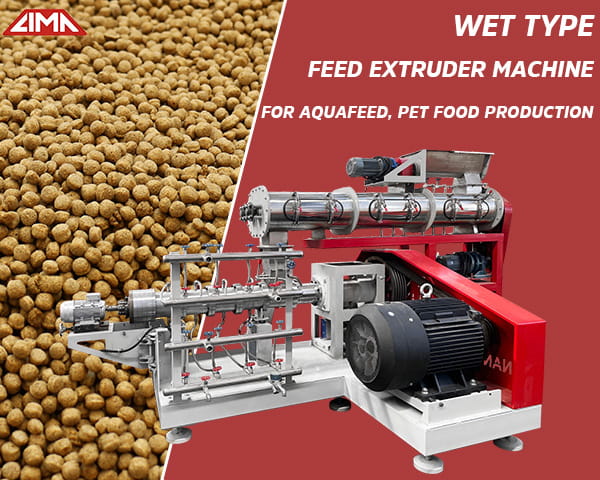
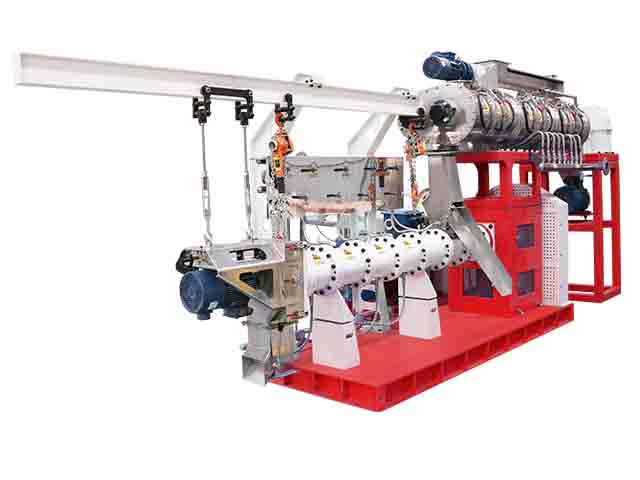
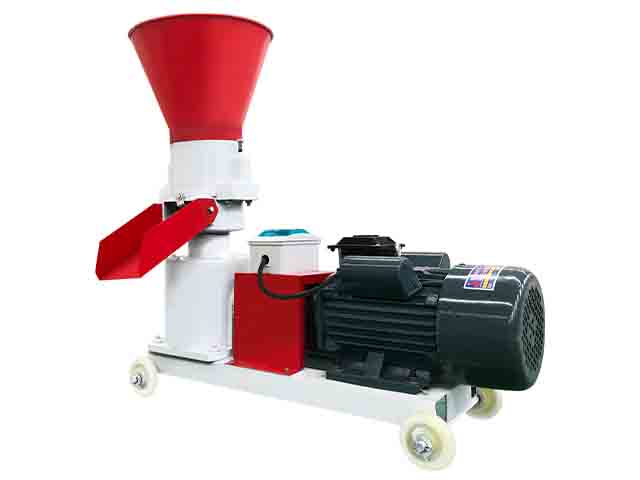
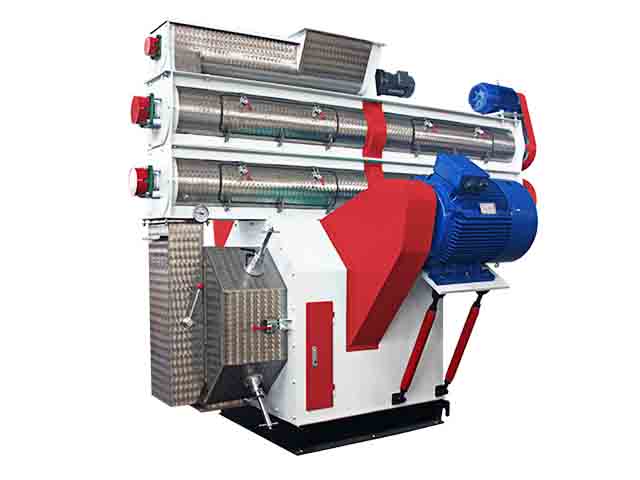
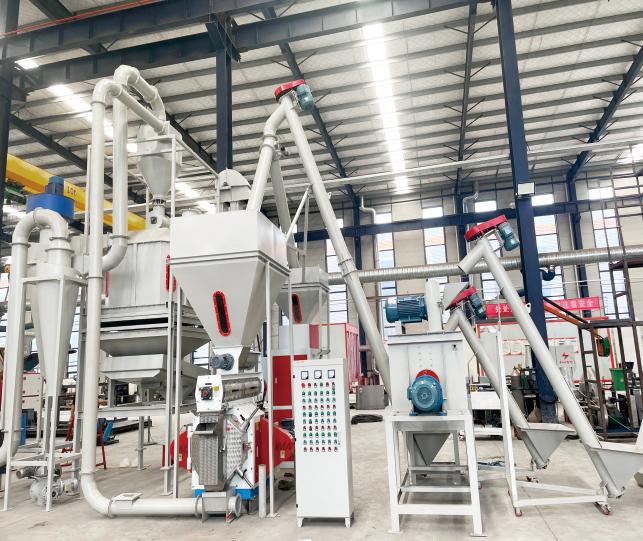
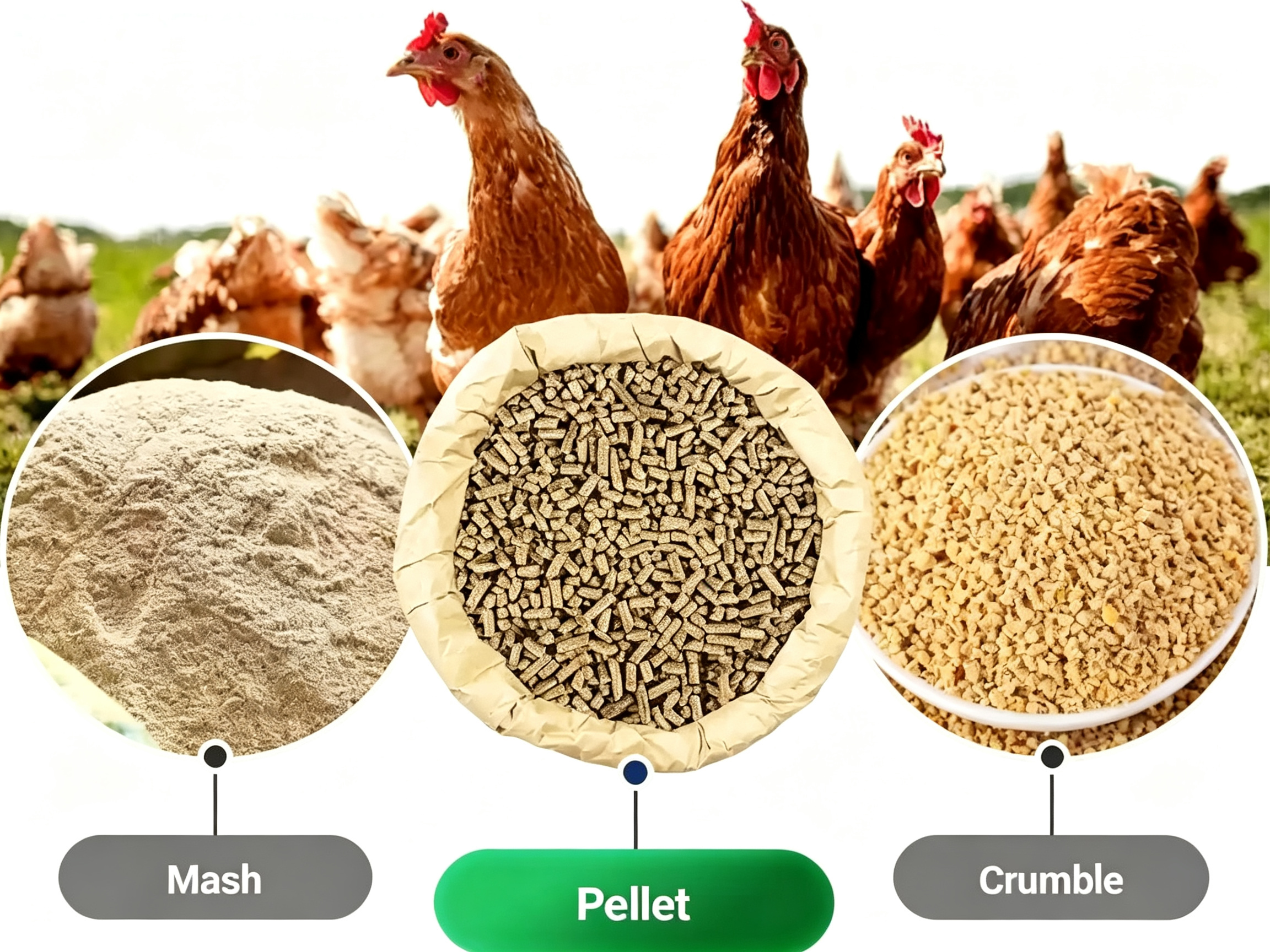
The mixed powder can be fed directly or further processed into high-quality pellet feed. The pellet production process is preferred for large-scale breeding. The mixed powder is fed into granulation equipment, and through steam conditioning, high temperature curing and high pressure granulation, the feed starch is fully gelatinized, which can not only greatly improve the digestion and absorption rate of feed, but also kill some harmful bacteria and molds in raw materials and improve the safety of feed. High temperature pressing forms compact and uniform feed particles, completely solving the problems of selective intake of powder, large dust and serious waste, and improving feed palatability and poultry intake.
Ventilated cooling and sealed storage
The feed that has just been pelleted has high temperature and high moisture content, and is easy to damp and mildew. It needs to be sent to ventilation and cooling equipment immediately for rapid cooling and moisture dissipation, so as to reduce the temperature and moisture of the feed to the storage standard and eliminate the feed deterioration caused by high temperature and humidity. After cooling, the finished pellet feed is screened, broken particles and powder are removed, finally sealed and packaged, stored in a ventilated manner away from light, protected from moisture, insects and mildew, so as to ensure stable feed quality, and can be stored for a long time and maintain original nutrition and palatability.
7. How to Improve Poultry Feed Quality and Production Efficiency?
Control Raw Material Quality Strictly
The quality of raw materials determines the basic quality of feed. When purchasing, priority shall be given to fresh, dry, mildew-free, odor-free and impurity-free high-quality raw materials. After each batch of raw materials enters the site, core indicators such as moisture, crude protein, mycotoxin and impurities shall be detected. The moisture shall be controlled at 10%-12%, and unqualified raw materials shall be rejected directly. Establish supplier audit and regular sampling mechanism, keep raw material inspection report, and ensure stable quality of raw materials. At the same time, sustainable raw materials such as local alternative raw materials, processing by-products and insect powder are reasonably selected to reduce procurement costs on the premise of ensuring nutrition and realize efficient utilization of resources.
Optimize Formula and Nutrient Utilization
Abandon general extensive formula, customize differentiated formula according to poultry breed, age, breeding environment and production performance, and accurately match nutritional requirements of each stage. Focus on optimizing core indicators such as digestible amino acids, available phosphorus and metabolic energy to avoid excessive waste or deficiency of nutrients. Reasonable combination of functional additives, phytase to improve phosphorus utilization rate, carbohydrate enzyme decomposition of crude fiber, probiotics to regulate intestinal health, antioxidants to protect nutritional activity, all-round improvement of nutrient absorption rate. At the same time, the formula is dynamically updated according to the season and the fluctuation of raw material nutrition to ensure the stability of breeding nutrition throughout the year. Granular feed is preferred, and compared with powder feed, feed utilization rate can be increased by more than 10%.
Upgrade Production Technology
Adjust the grinding particle size according to the age of poultry to achieve fine grinding; optimize the stirring time and feeding sequence to ensure the mixing uniformity; standardize the steam conditioning temperature and pressure, promote starch gelatinization, improve feed digestibility, and avoid high temperature damage to vitamins, amino acids and other heat-sensitive nutrients. Large-scale farms upgrade automatic ingredients, mixing and pelletizing equipment to reduce manual operation errors and improve production efficiency and feed stability. After processing, cool quickly and store in sealed condition. Ventilate, damp proof, insect proof and mildew proof shall be done well to avoid deterioration of feed quality during storage.
Build Comprehensive Quality Control System
Establish a quality control mechanism for the whole process of raw material mobilization, processing and production, finished product delivery and storage. Near-infrared spectrometer is used to rapidly detect feed moisture, protein, fat, fiber and other indicators, and regularly sent to a third-party laboratory to detect key indicators such as amino acids, minerals and mycotoxins. Sort out the key control points of production, do a good job in equipment cleaning, batch recording and product traceability, timely discover and rectify production problems, and put an end to unqualified feed feeding.
8. Frequently Asked Questions About Poultry Feed Formulation
Q1: What is poultry feed formulation design? What is the core role?
Poultry feed formula design is a technology of accurately matching all kinds of raw materials according to the physiological characteristics and production requirements of poultry to prepare balanced nutrition complete feed. The core function is to meet all nutritional requirements of poultry growth, egg production and breeding, improve growth speed and production performance, reduce feed waste and breeding costs, enhance poultry immunity, reduce disease occurrence, and comprehensively improve breeding economic benefits.
Q2: What are the core raw materials commonly used in poultry feed? What are their respective roles?
The core raw materials are divided into six categories: corn, wheat and other energy raw materials to provide basic metabolic energy; soybean meal, fish meal and other protein raw materials to support muscle and egg development; oil to improve energy density and palatability; stone powder, calcium hydrogen phosphate and other minerals to ensure bone and eggshell quality; premixed vitamins to regulate metabolism and immunity; various additives to optimize feed quality and intestinal health. All raw materials are matched with each other to form a complete nutrition system.
Q3: What are the core design points of broiler feed formula?
Broilers mainly gain weight rapidly, and the whole process is divided into three stages to adjust the formula. During brooding period, high eggs are high in energy and easy to digest, so as to build immune foundation; during growing period, protein and energy are balanced, so as to promote skeletal muscle development; during fattening period, high energy is provided, protein is moderately reduced, feed conversion rate is optimized, breeding cost is reduced, amino acid balance is ensured in the whole process, and there is no short board of nutrition.
Q6: Can all poultry use the same feed formula?
You can’t. The nutritional requirements of poultry of different categories and different ages vary greatly: broilers need high protein and high energy to adapt to rapid weight gain, laying hens need high calcium to adapt to laying eggs, chicks need easy digestion nutrition, and adult poultry have lower nutritional density. A uniform formula can lead to overnutrition, waste or undernutrition, loss of production and illness, and phased formulas must be customized on demand.
Conclusion
Poultry feed formula design is a core breeding technology that considers both scientific and practical aspects. From raw material recognition, phased formula design, accurate calculation, standardized production to quality optimization, every link directly affects breeding benefits. Only by accurately mastering the formula logic of each stage, standardizing the production process and continuously optimizing the feeding scheme, can farmers minimize the breeding cost, improve the breeding yield and profit, and realize the standardized, scientific and efficient development of poultry breeding on the premise of ensuring poultry health and product quality.