A Complete Guide to the Best Feed Formulas for Broilers and Laying Hens
- Core differences in feed formula between broilers and layers
- The core essential raw material of chicken feed formula
- Balance Blending Skill of Feed Protein and Energy
- Staged standardized feed formula scheme
- Common Misunderstandings and Avoidance Methods of Feed Formula
- Optimization scheme of feed formula without loss and cost reduction
- Scale farm feed formula landing process
- sum up
In the poultry farming industry, feed formula is the core element that determines the breeding benefit. Feed cost accounts for 60% to 70% of the total cost of poultry farming, which directly affects the growth rate, feed to meat ratio of broilers and egg production rate, eggshell quality and breeding cycle of laying hens. Scientifically adapted feed formula can accurately match the nutritional requirements of chickens of different categories and different growth stages, effectively reduce breeding losses and improve breeding capacity and profits. This paper systematically combs the feed formula difference, core raw material ratio, nutrition balance skills, phased feeding scheme of broiler and laying hen, summarizes the common mistakes of formula and the methods of reducing cost and increasing efficiency, and matches the practical operation advantages of farm self-made feed, so as to provide a feed formula scheme that can be directly landed for large-scale and small and medium-sized poultry farms.
Core differences in feed formula between broilers and layers
Broilers and laying hens have different breeding objectives, and there are essential differences in physiological development law and nutrition consumption mechanism, which also leads to significant differences in feed formula in nutrition ratio, raw material selection and index parameters. Many farmers have poor breeding benefits. The core reason is to confuse the feed formula logic of two types of chickens, blindly use feed, cause excessive nutrition or lack of nutrition, and cause a series of problems such as slow growth, egg production decline, poultry diseases, etc.
Differences in culture orientation and nutrient requirements
The core of broiler breeding is short-term rapid fattening, relying on high-intensity nutrition supply to achieve rapid muscle growth, reaching market weight within 5 to 8 weeks. Therefore, the core requirements of broiler feed are high protein, high energy, focusing on muscle synthesis and weight gain, and the demand for minerals only meets the basic skeleton development. The breeding core of laying hens is long-term stable egg production, and the breeding cycle lasts for several months. It needs to continuously provide nutrition for egg shell formation and reproductive system operation. Layer feed does not need ultra-high protein and high energy ratio, but the accuracy of calcium, vitamins and trace elements is extremely high, so as to ensure egg shell hardness and continuous egg production ability.
From the core nutritional indicators, broiler feed crude protein content maintained at 18% to 24% according to the growth stage, metabolic energy value is high; laying hen feed crude protein stable at 16% to 18%, the value fluctuates very little, but the calcium content in the laying period needs to reach 3.5% to 4.2%, which is several times the calcium content of broiler feed. This difference in core indicators is the most critical criterion for distinguishing between two types of feed formulations.
Difference in raw material composition
Broiler feed in the raw material collocation, will greatly increase the proportion of high protein, high energy raw materials. In broiler feed during brooding period, soybean meal, fish meal and other high-quality protein raw materials account for a very high proportion, and at the same time, appropriate vegetable oil is matched to improve energy density, supplemented with amino acid additives such as lysine and methionine, which comprehensively assist rapid muscle development. Gradually reduce the proportion of protein raw materials in the later stage of growth, increase the proportion of energy raw materials such as corn, and realize efficient fattening.
The raw material structure of layer feed is more balanced. The energy raw material is mainly corn, the proportion of protein raw material is moderately reduced, and the addition proportion of mineral raw materials such as limestone and calcium hydrogen phosphate is greatly increased to meet the demand of eggshell formation. At the same time, it will be matched with wheat bran, rice bran and other crude fiber raw materials to regulate the intestinal health of laying hens, avoid fat accumulation and ensure long-term egg stability. In addition, the vitamin premix of layer feed is targeted to strengthen the reproductive system maintenance components, which is obviously distinguished from the growth premix of broiler chicken.
Feeding characteristics and cost differences
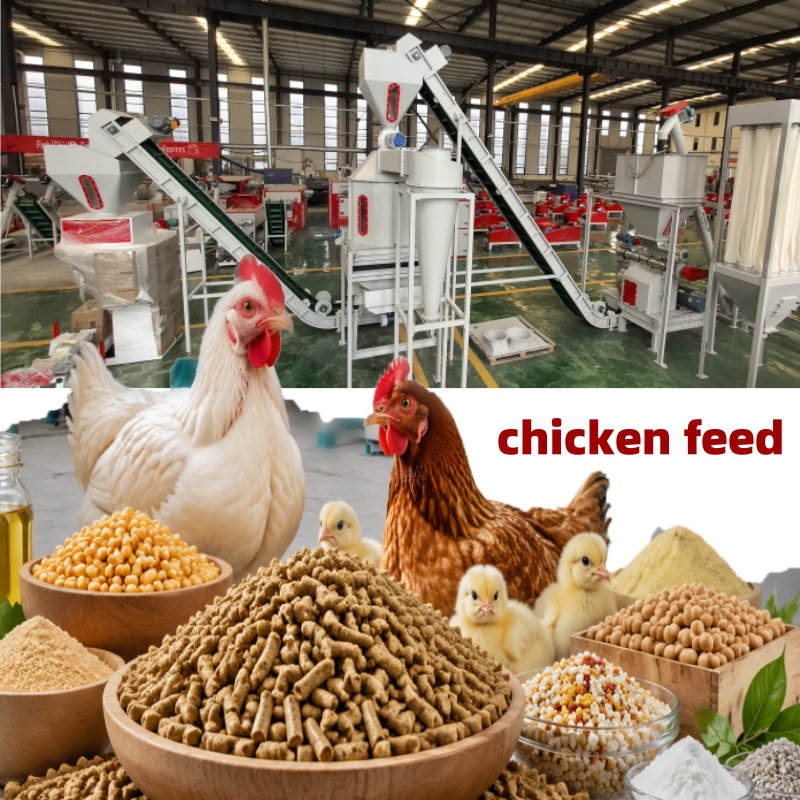
Broilers have strong appetite for food intake and large feed intake. The feed formula design focuses on high palatability and high digestibility. Small granular powder or granular feed is used to reduce waste of food intake and adapt to the growth characteristics of rapid metabolism. Layer feeding rhythm is stable, daily intake is fixed, feed can be used large pellets or powder with oyster shell particles, to meet the daily nutrition and calcium supplement needs.
At the cost level, broiler feed has a higher cost per kilogram due to the high proportion of high-protein and high-oil raw materials, but the breeding cycle is short and the overall feed turnover is fast; laying hen feed has a lower cost per kilogram, but the feeding cycle is long, and the long-term cumulative feed The total amount of investment is larger, and the cost control logic of the two types of feed requires differentiated design.
The core essential raw material of chicken feed formula
The core of high-quality chicken feed is scientific collocation of various raw materials, different raw materials undertake different functions such as energy supply, body growth, immune maintenance, etc. Whether it is broiler feed or laying hen feed, it needs to rely on standardized core raw material combination, and then fine-tune the proportion according to breeding category and growth stage. Mastering the function and use standard of all kinds of raw materials is the foundation of making feed formula well.
energy raw material
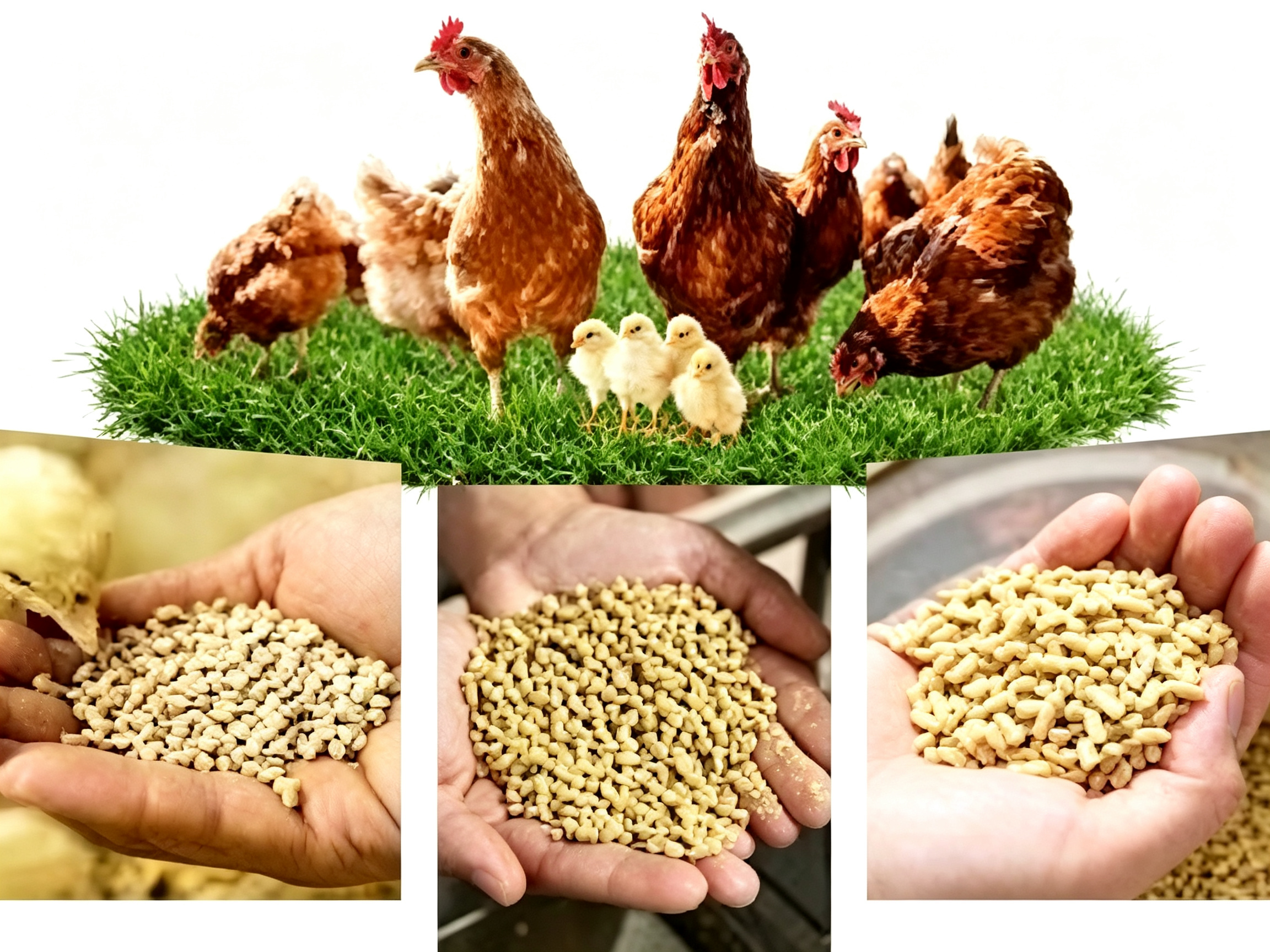
Energy raw material is the basic carrier of chicken feed, accounting for 50% to 65% of the total feed ratio, providing basic metabolic energy for daily activities, growth and development of chickens, laying eggs and breeding, and directly determining the metabolic energy index of feed. Corn is the best quality and most commonly used energy raw material for poultry feed at present. It has the advantages of high carbohydrate content, high digestion and absorption rate, good palatability and stable supply, which meets the feeding needs of chickens at all stages.
According to regional raw material advantages, wheat, sorghum, cassava and so on can be used as alternative energy raw materials for corn, which can effectively reduce the cost of raw material procurement. It should be noted that when energy raw materials are insufficient, chickens will consume protein in feed into energy, which not only causes waste of high protein raw materials, but also leads to slow growth of broilers and decrease of egg production of laying hens; excessive energy raw materials will cause fat accumulation of chickens, causing leg diseases of broilers, obesity and production reduction of laying hens.
protein raw materials
Protein is the core raw material for chicken muscle growth, feather development and egg synthesis, and is the most valuable component in feed formula. Soybean meal is the core protein raw material of poultry feed, the crude protein content can reach 44% to 48%, the amino acid ratio is balanced, easily digested and absorbed by chickens, it is an irreplaceable basic protein source, accounting for about 35% in broiler brood feed.
Fish meal, cottonseed meal, sunflower seed meal, pea meal and so on are commonly used auxiliary protein raw materials. Fish meal has high protein content and rich minerals, which can improve the immunity of chickens and is mostly used in broiler brooding stage; cottonseed meal, sunflower seed meal and other economical protein raw materials can replace part of soybean meal in the later stage of growth and reduce formula cost. At the same time, lysine and methionine are essential additives, which can optimize protein utilization rate and ensure growth and egg production without blindly increasing the overall protein content.
mineral raw material
Mineral raw materials are mainly responsible for chicken bone development, electrolyte balance, eggshell formation, the core contains calcium, phosphorus, salt three basic components. Calcium element is the core mineral of laying hen feed, mainly from limestone and oyster shell. Adequate supply must be ensured during laying period, otherwise soft shell eggs, thin shell eggs and egg production rate will drop sharply. Broilers only need a small amount of calcium to meet bone growth, excessive calcium supplementation will increase the metabolic burden on the kidneys and cause diseases.
Phosphorus is mainly derived from calcium hydrogen phosphate, which ensures the bone toughness and metabolic function of chickens; salt is used to maintain electrolyte balance in the body and improve the palatability of feed. The proportion of phosphorus added to various chicken feeds shall be strictly controlled to avoid poisoning caused by exceeding the standard. Zinc, manganese, iron, selenium and other trace elements do not need to be added separately, and balanced supply can be realized through special multi-dimensional mineral premix.
Vitamins and Premixes
Special vitamin mineral premix is the essential ingredient of modern poultry feed, which can comprehensively supplement the missing nutrients in grain and meal raw materials, including vitamins A, D, E, K and B vitamins, and cover various trace elements. High-quality premix can strengthen chicken immunity, protect vision, promote bone development, maintain reproductive system health, and help chickens cope with breeding risks such as temperature difference, stress and disease.
Special premix for broilers focuses on growth promotion and intestinal maintenance, while special premix for laying hens focuses on reproductive system protection and egg shell quality improvement. The two types of premix cannot be mixed, otherwise there will be insufficient nutritional compatibility.
functional additives
The oil raw materials are mainly vegetable oil and soybean oil, and the addition ratio is 1% to 5%. It is used to improve the energy density of feed, improve the palatability of feed, and help broiler fattening. Wheat bran, rice bran and other crude fiber raw materials, can regulate intestinal motility, maintain intestinal health, avoid chicken indigestion.
Enzymes and probiotics can improve nutrient digestion and absorption rate and reduce feed waste; antioxidants and mildew inhibitors can effectively prevent raw materials and finished feeds from moldy and deteriorating, prolong storage cycle and ensure stable feed quality. They are essential additives for large-scale breeding feed production.
Balance Blending Skill of Feed Protein and Energy
The balance of protein and energy is the core technology of feed formula, which directly determines feed conversion rate, breeding capacity and cost control effect. Protein is responsible for the construction of the organism, energy is responsible for metabolic energy supply, the imbalance of the two will directly cause various breeding problems, accurate control of the matching logic is the key to improve the breeding benefit.

Harm of Protein Energy Imbalance
When the feed energy is insufficient and the protein is sufficient, the chicken will preferentially decompose the protein to obtain energy, resulting in waste of high-priced protein raw materials, slowing down the growth rate of broilers, increasing the feed to meat ratio, shortening the laying cycle of laying hens and decreasing the peak laying value. When the energy is excessive and the protein is insufficient, the chicken metabolism is unbalanced, the fat is accumulated in a large amount, the broiler is easy to have leg diseases, the weight of the chicken is not up to standard, and the laying hen will have obesity, production suspension, poor eggshell quality and other problems.
In addition, a single focus on crude protein values, ignoring amino acid balance, is also a common misconception. Even if the protein content reaches the standard, lysine and methionine are missing, the protein utilization rate will decrease greatly, and the core role of growth and egg production will not be played.
Matching standards for different types of chickens
Broiler chicken adopts high egg and high energy ratio in the whole process, and dynamically adjusts with the growth stage. During brooding period, the metabolic energy of feed is controlled at 3000 – 3100 kcal/kg, and the crude protein is 22%-24%, so as to meet the requirements of rapid growth and immunity construction of chicks; during growth period, the protein is moderately reduced and the energy is stabilized; during fattening period, the protein is further reduced, the energy density is improved, and the weight gain is realized efficiently.
The laying hens were fed with a mixture of stable protein and high calcium. During the breeding period, the crude protein is 16% to 18%, and the metabolic energy is 2700 to 2900 kcal/kg, which ensures the development of skeleton and reproductive system; during the laying period, the same protein and energy level is maintained, and the calcium supply is emphasized to realize the effect of energy exclusively for laying eggs and protein maintaining the health of the body.
Practical balance allocation method
The recipe should follow the order of “energy first, protein later, amino acid supplement”. Basic energy raw materials such as corn and wheat are used as base materials to lock basic metabolic energy of feed; crude protein values are adjusted through protein raw materials such as soybean meal and fish meal to match corresponding growth stage standards; lysine and methionine are finally supplemented to optimize protein utilization rate, and ideal breeding effect can be achieved without excessively increasing protein addition ratio.
The temperature environment will affect the proportion accuracy. In high temperature weather, the feed intake of chickens decreases, so it is necessary to moderately increase the nutrient density of feed to ensure sufficient nutrient intake in a single day; in low temperature weather, chickens consume large energy, so the proportion of oil and corn can be appropriately increased to improve energy supply. At the same time, relying on the feed pellet machine to complete the crushing, mixing and granulation procedures, it can make the nutrition distribution more uniform, avoid the chicken picky food, and ensure the balanced nutrition intake of the group.
Staged standardized feed formula scheme
The physiological function and nutritional requirements of chickens at different growth stages vary greatly, and one-size-fits-all feed formula will cause serious nutritional waste or stunting. Staged accurate proportion of feed is the core means to give consideration to breeding effect and cost control. The following formula standards for broilers and laying hens can be directly landed in the whole growth stage.
Phased feed formula for broilers
Chickens feed to 14 days of age for brooding stage, the core needs are high digestion, high nutrition, to help chick organ development and immunity enhancement. The ratio per 100 kilograms of feed is: 50 kilograms of corn, 32 to 35 kilograms of soybean meal with a content of 44% to 48%, 5 to 7 kilograms of fish meal, 4 to 6 kilograms of wheat bran, 2 to 3 kilograms of vegetable oil, and 1.5 kilograms of limestone plus calcium hydrogen phosphate. to 2 kg, 0.3 to 0.5 kg of salt, 1 to 1.5 kg of multi-dimensional premix, 0.2 to 0.3 kg of methionine, and 0.1 to 0.2 kg of lysine. The formula has sufficient protein, moderate energy and easy digestion, and can effectively reduce the mortality of chicks.
15 to 28 days old is the growth stage, need to reduce protein moderately, maintain stable energy, avoid excessive nutrition. On the basis of brooding formula, the proportion of soybean meal is reduced by 5% to 8%, the amount of corn or wheat bran is correspondingly increased, the amount of amino acid is finely adjusted, the nutritional requirements of broiler muscle rapid growth are adapted, and the feed conversion rate is optimized.
From 29 days old to slaughter is fattening stage, the core goal is to gain weight quickly and improve the quality of slaughter. Further control the crude protein at 18% to 20%, continuously increase the proportion of corn, increase the proportion of vegetable oil, strengthen the energy density of feed, promote uniform fat deposition, shorten the production cycle and improve the breeding income.
Phased feed formula for laying hens
0 to 8 weeks old is the breeding stage of chicks. The formula takes into account the development of skeleton and organism. The crude protein is slightly lower than that of broiler brood to avoid premature obesity. Based on corn and soybean meal, with proper wheat bran and multi-dimensional premix, moderate mineral addition, focus on cultivating healthy organisms, laying a foundation for subsequent egg production.
8 to 18 weeks old is the breeding stage of young chickens, the core is to regulate the growth rhythm and avoid premature laying. The formula maintains 16% to 18% crude protein, increases the proportion of crude fiber raw materials such as wheat bran and rice bran, gradually improves the addition proportion of calcium element, gradually exercises reproductive system and bone development, and eliminates the problems of short laying cycle and poor eggshell caused by premature laying.
The key period of formula regulation is when egg production begins at 20 weeks of age. Each 100kg of feed is prepared from corn 55 – 60kg, soybean meal 15 – 20kg, rice bran or wheat bran 8 – 12kg, fish meal 3 – 5kg, coarse limestone 7 – 9kg, calcium hydrogen phosphate 1 – 1.5kg, salt 0.3 – 0.5kg, special premix for laying hens 1 – 2kg, methionine and lysine 0.1 – 0.25kg respectively. The formula can accurately meet the nutritional requirements of egg production period, and at the same time, oyster shell particles can be added separately in the afternoon to improve calcium absorption efficiency and optimize egg shell quality.
Common Misunderstandings and Avoidance Methods of Feed Formula
Most of the problems of feed waste and poor production capacity in poultry farming are not caused by insufficient formula standards, but by misunderstanding of details in the practical operation process. From raw material selection, proportion adjustment to feeding switch, any link error will affect the overall breeding effect, avoiding high-frequency misunderstanding is the key to improve breeding benefit.
Mistakes in Nutrient Ratios
The imbalance of calcium and phosphorus ratio is the most common problem in laying hen breeding. Many farmers follow the general poultry feed standard, resulting in insufficient calcium content in laying period, causing soft shell eggs, pecking eggs and egg production rate to decline; while the blind high calcium content in broiler feed will aggravate the metabolic burden of kidney and induce diseases. At the same time, excessive pursuit of high-protein feed is a high-frequency misunderstanding of broiler breeding. Excess protein in fattening period can not only improve weight gain effect, but also increase feed cost and cause leg diseases.
Only paying attention to crude protein values and ignoring amino acid balance is also a core misunderstanding. Some farmers reduce amino acid additives in order to reduce costs, resulting in a significant reduction in feed protein utilization, seemingly up to standard formula, but in fact insufficient nutrition supply, seriously affecting growth and egg production performance.
Raw materials and production errors
The use of moldy, deteriorated and moldy raw materials will introduce aflatoxin, resulting in decreased feed intake, decreased immunity, frequent diseases and destruction of feed nutrition balance. Uneven size of raw material particles and insufficient mixing will cause uneven distribution of feed nutrients, excessive nutrition for some chickens, lack of nutrition for some chickens, uneven growth and egg production performance.
Neglecting the importance of premix, selecting low-cost and inferior premix or omitting addition directly will lead to vitamin and trace element deficiency, cause a series of chronic problems such as skeletal dysplasia, low immunity and poor egg stability, and affect breeding benefits for a long time.
Mistakes in feeding management
Sudden change of feed is a common operation error in breeding. There are great differences in nutrition of different types of feed at different stages. Sudden change of feed will lead to intestinal stress of chickens, diarrhea, decrease of feed intake, sudden drop of egg production, etc. The correct way is to complete the feed transition step by step in 3 to 5 days.
Ignoring the environmental impact on feed nutrition and not fine-tuning the formula according to seasonal temperatures. In high temperature weather, chickens eat less food, and failure to increase nutrient density will lead to insufficient nutrient intake; in low temperature weather, energy demand will increase, and failure to increase energy raw materials will lead to growth and egg production obstruction, resulting in production loss.
Optimization scheme of feed formula without loss and cost reduction
The high feed cost is the core problem restricting the profit of poultry breeding. Many farmers blindly reduce high-quality raw materials in order to reduce costs, resulting in the decline of breeding performance and loss. The real scientific way to reduce cost is to reduce the comprehensive feed cost through formula optimization, independent production and management upgrading on the premise of ensuring chicken growth and egg production performance.
Substitute local quality raw materials
Relying on local agricultural resources, replacing high-priced commercial raw materials is the most direct way to reduce costs. According to regional advantages, local sorghum, cassava and wheat can be used to replace high-priced corn, sunflower seed meal, cottonseed meal and pea meal can be used to replace part of imported soybean meal, so as to greatly reduce the purchase cost of raw materials on the premise of ensuring that the nutritional indicators meet the standards. Before replacement, it is necessary to detect the nutritional components and mold content of raw materials to ensure the quality safety and nutrition of raw materials.
Farms produce their own feed
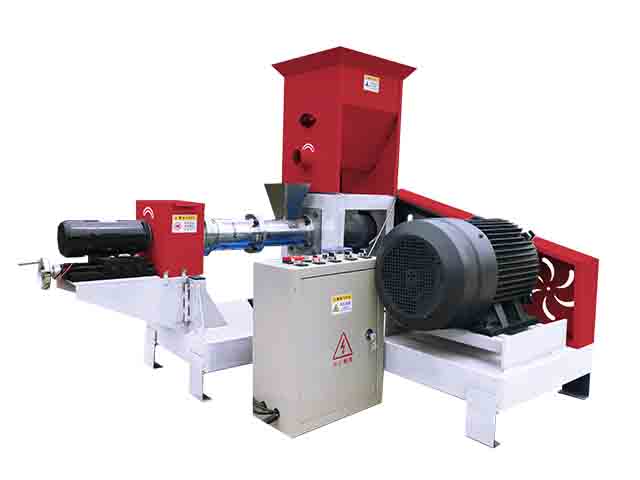
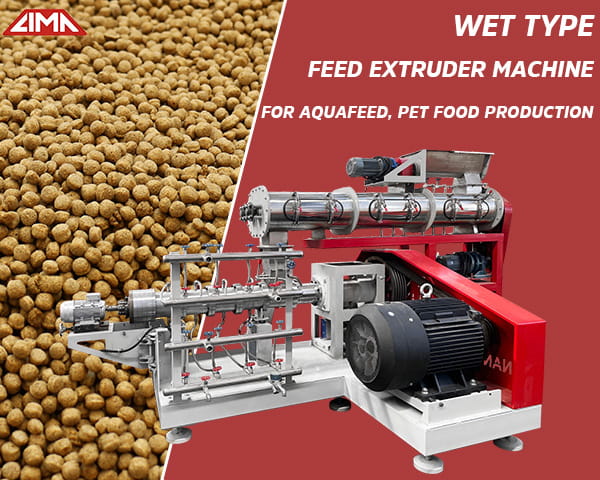
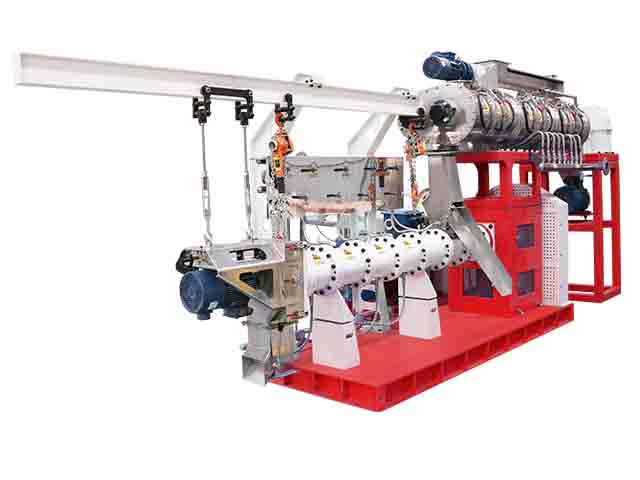
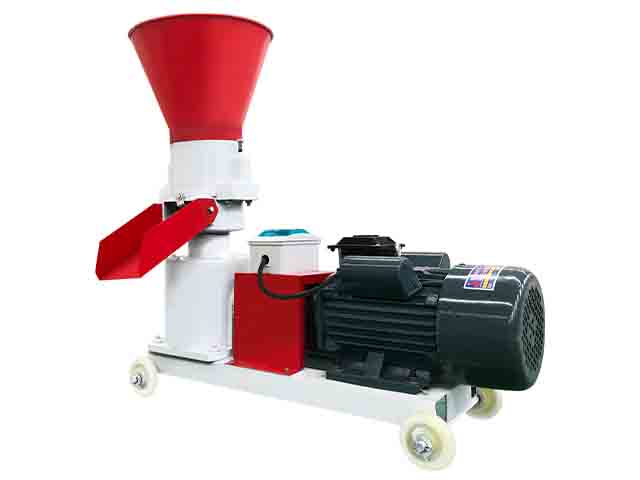
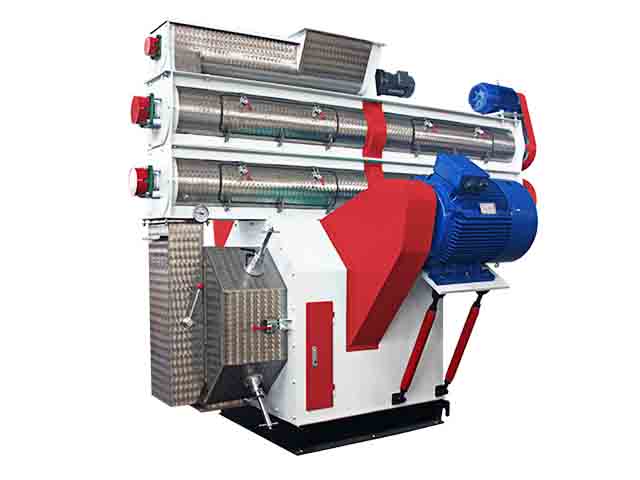
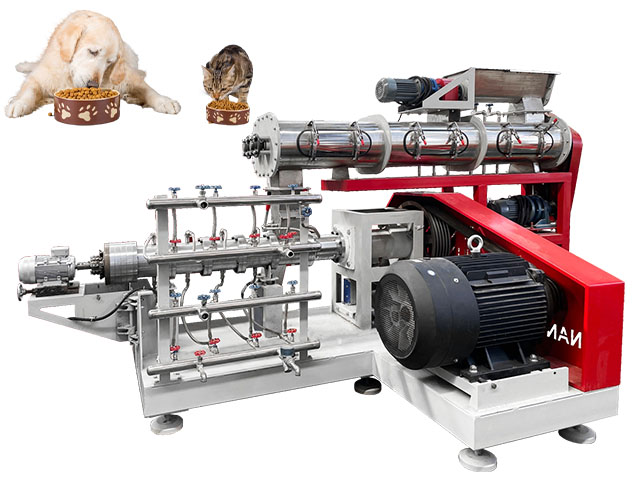
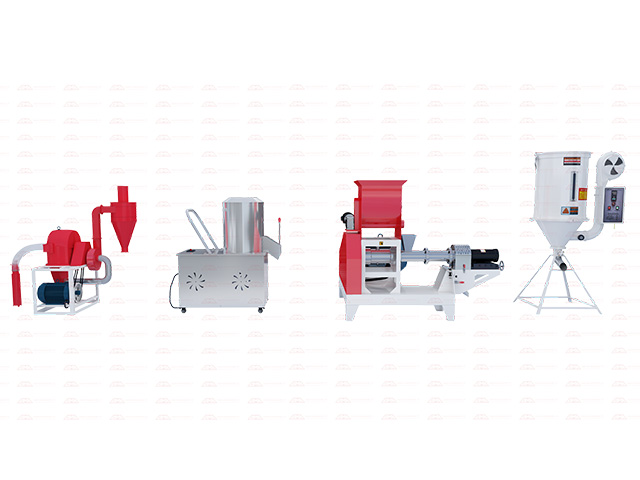
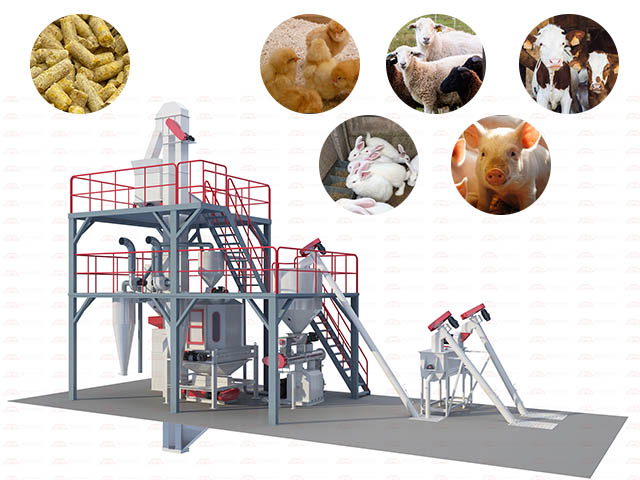
Purchasing commodity feed needs to bear the middleman price difference, transportation cost, storage loss, and the price is generally 20% to 40% higher than that of self-made feed. The introduction of poultry feed pellet machine, with grinder, mixer, cooling equipment, can achieve farm independent feed production. Small and medium-sized farms can choose flat-mold pelletizing machines to adapt to small-batch production; large-scale farms can be equipped with complete production lines to achieve standardized batch production.
Self-made feed can accurately control the quality of raw materials, eliminate the adulteration of inferior raw materials, feed is produced and used now, nutrition is not lost, no mildew, freshness is much higher than commercial feed. At the same time, it can fine-tune the formula in real time according to the growth status and seasonal changes of chickens, realize personalized nutrition adaptation, and improve feed conversion rate and breeding capacity while reducing costs. In addition, the high temperature treatment in the granulation process can kill some pathogenic bacteria in the raw materials, improve the safety of feed and reduce the occurrence of chicken diseases.
Refined formula and feeding management
Carry out phased accurate feeding and eliminate full-cycle universal feed. According to the nutritional requirements of broilers and laying hens at different growth stages, accurately adjust the protein, energy and calcium ratio, avoid using high-priced and high-nutrient raw materials at the stage of low nutritional requirements, and reduce nutritional waste. At the same time, by supplementing amino acids and optimizing the proportion structure, the addition proportion of high-priced soybean meal can be moderately reduced and the formula cost can be reduced without affecting the breeding performance.
Do a good job in feed storage management, store raw materials and finished feeds in a cool, dry, rat-proof and moisture-proof environment to prevent mildew, agglomeration and nutrient loss. Regularly clean feeding equipment to avoid residual feed deterioration and pollution of new feed, and reduce feed loss from the source. At the same time, clean drinking water and stable breeding environment shall be ensured, stress of chickens shall be reduced, digestion and utilization rate of feed shall be improved, and cost reduction and efficiency increase shall be realized through management optimization.
Data-based dynamic adjustment formula
Establish a breeding data recording system to continuously record core data such as feed consumption, broiler weight gain rate, laying rate of laying hens, and feed-meat ratio. According to the breeding data, the formula parameters are dynamically fine-tuned. If there are problems such as slow growth, egg production decline, poor eggshell quality, etc., timely detect feed nutrition and adjust raw material ratio; if the breeding performance is stable, the raw material structure can be appropriately optimized to further reduce the cost. Data adjustment can adapt the formula to the breeding environment and chicken flock status of its own farm, realizing accurate and efficient breeding.
Scale farm feed formula landing process
Large-scale poultry breeding has higher requirements on feed stability, accuracy and safety. Standardized production and landing process can guarantee the maximum formula effect, unify the nutrition intake of chicken flock and stabilize the breeding capacity, which is the core guarantee for the profitability of large-scale breeding.
First of all, raw material selection and testing shall be carried out, and high-quality raw materials with stable local sources shall be selected preferentially. Before batch purchase, the nutritional components, mold content and impurity proportion of various raw materials shall be tested, so as to prevent inferior raw materials from entering the market and ensure the basic quality of formula from the source. Secondly, according to the breeding category and chicken growth stage, apply standardized formula, accurately weigh all kinds of raw materials, and ensure that the proportion error is minimized.
Subsequently, raw material pretreatment and mixing are carried out. All kinds of raw materials are crushed to uniform particle size by a pulverizer to avoid the problem of nutrient stratification caused by uneven particles, and then fully stirred by a mixer to ensure uniform fusion of various raw materials, premix and additives to avoid local nutrient imbalance. After mixing, granulation, conditioning and cooling are carried out by a pellet machine to prepare standardized pellet feed, improve palatability and digestibility, and reduce intake waste.
Finally, storage and dynamic monitoring are carried out. The finished feed is sealed and stored in a standard storage environment, and the quality is regularly sampled. Meanwhile, the growth, egg production and health status of the chicken flock are continuously observed. According to seasonal changes, chicken age and breeding environment, the formula details are fine-tuned every week to form a closed-loop formula management system, so as to stably improve the breeding benefit for a long time.
sum up
The core of feed formula for broilers and laying hens is differential nutrition adaptation based on breeding objectives. Broilers focus on high egg and high energy to promote growth, and laying hens focus on balanced nutrition and high calcium to maintain egg production. Mastering the core raw material function, protein energy balance skills, phased ratio standards, avoiding common formulas and feeding errors are the basis for good feed management. For all kinds of poultry farms, relying on feed pellet machine to realize independent feed preparation on the farm, with refined formula optimization and feeding management, can completely get rid of the cost and quality limit of commodity feed, greatly reduce feed cost and maximize the overall profit of poultry breeding on the premise of ensuring chicken health and stable breeding capacity, which is the core scheme of efficient profit in poultry breeding industry.