The best feed formula for broilers and laying hens
- I. Optimal feed formula for broiler chicken in stages (suitable for rapid fattening)
- Laying hens high-yielding special feed formula (egg-laying stage adaptation)
- Analysis of core ingredients and core role of chicken feeds
- Four, broiler and laying hens feed protein accurate proportioning standards
- Does not affect the production performance of feed cost reduction techniques
- High-quality chicken feed pellets production practice skills
- Summary
In large-scale poultry farming, the science of feed formulation directly determines the breeding efficiency, poultry health and product quality. Data show that feed costs account for 60% to 70% of the total cost of poultry farming, which is the core breakthrough of farming cost reduction and efficiency. Broiler to rapid fattening, muscle growth as the core objective of breeding, laying hens to long-term stable egg production, to ensure the quality of eggshells and egg liquid as the core demand, the two growth and metabolic patterns, nutritional intake focus is very different, general-purpose feed often causes nutritional waste, growth lag, egg production rate decline and a series of problems.
High-quality chicken feed formula is not a simple mixture of raw materials, but according to the growth stage of poultry, species characteristics, accurate balance of energy, protein, amino acids, vitamins, minerals and other nutrients, in order to protect the production performance of the premise, maximise the compression of breeding costs, reduce the incidence of disease. In this paper, we will systematically dismantle the precise feed formula for broiler phase-by-phase, the special formula for high yielding laying hens, the efficacy of core feed ingredients, the principle of balanced nutritional ratio, the optimisation of low-cost formulae, and high-quality pellet feed production skills, so as to provide direct practical solutions for the family of retail households, small and medium-sized farms.
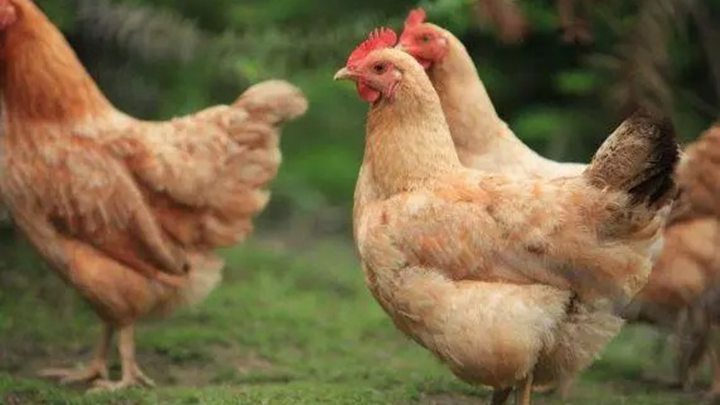
I. Optimal feed formula for broiler chicken in stages (suitable for rapid fattening)
Through breed selection, broilers are characterised by fast growth rate, high feed conversion rate and short growth cycle, and they can reach the market weight in 5 to 8 weeks routinely. The digestive ability and growth priorities of broilers at different stages of growth vary greatly, so they must be fed with stage-specific formulas to achieve rapid weight gain, optimise feed-to-meat ratios, reduce bone development problems, and at the same time, avoid costly wastage caused by over-nutrition. The industry generally divide the broiler feeding cycle into three core stages: chick opening period, growing period and fattening period, and the formula standards and nutritional parameters for each stage are as follows.
1. Chick opening formula (0-14 days old)
0-14 days of age is the key foundation period for broiler immune system, bone and muscle development, the chick digestive function has not yet been perfected, the highest demand for protein, amino acids, minerals, the feed palatability and digestibility requirements are stringent. The core objective of the feed at this stage is to promote the chicks to start eating quickly, improve the survival rate, and build a solid foundation for growth, so it is necessary to adopt the formula with high protein, moderate energy, and refined ratio.
Nutritional core standards: crude protein content is controlled at 22% to 25%, metabolisable energy is maintained at 3010 to 3100 kcal/kg, and at the same time, the focus is on supplementing lysine, methionine and other limiting amino acids to ensure the development of the organism and maturation of immune organs.
Practical raw materials ratio (weight): corn 50% to 55%, 44% to 48% crude protein soybean meal 28% to 32%, fish meal or poultry meal 3% to 5%, wheat bran 3% to 5%, soybean oil 3% to 4%, calcium phosphate 1.6% to 1.8%, stone powder 1.2% to 1.4%, salt 0.3% to 0.4%, multi-dimensional trace elements premix + amino acid additives 0.5% to 1%. Amino acid additives should focus on ensuring that methionine 0.25% to 0.35%, lysine according to the quality of raw materials moderate supplement.
Feeding precautions: prohibit the use of raw materials with high crude fibre at this stage to avoid aggravating the burden on the chicks’ stomach and intestines; all raw materials should be finely crushed, and the feed should be mainly powdered to ensure that the chicks feed and digest; ensure that there is enough clean drinking water throughout the whole process, and a small amount of gravel can be used to help the stomach and intestines grind the feed.
2. Broiler growing period formula (15-28 days old)
From 15 to 28 days of age, broilers’ digestive function is rapidly improved and muscle growth rate is greatly increased, which is the golden period of weight growth. At this stage, there is no need to continue the ultra-high protein ratio of open feed, but to moderately reduce the proportion of protein and improve energy supply, so as to achieve efficient muscle deposition, while taking into account the development of bones, to avoid paralysis and lameness in the later stage, and to balance the growth rate and the cost of breeding.
Nutritional core standard: adjust the crude protein content to 21% to 23%, increase the metabolism energy to about 3175 kcal/kg, stabilise the ratio of calcium and phosphorus, and ensure the synchronous development of bones and muscles.
Practical raw material ratios (by weight): 58% to 62% corn, 22% to 26% soybean meal, 5% to 8% wheat bran/crushed rice/alcohol lees, 2% to 3% fishmeal and other animal protein raw materials, 4% to 5% soybean oil, 1.3% to 1.5% calcium hydrogenphosphate, 1.0% to 1.2% rock flour, 0.3% salt, premix and amino acid additives 0.5%. Compared with open feed, amino acid supplementation can be moderately reduced at this stage, and low-cost miscellaneous grain by-products can be used to replace some of the concentrates to control feed costs.
Feeding precautions: Growing broiler feed intake increased significantly, need to ensure adequate feeding frequency, to avoid uneven hunger and satiety; regular observation of chicken weight growth, if the weight gain is slow, you can moderately increase the proportion of soya bean oil added to increase the feed energy density.
3. Broiler fattening feed formula (29 days old to market)
After 29 days of age, the bones and immune system of broilers have basically matured, and the core objective of breeding has been transformed into rapid fattening, optimising meat quality and reducing the feed-to-meat ratio. At this stage, it is necessary to further reduce the proportion of crude protein, significantly increase feed energy, reduce protein waste, promote moderate fat deposition, improve the pen weight and slaughter quality, while maximising the compression of feed costs.
Nutritional core standard: crude protein content is controlled at 19% to 21%, metabolizable energy is increased to about 3225 kcal/kg, and under the premise of guaranteeing basic nutrition, emphasis is placed on energy supply and optimisation of feed conversion rate.
Ratio of practical raw materials (weight): 60% to 65% of corn, 18% to 22% of soybean meal, 8% to 12% of wheat bran/alcohol dregs and other auxiliary materials, 3% to 4% of soybean oil, 1.0% to 1.2% of calcium phosphate, 1.0% of rock flour, 0.3% of salt, 0.5% of premix. This stage can be based on the local raw material market, with peanut cake, sunflower cake and other low-cost plant protein raw materials to partially replace soybean meal, to further reduce the cost of the formula.
Stage summary: the core logic of broiler formula is ‘high egg, balance, high energy’, stage by stage precise adjustment of nutritional ratios, not only to achieve the survival rate of 100%, rapid weight gain of the breeding goals, but also to control the meat ratio in the 1.6 to 1.8 high-quality range, significantly increase the breeding profit.
Laying hens high-yielding special feed formula (egg-laying stage adaptation)
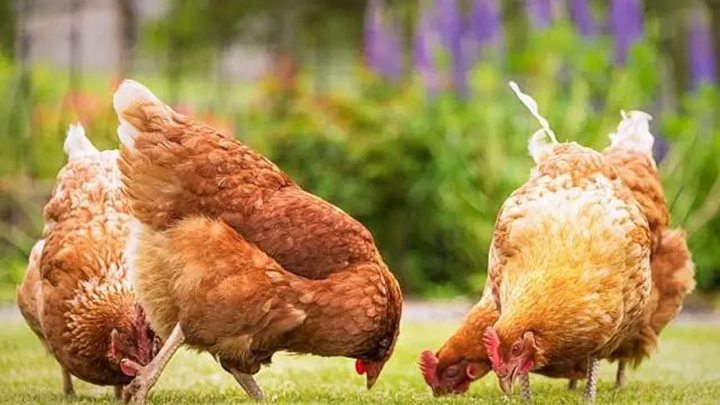
Laying hens have a long breeding cycle of 50 to 80 weeks, and the core demand is long-term stable egg production performance, solid eggshell quality and low elimination rate, which is totally different from the short-term rapid growth demand of broilers. The core focus of feed formulation for laying hens is not high protein and energy, but accurate calcium and phosphorus ratio, stable amino acid supply and balanced vitamin nutrition, and at the same time, it is dynamically adjusted according to the physiological changes during the breeding period, laying period, peak laying period, and late laying period, so as to avoid the problems of declining laying rate, soft-shelled eggs, broken shells, and fatty liver.
1. Foster pre-laying formula (16-20 weeks old)
16 to 20 weeks of age is the key transition period for the development of reproductive system and bone calcium reserve of laying hens, and the chickens are about to enter the stage of laying. At this stage, it is necessary to guarantee the maturity of the organism, but also to reserve calcium in advance to prepare for the subsequent egg production. It is necessary to gradually increase the calcium content and moderately regulate the protein and energy, so as to avoid over-fatting of the chickens or lagging behind in the development.
Nutritional core standards: crude protein 16% to 18%, metabolisable energy 2700 to 2800 kcal/kg, calcium is gradually improved to complete the bone calcium deposition reserve.
Ratio of practical ingredients (by weight): 55% to 60% corn, 18% to 22% soybean meal, 3% to 5% fishmeal, 5% to 8% wheat bran, 6% to 8% rock flour/oyster shell powder, 1% to 1.5% calcium phosphate, 1% to 2% soybean oil, 0.5% to 1% premix. The addition of calcium at this stage should be gradual to avoid the metabolic burden on the kidneys caused by feeding high calcium at one time.
2. Formula for peak egg laying period (20-45 weeks old)
From 20 to 45 weeks of age is the golden period of egg laying for laying hens, the egg production rate can reach 80% to 95%, the hens continue to lay eggs every day, and the demand for protein, calcium and amino acid reaches the peak. The core of the formula at this stage is to stabilise the nutritional supply, to guarantee the synthesis of egg liquid, the formation of eggshells, to maintain high laying performance, and to eliminate the sudden drop of egg production rate caused by nutritional deficiencies.
Nutritional core standards: crude protein 16% to 18%, metabolisable energy 2750 to 2850 kcal/kg, total calcium content 4.0% to 4.5%, and precise supplementation of methionine and lysine to ensure eggshell hardness and egg quality.
Ratio of practical ingredients (weight): 58% to 62% of corn, 15% to 20% of soybean meal, 2% to 4% of fishmeal, 8% to 12% of wheat bran/alcohol lees, 7% to 9% of rock flour, 1% to 1.3% of calcium phosphate, 1% to 2% of soybean oil, 0.3% of salt, 0.5% to 1% of premixed feed+amino acid additives, with methionine additions controlled at 0.2% to 0.3%.
Feeding precautions: the daily feed intake of laying hens during the peak period is stable at 100 to 120 grams, and it is necessary to ensure the stability of feed ratios and prohibit the frequent replacement of raw materials; oyster shell powder can be fed extra freely during hot weather to supplement the calcium loss and reduce the number of soft-shelled eggs.
3. Maintenance formula for late laying period (above 45 weeks of age)
After 45 weeks of age, the reproductive function of laying hens gradually declines, the egg production rate slowly decreases, the quality of eggshells tends to deteriorate, the metabolism of the body slows down, and it is very easy to have fat accumulation, fatty liver and other problems. At this stage, the formula should moderately reduce the protein supply, fine-tune the calcium content, reduce feed energy, maintain the health of the body, slow down the decline of egg production and extend the breeding cycle.
Formula adjustment core: moderately increase the proportion of energy raw materials such as corn, a small reduction in the proportion of soybean meal and other protein raw materials, calcium to 4.5% to 4.75%, optimise the proportion of calcium and phosphorus, targeted to improve the late eggshell thinning, breakage rate increased; while reducing excess nutrient supply, to avoid the chicken obesity affects the performance of egg production.
Stage summary: The core logic of the formula for laying hens is ‘raise the body in the early stage, high yield in the middle stage, and keep the quality in the late stage’, the whole process is based on the core of high utilisation of calcium and balanced amino acids, and the excess energy is strictly controlled, so that it can not only maintain high yield in the long term, but also reduce the rate of disease and defective eggs, and improve the overall income of farming.
Analysis of core ingredients and core role of chicken feeds
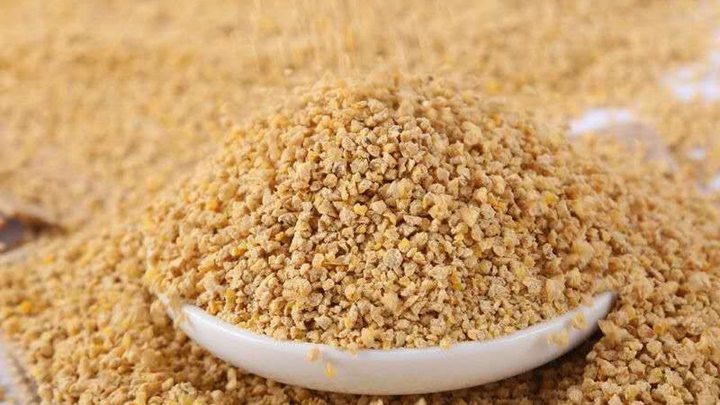
Whether it is broiler or egg feed, the stability and effectiveness of the formula depends entirely on the quality of raw materials and the logic of proportioning. High-quality feed ingredients need to meet the standards of no mycotoxins, stable nutrient content and high digestibility, and different raw materials play their own roles and synergise with each other in order to achieve balanced nutrition. Farmers need to have a clear understanding of the role of various types of core ingredients, applicable scenarios and alternatives, to avoid blind ratios resulting in breeding problems.
1. Energy raw materials: the power base of poultry growth and production
Energy raw materials in the feed accounted for 50% to 70%, is the poultry to maintain life activities, growth and development, egg production and fattening of the core source of energy, directly affecting the poultry feed intake and feed conversion rate.
Corn is the core energy raw material for global poultry farming, with metabolisable energy up to 3300 calories/kg, high digestibility, good palatability, and crude protein content of 8% to 9%, which is suitable for all stages of broiler and laying hens, and it is the most stable basic raw material in the formula. If there is no high-quality corn, you can use wheat, sorghum, broken rice and other raw materials to partially replace, but you need to moderately adjust the proportion of fats and oils added to make up for the energy difference.
Fats and oils include soybean oil, vegetable oils, animal fats and oils, etc., adding 1% to 5% in the feed, the core role is to enhance the energy density of feed, improve feed palatability, while supplementing essential fatty acids such as linoleic acid. For laying hens, linoleic acid can effectively increase the size of eggs; for broilers, fats and oils can accelerate fattening and optimise meat quality. It should be noted that the addition of fat should not exceed 6%, otherwise it will reduce the hardness of feed particles and lead to feed spoilage and waste.
2. Protein raw materials: the core of muscle growth and egg synthesis
Protein raw materials for poultry to provide crude protein and essential amino acids, broiler muscle deposition, egg synthesis, feather growth, body repair of the core raw materials, accounting for 15% to 30% of the feed ratio.
Soya bean meal is the golden protein raw material in feed, with crude protein content of 44% to 48%, balanced amino acid ratio, high digestibility, and rich lysine content, which is perfectly suited to the growth needs of poultry, and it is the core vegetable protein source of poultry feed. Soya bean meal cooked at high temperature can eliminate anti-nutritional factors, to avoid affecting the digestion and absorption of poultry.
Animal protein raw materials to fishmeal, meat and bone meal, poultry by-products, mainly powder, protein quality is very high, rich in minerals and unknown growth factors, excellent palatability, mainly used for chick openings and peak feed for egg-laying hens, which can effectively improve the survival rate and egg-laying stability. However, due to the high cost, broilers in the fattening period and laying hens in the late stage of egg production can reduce the proportion of additives.
Low-cost alternative protein raw materials, including sunflower cake, peanut cake, cottonseed meal, rapeseed meal, alcohol lees, etc., the price is much lower than soybean meal, suitable for large-scale cost reduction farming. But this kind of raw material amino acid ratio is not balanced, digestibility is low, and contains a small amount of anti-nutritional factors, replacement needs to be with synthetic amino acids, strict control of the proportion of addition, to avoid affecting the production performance.
3. Mineral raw materials: the key to bone and eggshell health
Although the proportion of mineral raw materials is low, it directly determines the development of poultry bones, eggshell quality and metabolic balance of the body, and it is an irreplaceable core component of the feed formula, and there is a great difference between the mineral ratios of broilers and laying hens.
Calcium raw materials are mainly stone powder and oyster shell powder, which are the core speciality raw materials of laying hens’ feed. The calcium requirement of broilers is only 0.8% to 1.0%, which is used for bone development; while the calcium requirement of laying hens is as high as 3.5% to 4.75%, which requires a large amount of calcium to synthesise eggshells every day, and the lack of calcium will directly lead to soft-shelled eggs, cracked eggs and osteoporosis of chickens’ skeleton and other problems. Coarse oyster shell powder has better slow-release properties and is more suitable for laying hens.
Phosphorus is mainly derived from calcium phosphate, which forms a reasonable calcium-phosphorus ratio together with calcium. The ratio of calcium to phosphorus in broiler is about 2:1 to ensure bone development; the ratio of calcium to phosphorus in laying hens can be increased to more than 10:1 to meet the demand of eggshell synthesis. Phosphorus deficiency will lead to rickets, growth retardation and egg production decline.
The proportion of salt added is stable at 0.3% to 0.4%, which is used to replenish sodium and chlorine to maintain the electrolyte balance of the body and improve the palatability of the feed, and excessive addition will cause water surge and diarrhoea in the poultry.
4. Vitamins, amino acids and functional additives
Multi-dimensional trace elements premix add only 0.5% to 1%, but contains vitamins A, D, E, K, B vitamins and zinc, manganese, iron, selenium and other trace elements, comprehensive protection of the immune function of the poultry, metabolic cycle, reproductive health. Among them, vitamin D is the key carrier of calcium absorption, the lack of which will lead to the ineffectiveness of calcium supplementation; vitamin E can enhance the immunity and anti-stress ability of poultry.
Synthetic amino acids, mainly methionine, lysine and threonine, are the limiting amino acids for poultry growth. By artificially supplementing synthetic amino acids, the overall crude protein ratio of feed can be reduced while meeting the nutritional needs of poultry, reducing nitrogen emissions, lowering breeding pollution, and saving the cost of high-priced protein raw materials.
Functional additives include enzyme preparations, probiotics, anti-coccidial agents, mycotoxin adsorbents and so on. Enzyme preparations can enhance the digestive efficiency of raw materials, and fit with miscellaneous grain substitution formulas; probiotics regulate intestinal flora and reduce gastrointestinal diseases; toxin adsorbents can avoid the risk of mould contamination of raw materials, and all-around protection of poultry health and production performance.
Four, broiler and laying hens feed protein accurate proportioning standards
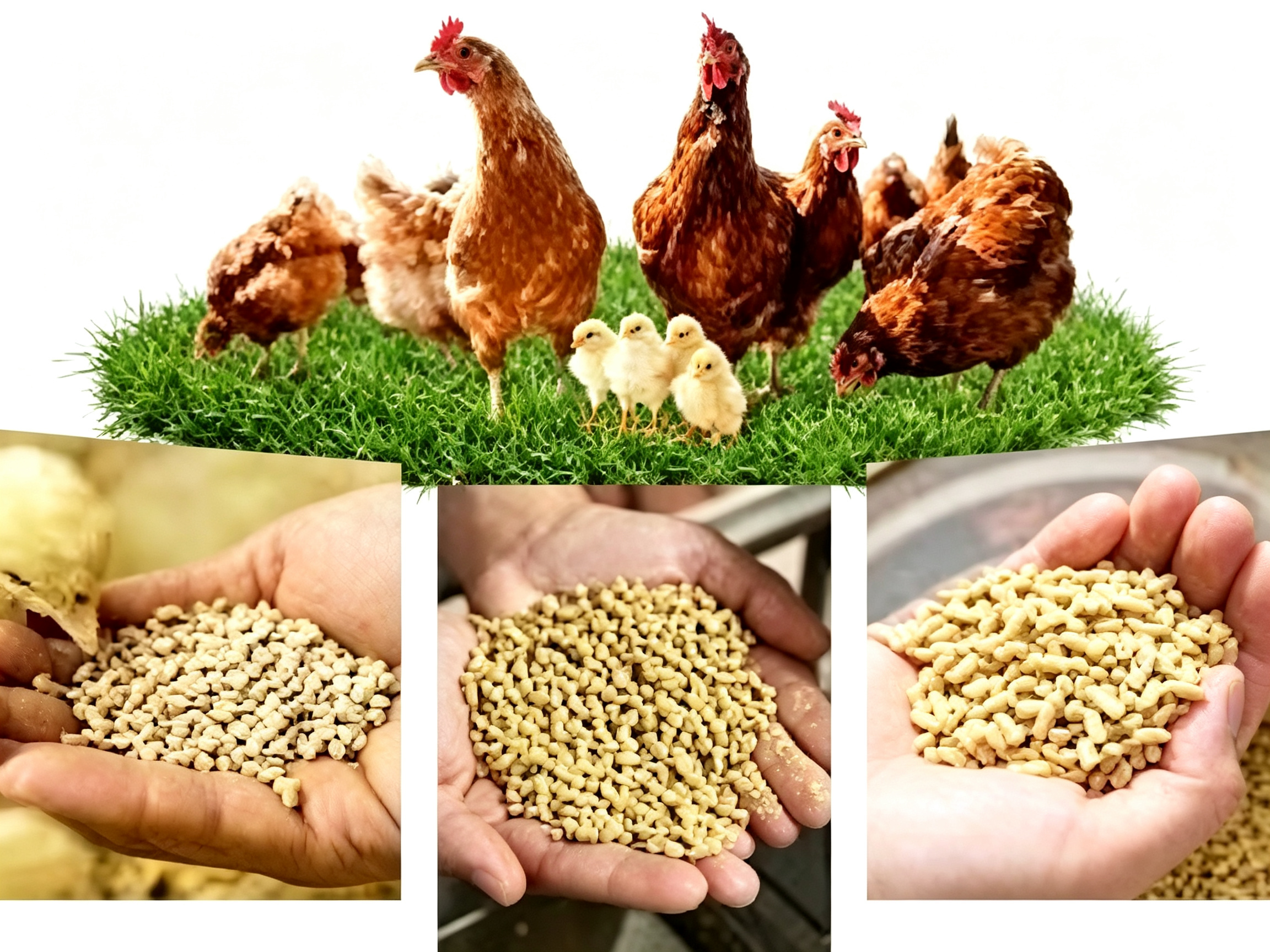
Protein is the most costly nutrient component in poultry farming, too high protein will cause waste of raw materials and increase of farming cost, too low will lead to lagging growth, decline in egg production and messy feathers. Farmers do not need to blindly pursue high-protein formulas, but only need to accurately match the crude protein content and amino acid levels according to the poultry species and growth stages to maximise the cost-effectiveness.
1. Stage-specific protein ratios for broilers
Broiler protein ration follows the principle of ‘decreasing by stage’, which fits the rapid growth curve and accurately matches the needs of each stage of growth. 22% to 25% of crude protein is used during the opening period of chicks from 0 to 14 days of age to support the development of immune organs and rapid growth; 21% to 23% of crude protein is used during the growing period from 15 to 28 days of age to continue to guarantee the efficient deposition of muscle mass; 29 days of age to 29 days of age to 28 days of age to ensure the efficient deposition of muscle mass. During the growth period from 15 to 28 days of age, crude protein ranges from 21% to 23%, which continuously guarantees the efficient deposition of muscle mass. Lysine and methionine are sufficient throughout the whole period, and the amino acid balance has a greater impact on broiler growth than the crude protein content alone.
2. Protein ration of laying hens in stages
Laying hens’ protein ratios pay more attention to stability, the core service for body maintenance and egg production synthesis, the overall level is lower than that of broilers. 0 to 8 weeks of age, 18% to 20% crude protein, to ensure rapid development of the skeleton; 8 to 16 weeks of age, 15% to 18% crude protein, to avoid obesity and steady growth; 16 to 20 weeks of age, 16% to 18% crude protein, to match the development of the reproductive system; Above 20 weeks old laying period, crude protein 15% to 18%, peak maintain 16% to 17% can be stable and high yield, stress, feathering period can be moderately increased to 17% to 18%. Laying hens feed crude protein less than 15%, will directly lead to egg synthesis is insufficient, egg production rate continues to decline.
3. Protein ratio core considerations
Different environments and breeding modes need to flexibly adjust the protein level: low-temperature environment, poultry energy consumption, can moderately increase the proportion of protein and energy; high-temperature environment, poultry feed intake decline, need to improve the feed nutrient density, to ensure that fewer meals can still be sufficient intake of nutrition. At the same time, the priority to ensure the balance of amino acids, the reasonable use of synthetic amino acids to replace some of the crude protein, is the core means to reduce costs and increase efficiency.
Does not affect the production performance of feed cost reduction techniques
Feed cost accounts for more than 70% of the total cost of farming, scientific cost reduction is not to reduce feed quality, delete core nutrition, but through the optimisation of formulas, raw material substitution, upgrading of breeding management, reduce nutritional waste, improve feed utilisation, and under the premise of guaranteeing the growth and egg laying performance remains unchanged, maximise compression of farming costs.
1. Implementation of precise stage feeding mode
Unified formula feeding is the biggest cost waste of breeding, broiler, egg chickens throughout the phased adjustment of the formula, can reduce feed costs by 5% to 8%. Lower protein and higher energy in the late stage of broiler to avoid waste of high-priced protein raw materials; fine-tune the ratio of calcium, phosphorus and protein in the late stage of laying hens to eliminate fat accumulation and loss of raw materials caused by over-nutrition. At the same time, with the help of Pearson’s square formula and feed formulation software, the optimal low-cost ratio is calculated according to the real-time price of raw materials, so as to realise precise nutrition supply.
2. Reasonable substitution of high-priced core raw materials
Soya bean meal and corn prices fluctuate greatly, and can be partially replaced by compliant by-products to significantly reduce the cost of raw materials. Protein raw materials, sunflower cake, peanut cake, rapeseed meal, alcohol waste and other low-cost raw materials to replace 20% to 30% of soybean meal, with protease, synthetic amino acids to make up for the nutritional shortcomings, will not affect the performance of poultry production; energy raw materials, sorghum, broken rice, wheat bran to replace some of the maize, suitable for the local low-priced raw material resources. Need to strictly control the proportion of substitution, to eliminate a large number of one-time replacement, to avoid nutritional imbalance.
3. Reduce feed waste and improve utilisation
Feed spillage, mould and selective feeding during the breeding process will cause more than 10% hidden loss. By making pellet feed, we can avoid poultry picking, reduce dust waste and improve feed digestibility; optimise the height and structure of troughs to eliminate spilling; regulate the temperature, ventilation and lighting of the chicken house to reduce the maintenance energy consumption of poultry, and convert more nutrients into growth and egg-laying performance. At the same time, regular elimination of chicken house, vaccination, to protect the intestinal health of poultry and body vitality, to enhance the feed conversion rate.
4. Scale procurement and self-mixed feed cost reduction
Compared with the purchase of finished commercial feed, the farms independent procurement of raw materials, self-portioning and mixing, can significantly reduce the processing, packaging, circulation costs. Bulk purchase of raw materials can get wholesale low price, combined with the farm’s breeding varieties, stages of customised formulations, more cost-effective than the general commercial feed, more adaptable. At the same time, it can reasonably use the farm compliance by-products, fermented materials to assist feeding, further reducing feed consumption.
High-quality chicken feed pellets production practice skills
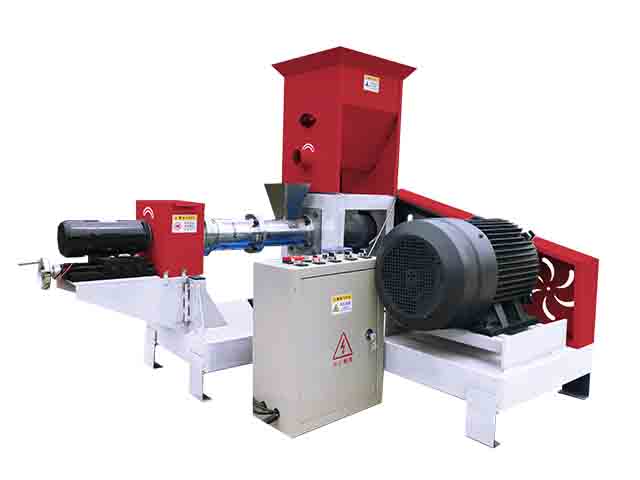
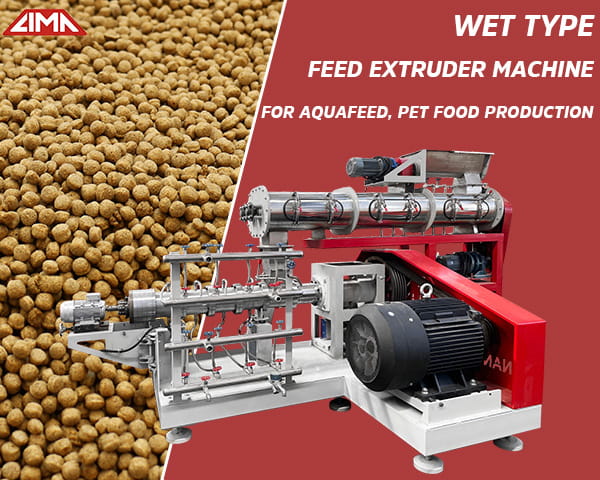
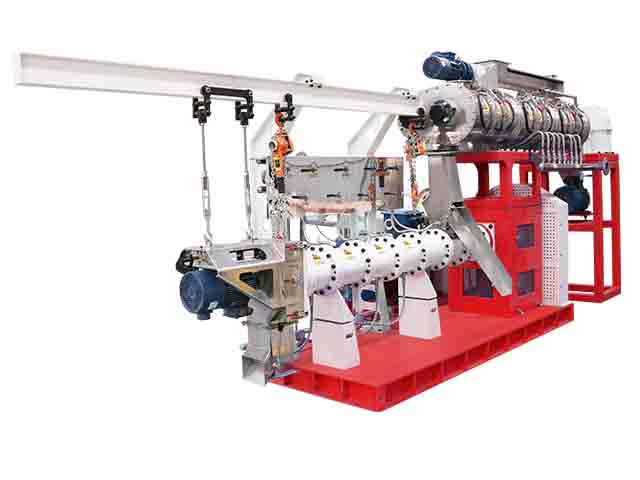
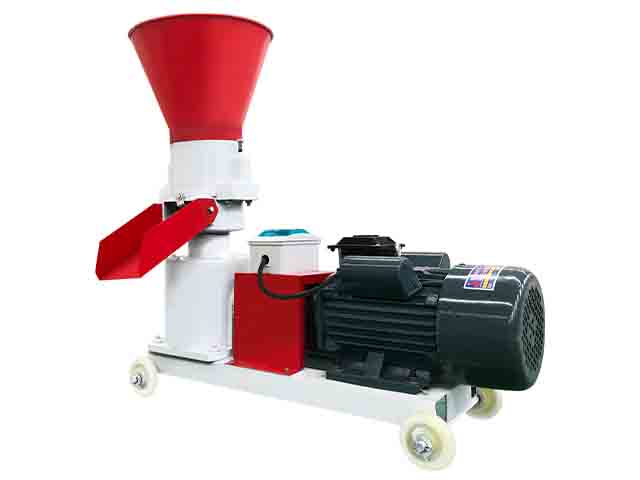
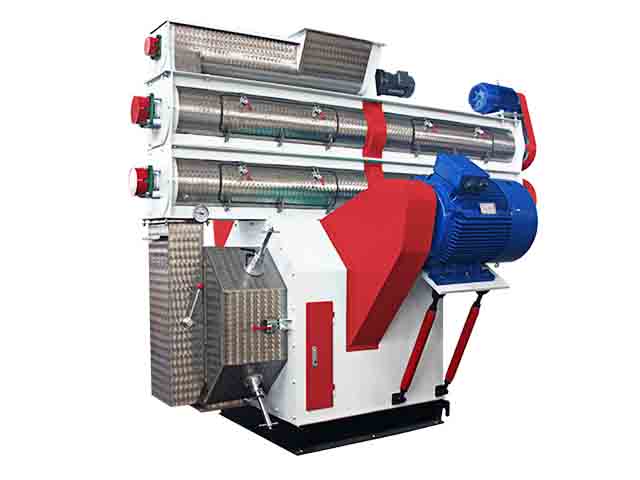
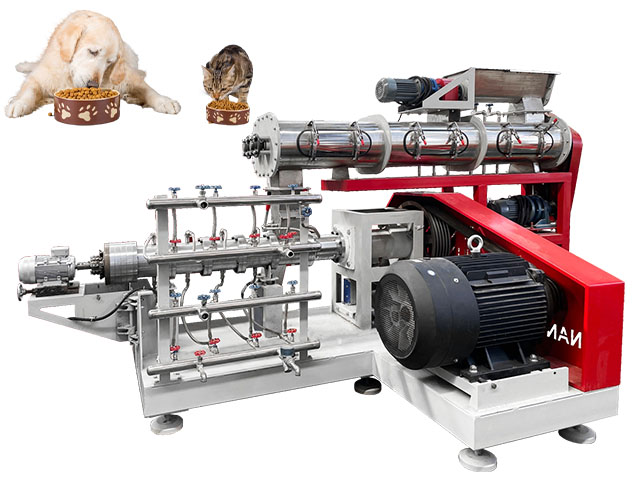
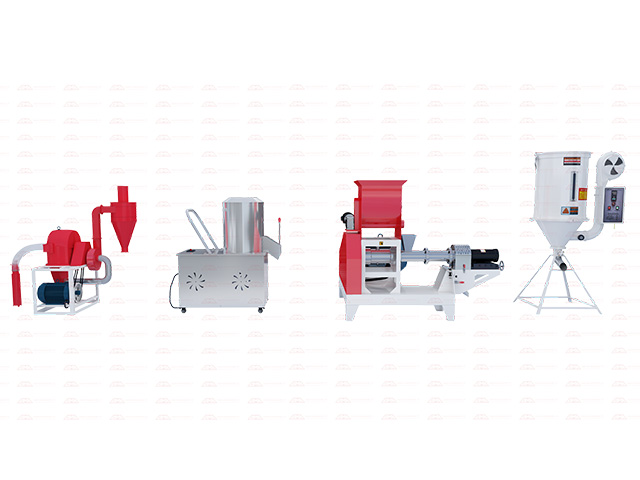
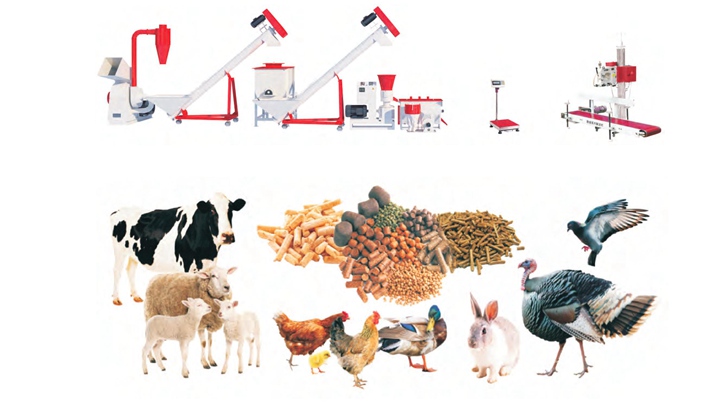
Compared with powder, pellet feed has better palatability, more uniform nutrition and less waste, which can significantly improve the weight gain speed of broilers and the stability of egg production of laying hens, and it is the preferred feed form for large-scale farming. High-quality pellet feed has no dust, moderate hardness, is not easy to break, and is not easy to mould, and the production process needs to control the details of raw material treatment, processing parameters, and post-care.
1. Precise control of raw material pretreatment
The crushing size of raw materials directly determines the quality of pellets, chick feed needs to be crushed to a fine particle size of 1 to 2 mm, to ensure feeding and digestion; growing, fattening broiler and egg feed can be crushed to 2 to 3 mm, taking into account the hardness of the particles and digestibility. Too fine crushing will lead to dusty and mouldy, while too coarse will lead to loose particles and poor adhesion. After crushing, it should be fully stirred for 3 to 5 minutes to ensure that all kinds of raw materials, premixes and additives are evenly mixed to avoid local nutritional imbalance.
2. Steam tempering and granulation parameters control
Tempering is the core step of granule forming, through the introduction of steam to raise the temperature of raw materials to 70 to 90 ℃, moisture control to 15% to 18%, so that the starch is fully pasted, greatly improving the adhesion of raw materials and particle durability. The tempering time is controlled at 30 to 60 seconds to avoid too long high temperature destroying heat-sensitive nutrients such as vitamins and enzymes.
Pelleting process needs to be based on the type of poultry to select the mould, chicks with small aperture moulds, adult chickens with large aperture moulds; control of pelleting temperature of 80 to 90 ℃, stable and uniform pressure. The high fat formula should adopt the oil spraying process after granulation, to avoid the oil is too high, resulting in loose particles, easy to break.
3. Cooling and drying and quality testing storage
The temperature of the freshly pelletised feed is high, the moisture is large, and it is very easy to mould, so it needs to be cooled down quickly to room temperature by counter-current cooling equipment, and the moisture is controlled at 10% to 12%. The cooling speed should not be too fast to avoid pellet cracking and breakage. The durability index of high-quality feed pellets should reach 85% to 95%, with the proportion of dust and broken particles controlled within 10%, and the appearance of smooth and even, hard texture.
Finished pellet feed should be stored in a cool, dry, sealed and ventilated warehouse, avoiding moisture and exposure to sunlight, and the optimal use cycle is 4 to 8 weeks, as long-term storage will lead to vitamin loss and oxidative deterioration of feed. Meanwhile, test the hardness, moisture and breakage rate of pellets regularly and adjust the processing parameters in time.
4. Differential production of pellet feed for broilers and laying hens
Broiler pellet feed focuses on high energy and high durability, which is suitable for fast feeding and fattening needs, and the proportion of fat and starch can be moderately increased to improve the palatability of the feed. Laying hens’ feeds are high in calcium and fibre, which makes bonding more difficult, so it is necessary to strengthen the steam conditioning process and add natural binder if necessary to ensure the hardness of the pellets, while avoiding the loosening of pellets caused by high calcium.

Summary
The core of feed formulation design for broilers and laying hens is ‘according to the need, accurate proportioning, balanced nutrition, cost reduction and efficiency’. Broiler breeding focuses on short-term rapid fattening, following the logic of ‘high egg start, balanced growth, high-energy fattening’ phased formulation, through dynamic adjustment of protein and energy, to achieve rapid weight gain and optimise the feed-to-meat ratio; Laying hens focusing on long-term stability and high yield, with balanced amino acids, high utilisation rate of calcium, stable energy as the core, and phase-by-phase control of nutrition, to ensure egg production rate and egg production, as well as to protect the egg production rate. Nutrition, to ensure egg production rate and eggshell quality, to extend the breeding cycle.
High-quality feed formulation is not only a simple mix of raw materials, but also requires precise control of the balance of protein, energy, vitamins, minerals, relying on local raw material resources to optimise the ratio, through scientific substitution, refined management, high-quality feed processing technology, without reducing the performance of poultry production, without affecting the health of the poultry, and effectively reduce feed costs.
For the majority of farmers, abandoning the general-purpose feed thinking and customising exclusive formulas according to poultry breeds, growth stages, and breeding environments is the core key to improving the survival rate, yield and overall profitability of poultry farming.