How to Safe Operation of Feed Pellet Mill
Feed pellet mill is the key processing equipment for feed and aquaculture industry, which can process the powder into pellets with higher digestibility and absorption rate for easy storage, transportation and feeding, and increase the production and efficiency obviously. However, the machine is a high-pressure heavy equipment, there are many types of safety risks, improper operation will lead to failure, feed contamination and even personal injury and economic loss. The article has a complete compendium of safety operation guidelines for the whole life cycle of the equipment, covering installation and commissioning, daily operation and maintenance, emergency response and other aspects, to ensure the safe production and operation of the enterprise.
Basic knowledge and core value of feed pellet mill
The working advantages of feed pellet mill
Feed pellet mill through mechanical extrusion and steam tempering process, thoroughly optimize the powder defects, the core advantages are very prominent: First, to enhance the nutritional value of feed, high temperature and high pressure to make starch pasteurization, significantly improve the nutritional absorption efficiency of livestock, poultry, aquatic animals; Second, to reduce dust and feed waste, to avoid animal picking, feed spills loss; Third, to reduce the volume of warehousing and transportation, high-density pellet feed is more convenient for scale storage and transfer; Fourth, can be on-demand, on-demand, on-demand, on-demand, on-demand. Fourthly, the particle size can be customized according to the needs, which is suitable for the feeding needs of different breeding categories, such as poultry, livestock, aquatic animals and so on.
Mainstream equipment types
Currently, the mainstream feed pellet mill is divided into two categories, which are suitable for different production scenarios:
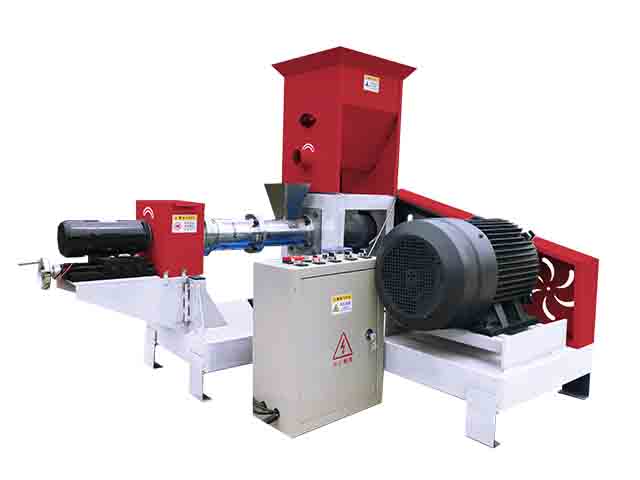
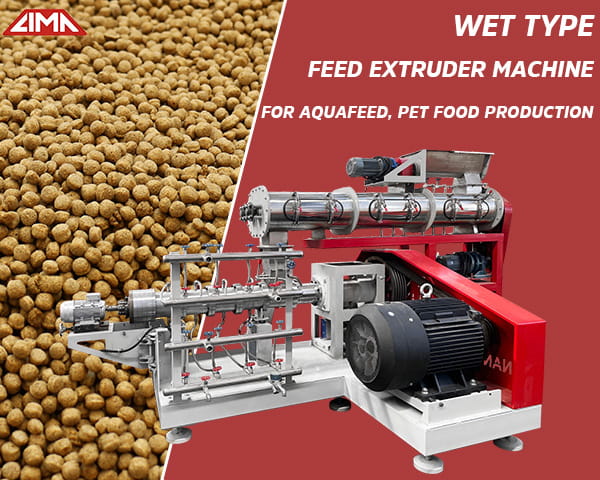
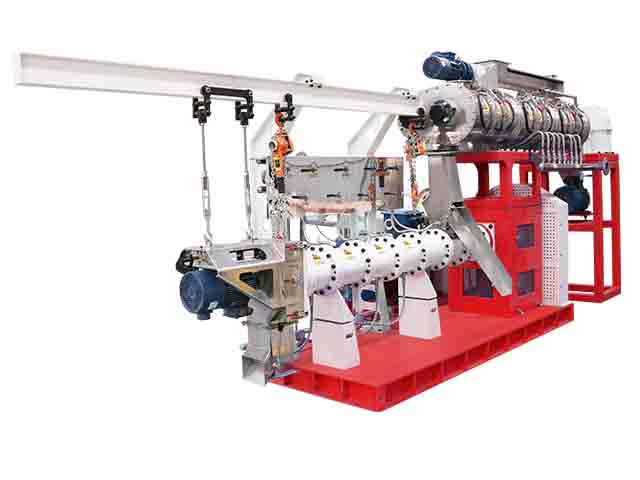
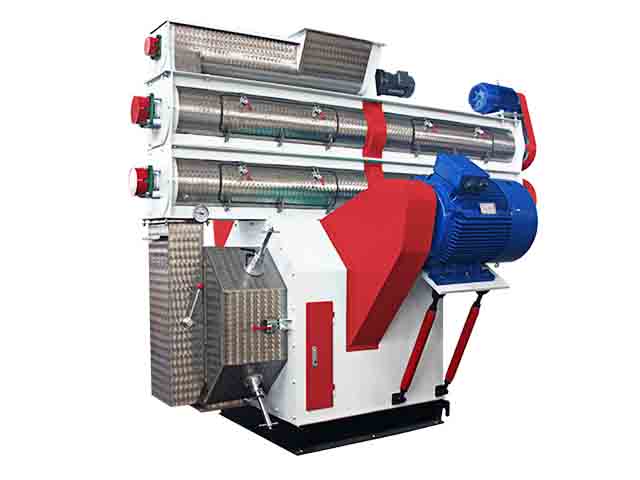
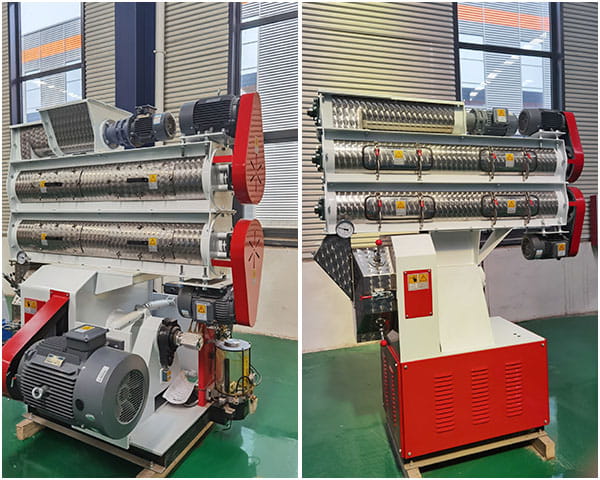
Ring die pellet mill: the core equipment of commercial large-scale feed production line, equipped with rotating ring die and built-in pressure rollers, through the outward extrusion molding, high production efficiency, strong stability, durability and good, suitable for pigs, chickens, cows and other large-scale concentrate feed mass production.
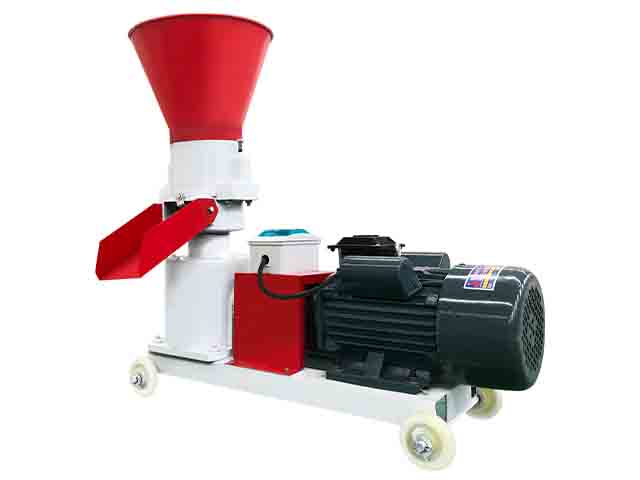
Flat die pellet mill: adopting horizontal plane die structure, the pressure roller extrudes vertically downward, with simple structure and high cost performance, suitable for small and medium-sized farms and family workshops, especially suitable for roughage processing of high-fiber and high-grass raw materials.
The core significance of safety control of feed pellet production
Safe production is the bottom line of feed processing, feed pellet mill operation safety is directly related to the safety of personnel, feed quality, corporate compliance with the three core dimensions, any safety omissions will trigger a chain risk.
Safeguard the personal safety of operators
Pellet machine operation exists in high-speed operation pressure roller, cutter, high-pressure steam, electrified equipment, overhead operation and other multiple risks, illegal cleaning equipment, across the protective device, electrified maintenance, overhead operation is not standardized and other behaviors, it is very easy to cause crushing, cutting, electrocution, falling from height, dust inhalation injury and other safety accidents. Strict safety operation norms are the core guarantee to eliminate casualties and reduce the risk of work-related injuries.
Eliminate feed safety hazards, guarding breeding and food safety
Irregular operation will cause feed contamination: metal impurities in raw materials, gravel is not cleaned up, equipment residues of moldy materials, non-food-grade lubricating oil leakage, steam conditioning humidity and temperature out of control, will breed Salmonella and other pathogens, mycotoxins, resulting in feed spoilage. Contaminated feed will cause livestock and poultry to fall ill, reduce production, and even enter the human food chain through meat, eggs, and milk, causing food safety problems, and at the same time, it will bring product recalls, brand damage, and huge losses and other losses to the enterprise.
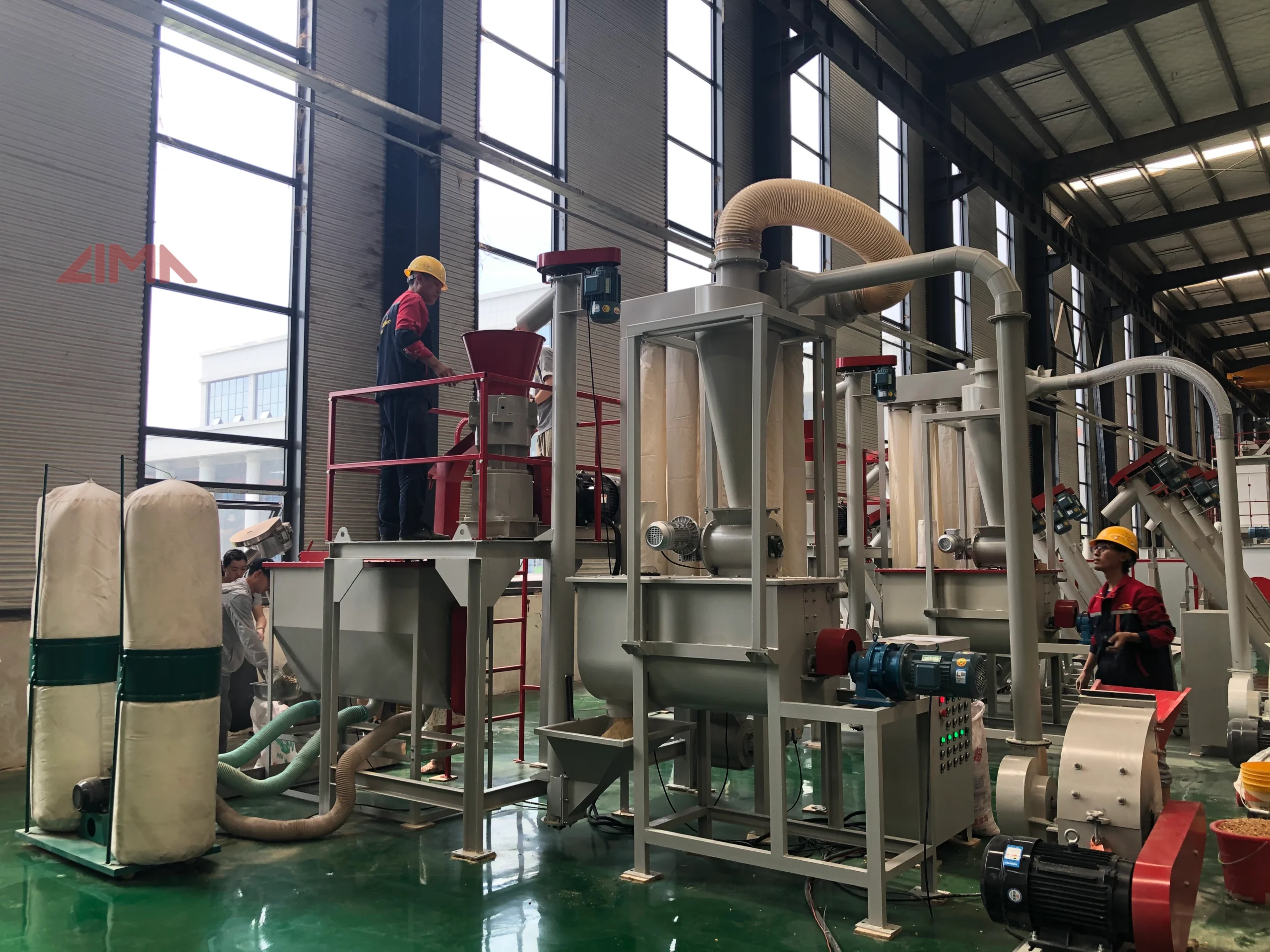
Ensure stable equipment operation and production compliance
Non-compliant operation can easily lead to equipment blockage, overload, component wear, circuit burnout and other failures, significantly shortening the service life of the equipment, resulting in production downtime and increased maintenance costs. At the same time, standardized safety operations comply with OSHA, NFPA, HACCP and other industry norms, helping companies avoid compliance risks and achieve normalized and stable production.
Safety standardization of equipment installation and commissioning stage
Installation and commissioning is the basis for safe operation of the equipment, most of the hidden dangers of late operation are caused by the non-standardization of the installation in the early stage, and the whole process of safety control must be strictly implemented.
Pre-construction risk assessment and preparation
Before construction, it is necessary to complete operational risk analysis, sort out the risk points of lifting, electricity, equipment assembly, etc., apply for complete construction permits and safety acceptance formalities, formulate installation and commissioning programs strictly in accordance with equipment specifications and safety specifications, make clear the process of locking and tagging (LOTO), and emergency response programs, and at the same time, confirm that the ground for the installation of the equipment is smooth and firm, and can bear the self-weight of the equipment and the vibration loads of the operation.
Site environment organization
Before construction, the site should be fully cleaned of all kinds of debris, waste and flammable and explosive materials, and obstacles on the ground should be thoroughly removed to effectively eliminate tripping, bumping, fire and other safety hazards in the construction process. Staff need to carefully clean the silo, conveying equipment and the whole machine cavity inside, one by one to clean up the residual welding slag, construction tools, gravel, dust and other construction debris and foreign objects, to prevent the retention of debris affecting the precision of the equipment assembly and the later operation of the safety. At the same time, set up eye-catching and standardized safety warning signs around the construction area, build a solid temporary protective fence, and divide the exclusive construction area to prevent unrelated personnel from entering the work site by mistake. In addition, it is necessary to arrange and debug the ventilation, dust removal, fire and other safety protection equipment in advance to ensure the air circulation at the site, so as to prevent the accumulation of dust, fire and explosion and other major safety risks from the source.
Equipment lifting and fixing safety
Equipment lifting and positioning phase must use qualified lifting equipment, and arrange licensed professional operators to carry out operations, strictly follow the standard lifting, lifting, positioning process, to prevent equipment tilting, falling, deflection and serious injuries to personnel extrusion accidents. After the equipment is put into position, the base of the whole machine should be smoothly attached to the cement foundation and locked with high strength fastening to ensure the stability of the center of gravity of the equipment and to withstand the vibration load generated by continuous operation for a long period of time, so as to avoid hidden dangers such as body shifting and shaking in the later period of time. In the overall lifting and positioning process, we need to focus on motor lines, sensing elements, precision transmission components of waterproof, anti-collision, dust protection, to prevent damage to precision parts affecting the accuracy of the equipment and operational stability. After the equipment is fixed, complete and standardized installation of body guards, safety interlocking devices and all kinds of safety warning signs are required, and it is strictly prohibited to omit, remove or modify the original safety accessories, so as to build up a solid safety line of defense for the operation of the equipment from the hardware level.
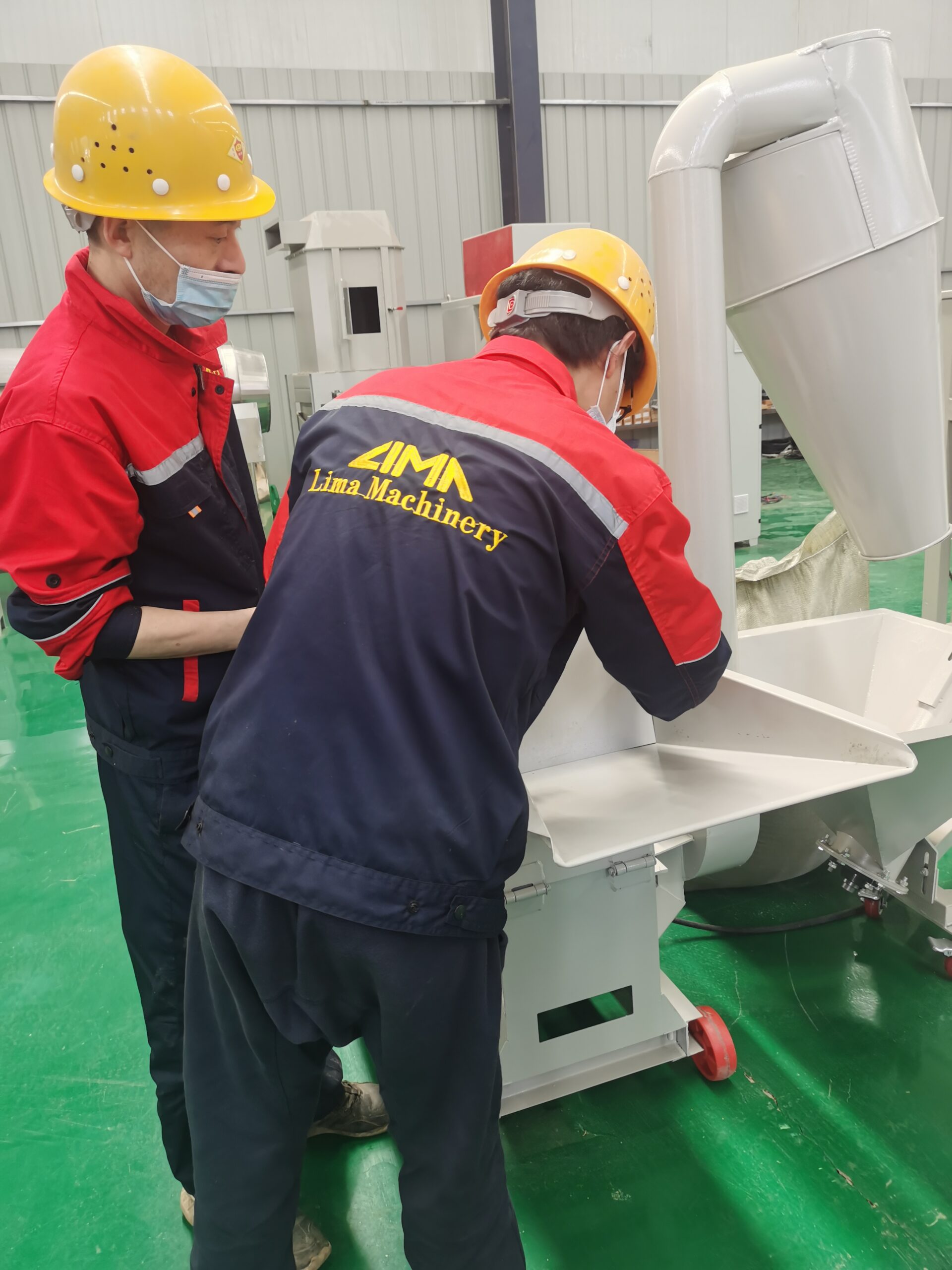
Electrical and Mechanical Installation Specifications
Strictly follow the electrical installation specification, do a good job of equipment grounding, line protection, to prevent line aging, rodent bites and damage; install emergency stop button, overload protection device, running parts protection device. All circuit and mechanical assembly operations must implement the locking tagging system, disconnect the power and energy, release the equipment energy storage, and verify the isolation of the correct before construction, and after the completion of the installation of a comprehensive test of grounding and circuit safety.
Safety Requirements for Trial Commissioning
Comprehensively check the equipment before the test machine bolt tightness, lubrication, mold roller clearance, cavity cleanliness, to ensure that no foreign body residue. Carry out no-load test run first, and then carry out small-load test production, and monitor the noise, vibration, temperature and pressure of the equipment to see if they are normal. Operators must wear a full set of labor protection equipment, the whole process is prohibited to bypass the safety interlocking device, the completion of the test machine to carry out a safety audit, acceptance of qualified before delivery to production.
Safety preparations before start-up
Pre-start-up inspection is a key link to avoid operational faults and safety accidents, operators must strictly implement the itemized inspection system, and it is strictly prohibited to start up the machine with hidden dangers.
Personnel and emergency preparedness
Only licensed, professionally trained personnel can operate the equipment, operators are skilled in emergency shutdown, emergency response procedures; standardize the wearing of protective equipment, wearing helmets, protective glasses, dust masks, anti-smash shoes, wearing close-fitting clothing, remove jewelry, and prohibit the wearing of gloves close to the operating parts of the equipment. At the same time, check the fire extinguisher, first aid box, emergency stop button, dust and explosion-proof system to ensure that it is in good condition and usable.
Environment and equipment cleaning
Clean up the dust and debris around the equipment to prevent the risk of explosion caused by the accumulation of dust; thoroughly clean up the pellet chamber, pressure mold, pressure roller, feeder, tempering device internal residues, caked materials and impurities; check the raw materials in addition to iron, sieving equipment, and thoroughly remove the raw materials in the metal, sand and gravel and other foreign objects to avoid damage to the mold, contamination of the feed.
Mechanical structure inspection
Comprehensively fasten the equipment bolts, buckles, connectors, checking the loosening of hidden dangers; check the integrity of the pressure die, pressure roller, no cracks, burrs, clogging, die roller gap in line with the equipment standards, the new mold is strictly enforced break-in process; manually rotate the spindle, to confirm that the equipment is running smoothly, no jamming rattles; check the lubrication points, add compliant food-grade lubricants / grease to ensure that the lubrication is sufficient; verify that all the guards, safety interlocks Verify that all guards and safety interlocks are functioning properly, and it is strictly prohibited to dismantle or shield the safety fittings.
Circuit and Power Inspection
Before starting the machine, the whole power supply system should be inspected in detail, and the appearance and connection status of the external power supply lines, main drive motor and electric control panel should be checked one by one, to eliminate electrical hidden dangers such as broken line skin, loose oxidized joints, false connection of lines and short-circuit leakage etc., and to ensure that the grounding system of the equipment is firm and intact, and the grounding parameters are in compliance with the regulations, so as to avoid electric shock, arc fire and other safety accidents from the source. Need to strictly check the direction of the equipment spindle operation, to ensure that the body of the rotary indicator arrows fully compatible with the factory labeling, especially for the first time for the new machine, equipment dismantling and maintenance, line reconstruction restart and other special conditions, we must repeatedly verify the steering to prevent the reversal of the equipment caused by the jamming, mold damage, motor overload burns and other major failures. Finally, comprehensively test the emergency stop button, safety interlock switch, overload protection switch and other safety components, to ensure that all protective components trigger sensitive, normal linkage, effective protection, completely remove all locking tag isolation device, and fully restore the equipment to normal power supply and standby state.
Raw material and process preparation
Comprehensive preparation of raw materials and process system must be completed before starting the machine and feeding, to guarantee the quality of pellet molding and production safety from the source. Operators need to carefully check the raw materials to be processed to ensure that the raw materials are fully crushed and evenly mixed, the fineness of the powder is uniform, no coarse particles caking, while strictly control the moisture content of the raw materials, the moisture will be stably controlled in the optimal granulation interval of 12% -18%, to prevent the raw materials are too dry to lead to loose particles, dust exceeds the standard, or raw materials are too wet to cause blocking mold, mold and other issues, is strictly prohibited to use the damp, moldy, adulterated with foreign materials, and so on. Strictly prohibit the use of moisture, mold, adulteration of foreign materials substandard raw materials. At the same time a comprehensive inspection of the steam conditioning system, one by one, dredge, clean steam piping and filtering devices to ensure that the pipeline is smooth and free of clogging, no clogging of the filter dust, to ensure that the steam supply pressure is stable, dry and wet uniformity, softening and paste for raw materials to provide stable working conditions. Finally, check the whole set of back-end supporting equipment in advance to confirm that the cooler, conveying equipment, screening equipment are debugging in place, no-load standby, normal operating conditions, ready to take over the molded granular materials, to ensure that the entire production line is smooth and orderly startup.
No-load test machine inspection
After completing all the inspections and process preparations before starting the machine, it is strictly prohibited to start the machine directly with materials, and the standardized no-load test procedure must be carried out. Operators start the equipment in the order from back to front, first open the dust removal system to prevent the risk of dust, and then start the back-end supporting equipment such as conveying, cooling, and so on, after the whole system is stable and standby, start the main machine of the pellet machine no-load test run for 2 to 5 minutes. In the trial process, the whole process of monitoring the equipment current, temperature, operation status, checking abnormalities such as noise, vibration, jamming, local overheating, etc., to confirm the stability of the equipment working conditions without hidden problems, before slowly feeding the official production. Brand-new molds or overhaul and replacement of molds, additional low-speed break-in, input oil mixture to polish the mold holes, optimize the gap between the mold rollers, to eliminate assembly defects, to be discharged after the state of stability, and then carry out mass production, to avoid blocking the mold, molding, excessive wear and tear of components and other issues.
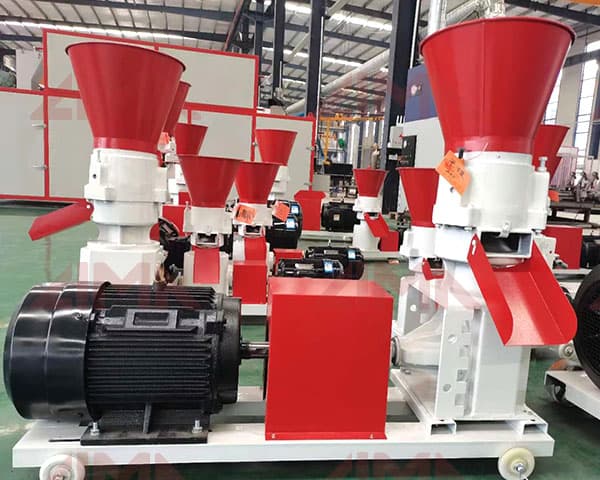
Standardized safety operation process of feed pellet mill
Standard start-up sequence
The start-up of the feed pellet mill must strictly follow the industry standard back-end to front-end reverse start-up principle, which is the core operation specification to avoid equipment blockage, overload burnout, material backlog and production failure. As the pellet production for continuous assembly line operation, if the front-end feeding equipment to start first, the back-end molding, conveying, dust removal equipment has not entered the working state, it is very easy to lead to the accumulation of materials in the equipment cavity, molds and conveying pipeline, resulting in blocking the molds, jamming the machine, motor overload tripping or even damage to the equipment components.
The standard start-up process is as follows:
First, prioritize the start of the dust removal and exhaust system, replace the air in the work area in advance, adsorption of suspended feed dust, from the source to reduce the accumulation of dust, explosions and respiratory hazards; second, start cooling, conveying and other back-end ancillary equipment, to ensure that the molding of the granular material can be transported instantly after the cooling, discharging, the whole process of no dead ends of the material stagnation; third, start the main motor of the pellet machine, so that the host of the equipment running no-load preheating, and to be Third, start the main motor of the pellet machine, let the equipment host no-load operation preheating, to be completely stable body speed, operating conditions; Fourth, open the steam conditioning system, preheat the pipeline in advance, stabilize the steam pressure and temperature, to ensure that the subsequent raw material conditioning and softening effect uniformly up to standard; Fifth, and finally start the feeding, crushing, mixing, and other front-end loading system. The whole set of equipment to complete 2-5 minutes of no-load test run, the whole process of monitoring no abnormal noise, vibration, current fluctuations, temperature exceeds the standard and other issues, and then step by step, low-speed uniform feeding, is strictly prohibited a one-time large amount of material, to ensure that the equipment to enter the normal production state smoothly.
Safety control in production operation
Uniform feeding in the production process, according to the need to adjust the feeding speed and steam volume, to ensure that the raw material tempering temperature stabilized 14-19 ℃, the current load of the equipment is stable; real-time monitoring of the whole process of equipment temperature, vibration, noise, quality of particles, and found that the blockage of the material, noise, overloading, temperature anomalies, such as problems, immediately stop feeding, no-load emptying of the material and shut down after the troubleshooting.
During the operation, it is strictly prohibited to be close to the feeding port of the equipment, and it is prohibited to reach out and use tools to clean up the internal materials of the running equipment, and it is strictly prohibited to adjust the gap of the mold rollers with electricity and pressure; keep the operation area clean, clean up the scattered dust in time, and prevent the accumulation of dust; shield and remove the safety protection devices throughout the whole process, and prohibit the illegal operation.
Standardize the shutdown process
Normal shutdown: first stop feeding and steam supply, no-load operation of the equipment for 2-3 minutes, empty the cavity, mold residue material, to be current down to no-load standard value, shut down the host motor, in turn, shut down the tempering system, the front end of the crushing and mixing system, and finally shut down the back end of the conveyor, cooling, dust removal system. Long-term shutdown needs to be lubricated with oil mixture mold to prevent mold corrosion, hole blockage.
Emergency shutdown: When encountering equipment failure, safety hazards, sudden accidents, immediately press the emergency stop button or cut off the main power supply, shut down after the implementation of the locking tag system, investigate and completely solve the problem, complete the safety verification before restarting.
Core safety risks and precise prevention and control program
Feed pellet mill operation risks are concentrated in dust explosion, mechanical injury, electrical accidents, high temperature burns four categories, need to target the implementation of prevention and control measures.
Dust explosion and fire risk
The powder generated by the feed production is a flammable and explosive high-risk hazard, workshop suspended dust and dust deposited everywhere up to the standard, when the friction of high temperature, impact sparks, electrical arcs, static electricity, open flames and other ignition sources, it is very easy to trigger a dust explosion. The explosion of fast pressure, strong destructive force, easy to induce a chain of secondary explosions, will damage production equipment, damage to plant facilities, endangering the safety of personnel, resulting in serious production safety accidents and economic losses.
Preventive and control measures: establish a regular dust cleaning mechanism, implement three-level cleaning work before, during and after the shift, clean up the dust accumulated in equipment, pipelines and dead corners of the workshop in a timely manner, strictly control the accumulation of dust, and eliminate the accumulation of hidden dangers from the source. Workshops need to be fully equipped with dust removal, explosion-proof, explosion relief, explosion suppression safety facilities, arrange for regular inspection and maintenance, timely replacement of aging accessories, to ensure the stability and effectiveness of protective equipment. Strictly control all kinds of ignition sources, regular lubrication of equipment transmission components, standardize the operating parameters, to avoid dry grinding sparks; through the removal of iron, screening equipment to remove raw materials and metal impurities, to prevent the impact of fire. Workshop strictly prohibit unauthorized open-flame operation, the use of explosion-proof electrical equipment throughout the region to avoid the risk of electrical sparks. At the same time, the standard industry safety standards to establish a special dust management system, regularly carry out hidden danger investigation and emergency drills, all-round construction of workshop dust explosion safety line of defense.
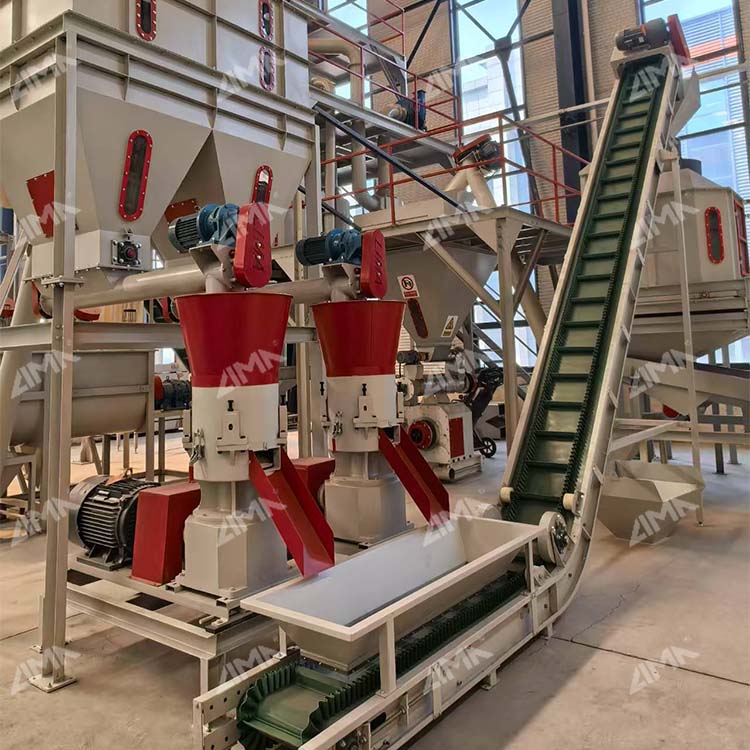
Mechanical extrusion, cutting injury
Pressure rollers, molds, cutters and other running parts of the feed pellet machine operate at high speeds and have a strong bite, making them high-risk areas for mechanical injuries. Most of the accidents come from the illegal operation, the equipment is not shut down, not power off the lock machine, the personnel reach out to clear the block, debugging maintenance, wipe the equipment and other behavior, easy to be running parts involved, extrusion, cutting, triggered by cuts, bone fractures and other serious personal injuries.
Preventive and control measures: When the equipment is energized, running and operating with materials, it is strictly prohibited to carry out overhaul, cleaning and debugging operations, and eliminate illegal operations with electricity and pressure. All maintenance, clearing, troubleshooting and equipment debugging must be shut down and disconnected, strictly implement the LOTO locking and tagging system, and confirm that the equipment is completely stopped and the energy release is complete before construction. During the operation period, it is not allowed to dismantle, shield or modify the protective cover of the machine body, safety interlock and other protective devices to ensure that the protective facilities are intact and effective. When the equipment is blocked and jammed, it is forbidden to use hard tools to dredge violently, so as to avoid secondary injuries caused by rebound of parts and splash of tools. All the maintenance and blocking operations strictly follow the safety standards of the equipment, so as to prevent mechanical injuries from the source.
Electric shock, electric arc accident
Dusty and humid feed workshop and long-term operation of equipment are prone to electrical hazards. Line aging, loose joints, grounding failure, equipment leakage, superimposed on personnel working with electricity, private wiring, overloading electricity and other irregularities, easy to cause leakage, electric shock, electric arc fire, electrical spontaneous combustion and other accidents. Light damage to the circuit, resulting in downtime, or lead to personnel electrocution casualties, electrical fires, and even ignite the dust caused by the explosion, resulting in major casualties and economic losses.
Preventive and control measures: establish a regular inspection and maintenance mechanism for electrical equipment, regularly check the lines, motors, electric control and other electrical facilities, timely replacement of damaged and aging parts, tighten the line joints to ensure that the equipment grounding system is intact and compliant to eliminate leakage, arc hidden danger. Keep the periphery of the electrical equipment dry and clean, remove the accumulated dust and water in a timely manner, prohibit electrical maintenance operations in a humid environment, to avoid the risk of short-circuit leakage. All electrical operations must be disconnected and shut down, strictly implement the LOTO locking tag system, confirm that there is no residual electricity before construction, and strictly prohibit illegal operation with electricity. At the same time, we standardize the order of electricity use in the workshop, prohibit unauthorized connection and overloading of electricity, and carry out regular electrical safety training to enhance the ability of personnel to detect hidden dangers and standardize operation, so as to comprehensively prevent electrical safety accidents.
High-temperature steam burns, falling from heights
The tempering system of the pellet machine is in high temperature and high pressure working condition, and when the steam pipes, valves, joints and other fittings are aging, sealing failure or loose, it is easy for steam and hot water to leak, resulting in high-temperature burns of personnel. At the same time, many of the equipment maintenance, inspection points are located in high places, personnel climbing operations if improper operation, protection is not in place, it is very easy to fall accident, is a typical workshop safety hazards.
Preventive and control measures: establish a special inspection mechanism for high-temperature and high-pressure equipment, regularly test steam lines, valves, sealing fittings and pressure instrumentation, timely replacement of aged and damaged parts, to prevent steam leakage, strictly prohibit equipment with pressure and temperature overhaul operations. After the equipment shutdown, it should be fully cooled down and pressurized, and only after the temperature and pressure are reduced to the safety standard can it carry out cleaning, overhauling and replacement work. When carrying out work at height, it is necessary to set up a stable working platform and protective facilities, and the operators should wear safety belts and non-slip shoes, and prohibit unprotected work at height. Before the operation, check the stability of the working point, clean up the surrounding debris, delimit the dangerous area and set up warning signs, and strictly prohibit unrelated personnel from approaching, so as to effectively prevent accidents caused by falling from height.
Feed pollution and health hazards
There are multiple pollution hazards in feed production, directly threatening livestock and poultry breeding and food safety. Raw materials mixed with metal, sand and gravel will cause physical pollution, equipment leakage of non-food-grade lubricating grease is easy to trigger chemical pollution. Workshop humidity, improper storage of materials, equipment accumulation of material residue, easy to breed mold and pathogenic bacteria, resulting in moldy feed. Contaminated feed will cause livestock and poultry to fall ill and reduce production, harmful substances can be harmful to human health through the food chain, and at the same time cause material loss, bringing economic loss and compliance risk to the enterprise.
Preventive and control measures: Iron removal and sieving equipment is normally turned on at the feeding stage to intercept metal, gravel and other foreign materials, so as to eliminate physical contamination of feed from the source. The maintenance of equipment is strictly regulated, food-grade lubrication consumables are used throughout the process, the sealing of oil circuit is checked regularly to prevent chemical pollution caused by oil leakage, and the operation is strictly in line with GMP and HACCP standards. Standardize the storage management of raw materials and finished products, store materials in sealed areas, keep the warehouse dry and ventilated, implement moisture-proof, mold-proof, insect-proof, rodent-proof work, and inhibit the growth of microorganisms. Thoroughly clean the equipment cavity, molds and pipeline residual materials every day to avoid the accumulation of moldy materials and pollution, to ensure the quality and safety of feed production in all aspects.
Selection guide for pellet mill with safety configuration
Hardware safety is the foundation of safe production. Priority is given to pellet mill equipped with intelligent and integrated safety configurations, which can reduce the safety risks from the source, reduce the loopholes of manual control, and meet the needs of large-scale and standardized production.
Core preferred safety configuration:
Safe feed pellet mill is equipped with explosion-proof dust removal system, integrated explosion relief, explosion suppression and explosion isolation structure, which can effectively block the spread of dust explosion. The equipment is equipped with highly sensitive spark detection and extinguishing device, which can timely capture the sparks generated by the production operation and quickly extinguish the source of ignition, together with the fully enclosed body to strictly control the dust concentration in the workshop, effectively preventing the accumulation of dust, fire and explosion hazards, and consolidating the foundation of workshop safety production.
Professional safety models equipped with intelligent interlocking protection system, equipment hatch, protective cover support open cover that stops, remove the guard that locks, can eliminate the risk of illegal dismantling operations. The equipment has built-in multi-protection modules such as overload, over-temperature, phase failure, etc. It monitors the operation status in real time and can be automatically shut down for protection in case of abnormality. Emergency stop buttons are provided in the whole area of the machine body, which can be shut down quickly in case of emergency, effectively avoiding production hazards such as equipment damage and mechanical injury to personnel.
High-end models are equipped with all-weather intelligent monitoring system, relying on high-precision sensors to collect real-time equipment temperature, vibration, current and other core operating data, and dynamically monitor the working conditions of the equipment. When abnormalities are found, the equipment can sound and light alarms and shut down automatically to avoid the expansion of faults. The system supports predictive maintenance, which can determine the aging of parts, pipe blockage and other potential problems in advance and prompt the maintenance, effectively reduce the sudden downtime failure, and protect the stable operation of the equipment.
Modernized safety pellet mill structure design safety norms, material contact surface using food-grade stainless steel, corrosion-resistant and easy to clean, can effectively avoid feed contamination. The equipment comes with anti-bridging structure, which can solve the problems of raw material bridging, unstable material, blocking and jamming, etc., and guarantee the smooth and stable feeding. The fully enclosed machine body can reduce the dust and noise pollution in the workshop, and the supporting automatic centralized lubrication system can supply oil accurately, reduce the hidden danger of manual operation, and effectively extend the service life of the equipment.
The safety model is equipped with intelligent feed control system, and the controllable steam conditioning device can adjust the temperature and humidity according to the characteristics of raw materials, optimize the paste effect of raw materials, kill harmful bacteria, and improve the quality of pellets and feed safety. Equipped with online monitoring equipment, it can monitor the quality of finished products in real time and dynamically calibrate the production parameters to avoid the problems of poorly shaped feed, uneven drying and wetting, and moldy contamination, which is in line with the GMP and HACCP production norms and effectively guarantees the safety of feed production and feeding.
Emergency Response Process for Sudden Accidents
All operators must master the emergency disposal process, strictly implement the enterprise’s emergency program, and regularly carry out emergency drills to quickly dispose of unexpected accidents and reduce accidental losses.
Emergency treatment of equipment blockage and mechanical failure
When encountering mechanical failures such as material blockage, mold roller jamming, equipment rattling, violent vibration, material interruption, etc., the operator should immediately stop feeding and steam supply, and prohibit operation with failure. Keep the equipment running briefly with no load, empty the molds, pressure rollers and cavities inside the stagnant material, to prevent the material from clumping stuck equipment, aggravating the fault. Emergency shutdown after emptying the material, strict implementation of the locking tag (LOTO) system, cut off the main power supply, isolation of energy and hanging maintenance warning signs, to prevent the equipment from accidentally starting to cause safety accidents. Clear plugging maintenance is strictly prohibited with electricity, pressure work, not to use tools and violence to dredge the plugged material, to avoid secondary damage to the equipment and mechanical extrusion injury. After the fault cleaning is completed, comprehensively investigate the root cause, repair defects, replace parts and adjust equipment parameters, complete mechanical, electrical, safety device review one by one to confirm that there are no hidden dangers after the lifting of the lock, according to the standard process of restarting the equipment into production.
Emergency treatment of electrical accidents
When an electrical accident occurs on site, the operator should dispose of it in a calm and standardized manner to prevent blind rescue from causing secondary injuries. If a person is electrocuted, it is forbidden to contact the injured person or electrified equipment with bare hands, and should immediately cut off the main power supply, or use dry insulated tools to isolate the electrified body and disconnect the current circuit, and then report to the management in a timely manner and call the first aid phone, and the licensed personnel can carry out cardiopulmonary resuscitation and other first-aid measures for the injured person, and wait for the professional rescue. In the face of electric arc, spontaneous combustion of the circuit, electrical fire and other fires, you must first disconnect the power, and then use dry powder, carbon dioxide fire extinguishers, is strictly prohibited to use water or foam fire extinguishers, to prevent the conductive trigger electrocution, explosion and expansion of the fire. In case of sudden power failure or instantaneous power failure, the machine must be shut down and locked according to the standard procedure, and the lines, motors, electric control and safety interlocking devices must be fully inspected before the power is restored to check for short circuits, equipment jamming and other hidden dangers, and confirm that there is no abnormality in the equipments before they can be restarted for production.
General emergency shutdown process
In case of sudden equipment failure, fire, injury and other emergencies on site, the operator should adhere to the principle of safety first and immediately start the standard emergency shutdown process. The first time to close the feed and steam tempering system, cut off the supply of materials and heat sources, to prevent the expansion of dangerous situations; to keep the equipment running briefly unloaded, empty molds, cavities and pipeline residual material, to avoid high-temperature materials stoked, lumps stuck machine. Immediately after the emptying of the material shutdown power outage, strict implementation of the locking tag (LOTO) system, to prevent equipment startup errors. At the same time, quickly evacuate unrelated personnel, isolate the dangerous area, to prevent secondary accidents, and timely report the accident to the superior, the entire duty on the scene, is strictly prohibited to restart the equipment, blindly deal with the hidden danger. Only after the professional staff thoroughly investigated and eliminated all the potential safety hazards, completed a comprehensive re-inspection of the mechanical, electrical and safety devices of the equipment, and confirmed that there is no risk, can the safety lockout be lifted, and production resumed in accordance with the standardized procedures.
Summarize
The safety operation of feed pellet mill covers the whole process of installation, start-up, operation, maintenance and emergency, and the core lies in standardized operation, checking for hidden dangers, equipment up to the standard, and personnel licensed. Production mainly exists in dust explosion, mechanical injury, electrical failure, feed contamination of the four major risks, through standardized operation, normalized inspection, intelligent equipment protection and personnel training, can effectively avoid safety accidents.
Strict implementation of safety operation norms by enterprises can effectively protect personnel safety, reduce equipment and production costs, stabilize feed quality, and help feed production compliance, safety, efficiency and stable operation.